
 Tiếng Việt
 简体中文
 Deutsch
 日本語
 한국어
 ไทย
 Русский
 Français


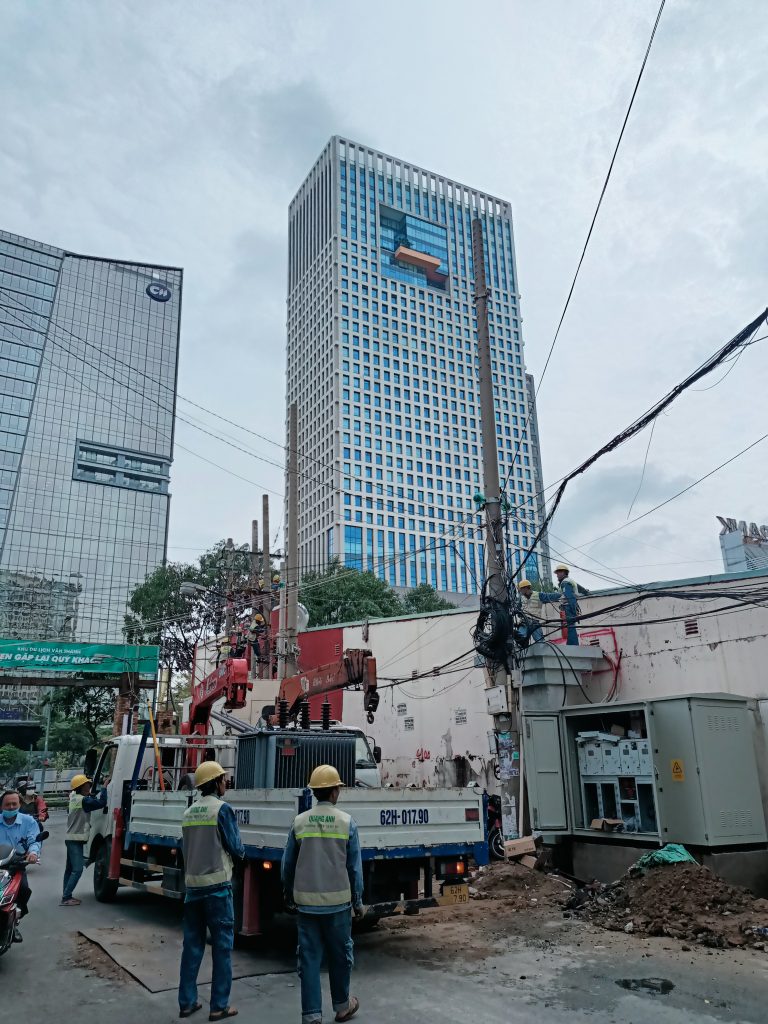
Electrical system upgrade plays a crucial role in improving efficiency and ensuring safety. This process includes boosting the handling and power transmission capability to increase production and save energy.
Objectives for Performance Improvement and Optimization of Energy
Plant electrical system upgrade aims to enhance performance by improving the power transmission capability and minimizing unnecessary downtime. Additionally, energy optimization is a crucial target to reduce waste and improve technology, meeting new energy demands in industrial electrical systems.
In the context of modern industrialization, the goals of energy optimization and performance improvement are core for businesses to maintain competitiveness and sustainable development. Optimizing energy not only reduces costs but also contributes to environmental protection, meeting new demands. Numerous solutions have been implemented to achieve these goals.
- Energy Audit: This is an important initial step to specifically identify energy waste in the system. By auditing, businesses can proactively identify and implement more effective energy management measures, reducing losses.
- Investing in Energy-Efficient Equipment: Replacing old, inefficient equipment with modern models like IE3 or IE4 motors helps improve electrical efficiency, reduce energy consumption, and increase equipment lifespan.
- Implementing Smart Manufacturing: Using IoT technology helps automate and optimize production processes, minimizing energy consumption by continuously analyzing data and making timely adjustments.
- Optimizing Production Processes: Simplifying and eliminating unnecessary steps in the production process to improve production and achieve the best energy efficiency.
The benefits from energy optimization are diverse:
- Reducing Energy Costs: More efficient work equates to lower electrical costs.
- Increasing Production Efficiency: Increase capacity without increasing investment resources while enhancing product quality.
- Environmental Protection: Reducing carbon emissions contributes to protecting a green, clean, beautiful environment.
- Sustainable Development: Ensure long-term development in the direction of green growth and resource-saving.
Strategies and policies have also been proposed to guide businesses:
- Supporting Development of High-Efficiency Products: Encouraging the development and application of energy-saving products globally.
- Strengthening State Management: Strict regulations in energy management and promoting the effective use of this resource.
- Digitalization and Advanced Technologies: Using new technologies like IoT for precise control of energy use in production and consumption activities.
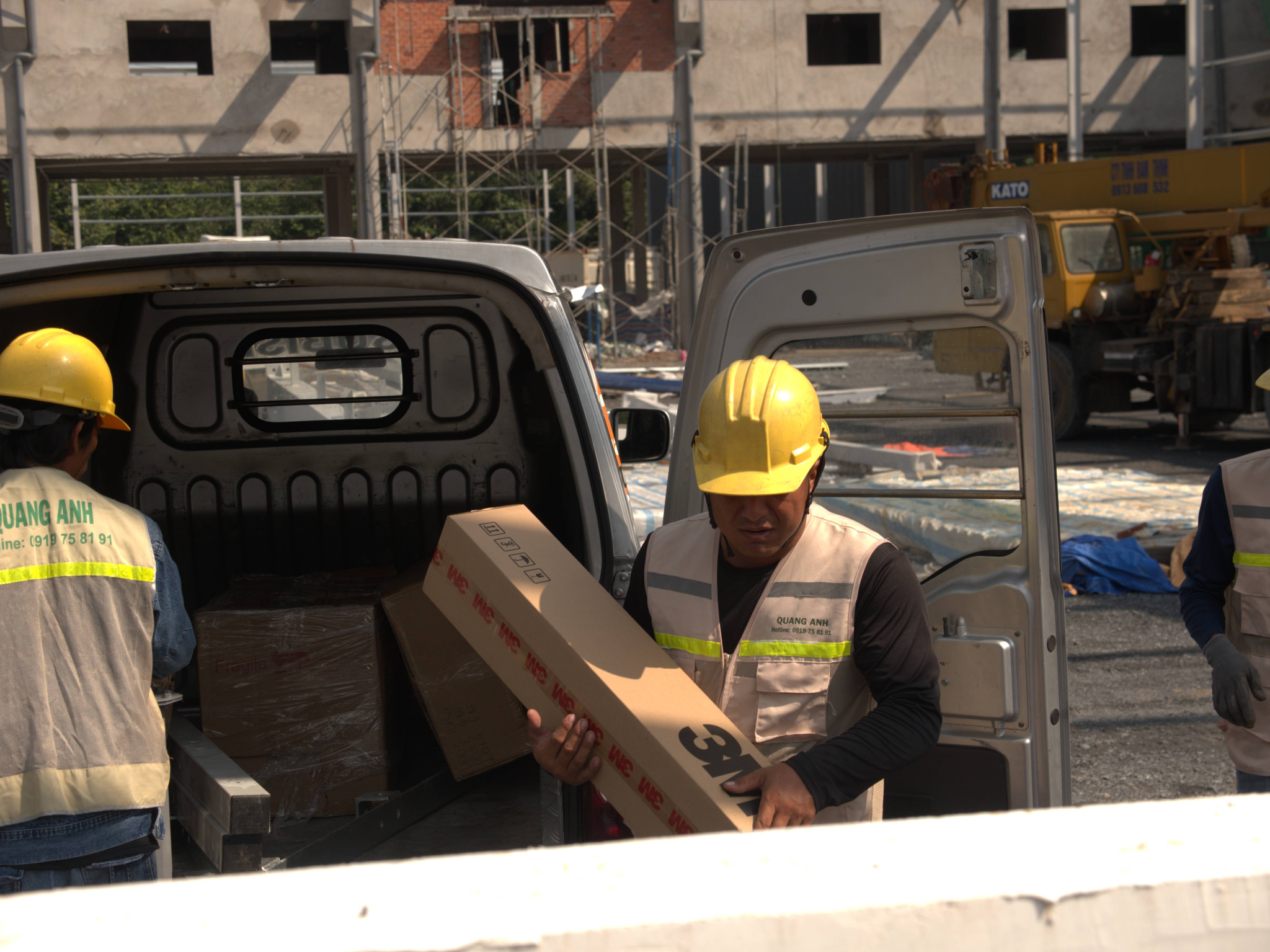
Process of Plant Electrical System Upgrade
The process of upgrading the electrical system begins with surveying and assessing current conditions, followed by designing a detailed plan. The construction process is carried out based on the plan and strictly adheres to safety standards. After installing new equipment, the system will be thoroughly checked and tested before handover. Regular maintenance is essential to ensure electrical efficiency and safety.
Upgrading the plant electrical system is an important process to ensure safety, reliability, and efficiency for industrial production activities. This process is implemented through main stages from initial assessment, new system design, to construction and regular maintenance.
The process begins with step
Designing the new electrical system is step
Step
After installation, step
Finally, step
Upgrading the plant electrical system not only brings stability, safety in operations but also saves costs and improves the quality of industrial production activities.
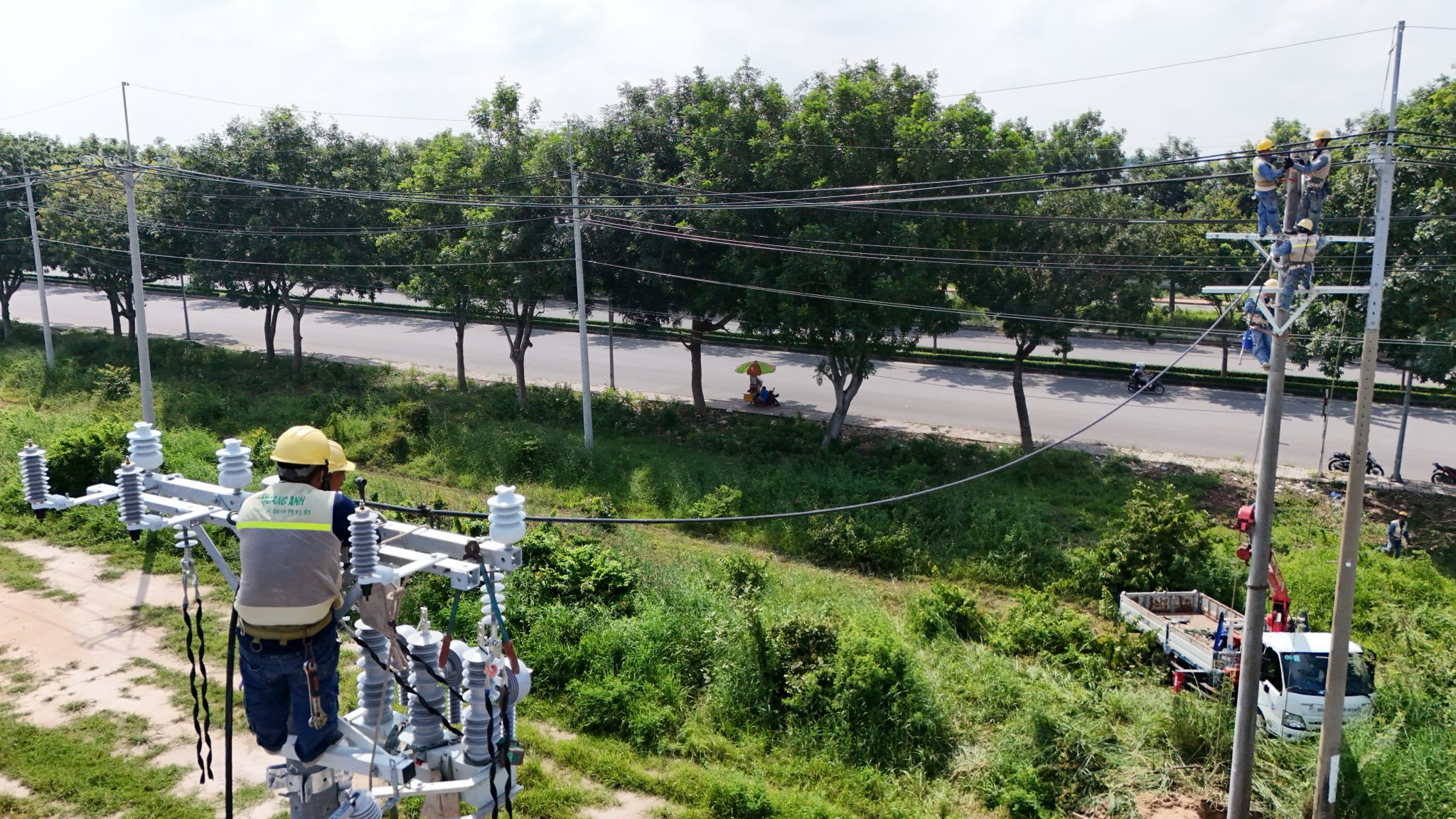
Key Factors in Electrical System Upgrade
In upgrading electrical systems, calculating power capacity is essential to ensure it meets energy demands. Providing compatible and efficient equipment is a top priority. Electrical safety is a factor that cannot be overlooked, and safety regulations must be complied with throughout the process of upgrading and maintaining the plant’s electrical system.
To meet increasing energy demands while ensuring system efficiency and electrical safety, upgrading electrical systems is paramount. Some key factors to note include:
1. Energy Growth Demand
- Economic and Population Growth: Economic development and population growth create larger electricity demands, requiring the electrical system to be suitably upgraded to meet the needs.
- Shift to Renewable Energy: The integration of renewable energy sources such as solar and wind reduces dependence on traditional energy, which is a necessary trend for sustainable development.
2. Overload and Safety
- Electrical Overload: Increased electricity consumption may cause the system to easily overload, leading to outages or voltage drops. Upgrading supports stable and safer system operation.
- Electrical Safety: System upgrades need to ensure equipment and technology are current to avoid safety risks from outdated equipment.
3. Project Quality and Efficiency
- Ensuring Project Quality: To guarantee safe and optimal system efficiency, the quality of installation and upgrade projects must be rigorously inspected.
- Integrating Modern Energy Technology: Advanced technology from brands like ABB, Mitsubishi, or Schneider can enhance system performance and reliability.
4. Comprehensive Electricity System Development Factors
- Ensuring diversity in power sources and suitable for usage demand.
- Optimizing distribution and rational use of electricity.
- Ensuring stable and reasonable electricity prices.
5. Measuring and Protection Systems
- The use of modern measuring and protection systems from Eaton or LS aids in early detection and handling of incidents, ensuring comprehensive electrical safety for the system.
These factors need to be carefully considered to ensure that the electrical system not only meets the current demand but is also suitable for the future.
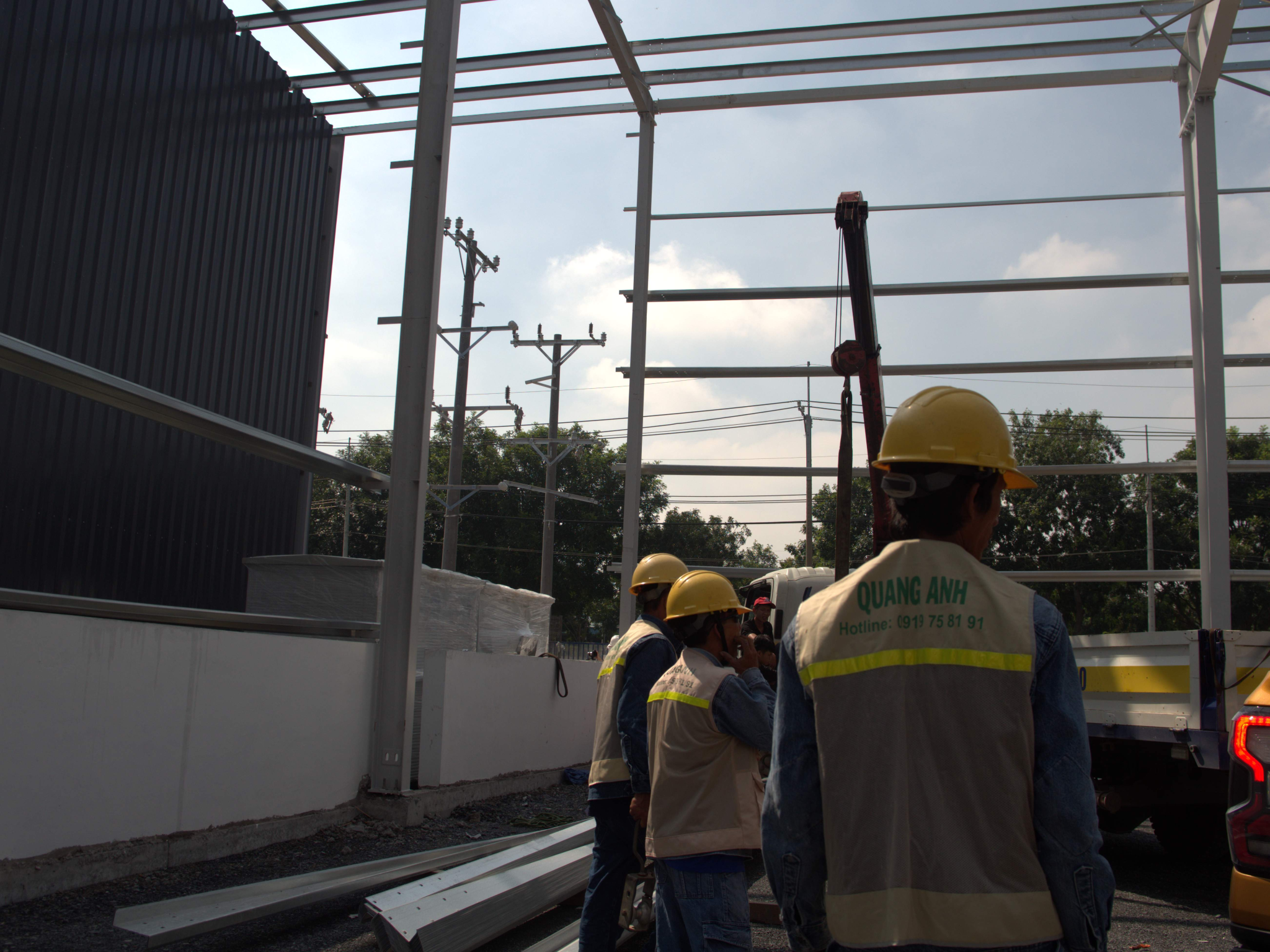
Upgrading the plant electrical system brings numerous technical benefits, enhancing efficiency and reducing risks, laying the foundation for sustainable investment exploitation and enhancing competitiveness.
Contact QuangAnhcons via Hotline: +84 9 1975 8191 for effective and safe plant electrical system upgrade consultation.
QuangAnhcons provides plant electrical system upgrade services with high expertise, optimizing energy and ensuring safety, from survey, design, to construction and maintenance.
Substation budget estimate
Select the capacity, route lengths and package to view your indicative budget and electrical parameters.
Request a project quotation
Send your project details, BOQ or drawings to request a formal quotation. Fields marked * are required.
Quotation scope
Applies to one EVN-supplied substation with oil-immersed transformers at 22/0.4 kV (single-phase: 12.7/0.23 kV), with MV metering VTs/CTs supplied by EVN. The estimate includes the selected equipment, installation, earthing, transformer-to-main-breaker connections, design and connection documentation, and coordination of testing and utility acceptance.
Kiosk, integrated steel-pole and indoor substations include MV switchgear and the entered underground cable route. Other outdoor arrangements use the relevant protection configuration. The final diagram must meet the project connection requirements.
Excludes VAT, cables from the substation switchboard to the MSB/loads, live-line work, harmonic reactors, weak-ground treatment or special piling, land and special fire-protection provisions. Underground routes assume normal construction conditions and exclude road drilling and special reinstatement.
Prices are indicative investment budgets. A formal quotation follows site assessment and agreement on the configuration. Electrical selections are preliminary and require design verification before installation.
Capacity range and application conditions
The catalogue defines the enquiry range of this tool, not universal TCVN capacity limits. Single pole-mounted transformers: 15–100 kVA; three-unit banks: 3×15–3×100 kVA. Platform substations: 100–630 kVA. Steel-pole substations: 100–630 kVA; 750/800 kVA require design verification and local approval. Ground-mounted, kiosk and indoor configurations: 50–10,000 kVA. Not every configuration has a package price or the same structural design.
Reference: EVN Decision 1299/QD-EVN dated 3 November 2017, Volume 1, sections 3.3–3.4. Check the current requirements of the responsible utility before implementation. Kiosks must meet manufacturer ratings and testing requirements (IEC 62271-202); indoor and ground-mounted arrangements must meet project layout, ventilation, structural and fire-protection requirements. For multiple transformers, specify the quantity and capacity of each unit.
Developed by QuangAnhcons · © 2026 QuangAnhcons. Code licensed under GPL-2.0-or-later. Standards and manufacturer data belong to their respective owners.