
 Tiếng Việt
 简体中文
 Deutsch
 日本語
 한국어
 ไทย
 Русский
 Français


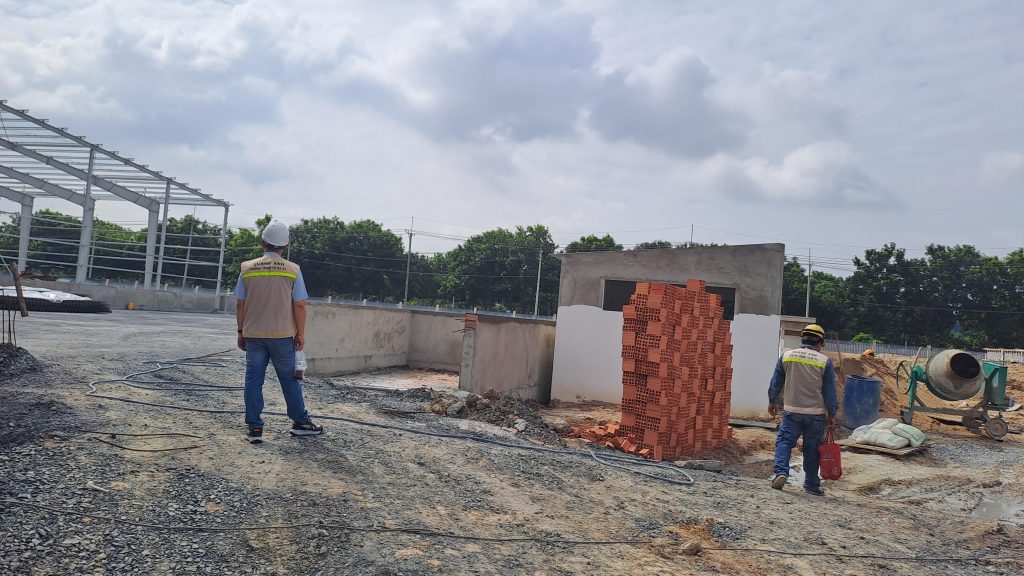
The MEP quotation plays an important role in project implementation, helping investors determine reasonable costs for design and construction of electromechanical systems.
Overview of MEP quotation in construction projects
The MEP quotation is a crucial document in every construction project, encompassing categories from MEP design to installation of electromechanical systems. Understanding this quotation not only helps the investor plan an effective budget but also optimizes project management processes.
In every construction project, MEP (Mechanical, Electrical, Plumbing) plays a pivotal role, significantly impacting the project’s success and economic viability. The MEP system includes three main components: mechanics, electricity, and plumbing, each with distinct elements influencing the cost.
Mechanical systems include heating, cooling, ventilation, and air handling equipment. Costs are generally dictated by the type of equipment chosen and your project’s scale. For electrical systems, which include transformers, circuit boards, and wiring, costs are influenced not only by the equipment but also by the complexity of the electrical distribution system needed. Regarding plumbing, costs vary with the type of piping materials and sanitary fixtures used in the project.
Factors affecting MEP quotations often include:
- Project size and scale: Naturally, larger projects require more equipment and materials, thus increasing costs.
- Type of equipment and materials: Opting for quality equipment and materials will directly increase or decrease MEP costs.
- Location and geographical conditions: Areas that are hard to access or have complex terrains will demand additional transport and installation costs.
Construction projects often separate the MEP costs from the general quotation to enable easier tracking and management by the investor. However, transparency and clarity in quotations, especially for MEP design costs, are crucial for budget planning.
Finally, when preparing an MEP quotation, factors such as energy efficiency, sustainability, and technical standards compliance should be prioritized. These factors not only ensure long-term cost savings but also reinforce the safety and effective use of the system.
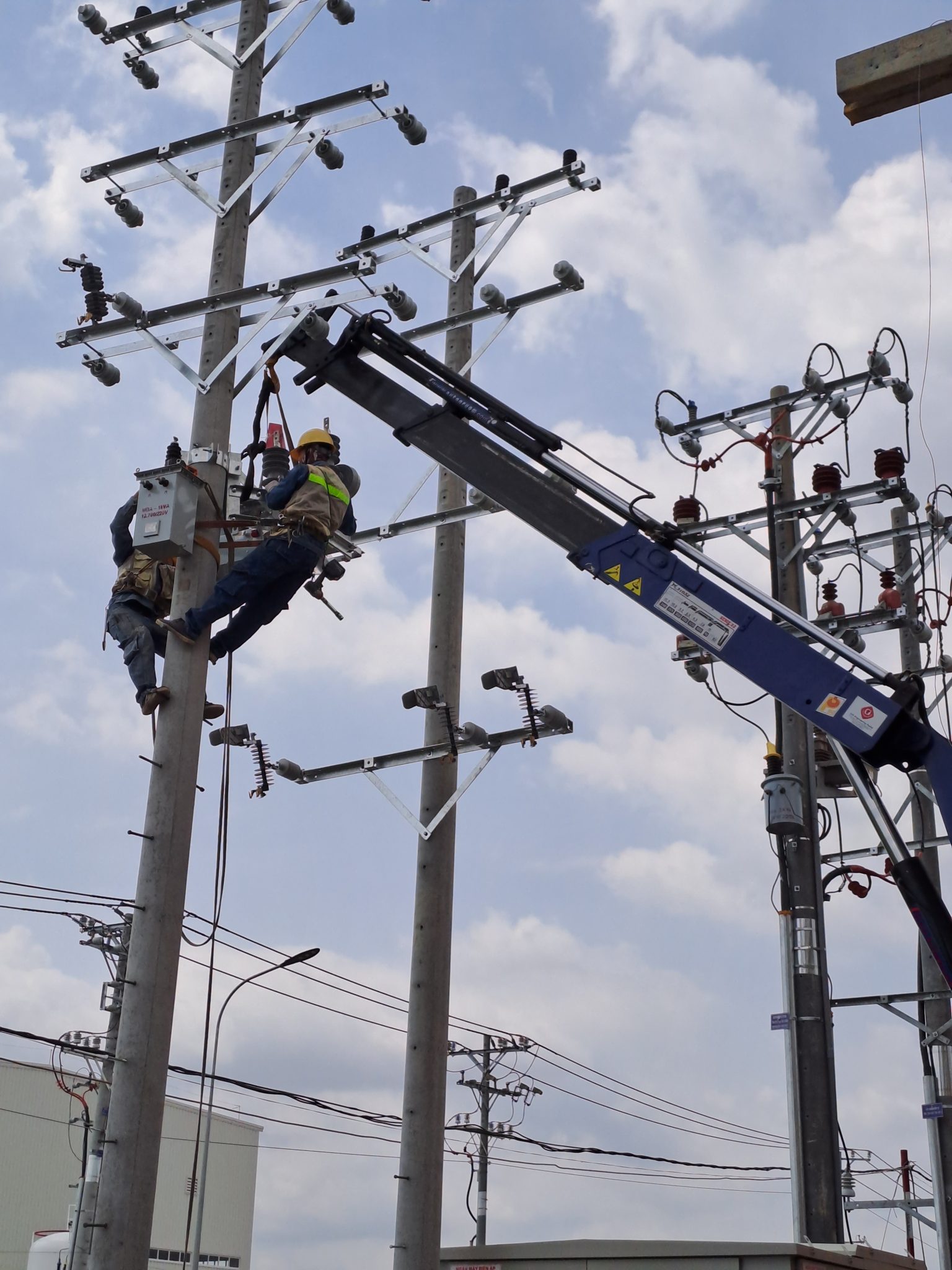
Cost of designing and constructing MEP systems
The cost for MEP design usually includes surveying, drawing plans, and detailing plans for electromechanical systems. In contrast, MEP construction costs focus on installing and testing these systems, ensuring they operate efficiently and meet standards.
Cost of MEP system design
The cost of MEP system design is one of the key factors that businesses need to consider when investing in building factories or other large-scale projects. The MEP design price for a factory or industrial house usually ranges from 2,000 – 4,000 VND/m2, depending on the design phase. Specifically:
- Basic design phase: Approximately 2,000 – 3,000 VND/m2
- Construction design phase: Approximately 3,000 – 4,000 VND/m2
Designing specific systems like lighting, fire protection, or HVAC systems ranges from 8,000 – 12,000 VND/m2. For small-scale private houses, this cost may reach 12,000 VND/m2, with the design completed in about 3 days. For office buildings, hotels, or apartments, design costs for each system vary from 8,000 – 12,000 VND/m2.
Cost of MEP system construction
When it comes to MEP construction, especially electrical and plumbing systems, the cost is determined based on material quality and specific installation standards:
- Standard: Approximately 400,000 VND/m2
- Good: Approximately 550,000 VND/m2
- Premium: Approximately 750,000 VND/m2
- Premium plus: Approximately 1,250,000 VND/m2
These prices may vary depending on the materials used and the design layout of the systems.
Factors affecting MEP costs
- Project scale and type: Technical requirements for projects such as townhouses, villas, factories, hotels, or office buildings will affect MEP design and construction costs.
- Complexity of the system: The more complex the system, with high device and technical demands, the greater the cost.
- Materials and equipment used: Choosing standard or high-end materials results in significant differences in costs.
- Service scope: Costs will vary depending on choosing a full-package design or individual system.
The above data is for reference and may change depending on the actual project.
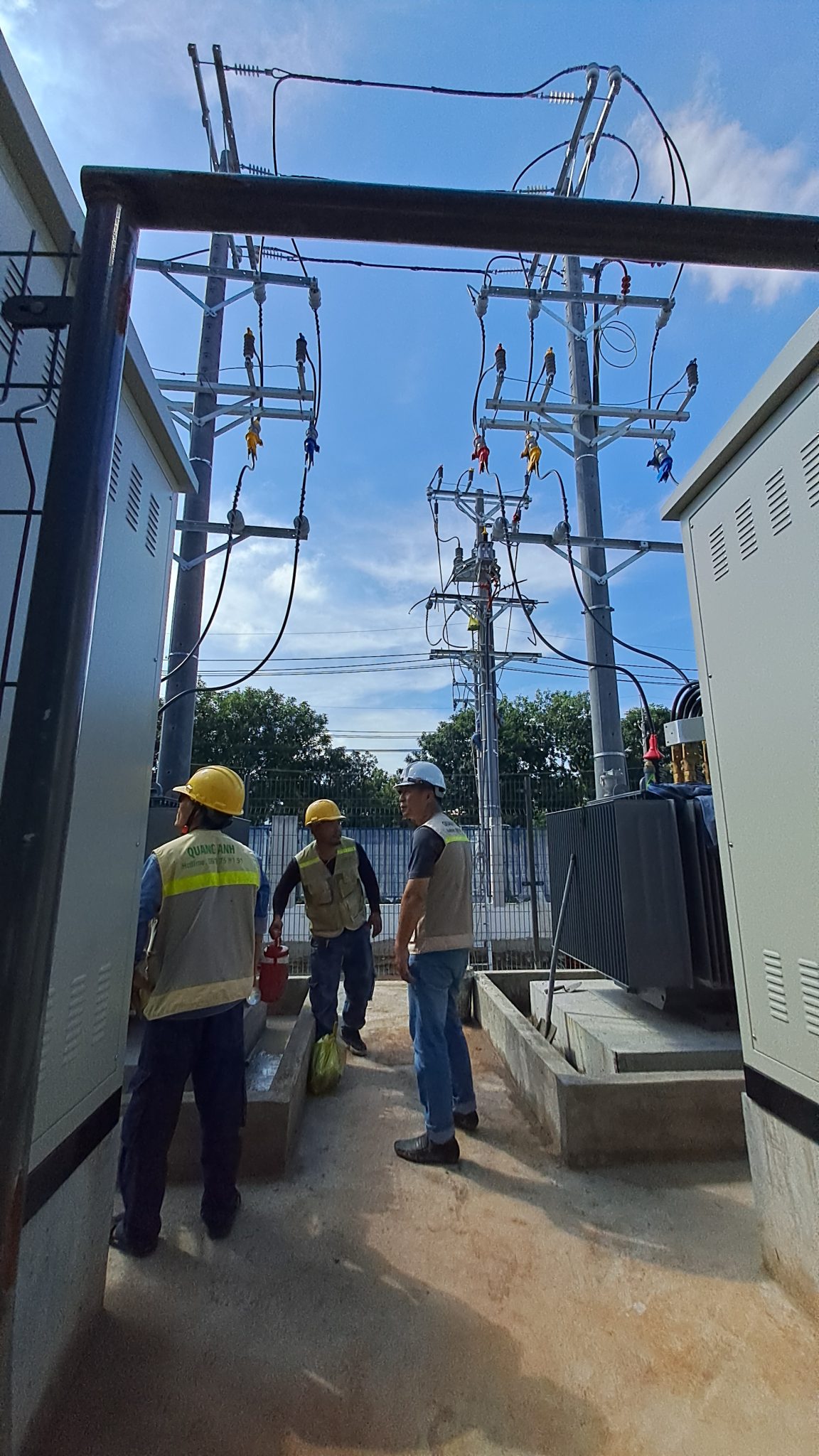
Quotation for townhouse construction with MEP systems
Townhouse construction quotations typically include detailed MEP sections, such as electrical, water, and ventilation systems. Defining these costs clearly helps homeowners gain an overview of the budget and easily manage construction expenses.
During townhouse construction, integrating MEP (Electromechanical) systems is vital for ensuring houses operate efficiently and save energy. Townhouse classification has a significant impact on construction costs and MEP systems.
- Modern townhouses: With the rough cost ranging from 3,900,000 to 4,000,000 VND/m², the MEP system is calculated to ensure synchronization and efficient operation of electrical and ventilation systems.
- Townhouses with neoclassical or tiled facade: The rough cost ranges from 4,000,000 to 4,100,000 VND/m², requiring careful design and construction of temperature control and plumbing systems.
- Two-frontage townhouses: For houses demanding higher aesthetics and technical standards, rough costs from 4,050,000 to 4,250,000 VND/m², with careful consideration of fire protection systems.
In full-package townhouse construction, MEP systems are fully integrated:
- Mid-range package with costs from 4,850,000 to 5,200,000 VND/m² typically includes standard MEP systems such as electricity supply and wastewater treatment systems.
- Improved package priced from 5,850,000 to 6,700,000 VND/m², upgrades to more modern MEP systems including energy-saving devices from renowned brands like ABB, Schneider, and Mitsubishi.
The MEP system consists of many important components such as electrical, water, and ventilation systems, which are crucial to ensuring the convenience and safety of residences.
Factors affecting MEP cost:
- Construction area: The larger the area, the higher the MEP system deployment cost, requiring meticulous design to optimize space and budget.
- Materials and technology: Selecting advanced materials and technology aids in saving energy, such as products from Cadivi and Eaton, may increase initial costs but reduce long-term operational costs.
- Complexity level: Special technical requirements or complex designs may necessitate the involvement of top experts in electrical systems and plumbing systems.
In summary, planning and executing the MEP system in townhouse construction needs a detailed and careful approach. Choosing the right partners and technology is critical to the project’s success.
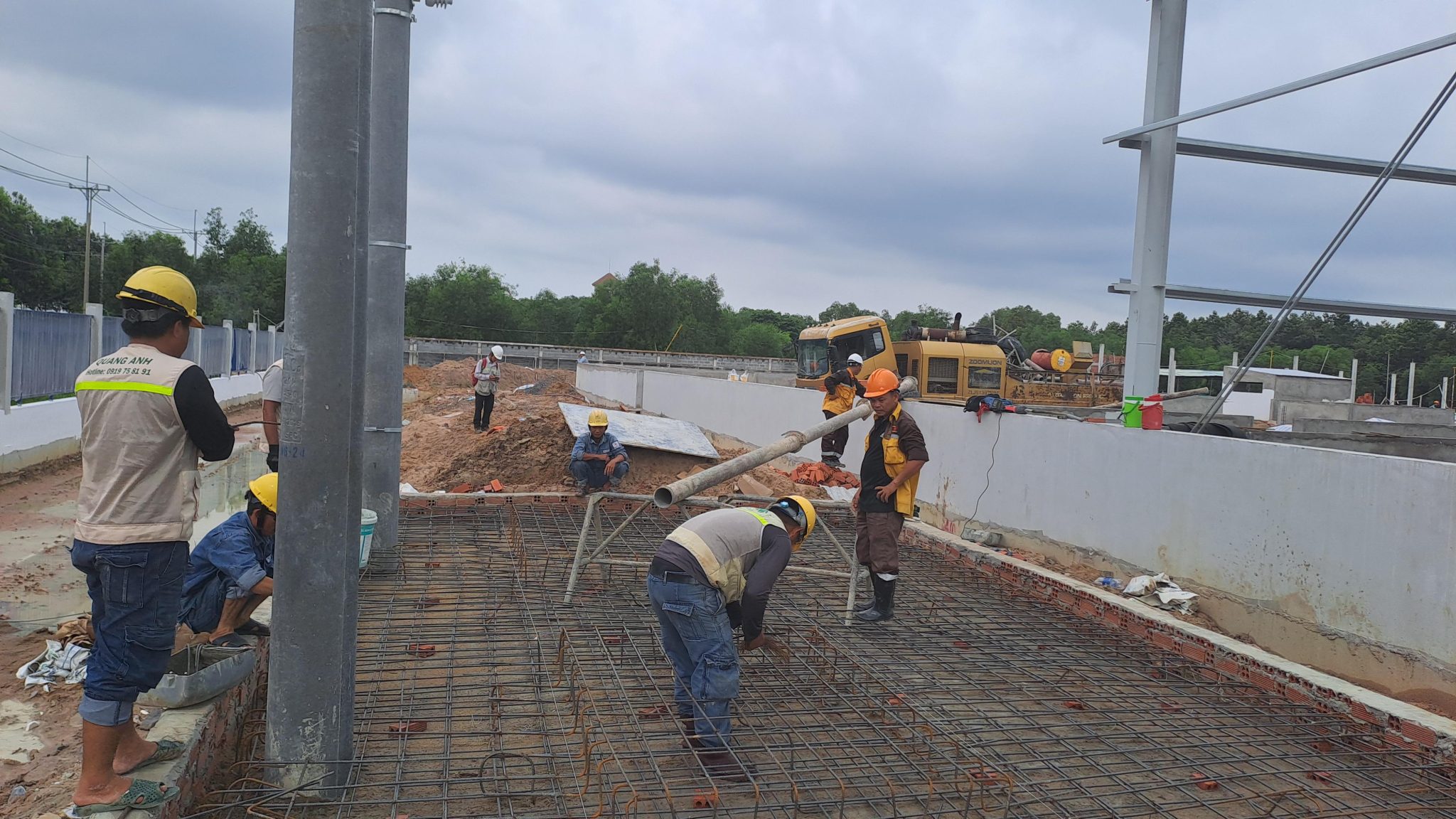
Determining the MEP quotation from the beginning brings significant benefits in budget management, optimizing project management, and ensuring quality for electromechanical systems. Technical advantages and effective investment strategy are inevitable results of accurate estimation.
For detailed and best-suited MEP quotations for your project, contact QuangAnhcons via Hotline +84 9 1975 8191.
QuangAnhcons provides consulting, design, and construction services for MEP systems with an experienced team of engineers, optimizing costs and ensuring project quality.
Substation budget estimate
Select the capacity, route lengths and package to view your indicative budget and electrical parameters.
Request a project quotation
Send your project details, BOQ or drawings to request a formal quotation. Fields marked * are required.
Quotation scope
Applies to one EVN-supplied substation with oil-immersed transformers at 22/0.4 kV (single-phase: 12.7/0.23 kV), with MV metering VTs/CTs supplied by EVN. The estimate includes the selected equipment, installation, earthing, transformer-to-main-breaker connections, design and connection documentation, and coordination of testing and utility acceptance.
Kiosk, integrated steel-pole and indoor substations include MV switchgear and the entered underground cable route. Other outdoor arrangements use the relevant protection configuration. The final diagram must meet the project connection requirements.
Excludes VAT, cables from the substation switchboard to the MSB/loads, live-line work, harmonic reactors, weak-ground treatment or special piling, land and special fire-protection provisions. Underground routes assume normal construction conditions and exclude road drilling and special reinstatement.
Prices are indicative investment budgets. A formal quotation follows site assessment and agreement on the configuration. Electrical selections are preliminary and require design verification before installation.
Capacity range and application conditions
The catalogue defines the enquiry range of this tool, not universal TCVN capacity limits. Single pole-mounted transformers: 15–100 kVA; three-unit banks: 3×15–3×100 kVA. Platform substations: 100–630 kVA. Steel-pole substations: 100–630 kVA; 750/800 kVA require design verification and local approval. Ground-mounted, kiosk and indoor configurations: 50–10,000 kVA. Not every configuration has a package price or the same structural design.
Reference: EVN Decision 1299/QD-EVN dated 3 November 2017, Volume 1, sections 3.3–3.4. Check the current requirements of the responsible utility before implementation. Kiosks must meet manufacturer ratings and testing requirements (IEC 62271-202); indoor and ground-mounted arrangements must meet project layout, ventilation, structural and fire-protection requirements. For multiple transformers, specify the quantity and capacity of each unit.
Developed by QuangAnhcons · © 2026 QuangAnhcons. Code licensed under GPL-2.0-or-later. Standards and manufacturer data belong to their respective owners.