
 Tiếng Việt
 简体中文
简体中文 Deutsch
 日本語
日本語 한국어
한국어 ไทย
ไทย Русский
 Français

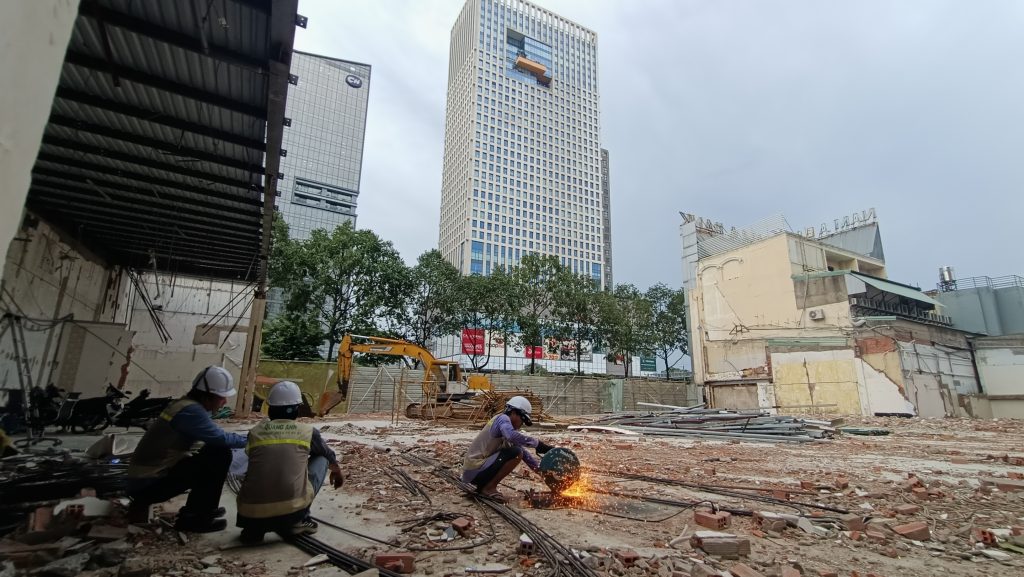
The cost of installing an electric vehicle charging station depends on the station type, power, location, and other supportive factors. See detailed cost items.
Classification of Electric Vehicle Charging Station Installation Costs
Charging equipment cost is a key factor, with slow charging (AC) and fast charging (DC) having different price points, varying by capacity. Other costs include installation, electrical infrastructure upgrades, and supportive accessories. Costs range from several million to hundreds of millions of VND. For example, a 240V electrical system upgrade can cost from 3-7 million VND. Site costs can also be significant if space rental is required for installation.
The installation of electric vehicle charging stations is an important part of developing infrastructure for electric vehicles (EV charging infrastructure) in Vietnam. Electric vehicle charging station installation costs can be classified according to various categories and factors. To optimize investment, businesses need to understand each type of cost below.
Cost Classification by Installation Category
- Survey & Consultation: This is the first step, including checking the current electrical system and advising on suitable installation locations. Fees can be free or at a low level.
- Level 1 and Level 2 Chargers: Widely used in residential, differing by supply voltage level (120V for Level 1 and 240V for Level 2). Installation costs range from 7 million to 25 million VND.
- AC and DC Charging: AC charging is popular and lower cost as it doesn’t require complex structures, while DC charging can charge quickly but requires a larger investment, suitable for public stations.
- Outlet & Electrical System Upgrades: Necessary when installing a 240V outlet or upgrading the electric panel, costing about 3-7 million VND.
- Electrical Wiring & Accessories: Installation materials cost ranges from 1 million to 3 million VND.
- Labor & Installation Costs: Costs for installation work and inspection range from 2-5 million VND.
- Solar Integration: To optimize renewable energy usage, installation cost can range from 20 million to 50 million VND.
- Energy Storage Systems: Using storage batteries to optimize energy, costs range from 15 million to 40 million VND.
- Regular Maintenance & Technical Support: These services are essential for the sustainable operation of the charging station, annual costs from 1 million to 3 million VND.
Cost Classification by Connection Type
Costs also differ between charging connection types, with the two main forms being AC and DC:
- AC Charging (alternating current): This is a popular choice for households because it is easy to install and low cost. EV charging infrastructure with AC charging requires less significant infrastructure upgrades.
- DC Charging (direct current): Usually applied at public charging stations, requiring larger investment due to fast charging speed and complex infrastructure.
Cost Classification by Additional Factors
Aside from installation equipment costs, some additional expenses to consider include:
- Soft Costs: Includes permits fees and site security work.
- Electrical System Upgrade Costs: Necessary when the current system does not meet standards.
- Maintenance and Operation Costs: Includes regular maintenance and part replacement when needed.
- Energy Costs: The price of electricity is a crucial factor in operation, often lower when charging at home.
Factors Influencing Installation Costs
Factors influencing costs include charging station capacity, connection type, and installation location. The integration of renewable energy systems like solar power also significantly affects the total investment level.
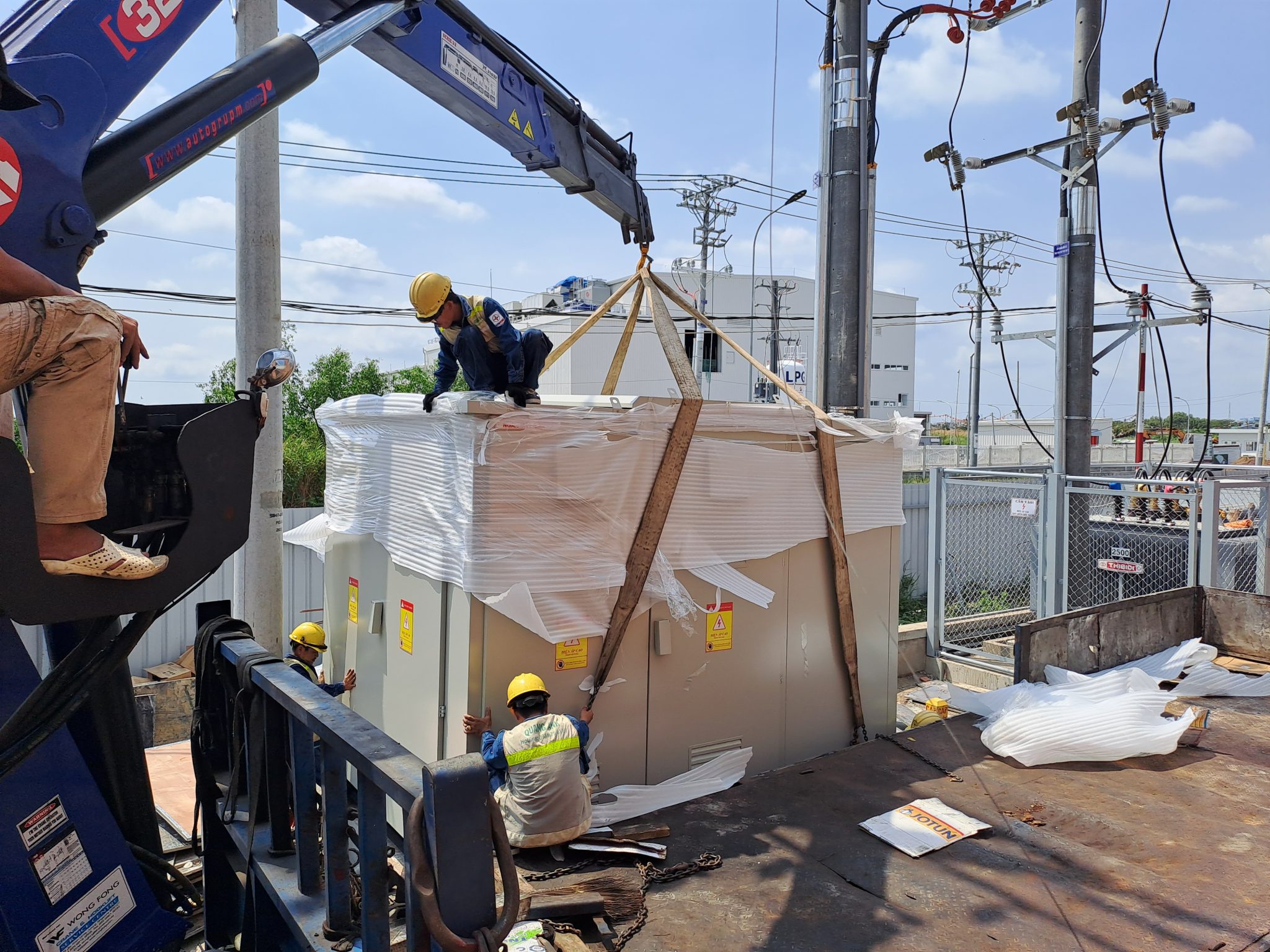
Comparison between Slow and Fast Charging
Slow charging (AC) is often suitable for homes, with low equipment costs and simple installation, but longer charging time. In contrast, fast charging (DC) requires a higher investment, needs complex electrical infrastructure like substations, but offers significantly shorter charging times.
With technological development, slow and fast charging have become popular options for consumers to meet the energy needs of electronic devices. Both technologies have their pros and cons, and the appropriate choice depends on several factors such as AC charging, DC charging, charging time, battery life, and charging temperature.
Charging Time and Efficiency
One of the most important factors is charging time. Slow charging requires 2-4 hours or more to complete the process, more suitable for those not in a rush and can charge overnight. Meanwhile, fast charging usually only takes 30 minutes to 1 hour by increasing the current and voltage. This technology is especially useful for people with busy schedules who need quick charging to maintain activity.
Battery Lifetime and Temperature when Charging
The advantage of slow charging is better protecting battery life due to stable current and low charging temperature. This helps reduce thermal impact on devices and extends battery usage time. However, although convenient, fast charging can decrease battery lifespan with continuous use since it generates more heat during charging, leading to battery degradation.
Cost and Equipment Requirements
In terms of cost, slow charging is cheaper and more accessible, not requiring high-end devices. Fast charging, on the other hand, requires chargers, cables, and advanced standard supporting devices, leading to higher costs. However, investing in fast charging may sometimes be necessary if your device has a large battery capacity, such as a tablet or laptop.
Convenience
Convenience is clearly the strength of fast charging. With the modern pace of life, the ability to charge quickly to resume usage immediately is an undeniable advantage. Nevertheless, if the goal is to protect and maintain long-term battery life, slow charging is still an option worth considering.
Safety and Decision Making Considerations
Ensuring safety is always the top priority when using any charging technology. For fast charging, pay attention to which devices support this type of charging, and always choose quality accessories from reputable brands like ABB, Schneider, Eaton, etc., to avoid damage to the battery.
In summary, the choice between slow and fast charging should be carefully considered, depending on priorities regarding time, battery protection, investment costs, as well as convenience and safety levels.
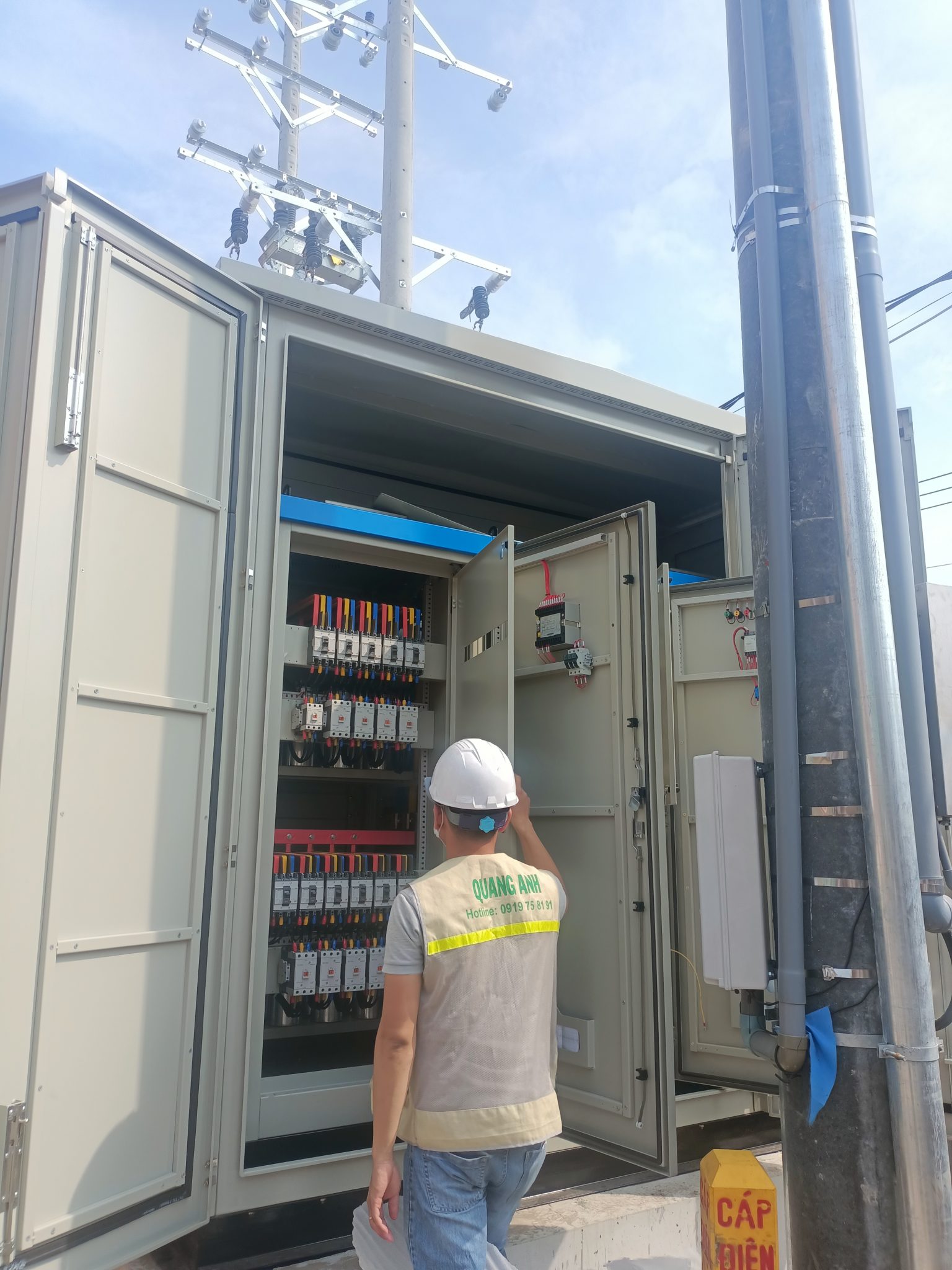
Considerations for Charging Station Installation
Installation needs to consider appropriate capacity, existing electrical infrastructure, and legal issues, especially integrating renewable energy to reduce operating costs. It’s important to consider long-term operating costs and the potential of each solution.
When proceeding with the installation of an electric vehicle charging station, the main factors to consider include ensuring safety and complying with current technical standards. First, compliance with approved planning and design is mandatory. Each charging station must be built according to its intended use and target audience. This requires clear and detailed design, ensuring feasibility and economic efficiency.
Proper resource management is necessary to avoid waste and ensure construction progress. Devices and systems used in charging stations must strictly comply with technical standards, especially standards related to charging station installation safety and fire prevention. An emergency power cutoff system must also be integrated to ensure maximum safety.
The installation process first requires determining demand and thoroughly evaluating the existing electrical infrastructure to ensure the necessary capacity for the charging station. System design needs to be compatible with demand and selected location, and necessary permits and certifications must be obtained to legalize the installation.
It is necessary to equip automatic power cutoff devices to prevent potential electrical shock or fire risks. Additionally, charging stations need to have environmental protection methods and use renewable energy sources to optimize operating costs while ensuring operational efficiency.
When using charging stations, using certified chargers and plugging into grounded outlets is crucial to ensure safety. To avoid electrical overload, the number of vehicles charged simultaneously needs to be rigorously controlled.
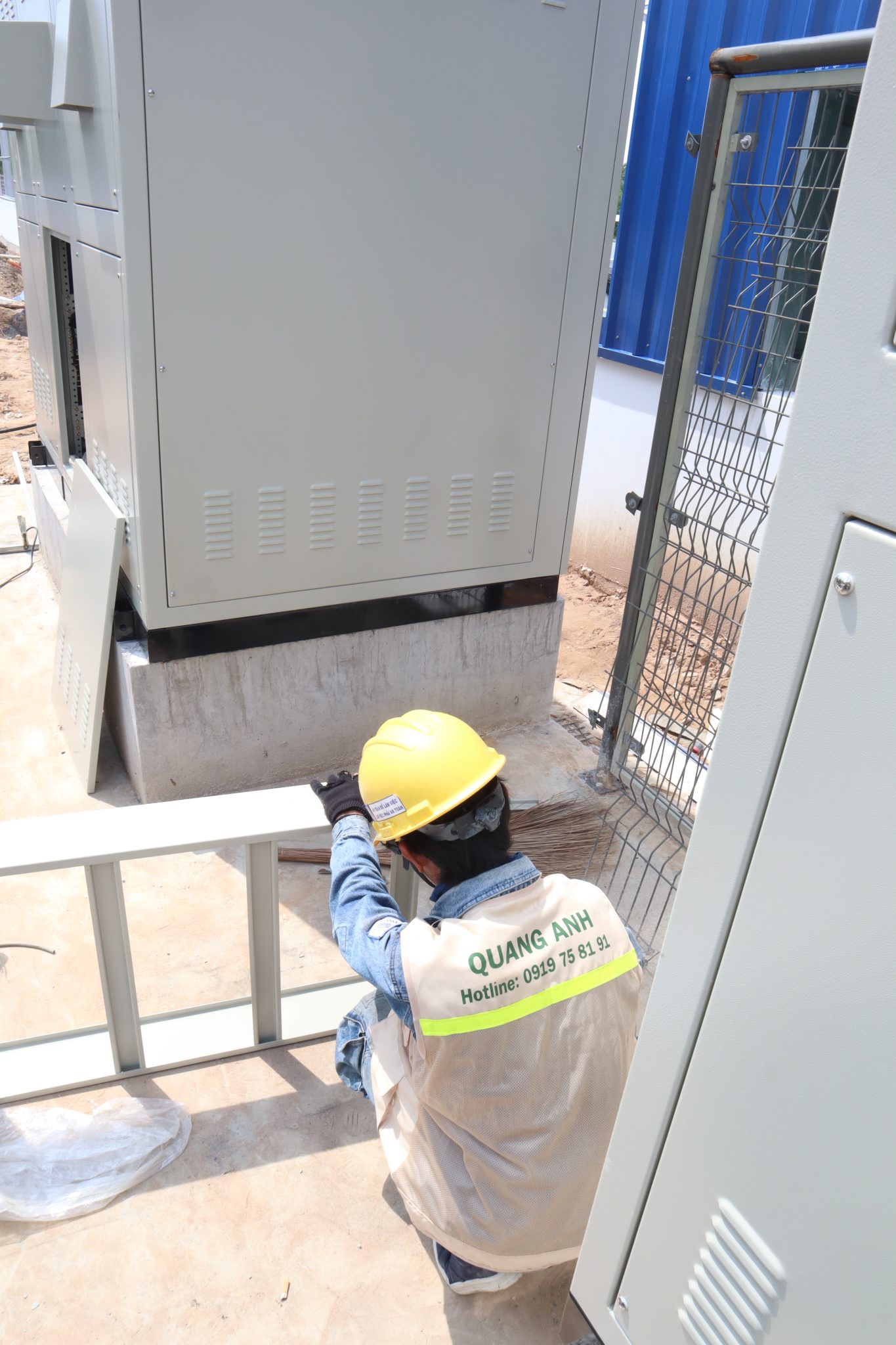
Installing electric vehicle charging stations not only requires balancing costs and technology but also brings technical and strategic long-term benefits. Combining with renewable energy sources can enhance the efficiency of investment.
Contact QuangAnhcons at +84 9 1975 8191 for optimal solutions on installing suitable electric vehicle charging stations for your needs.
QuangAnhcons provides electric vehicle charging station installation services, including consultation, surveying, and integrating optimal solutions for electrical infrastructure, fast and slow charging, as well as renewable energy options.
Tính nhanh giá trạm biến áp
Chọn công suất và chiều dài tuyến để xem giá tham khảo cùng thông số điện.
Gửi yêu cầu báo giá theo thiết kế
Gửi thông tin công trình, BOQ hoặc bản vẽ để nhận báo giá chính thức. Các trường có * là bắt buộc.
Phạm vi báo giá
Áp dụng cho một trạm mua điện EVN, máy dầu 22/0,4 kV (máy một pha: 12,7/0,23 kV), TU/TI trung thế do EVN cấp. Giá gồm thiết bị theo cấu hình, lắp đặt, tiếp địa, liên kết máy–CB tổng, hồ sơ thiết kế–đấu nối và phối hợp thí nghiệm, nghiệm thu điện lực.
Kios, trụ thép hợp bộ và trạm trong nhà có tủ trung thế cùng đoạn cáp ngầm theo thông tin đã nhập. Các kiểu ngoài trời dùng phương án bảo vệ tương ứng; sơ đồ cuối cùng cần phù hợp yêu cầu đấu nối tại công trình.
Chưa gồm VAT, cáp từ tủ trạm đến MSB/phụ tải, hotline, cuộn kháng lọc hài, nền yếu/cọc đặc biệt, đất và PCCC đặc thù. Tuyến ngầm tính theo điều kiện thi công thông thường, chưa gồm khoan qua đường hoặc hoàn trả đặc biệt.
Giá dùng để tham khảo đầu tư. Báo giá chính thức được xác nhận sau khảo sát và thống nhất cấu hình. Thông số điện là lựa chọn sơ bộ, cần kiểm tra theo thiết kế trước khi thi công.
Dải công suất và điều kiện áp dụng
Danh mục là phạm vi tiếp nhận yêu cầu của công cụ, không phải giới hạn công suất chung của TCVN. Trạm treo một máy: 15–100 kVA; bộ ba máy: 3×15–3×100 kVA. Giàn: 100–630 kVA. Trụ thép: 100–630 kVA; 750/800 kVA cần xác nhận thiết kế và chấp thuận tại địa phương. Nền/kios/phòng: danh mục 50–10.000 kVA, không có nghĩa mọi cấu hình đều có giá trọn gói hoặc cùng kết cấu.
Tham khảo QĐ 1299/QĐ-EVN ngày 03/11/2017, Tập 1, mục 3.3–3.4; kiểm tra văn bản hiện hành của điện lực quản lý trước khi triển khai. Kios phải phù hợp định mức/thử nghiệm của nhà chế tạo (IEC 62271-202); phòng/nền phải đáp ứng bố trí, thông gió, kết cấu và PCCC của dự án. Công suất trạm nhiều máy phải tách số máy và công suất mỗi máy.
Công cụ do QuangAnhcons phát triển · © 2026 QuangAnhcons. Mã nguồn theo GPL-2.0-or-later; tiêu chuẩn và dữ liệu hãng thuộc chủ sở hữu tương ứng.