
 Tiếng Việt
 简体中文
简体中文 Deutsch
 日本語
日本語 한국어
한국어 ไทย
ไทย Русский
 Français

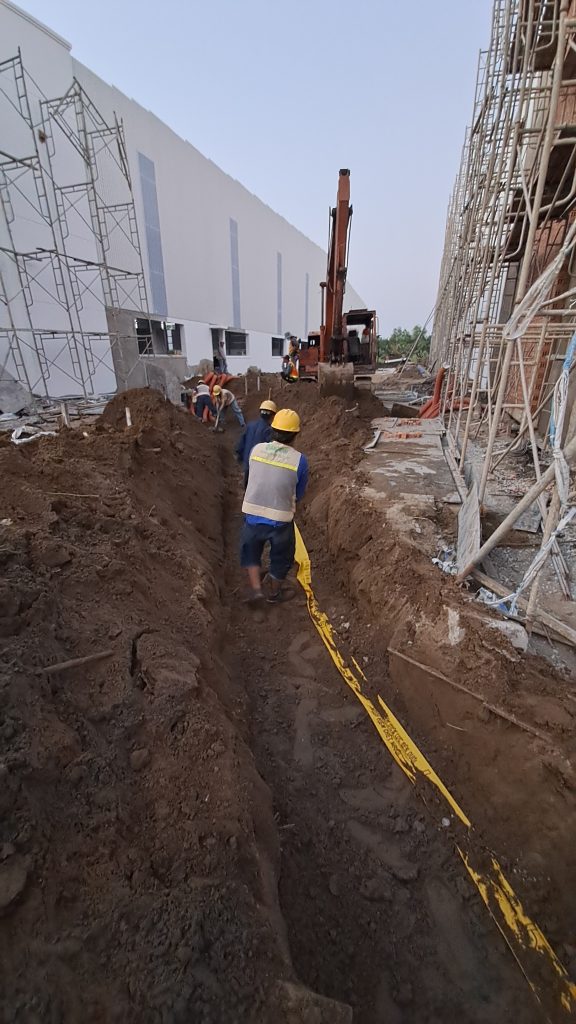
Repairing transformer stations is a crucial process to ensure the performance of electrical systems and prevent potential failures.
Complete Transformer Station Repair Process
To effectively repair a transformer station, one must follow a strict process. Start by inspecting and cleaning, using a soft cloth or air blower to clean surfaces and check basic electrical indicators. When using cooling oil, regularly check its quality and test its physical and chemical properties. The protection system must function normally. Before starting repair, disconnect the transformer from the power grid and identify the cause of failures, then clean and check necessary accessories. Finally, conduct test checks to ensure the operation meets requirements.
- Inspect and assess the current status of the transformer station: This is the first step in the transformer station repair process. Perform visual inspections to ensure station shell, connections, and conductors are not damaged. Evaluate operating conditions to identify current operation parameters and issues of the transformer and related devices.
- Disconnect the transformer from the power source: Ensure safety during the repair process by fully disconnecting the transformer from power.
- Clean and repair accessories: Clean the transformer site and related components. Tighten terminals and cable connections to high and low voltage, maintain devices like isolators, breakers, and measuring devices. Repair any damaged accessories and repaint the metal box to avoid rust if necessary.
- Process insulating oil: Check the oil level and add more if needed. If the oil does not meet standards, filter it or replace it to ensure insulation quality.
- Dry out the transformer core: Drying out eliminates moisture to prevent insulation failures and extend equipment lifespan.
- Assemble and check post-repair: After assembling and oil pumping, perform technical standard test checks to ensure safe transformer operation before returning to service.
- Report and allow power resumption: The results of repairs must be reported and approved before re-energizing and returning the equipment to operation.
- Regularly inspect the physical condition, insulating oil quality, and operation of the protection system is essential in transformer station maintenance.
- Conduct minor annual maintenance to maintain optimal performance of transformer stations.
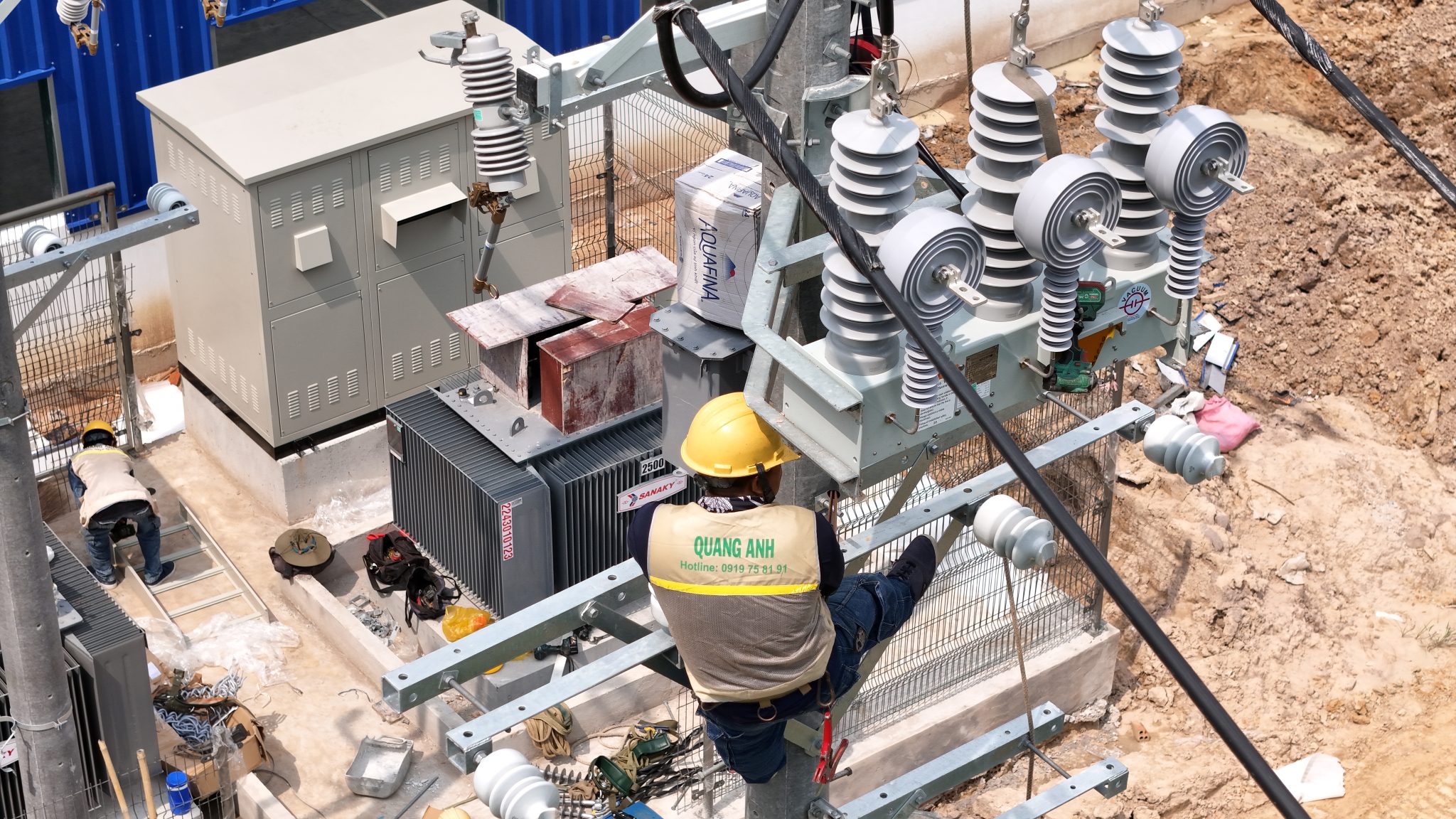
Regular Inspection and Maintenance in Transformer Stations
Regular maintenance for transformer stations is necessary to avoid potential problems. Generally, transformers need inspection every six months and maintenance at least once a year, depending on the importance of the electricity usage unit. This not only ensures stable operation of the transformer station but also extends the lifespan of related equipment, optimizing long-term operating costs.
Regular inspection and maintenance in transformer stations are key to maintaining stable and safe operation of electrical systems. The process of transformer station maintenance ensures performance and protects equipment from potential hazards.
Benefits of Regular Maintenance
- Ensure operational performance: Conduct regular maintenance to maintain stability and efficiency for transformer stations.
- Ensure safety: Minimize risks of fires and dangerous failures due to overload or overheating.
- Extend lifespan: Regular maintenance significantly extends the lifespan of the equipment.
Periodic Inspection and Maintenance Process
Daily Inspection
- Check MOG oil level: The oil level in both the main tank and preservation tank must comply with regulations.
- Replace silica gel: Replace immediately if the silica gel turns pink.
- Seal leakages: Any sign of oil leakage must be sealed immediately.
Monthly Inspection
- Inspect breathing holes on silica gel breathers: Ensure they are clean and functioning correctly.
- Check oil level in silica gel breather caps: Always ensure it is adequately filled.
Quarterly Inspection
- Conduct a comprehensive inspection of the transformer and record results in the operation log.
Semi-Annual Maintenance
- Perform comprehensive transformer maintenance as required to maximize performance and safety.
- Sample oil and analyze parameters like viscosity and impurity content to ensure oil quality.
Other Activities
- Visual Inspection: Regularly conduct visual inspections to determine the external condition of the equipment.
- Emergency Repairs: Perform immediately if any irregularities are detected.
By strictly adhering to periodic inspection and maintenance processes, businesses can be assured of their electrical systems’ safety and efficiency, prolonging the lifespan of transformer station equipment.
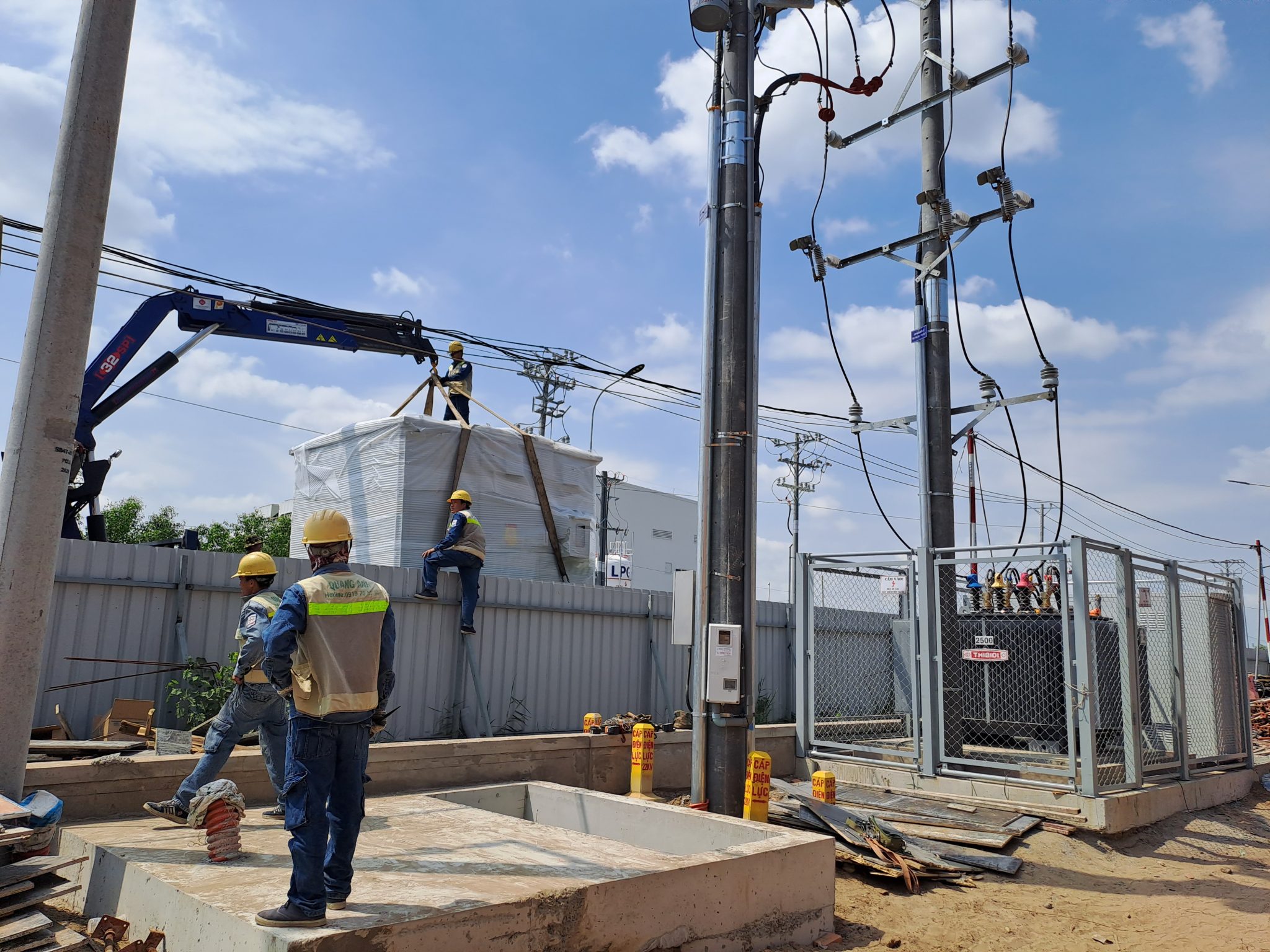
The Importance of Experts in Repair
Maintenance and repair of transformer stations are complex tasks that require high expertise. Experienced experts ensure accurate execution of procedures, safety standards, and optimal performance. Hiring experts not only minimizes risks but also optimizes costs by addressing issues early and effectively.
Repair experts play a key role in improving and restoring the functionality of technical equipment and systems. To ensure repair quality, professionals like maintenance engineers can identify and resolve problem causes accurately and promptly. With technical and operational knowledge, they ensure stable and long-term effective equipment operation.
Maintenance by repair experts not only extends equipment lifespan but also reduces the frequency of major replacements or repairs. This not only limits downtime losses but also reduces operating costs and enhances equipment utilization.
Repair experts also contribute to industrial safety by complying with safety standards during repairs and operations, minimizing severe accident risks and creating a safer working environment.
Furthermore, renovation and repair by an expert can enhance quality of life and work environment through improved comfort and aesthetics.
Experts also need quick and accurate technical problem-solving skills. Carefulness in inspection and handling reduces repetitive failure risks.
Finally, repair experts manage and optimize maintenance resources, including planning and managing materials to ensure the highest efficiency and limit waste.
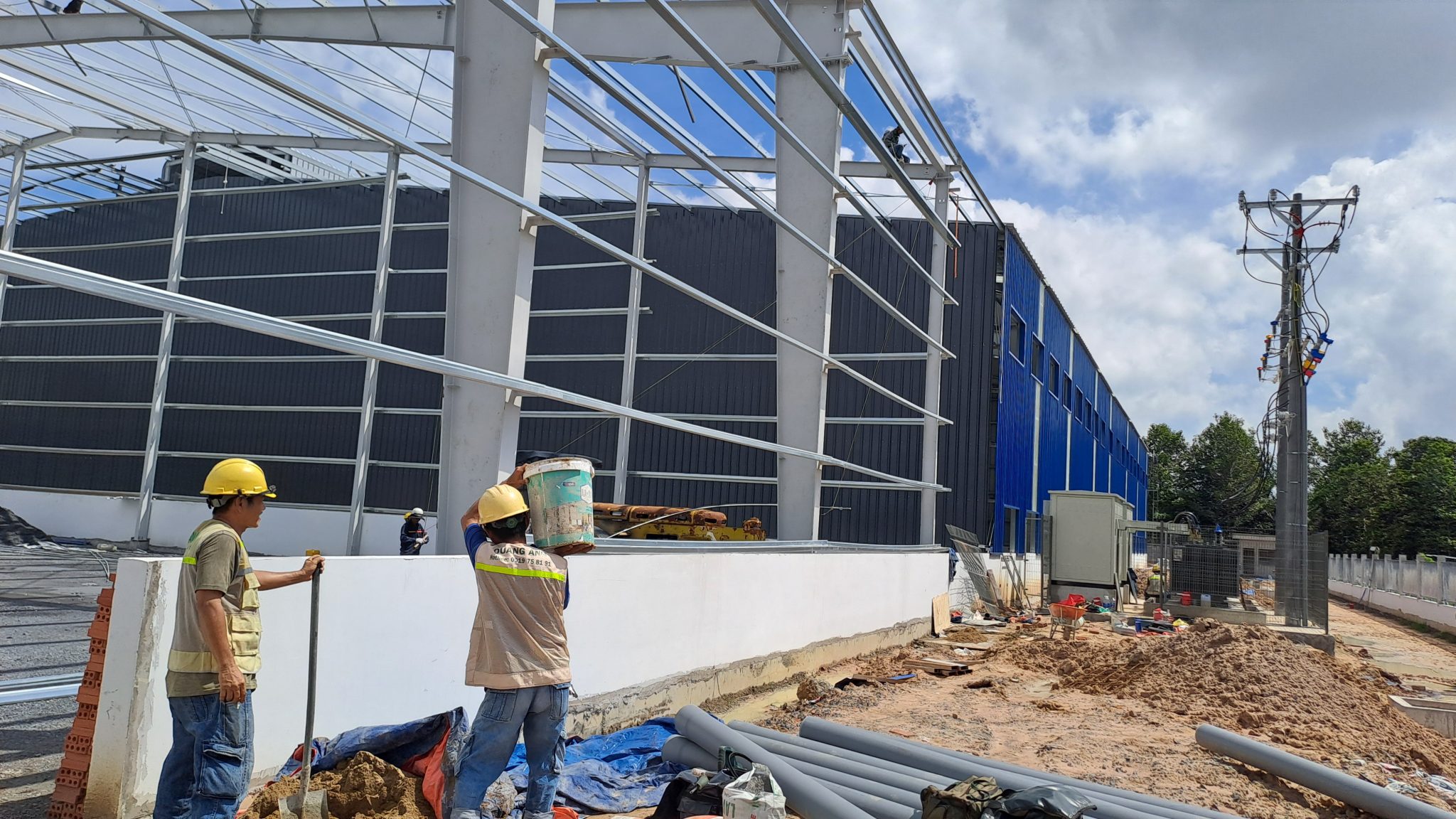
Regular transformer station repair ensures equipment performance and longevity. Investing in professional maintenance provides long-term technical and cost benefits.
Contact QuangAnhcons via Hotline: +84 9 1975 8191 for high-quality transformer station repair service.
QuangAnhcons provides professional maintenance and repair services for transformer stations, optimizing your electrical system with reasonable costs.
Substation budget estimate
Select the capacity, route lengths and package to view your indicative budget and electrical parameters.
Request a project quotation
Send your project details, BOQ or drawings to request a formal quotation. Fields marked * are required.
Quotation scope
Applies to one EVN-supplied substation with oil-immersed transformers at 22/0.4 kV (single-phase: 12.7/0.23 kV), with MV metering VTs/CTs supplied by EVN. The estimate includes the selected equipment, installation, earthing, transformer-to-main-breaker connections, design and connection documentation, and coordination of testing and utility acceptance.
Kiosk, integrated steel-pole and indoor substations include MV switchgear and the entered underground cable route. Other outdoor arrangements use the relevant protection configuration. The final diagram must meet the project connection requirements.
Excludes VAT, cables from the substation switchboard to the MSB/loads, live-line work, harmonic reactors, weak-ground treatment or special piling, land and special fire-protection provisions. Underground routes assume normal construction conditions and exclude road drilling and special reinstatement.
Prices are indicative investment budgets. A formal quotation follows site assessment and agreement on the configuration. Electrical selections are preliminary and require design verification before installation.
Capacity range and application conditions
The catalogue defines the enquiry range of this tool, not universal TCVN capacity limits. Single pole-mounted transformers: 15–100 kVA; three-unit banks: 3×15–3×100 kVA. Platform substations: 100–630 kVA. Steel-pole substations: 100–630 kVA; 750/800 kVA require design verification and local approval. Ground-mounted, kiosk and indoor configurations: 50–10,000 kVA. Not every configuration has a package price or the same structural design.
Reference: EVN Decision 1299/QD-EVN dated 3 November 2017, Volume 1, sections 3.3–3.4. Check the current requirements of the responsible utility before implementation. Kiosks must meet manufacturer ratings and testing requirements (IEC 62271-202); indoor and ground-mounted arrangements must meet project layout, ventilation, structural and fire-protection requirements. For multiple transformers, specify the quantity and capacity of each unit.
Developed by QuangAnhcons · © 2026 QuangAnhcons. Code licensed under GPL-2.0-or-later. Standards and manufacturer data belong to their respective owners.