
 Tiếng Việt
 简体中文
简体中文 Deutsch
 日本語
日本語 한국어
한국어 ไทย
ไทย Русский
 Français

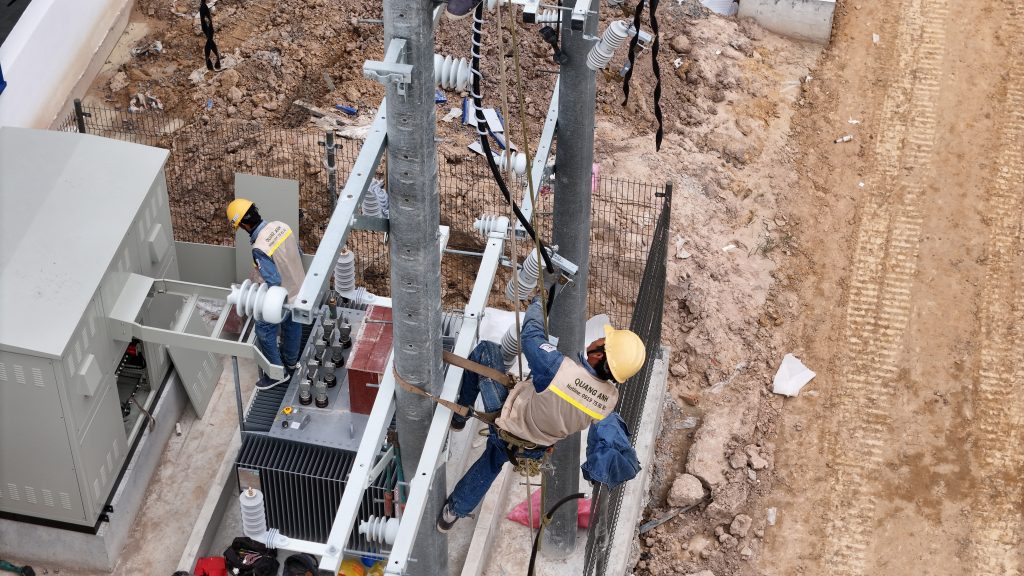
The repair of transformers in industrial zones requires extensive knowledge of maintenance and periodic inspection processes. Minor and major overhauls require highly skilled technicians and adherence to standards.
Minor and Major Transformer Overhaul: Process and Techniques
To ensure the durability and efficiency of transformers, performing minor and major overhauls is necessary for transformer maintenance. Minor overhauls include tasks such as insulation testing and replacing damaged components. Major overhauls involve disassembling, cleaning, and replacing all parts according to a plan. Both processes emphasize inspection of electrical equipment to ensure precision operation.
Minor and major transformer overhauls play an essential role in maintaining the stability and operational efficiency of electrical systems. The minor overhaul process includes inspection and repair of minor damages without dismantling the core, allowing for early problem resolution. Significant steps in the minor overhaul include:
- Check and repair minor external damages.
- Clean the machine casing and related parts such as oil porcelain insulators.
- Flush out contaminants and replenish oil in the auxiliary oil tank, as well as clean water pipes and check the oil level gauge.
- Replace silica gel in the thermal siphon and respirator tank.
- Inspect valves, gaskets, cooling systems, especially fan motor bearings.
- Check protective devices and lightning protection, as well as automatic voltage regulators.
- Clean input bushings and change oil in partitions if open type.
Major transformer overhauls require a more complex process aimed at fully repairing or restructuring the system. There are two main types of major overhauls:
- Periodic Major Overhaul: Disassembly of the machine core and drying, comprehensive inspection and repair.
- Restorative Major Overhaul: Focuses on coil rewinding, restoring iron cores and failed insulation.
The major overhaul process includes:
- Power off and drain all oil from the machine.
- Disassemble the core and inspect each part.
- Plan repair or replacement, including rewinding coils and reclaiming iron cores.
- Reassemble and dry the machine to remove moisture.
- Conduct insulation resistance and load testing.
In both minor and major overhauls, ensuring safety measures such as power-off and grounding must be executed before maintenance. Transformers should have porcelain insulation cleaned meticulously and oil quality checked to assess the machine condition. Transformer repair needs to be carried out by highly skilled technicians to ensure safety and effectiveness.
In summary, both minor and major transformer overhauls are aimed at restoring and enhancing the original technical parameters of transformers, allowing them to operate reliably and safely, thus ensuring optimal operation for the electrical grid.
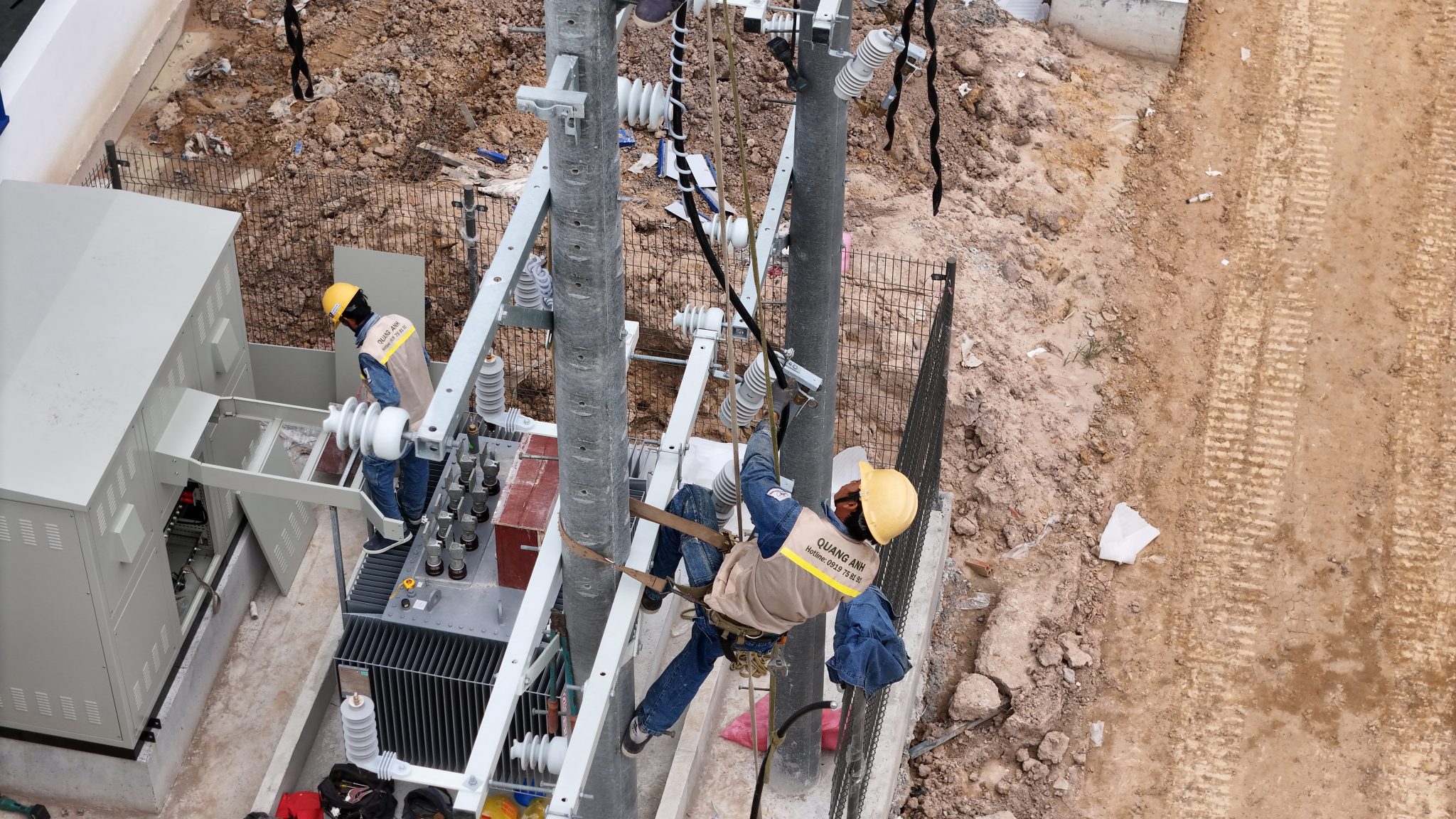
Regular Maintenance and Repair Process for Transformers
Transformer maintenance is an essential task to extend equipment lifespan. The repair process includes periodic inspections and maintenance of mechanical and electrical parts. Repair techniques such as replacing insulating oil and surface cleaning guarantee smooth and efficient transformer operations. Regular electrical equipment inspections also help detect any abnormalities early before they lead to significant failures.
Ensuring the efficient and stable operation of transformers is a top priority for industry leaders in the electrical sector. Transformer maintenance processes typically include several intricate technical steps, from periodic checks to regular repairs, all aiming to extend lifespan and maintain optimal performance.
-
Periodic Checks
Regular checks are conducted quarterly, including:
- Checking oil levels in the main and reserve tanks to ensure insulating oil helps the transformer operate well.
- Replacing silica gel in desiccants when it turns pink to prevent humidity.
- Detecting and promptly fixing oil leaks to ensure no impact on the transformer’s performance.
- Fully recording inspection results in an operating logbook to track the transformer’s condition.
-
Regular Maintenance
Conducted every six months or as per the specified cycle, regular maintenance is crucial:
- Thorough cleaning of the transformer including parts like cooling fans, magnetic cores, and high/low voltage connections.
- Tightening cable connectors to ensure good contact, thereby improving performance.
- Checking and assessing the machine’s operating temperature to prevent overheating.
- Testing insulating oil samples to ensure no dielectric failures occur.
- Checking insulation indices between parts to identify any risk of failure.
- Cleaning other parts like bushings, control cabinets, and circuit boards to maintain stable operations.
-
Periodic Major Overhaul
Conducting periodic major overhauls every 8 to 12 years is necessary:
- Replacing insulating oil to ensure dielectric quality.
- Drying the transformer to remove moisture as per technical standards.
- Disassemble for inspection, repair, and replacement of faulty parts.
- Testing all technical parameters to ensure the transformer is ready to resume normal operations.
- Checking and comparing technical data with operational records for accurate device evaluation.
-
Other Important Tasks
Additional essential activities in the transformer maintenance process:
- Survey and detailed analysis of operating conditions to evaluate overall performance.
- Consulting and improving substation layouts to maintain long-term stability.
- Cleaning and tightening connectors, cable joints, to avoid issues due to poor contact.
- Monitoring oil temperature and control system operations to detect early signs of anomalies.
This regular maintenance and repair process not only helps transformers operate efficiently but also increases device longevity and saves unexpected repair costs.
Periodic Evaluation and Inspection for Transformers in Industrial Zones
Regular evaluation of transformer conditions through the inspection of insulation systems and electrical parts is necessary to maintain stable operations. This process includes measuring and recording performance degradation to facilitate timely maintenance or repairs. The repair process for transformers in industrial zones specifically targets minimizing failure risks, ensuring continuous production activity.
Periodic evaluation and inspection of transformers in industrial zones as regulated by Circular 33/2015/TT-BCT are mandatory. This process includes critical steps to ensure the maximum lifespan and efficiency of transformers.
Inspection and Maintenance Process
Inspection and transformer maintenance are carried out according to a detailed process, including steps of checking external conditions like casing and corrosion signs. Key aspects include:
- Insulation resistance, coil winding resistance, and dielectric strength are measured to ensure industrial electrical safety.
- The operation of protective parts and safety mechanisms is also checked to optimize performance.
Types of Transformer Inspections
Transformer inspections are categorized into initial, periodic, and extraordinary inspections:
- Initial Inspection: Conducted before putting the transformer into operation.
- Periodic Inspection: Conducted every 36 months at most for the transformer and related electrical equipment.
- Extraordinary Inspection: Conducted upon request from regulatory authorities or after incidents.
Periodic Maintenance
Periodic transformer maintenance is typically performed on a 3-month basis (inspection) and 6-month basis (maintenance). Maintenance tasks include checking insulating oil levels (MOG), checking for oil leaks, and replacing desiccants according to color change.
Inspection Frequency
The frequency of transformer inspections is determined by capacity and operating conditions:
- Transformers with a capacity of 3150 kVA or more at unmanned stations should be checked at least every 10 days.
- Smaller transformers are inspected more flexibly, monthly or quarterly depending on installation location.
Detailed Inspection Content
Each inspection includes detailed checks such as:
- Inspection of the exterior equipment, reinforcing parts.
- Measurement of insulation resistance and contact resistance.
- Leakage current measurement and dielectric strength testing.
- Measurement of parameters for protective devices and speed regulators.
Inspection methods include direct observation and the use of specialized tools to ensure accuracy and safety.
Investing in transformer repair processes in industrial zones not only ensures technical performance but also optimizes long-term operational costs. Periodic evaluations and accurate maintenance procedures limit unexpected failures, enhance the system’s credibility and efficiency.
To ensure transformer operational performance and safety, contact QuangAnhcons via Hotline: +84 9 1975 8191 for detailed consultation.
QuangAnhcons provides professional transformer maintenance and repair services, ensuring international standards and safety in execution, optimizing operations in industrial zones.
Substation budget estimate
Select the capacity, route lengths and package to view your indicative budget and electrical parameters.
Request a project quotation
Send your project details, BOQ or drawings to request a formal quotation. Fields marked * are required.
Quotation scope
Applies to one EVN-supplied substation with oil-immersed transformers at 22/0.4 kV (single-phase: 12.7/0.23 kV), with MV metering VTs/CTs supplied by EVN. The estimate includes the selected equipment, installation, earthing, transformer-to-main-breaker connections, design and connection documentation, and coordination of testing and utility acceptance.
Kiosk, integrated steel-pole and indoor substations include MV switchgear and the entered underground cable route. Other outdoor arrangements use the relevant protection configuration. The final diagram must meet the project connection requirements.
Excludes VAT, cables from the substation switchboard to the MSB/loads, live-line work, harmonic reactors, weak-ground treatment or special piling, land and special fire-protection provisions. Underground routes assume normal construction conditions and exclude road drilling and special reinstatement.
Prices are indicative investment budgets. A formal quotation follows site assessment and agreement on the configuration. Electrical selections are preliminary and require design verification before installation.
Capacity range and application conditions
The catalogue defines the enquiry range of this tool, not universal TCVN capacity limits. Single pole-mounted transformers: 15–100 kVA; three-unit banks: 3×15–3×100 kVA. Platform substations: 100–630 kVA. Steel-pole substations: 100–630 kVA; 750/800 kVA require design verification and local approval. Ground-mounted, kiosk and indoor configurations: 50–10,000 kVA. Not every configuration has a package price or the same structural design.
Reference: EVN Decision 1299/QD-EVN dated 3 November 2017, Volume 1, sections 3.3–3.4. Check the current requirements of the responsible utility before implementation. Kiosks must meet manufacturer ratings and testing requirements (IEC 62271-202); indoor and ground-mounted arrangements must meet project layout, ventilation, structural and fire-protection requirements. For multiple transformers, specify the quantity and capacity of each unit.
Developed by QuangAnhcons · © 2026 QuangAnhcons. Code licensed under GPL-2.0-or-later. Standards and manufacturer data belong to their respective owners.