
 Tiếng Việt
 简体中文
 Deutsch
 日本語
 한국어
 ไทย
 Русский
 Français


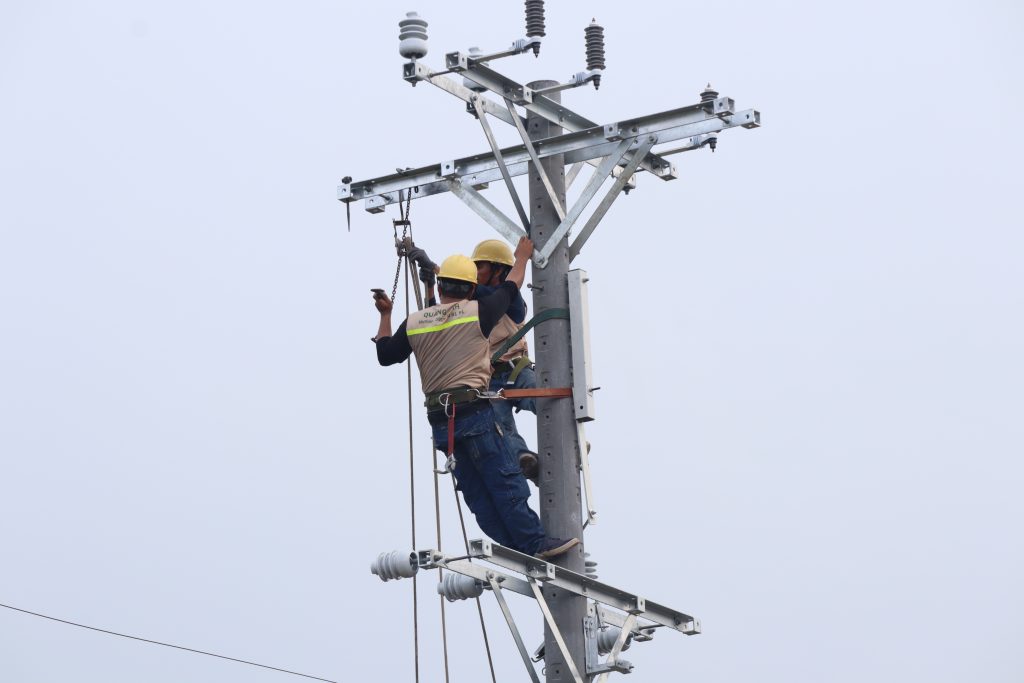
Transformer repair services in Dong Nai include minor maintenance, regular major overhauls, and restoration overhauls, ensuring transformers operate safely and efficiently for a long time.
Minor maintenance process of the transformer
Minor maintenance of transformers is the first step in the transformer repair process in Dong Nai. This process includes external inspection and repair of minor damages without the need to drain oil or open the transformer core. Additionally, cleaning the transformer casing and parts like ancillary oil tanks is carried out, along with sludge drainage in the oil tanks to maintain optimal operating efficiency.
In the construction and energy fields, the minor maintenance process of transformers plays a critical role in ensuring electrical system safety and efficiency. As a light repair form, it does not require oil drainage or opening the transformer core and is usually executed swiftly without affecting system operation.
This process includes the following steps:
- External inspection and handling of minor damages: Issues like small leaks, cracks in the casing, or accessories are repaired immediately to prevent larger damages.
- Transformer cleaning: Cleaning the casing, oil insulators, and exterior surfaces to prevent dirt affecting insulation efficiency.
- Sludge drainage and oil addition: Performing sludge drainage and adding oil in ancillary oil tanks, as well as flushing sight glasses and checking oil gauge levels.
- Silica gel replacement: In thermal siphons and breather tanks, replacing silica gel is necessary to limit moisture and protect the insulation system.
- Valve and gasket inspection: Detecting and replacing leaks or damages to ensure airtight system.
- Cooling system: Cleaning and checking the entire system, adding lubricant to motor bearings as needed to maintain stable temperatures.
- Protection and lightning equipment: Checking explosion-proof membranes and protection devices to ensure transformer safety during incidents.
- Input insulator inspection: Paying close attention to open type oil insulators to ensure they operate well.
Additionally, other tasks need to be done such as:
- Inspecting and cleaning related measuring and control devices like circuit breakers, isolating switches, and connector cables to ensure system synchronous and safe operation.
- Maintaining ancillary oil tanks and related components to sustain oil quality and insulation capacity.
- Repairing and checking the cooling system and dehumidifying equipment to maintain the optimal performance of the transformer.
The minor maintenance process not only helps in early detection and repair of small damages but also prolongs the device’s lifespan, reducing risks and serious incidents.
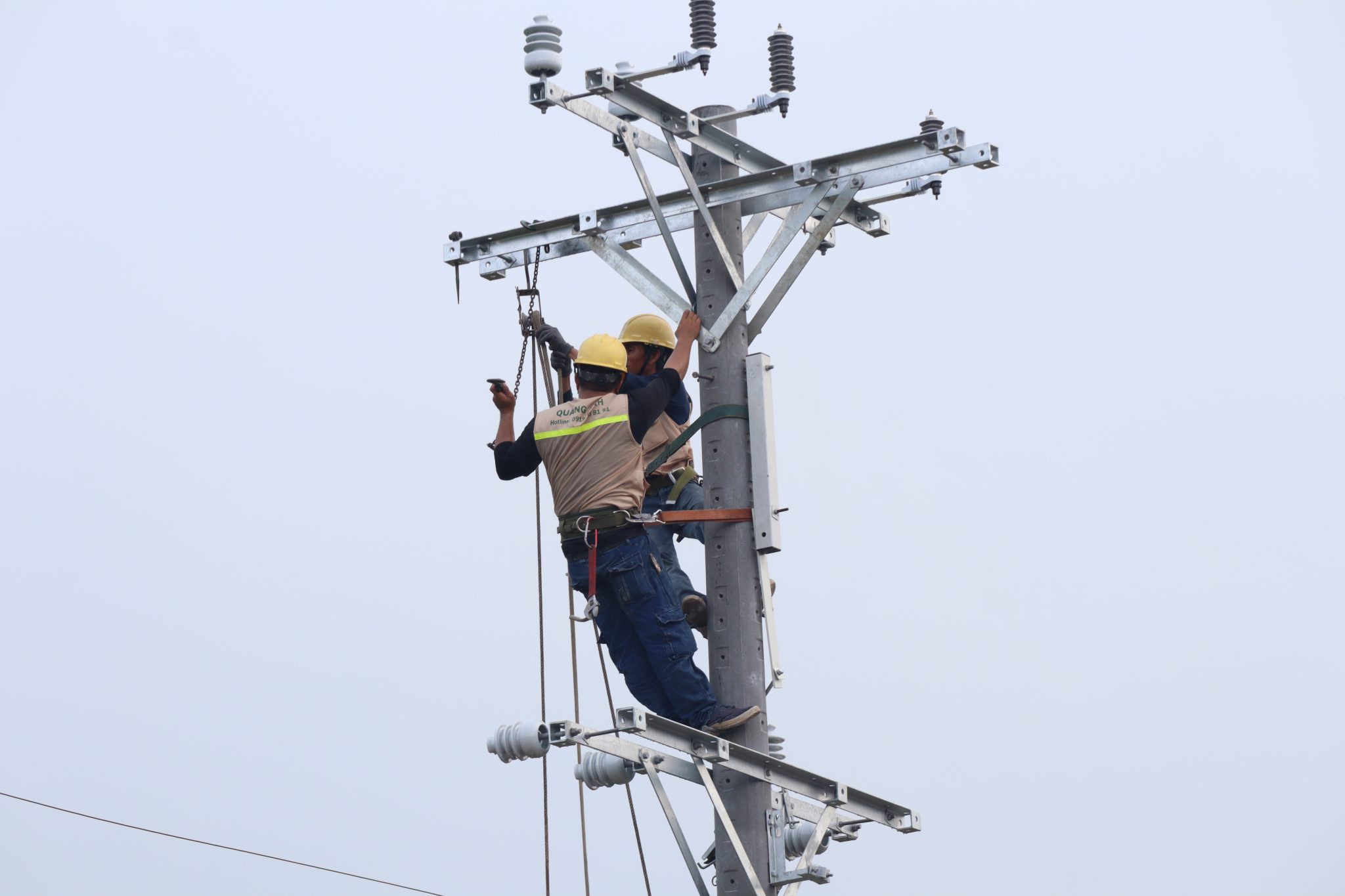
Regular major overhaul and restoration for transformer
Regular major overhaul and restoration is a more intensive repair level in Dong Nai. This process demands draining or removing the transformer core from the casing for comprehensive inspection and repair, including drying steps to restore the insulation of windings. Restoration overhaul also includes restoring or replacing damaged windings, repairing the core, and improving insulation for the iron sheets within the transformer, thus making the transformer more durable and stable.
Major overhaul of transformers is a crucial process to ensure device performance and durability throughout its operation. When performed periodically, a major transformer overhaul not only examines and evaluates the overall transformer condition but also implements necessary repair measures. Below are the main details of this process.
Regular major overhaul of transformer
- Execution time:
- Major overhaul is usually performed after 8-12 years of operation, depending on the age and condition of the transformer.
- This process can be flexibly adjusted according to experimental results and actual conditions.
- Purpose:
- To inspect and assess the comprehensive state of the transformer, early detection of potential failures to ensure stable and safe operation.
- Main process:
- Comprehensive survey: Including high voltage, low voltage, and core inspection.
- Transformer oil processing: Draining and extracting transformer oil, filtering or replacing insulating oil to ensure oil quality.
- Drying: Drying the core to remove moisture, enhancing transformer insulation.
- Inspection of auxiliary components: Tightening and maintaining cables and components such as insulators, safety valves…
- Cleaning: Cleaning the transformer core, cables, and parts like cooling fans.
- Technical testing: Ensuring the machine meets technical standards after overhaul.
- Note: The process requires a specialized engineering team to ensure effectiveness and safety.
Restoration overhaul of transformer
-
Purpose:
-
Performed when the transformer encounters severe issues, like winding damage or when upgrading, renovation is needed.
-
Restore performance and extend the lifespan of the transformer.
-
Content:
-
Perform repair and replacement of damaged parts.
-
Can extract the core or disassemble components for thorough inspection and repair.
-
Execution time:
-
After technical incidents or when needing to upgrade to reuse effectively.
Additional notes
-
Minor maintenance:
-
Perform annual periodic maintenance to maintain machine condition and minimize major damages.
-
Transformer oil testing:
-
Regular sampling for quality inspection, minimizing contamination and oil functionality degradation.
-
Inspection of auxiliary equipment:
-
Safety valves, relays, temperature measuring devices need maintenance to ensure safety and accurate operation.
Regular inspection and maintenance of transformer.
In transformer repair services in Dong Nai, regular inspection and maintenance play a crucial role in ensuring the safe operation capability of the transformer. This process includes visual inspection of the casing, insulators, noise levels, and protection devices like gas relays and safety valves. Besides, checking oil quality and the cooling system is also a frequent task, aiming to regenerate oil and maintain stable voltage. Checking the connection and grounding system is an indispensable step to ensure the electrical system operates safely and efficiently.
Transformer inspection is an essential process in regular maintenance to ensure high performance and long-term safety for the device. This process is divided into several detailed steps aimed at evaluating and maintaining the essential components of the transformer.
- Surveying operational status: An overall assessment of the transformer status and reviewing operational records to detect potential issues is the initial essential step in transformer inspection.
- Overall cleaning: Cleaning the transformer exterior, including components like high voltage cables, low voltage, cores, and cooling fans to prevent dust accumulation affecting the transformer’s cooling system.
- Inspection and tightening of connections, terminals: Ensure secure connections to minimize incidents due to loosening or oxidized contact points.
- Insulation Testing: Measuring insulation resistance between components to detect signs of degradation, ensuring safe transformer operation.
- Transformer oil analysis: Conducting oil quality checks, including moisture and dissolved gas content to ensure transformer oil quality and replace when needed.
- Oil level check, silica gel replacement: Maintaining oil level and replacing silica gel to ensure optimal insulation for the oil.
- Operational temperature check: Monitoring oil and thermal indicators to prevent overheating affecting windings and insulation.
- Checking control components: Ensure control units, AC/DC source, and circuit boards function properly to prevent proactive faults.
- Performing regular major overhaul: A necessary process after 8-12 years of use to renew insulating oil, dry the core, and perform basic checks.
Frequency of execution:
- Regular check every 3 months to record operational status.
- In-depth periodic maintenance every 6 months or as recommended by the manufacturer.
- Comprehensive major overhaul after approximately 8-12 years of use.
The main causes of maintenance needs might arise from natural wear, inadequate previous maintenance, or environmental impacts. Conducting transformer inspections and regular maintenance is an effective solution to optimize performance, reduce incident risk, and prolong transformer life.
Transformer repair services in Dong Nai provide effective maintenance solutions, ensuring stable operation and avoiding power supply interruptions, bringing technical, investment, and long-term strategic benefits.
Contact QuangAnhcons today via Hotline: +84 9 1975 8191 to learn more about transformer repair services in Dong Nai.
QuangAnhcons provides transformer repair services in Dong Nai with a scientific process and flexible repair levels, from minor maintenance and periodic major overhaul to restoration overhaul, ensuring stable operation and extending device lifespan.
Substation budget estimate
Select the capacity, route lengths and package to view your indicative budget and electrical parameters.
Request a project quotation
Send your project details, BOQ or drawings to request a formal quotation. Fields marked * are required.
Quotation scope
Applies to one EVN-supplied substation with oil-immersed transformers at 22/0.4 kV (single-phase: 12.7/0.23 kV), with MV metering VTs/CTs supplied by EVN. The estimate includes the selected equipment, installation, earthing, transformer-to-main-breaker connections, design and connection documentation, and coordination of testing and utility acceptance.
Kiosk, integrated steel-pole and indoor substations include MV switchgear and the entered underground cable route. Other outdoor arrangements use the relevant protection configuration. The final diagram must meet the project connection requirements.
Excludes VAT, cables from the substation switchboard to the MSB/loads, live-line work, harmonic reactors, weak-ground treatment or special piling, land and special fire-protection provisions. Underground routes assume normal construction conditions and exclude road drilling and special reinstatement.
Prices are indicative investment budgets. A formal quotation follows site assessment and agreement on the configuration. Electrical selections are preliminary and require design verification before installation.
Capacity range and application conditions
The catalogue defines the enquiry range of this tool, not universal TCVN capacity limits. Single pole-mounted transformers: 15–100 kVA; three-unit banks: 3×15–3×100 kVA. Platform substations: 100–630 kVA. Steel-pole substations: 100–630 kVA; 750/800 kVA require design verification and local approval. Ground-mounted, kiosk and indoor configurations: 50–10,000 kVA. Not every configuration has a package price or the same structural design.
Reference: EVN Decision 1299/QD-EVN dated 3 November 2017, Volume 1, sections 3.3–3.4. Check the current requirements of the responsible utility before implementation. Kiosks must meet manufacturer ratings and testing requirements (IEC 62271-202); indoor and ground-mounted arrangements must meet project layout, ventilation, structural and fire-protection requirements. For multiple transformers, specify the quantity and capacity of each unit.
Developed by QuangAnhcons · © 2026 QuangAnhcons. Code licensed under GPL-2.0-or-later. Standards and manufacturer data belong to their respective owners.