
 Tiếng Việt
 简体中文
简体中文 Deutsch
 日本語
日本語 한국어
한국어 ไทย
ไทย Русский
 Français

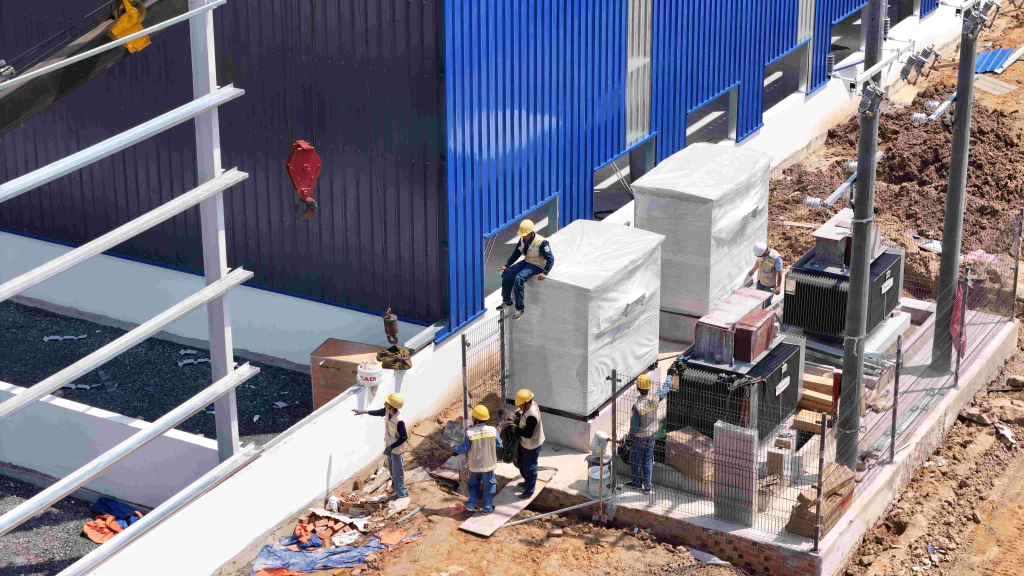
Tính giá điện mặt trời mái nhà
Nhập công suất hoặc diện tích mái để tự động xem cấu hình và giá tham khảo. Không cần thông tin liên hệ.
Cụm tính toán tự động trước khảo sát
Kết quả hiện ở đây khi nhập đủ dữ liệu: diện tích pin, phần phụ trợ, mái cần dùng, tải module, công suất và cấu hình điện.
The EPC contractor for solar power is responsible for everything from design to procurement, construction, and operation of solar energy projects, ensuring economic efficiency and quality.
Responsibilities and Role of the Solar Power EPC Contractor
The solar power EPC contractor plays a decisive role in the design, contracting, and construction of solar power projects. Each project begins with the solar power design phase, optimizing for performance and aesthetics. EPC project management requires experience and effective coordination to ensure schedule and quality. After the construction is completed, contractors often continue to provide operation and maintenance (O&M) services to maintain stable system operation.
Engineering Design
The EPC contractor holds a leading role in the solar power design phase. This work starts with a survey of the terrain and analysis of solar energy conditions at the installation site. From there, they prepare technical drawings and design the solar power system according to the specific requirements of the project and actual conditions. The main goal is to ensure optimal design for high performance and investment efficiency.
Procurement of Equipment and Materials
The procurement process is a crucial part of the EPC contractor’s work. They must search for and select reputable suppliers to purchase the necessary materials and equipment, including solar panels, inverters, and monitoring systems. Supply chain management also aims to ensure project quality, schedule, and cost control.
Construction
In this phase, the EPC contractor installs and constructs the system components, including panels, electrical equipment, and cable systems under strict supervision. Additionally, all work must comply with technical regulations and safety standards to ensure durability and optimal performance. The final step is testing and handing over the project to the investor.
EPC Project Management
The EPC contractor is fully responsible for the project’s schedule, quality, and efficiency. This includes risk management, quality control, and coordination among stakeholders. The ultimate goal is to ensure the solar power project is completed on time and meets technical standards.
Operation and Maintenance
Some EPC contractors provide support services for operating and maintaining the solar power system after handover to ensure stable operation and extend its lifespan.
Difference from Turnkey Contracts
Unlike turnkey contracts, EPC contracts focus on three main aspects: design, equipment supply, and project construction. This does not include investment project planning, marking a clear distinction of responsibilities and rights among project participants.
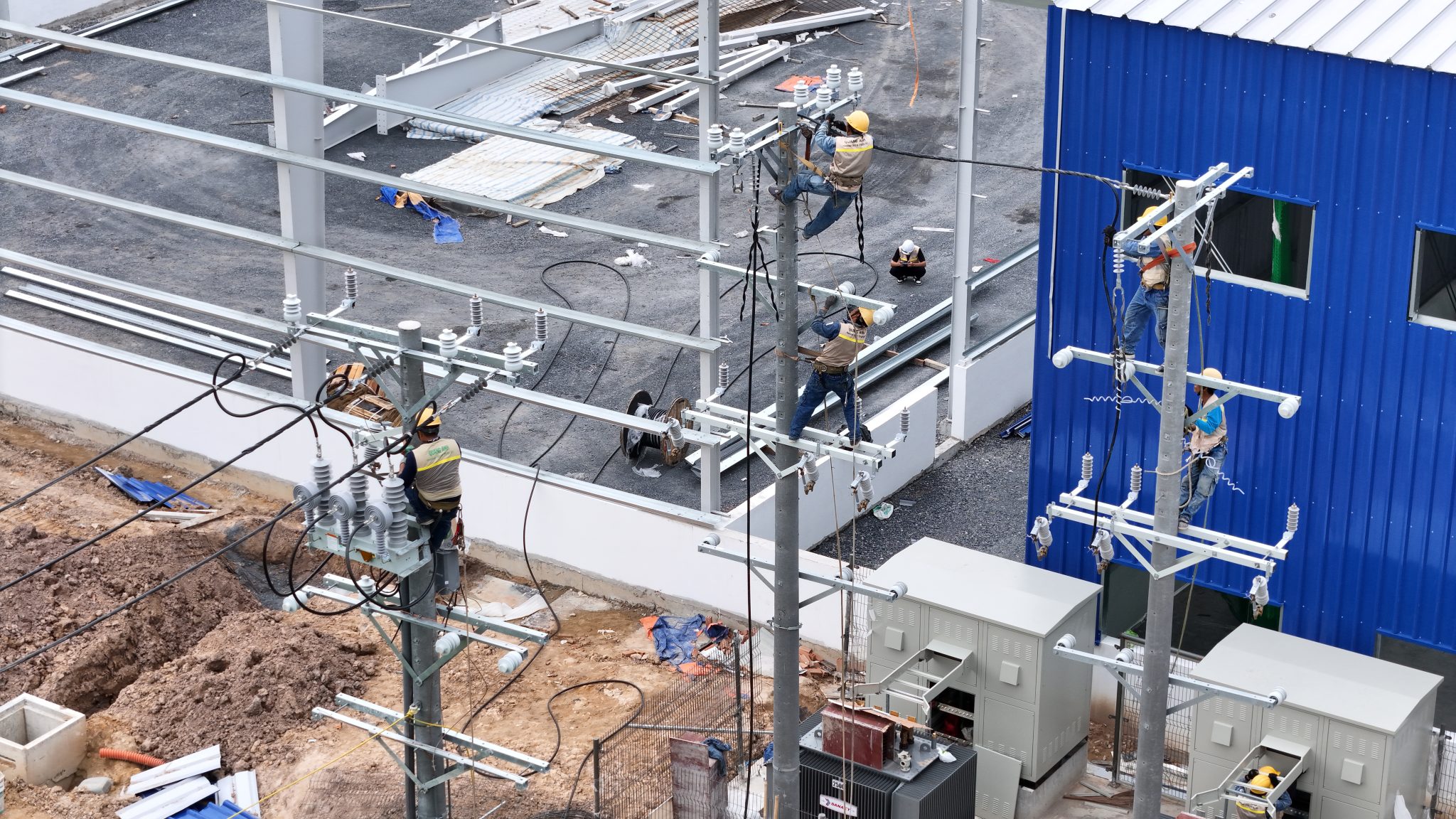
Factors Determining the Choice of EPC Contractors
Factors influencing the choice of solar power EPC contractors usually include extensive experience, service ecosystem, and industry reputation. Contractors need the ability to provide comprehensive solutions, from finance to technology, to meet the renewable energy project requirements. Particularly, the diversity in capability from small to large-scale projects is a plus for reputable EPC contractors.
Selecting an EPC contractor for renewable energy projects, such as solar power, demands careful consideration based on many key criteria. An EPC contract must have a clear scope of work, including items from design, procurement to construction. This helps EPC contractors manage projects effectively, ensuring technical criteria and good schedule control.
A vital factor is the professional EPC project management process. Contractors have a strict management system to control the project’s schedule, quality, and costs, meeting the investor’s requirements perfectly from design to acceptance.
Contractor experience is also a critical criterion. Practical experience from completed projects demonstrates competence and reduces risks for investors. Success from previous projects is evidence of capability to provide optimal solutions with proven quality over time.
The quality of EPC technology and the reliability of equipment are essential. This requires contractors to use advanced technology and reliable equipment from prominent brands like ABB, Mitsubishi, Schneider, etc., to ensure project efficiency and durability.
Moreover, contractors need effective integration and coordination among phases: from design, material supply, construction to subcontractor management. This ability optimizes costs and project completion time.
The capability to proactively design and construct provides significant flexibility for EPC contractors, saving time and increasing creativity during the project implementation.
Finally, selecting EPC contractors should align with the bidding criteria under legal regulations, ensuring compliance with technical standards, experience, and pre-established financial capability.
Trends and Technical Standards in Solar Power EPC Market
Current trends in solar power EPC contracting include applying technological innovations and high technical standards to enhance project efficiency. Contractors continuously innovate in solar power design and construction, utilizing advanced techniques and new management technologies. The shift to integrated services like O&M and financial solutions also marks an essential trend in the industry.
The solar power industry in Vietnam is witnessing a strong transition with the development of renewable energy as the central focus. Solar power EPC contractors are aiming for sustainable energy use to reduce supply-demand pressure, encouraging investment through the expansion of Power Plan VIII.
A noteworthy trend in the solar power EPC industry is the increase in scale and diversity of project types. Large projects like hundreds of MW solar farms and rooftop solar systems are becoming increasingly popular. Integrating diverse technologies, such as combining solar and wind power, also contributes to the efficiency of this system.
Besides, integrating energy storage systems (ESS) is indispensable, with the storage system ratio expected to exceed 30% by 2025. This not only stabilizes the grid but also minimizes peak shaving, improving operational reliability.
Digitization and smart solar power development are also playing crucial roles as virtual power plants and smart management technology help optimize operation and system connectivity. This is particularly important as renewable energy sources experience significant fluctuations.
Technical standards for solar power in the Vietnamese EPC market include:
-
Closed EPC process: Includes steps from engineering design, equipment supply, construction, acceptance to synchronous operation. Each step must ensure high progress and quality.
-
Design and construction: Must strictly adhere to regulations set by the Ministry of Industry and Trade and the national electricity plan.
-
Standard-compliant equipment: Solar panels, inverters, storage units, substations, and power lines must meet IEC or TCVN standards.
-
Operational and performance testing: The system must achieve committed power and be remotely monitored to ensure maximum performance.
-
Energy storage system integration: Safety, lifespan, and battery performance requirements need to be ensured for seamless coordination with the national grid.
-
Risk management: Optimizing to minimize environmental impact and labor safety protection is mandatory in all phases.
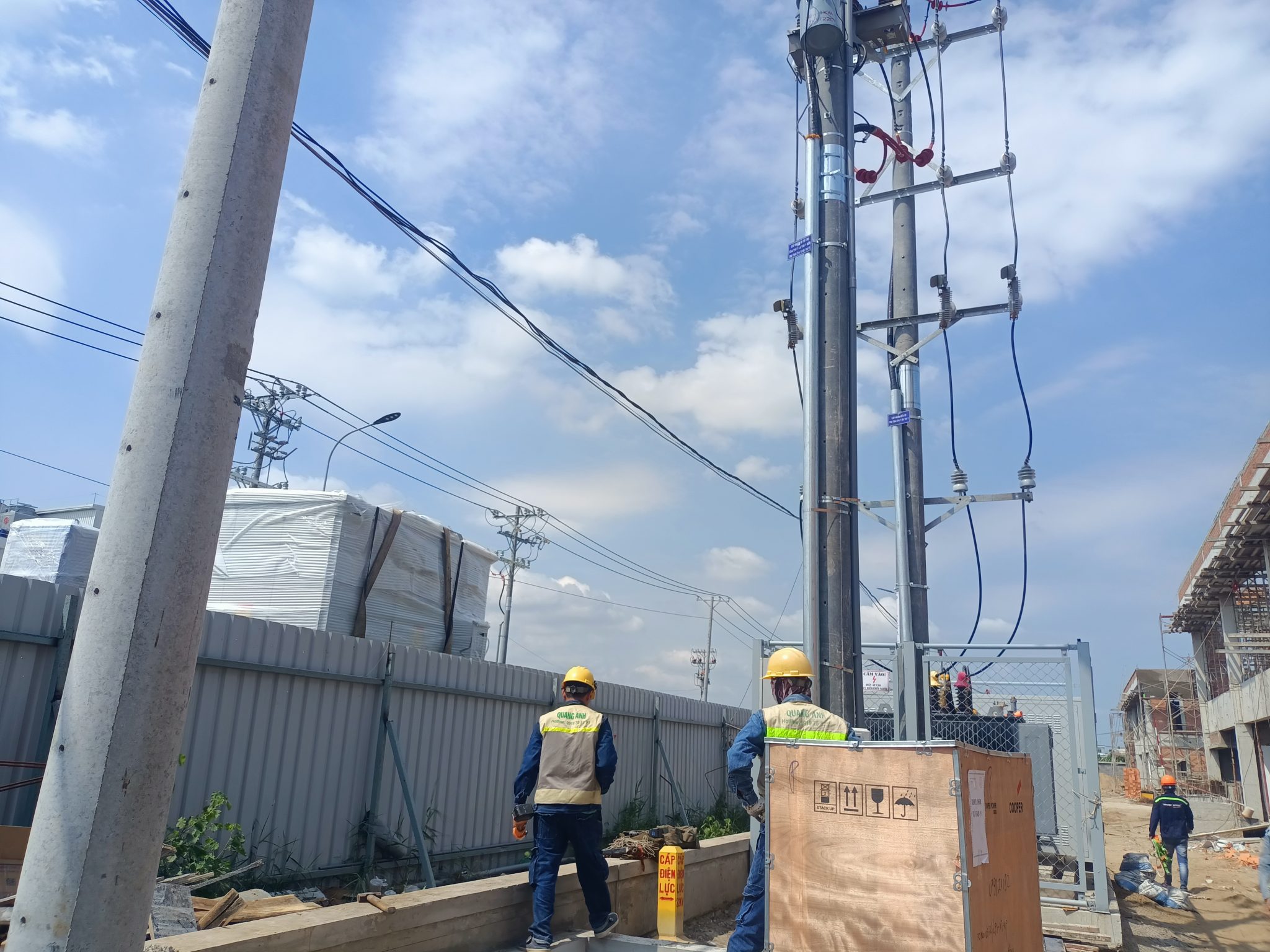
The solar power EPC contractor offers optimal benefits in terms of technology, investment, and strategy for businesses. With a range of integrated services and quality commitments, contractors are increasingly important in promoting sustainable development for the renewable energy sector.
Explore optimal energy solutions with QuangAnhcons. Contact via Hotline: +84 9 1975 8191 for consultation today.
QuangAnhcons specializes in providing EPC contractor services for solar power from design to operation, ensuring high quality and efficiency for customer projects.
Substation budget estimate
Select the capacity, route lengths and package to view your indicative budget and electrical parameters.
Request a project quotation
Send your project details, BOQ or drawings to request a formal quotation. Fields marked * are required.
Quotation scope
Applies to one EVN-supplied substation with oil-immersed transformers at 22/0.4 kV (single-phase: 12.7/0.23 kV), with MV metering VTs/CTs supplied by EVN. The estimate includes the selected equipment, installation, earthing, transformer-to-main-breaker connections, design and connection documentation, and coordination of testing and utility acceptance.
Kiosk, integrated steel-pole and indoor substations include MV switchgear and the entered underground cable route. Other outdoor arrangements use the relevant protection configuration. The final diagram must meet the project connection requirements.
Excludes VAT, cables from the substation switchboard to the MSB/loads, live-line work, harmonic reactors, weak-ground treatment or special piling, land and special fire-protection provisions. Underground routes assume normal construction conditions and exclude road drilling and special reinstatement.
Prices are indicative investment budgets. A formal quotation follows site assessment and agreement on the configuration. Electrical selections are preliminary and require design verification before installation.
Capacity range and application conditions
The catalogue defines the enquiry range of this tool, not universal TCVN capacity limits. Single pole-mounted transformers: 15–100 kVA; three-unit banks: 3×15–3×100 kVA. Platform substations: 100–630 kVA. Steel-pole substations: 100–630 kVA; 750/800 kVA require design verification and local approval. Ground-mounted, kiosk and indoor configurations: 50–10,000 kVA. Not every configuration has a package price or the same structural design.
Reference: EVN Decision 1299/QD-EVN dated 3 November 2017, Volume 1, sections 3.3–3.4. Check the current requirements of the responsible utility before implementation. Kiosks must meet manufacturer ratings and testing requirements (IEC 62271-202); indoor and ground-mounted arrangements must meet project layout, ventilation, structural and fire-protection requirements. For multiple transformers, specify the quantity and capacity of each unit.
Developed by QuangAnhcons · © 2026 QuangAnhcons. Code licensed under GPL-2.0-or-later. Standards and manufacturer data belong to their respective owners.