
 Tiếng Việt
 简体中文
简体中文 Deutsch
 日本語
日本語 한국어
한국어 ไทย
ไทย Русский
 Français

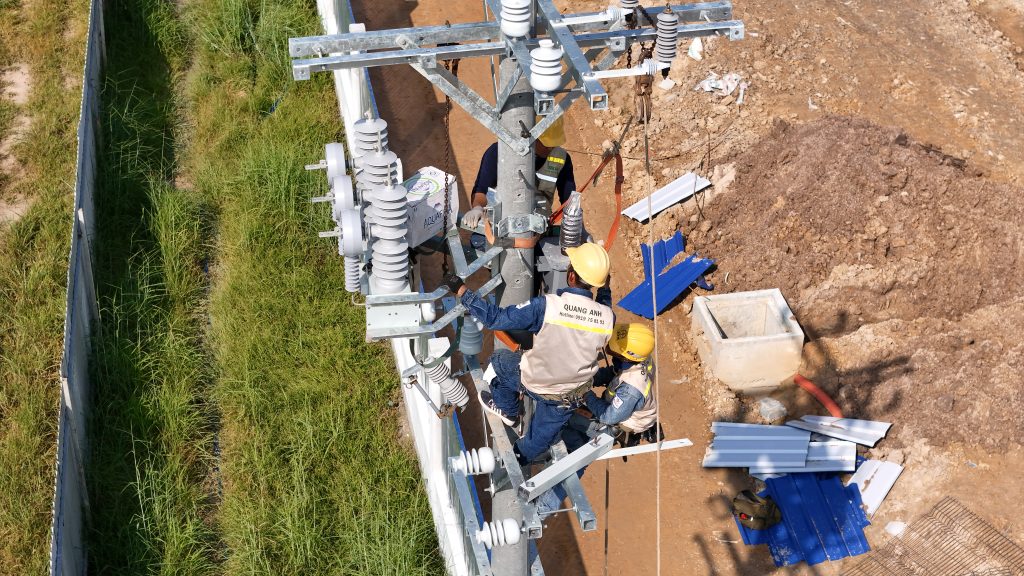
MEP contract costs include design, materials, construction, maintenance, and operation of mechanical, electrical, and plumbing systems for buildings or industrial plants.
MEP Design and Planning Costs
Design and planning costs in MEP contracting include preliminary design, detailed design, and solution analysis. This is the initial phase that plays a crucial role in ensuring the efficiency of the mechanical and electrical systems, directly impacting investment costs. Design costs are usually calculated per square meter and vary depending on the technical requirements of each system, such as electricity, water, air conditioning, etc.
MEP (Mechanical, Electrical & Plumbing) design and planning are essential parts of the construction and operation process, directly affecting the efficiency of mechanical and electrical systems. MEP costs are often significant investments and indispensable for every project.
Factors Affecting MEP Costs
- Type of Building: Buildings such as townhouses, villas, office buildings, or factories have different technical requirements and system scales, leading to significant differences in MEP design costs.
- Scale and Complexity: The construction area, number of floors, energy use needs, and the level of automation in the building are critical in determining the extent of MEP work required.
- Scope of Work: Costs can be basic or detailed, depending on the basic design requirement, detailed design, or full package service from survey to handover.
- MEP Consulting Unit: The reputation, experience, and competency certification of the consulting unit determine the value of MEP consulting services.
- Geographical Area: Cost differences between major cities and suburban areas due to differences in labor costs, management costs, and competition level.
Estimating the Cost of MEP Design
There is currently no specific public price list for MEP design costs in Vietnam. However, this cost can be estimated from the unit price of architectural – structural overall design. Prices range from 40,000 to 400,000 VND/m² depending on the type and specific requirements of the project.
Advanced MEP Design Fee Computation
- Calculating as a % of Building Value: Some international standards apply 2–5% of the building value for MEP design, including electrical, mechanical, HVAC, water supply, drainage, and controls.
- Calculating per m² of Floor Area: For large projects, this cost ranges from 80,000 to 200,000 VND/m² depending on the standard applied.
- Calculating by Service Package: It can be divided into packages such as basic design, detailed design, construction supervision, and acceptance.
Details in MEP Design and Planning
- Electrical System includes distribution network design, lighting, lightning protection, and automatic control.
- Mechanical System (HVAC): Air conditioning, ventilation, and cooling systems are basic categories.
- Water Supply and Drainage System: Includes clean water supply, wastewater, and fire prevention and fighting.
- Technical Coordination: Ensures harmonious integration between different disciplines to avoid spatial conflicts, ensuring aesthetics and safety.
- Implementation Planning: Includes phase allocation, scheduling, and resource forecasting.
General Overview
There is a lack of public data on the specific design costs for MEP in Vietnam. This cost depends on the contract between the investor and the MEP consulting unit, based on scale, complexity, standards applied, and scope of work. International standards such as ASHRAE, IEEE, NFPA, and Vietnamese standards TCVN, QCVN are applied in Vietnam.
The trend towards standardization and transparency in costs is necessary to improve project quality and protect the interests of the stakeholders.
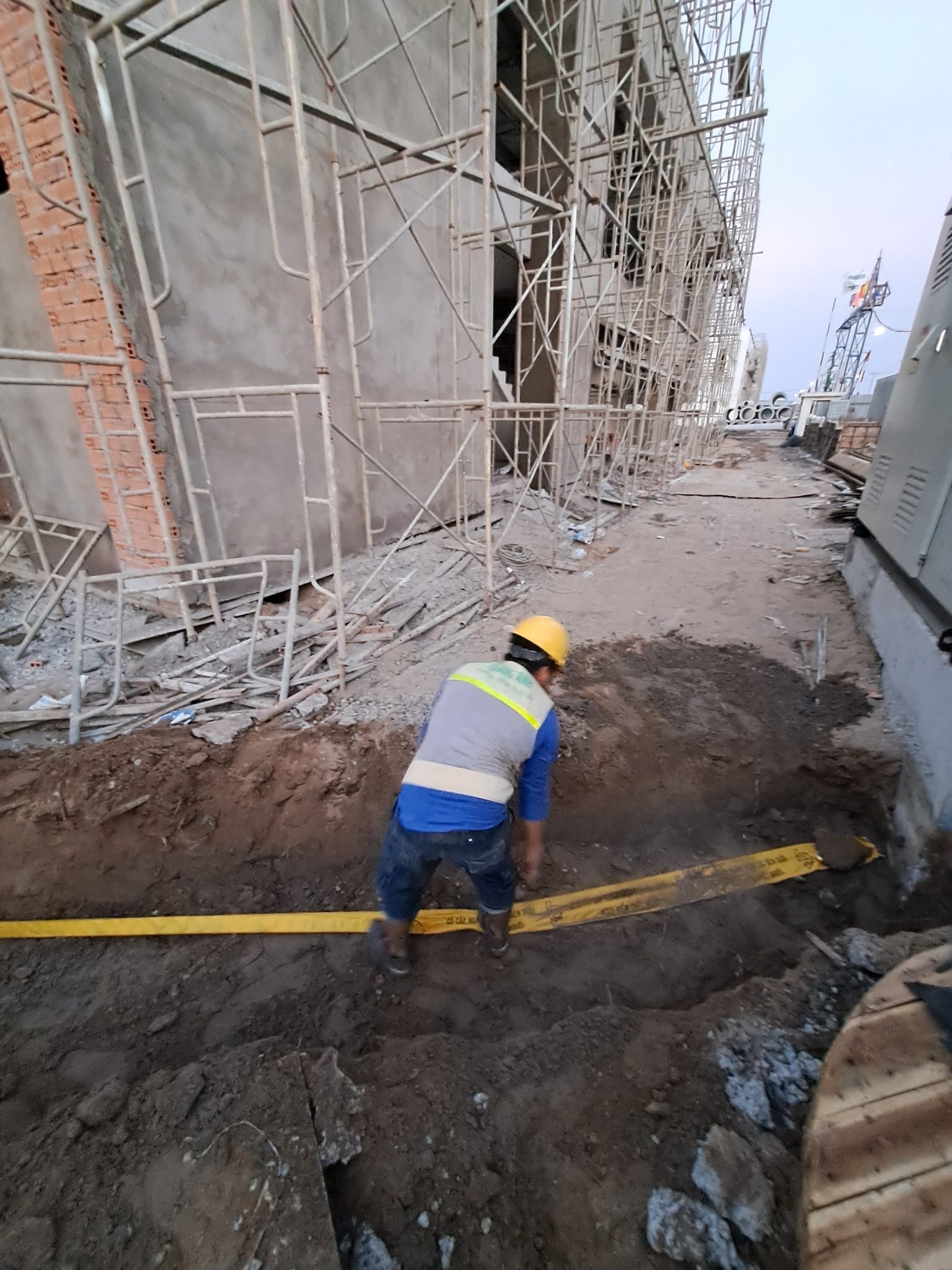
Material and Construction Costs of MEP Systems
Material and construction costs include raw materials, equipment, labor, and transportation needed to install mechanical, electrical, and plumbing systems, light electricity, water supply, drainage, and fire prevention systems. Requiring high precision and efficiency, this cost significantly affects the total MEP cost and the stability of future projects.
In the process of implementing mechanical systems, accurately determining material and construction system costs is extremely important. The mechanical system includes not only lighting, sockets, lightning protection, and transformer stations but also extends to light electrical systems such as Internet and cameras, along with water supply, air conditioning, ventilation, and fire prevention.
- Labor and Construction Costs: Calculated per square meter with a reference price from 160,000 to 200,000 VND/m2, depending on whether wires are adhesive or pulled in a hard conduit. This quotation includes the construction of electrical and water systems, cable TV, and Internet work.
- Material Costs: Exhibit significant variation based on installation methods. Adhesive electrical wires cost approximately 100,000 VND/m2, while wires in hard plastic conduits embedded within walls cost 135,000 VND/m2. Additionally, the cost of water installation and finishing is typically 2,000,000 VND per room, depending on the project’s actual survey.
- Construction Standards: To ensure safe and quality processes, construction must adhere to technical standards such as TCXD 4756:1989 and TCVN 11:2006, ensuring electrical equipment is grounded and electrical installations meet standards.
- Design Costs: Lower than construction costs, typically around 12,000 VND/m2, with completion time ranging from 3 to 10 days.
Accurate estimation of these costs requires considering the scale of the project, the network’s scope, the type of mechanical and electrical materials used, and the level of construction (new, renovated, replacement). Finally, direct surveys and technical quotations from reputable consulting units help businesses ensure feasibility and effectiveness for their projects.
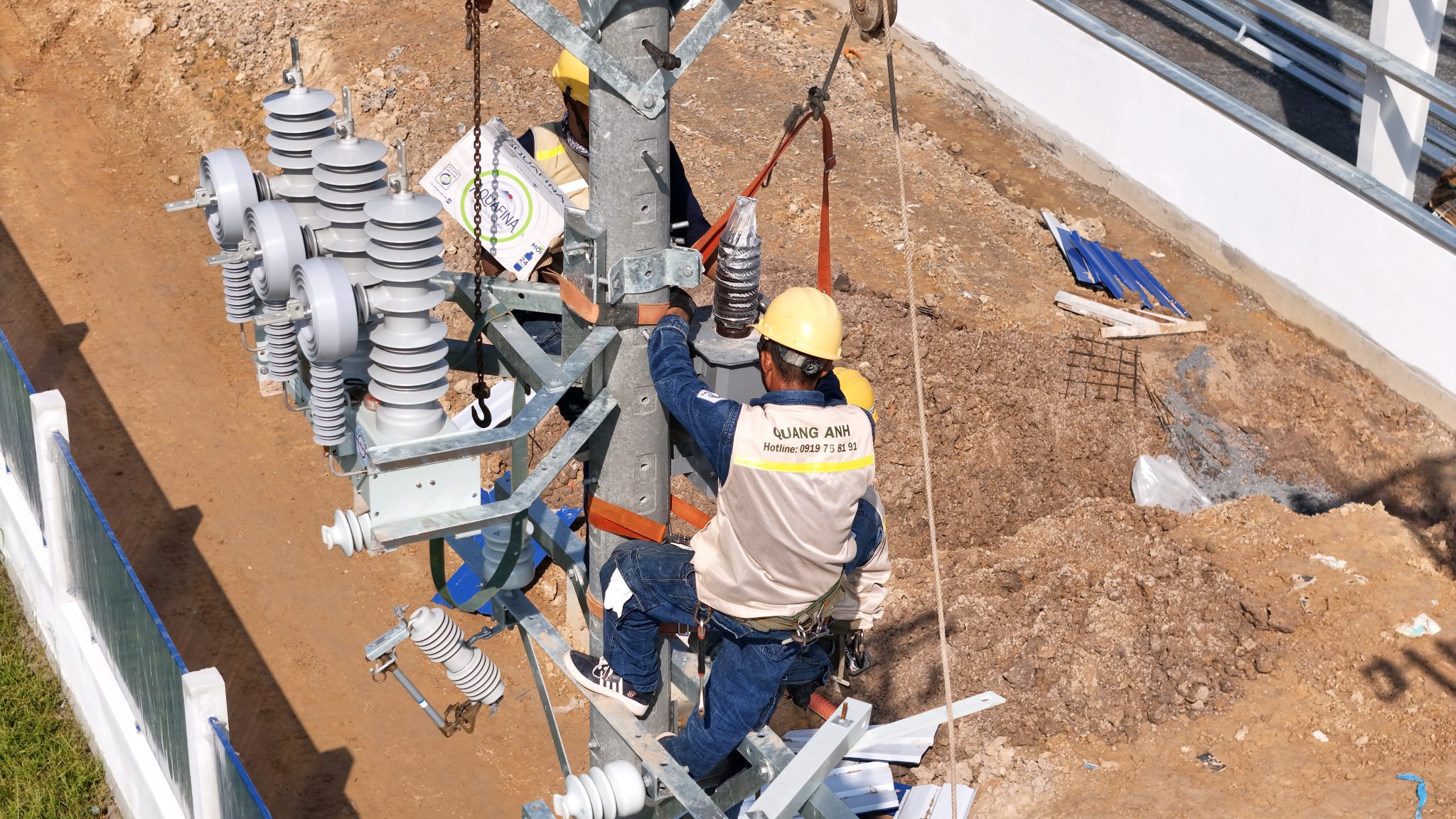
Optimizing MEP Investment and Operating Costs
Optimizing investment and operating costs is a core goal in MEP contracting, helping to balance between initial construction expenses and operating costs. Implementing cutting-edge technical solutions can reduce long-term energy and maintenance costs, ensuring efficient and sustainable operation of mechanical and electrical systems.
Optimizing MEP in construction projects not only brings energy efficiency but also helps balance costs and better management. To optimize costs in the MEP system, selecting high-efficiency equipment is extremely important. Using equipment from ABB, Mitsubishi, Cadivi, and Schneider can help reduce energy consumption and long-term operating costs.
Optimization Methods
- Choosing High-Efficiency Equipment: This is a crucial starting step in the MEP optimization process. High-energy efficiency MEP equipment such as pumps, fans, and air conditioners will help significantly save energy.
- Energy-Saving Design: Designing according to energy-saving standards like ASHRAE or ISO is an effective approach to reducing long-term energy costs and protecting the environment.
- Utilizing Existing Structures: Applying advanced technology and techniques to reuse existing structures reduces material waste, especially when the investment fund is limited.
- Energy Simulation Technology: This technology provides deep insights into building energy performance, aiding in making smart investment decisions and optimizing operating costs.
Benefits of Cost Optimization
- Reducing Operating Costs: By optimizing location and choosing appropriate equipment, annual operating costs can be significantly reduced.
- Increasing Energy Efficiency: The most visible benefit is the improvement in energy efficiency through smart design and advanced equipment installations.
- Environmental Protection: By applying MEP optimization, the long-term negative impacts on the environment are minimized by saving energy and using sustainable materials.
- Compliance with Technical Standards: MEP optimization ensures compliance with technical and legal standards such as fire protection, environment, and electrical safety.
Role of Modern Technology
- BIM (Building Information Modeling) Technology: Build and manage projects more efficiently through accurate 3D models, helping to detect and resolve design issues early.
- Building Management Systems (BMS): BMS not only monitors but also controls MEP systems automatically, optimizing energy savings.
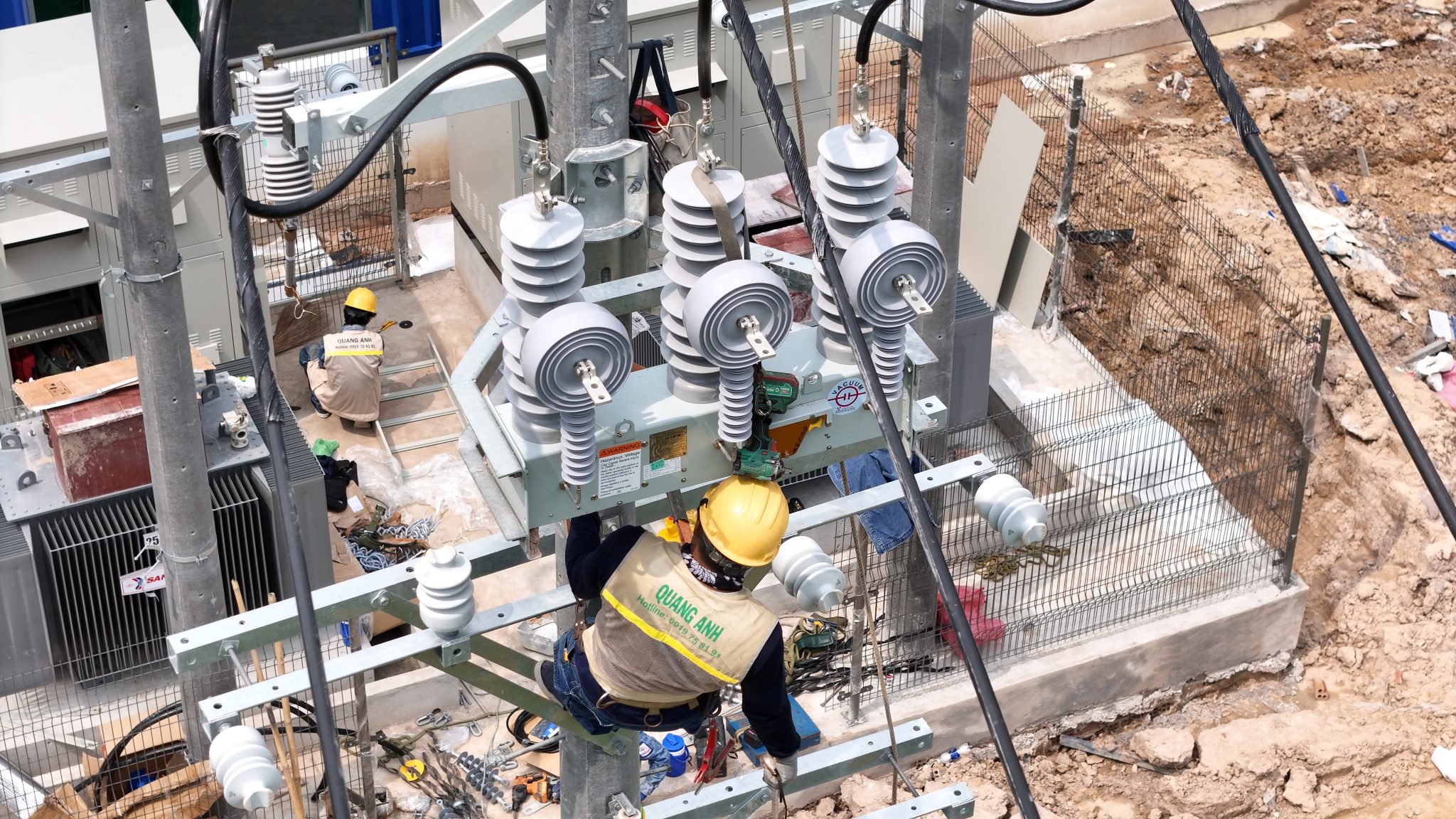
Managing MEP contract costs not only aims at financial savings but also enhances operational efficiency and extends the system’s lifespan. By balancing investment and maintenance costs appropriately, projects will achieve sustainable and long-term efficiency.
Contact QuangAnhcons now via Hotline: +84 9 1975 8191 for detailed consultation on cost-optimized MEP services for your project.
QuangAnhcons provides comprehensive MEP solutions from design, construction to maintenance, ensuring success and effective operation of large construction projects.
Substation budget estimate
Select the capacity, route lengths and package to view your indicative budget and electrical parameters.
Request a project quotation
Send your project details, BOQ or drawings to request a formal quotation. Fields marked * are required.
Quotation scope
Applies to one EVN-supplied substation with oil-immersed transformers at 22/0.4 kV (single-phase: 12.7/0.23 kV), with MV metering VTs/CTs supplied by EVN. The estimate includes the selected equipment, installation, earthing, transformer-to-main-breaker connections, design and connection documentation, and coordination of testing and utility acceptance.
Kiosk, integrated steel-pole and indoor substations include MV switchgear and the entered underground cable route. Other outdoor arrangements use the relevant protection configuration. The final diagram must meet the project connection requirements.
Excludes VAT, cables from the substation switchboard to the MSB/loads, live-line work, harmonic reactors, weak-ground treatment or special piling, land and special fire-protection provisions. Underground routes assume normal construction conditions and exclude road drilling and special reinstatement.
Prices are indicative investment budgets. A formal quotation follows site assessment and agreement on the configuration. Electrical selections are preliminary and require design verification before installation.
Capacity range and application conditions
The catalogue defines the enquiry range of this tool, not universal TCVN capacity limits. Single pole-mounted transformers: 15–100 kVA; three-unit banks: 3×15–3×100 kVA. Platform substations: 100–630 kVA. Steel-pole substations: 100–630 kVA; 750/800 kVA require design verification and local approval. Ground-mounted, kiosk and indoor configurations: 50–10,000 kVA. Not every configuration has a package price or the same structural design.
Reference: EVN Decision 1299/QD-EVN dated 3 November 2017, Volume 1, sections 3.3–3.4. Check the current requirements of the responsible utility before implementation. Kiosks must meet manufacturer ratings and testing requirements (IEC 62271-202); indoor and ground-mounted arrangements must meet project layout, ventilation, structural and fire-protection requirements. For multiple transformers, specify the quantity and capacity of each unit.
Developed by QuangAnhcons · © 2026 QuangAnhcons. Code licensed under GPL-2.0-or-later. Standards and manufacturer data belong to their respective owners.