
 Tiếng Việt
 简体中文
 Deutsch
 日本語
 한국어
 ไทย
 Русский
 Français


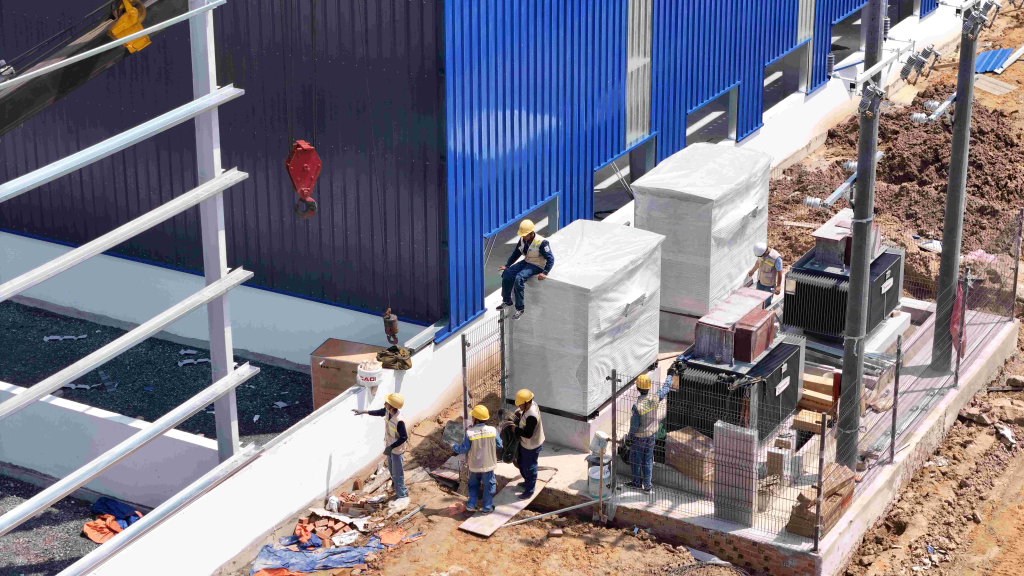
Electrical system inspection is an effective way to ensure the safety, reliability, and efficiency of electrical systems in manufacturing applications, buildings, and vehicles.
Purpose and Importance of Electrical System Inspection
Electrical system inspection aims to ensure that this system operates safely and efficiently while minimizing electrical risks. This prevents incidents such as burn-in, short circuits, and saves future maintenance costs. Thus, the system maintains high performance, minimizing overall costs associated with mitigating potential electrical risks.
Electrical system inspection plays a crucial role in ensuring electrical safety and comprehensive device performance. The first benefit of periodic inspection is the evaluation of the safety technical condition of electrical devices, minimizing electrical accident risks, and maintaining legal compliance in occupational safety regulations. Hence, the electrical system becomes safer, contributing to protecting people and systems during operation.
Through regular inspections, potential faults and breakdowns, such as worn insulation and decreased equipment performance, can be detected early. This allows timely correction by the enterprise, minimizing risks of production and operational disruptions, as well as saving expenses on serious incident remedies.
Periodic inspections not only help detect issues but also maintain and optimize system performance. Timely maintenance extends equipment lifespan, minimizes system downtime, thus ensuring uninterrupted production and business processes.
Another benefit of frequent inspections is saving operation and maintenance costs. By identifying potential faults early, the enterprise can plan timely maintenance, avoiding unnecessary costs from emergency repairs.
Finally, regular inspections ensure stable and continuous operation of the electrical system, especially for production and business activities dependent on the power source. This stability helps enterprises maintain a competitive edge in a challenging business environment.
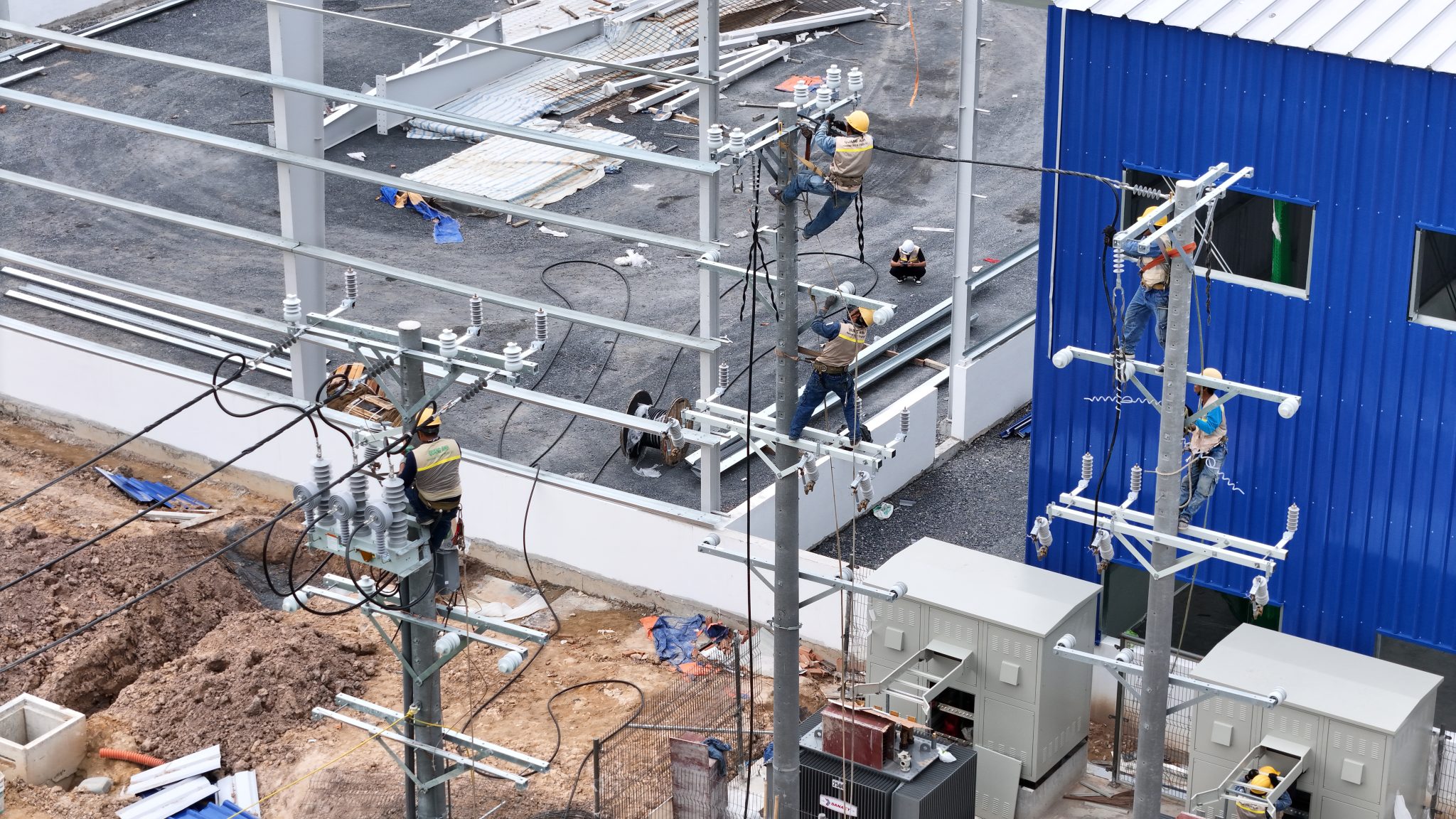
Electrical System Inspection Procedure: Manufacturing and Buildings
In the manufacturing and building sectors, the electrical system inspection process includes setting specific standards for the electrical system, inspecting the external condition of equipment and wiring. Measuring insulation resistance, coil resistance, and leakage currents helps maintain system performance. Checking dielectric strength and the functioning of safety devices also plays an essential role in electrical maintenance.
Electrical system inspection is an essential process to ensure safety and efficiency for electrical systems in the manufacturing sector and buildings. For the manufacturing industry, the electrical system plays a critical role in machinery and equipment operations. The specific procedure includes:
- Overall system inspection: Start by reviewing the schematic and technical documentation of the electrical system. This helps determine the location and number of devices, efficiently guiding the next inspection steps.
- Device inspection: Each electrical device, such as motors and transformers, needs thorough reviewing to ensure proper operation.
- Electrical wiring inspection: Perform an inspection of wires and cables. Early detection of any damage will reduce the risk of faults.
- Testing and verification: Finally, conduct the necessary tests to ensure system stability and continuity.
In buildings, the electrical system inspection process focuses on phone instruments and sanitation aspects:
- Lighting system inspection: All lighting devices and control equipment need thorough checking to ensure both safety and performance.
- Device cleanliness: Regular cleaning of bulbs and lamp fixtures to maintain cleanliness, avoiding indoor air pollution.
- Replacement of faulty components: In many cases, quick detection and replacement of parts such as switches are necessary.
- Wiring inspection: Focus on conductors to identify potential issues and timely handling.
Besides inspection tasks, the building’s electrical system operation process also requires attention:
- System monitoring and inspection: Use the system diagram to determine device locations and activate CB when necessary.
- System startup: Ensure smooth system startup to avoid operational interruption.
- Condition monitoring: Regularly monitor the operating status of the electrical system.
- Shutdown for maintenance: An essential part of the electrical maintenance inspection procedure.
Thanks to the specific electrical system inspection procedures, we not only maintain operational safety but also optimize the electrical system performance at factories and buildings.
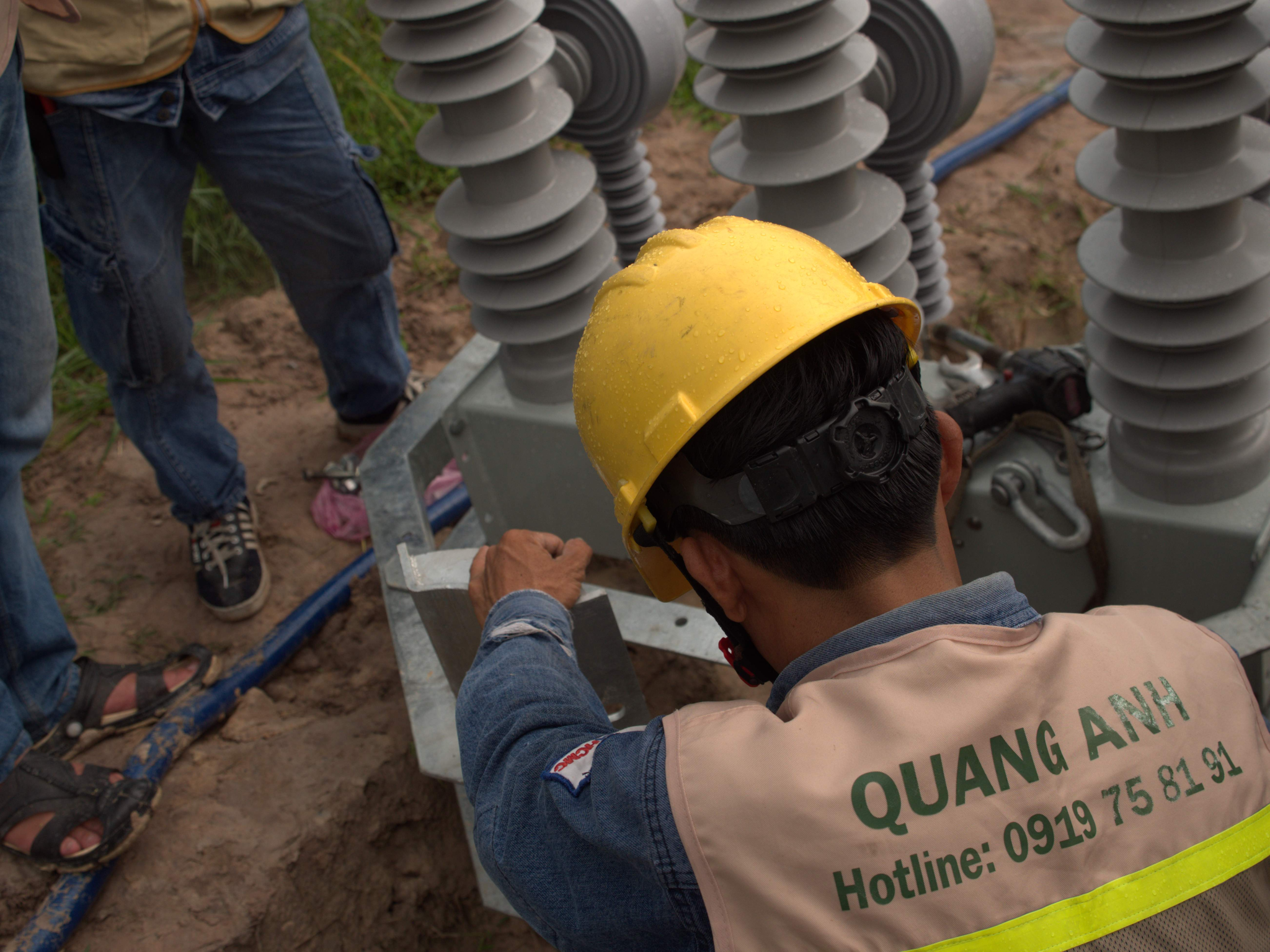
Needed Measuring Equipment for Electrical System Inspection
Effective electrical system inspection relies on using measuring equipment such as power quality analyzers, harmonic analyzers, and electrical interference analyzers. Multimeters and insulation resistance testers are useful tools for measuring voltage and current, ensuring the system always operates safely and efficiently.
Electrical measuring devices are essential tools for inspecting and evaluating the electrical system. Below is a list of vital measuring devices for electrical system inspection, ensuring safety and efficiency during operation.
- Multimeter: This versatile device is widely used from industrial to household applications for measuring voltage (AC/DC), current (AC/DC), resistance, frequency, continuity, and diodes. With this device, Multimeter Usage becomes optimized across all fields.
- Clamp Meter: Provides the ability to measure current without circuit interruption, thus easily detecting overload or current leakage faults.
- Oscilloscope: This device allows Oscilloscope Functionality in displaying the waveform of electrical signals in real-time, assisting in signal analysis, and detecting interference and oscillations.
- LCR Meter: Commonly used for measuring the electrical parameters of inductors, capacitors, and resistors, it is vital for circuit and capacitor checks.
- Leakage Tester: Specially used for checking electrical leaks, especially in capacitors, to ensure Electrical Safety for the system.
- Network Analyzer: Helps measure and analyze electrical network parameters, facilitating system communication and signal transmission optimization.
- Ohmmeter (Resistance Meter): This device aids in checking continuity and interruptions within wires and other electrical accessories.
The application of these electrical measuring devices is vast, from fault detection and resolution, ensuring electrical safety to supporting Meter Testing and researching new system developments. Devices such as power quality analyzers are becoming increasingly important as the demand for accuracy and reliability in electrical systems increases. With tools like multimeters and insulation resistance testers, control and Electrical Leakage Detection become indispensable parts, ensuring safety and efficiency in electrical system management.
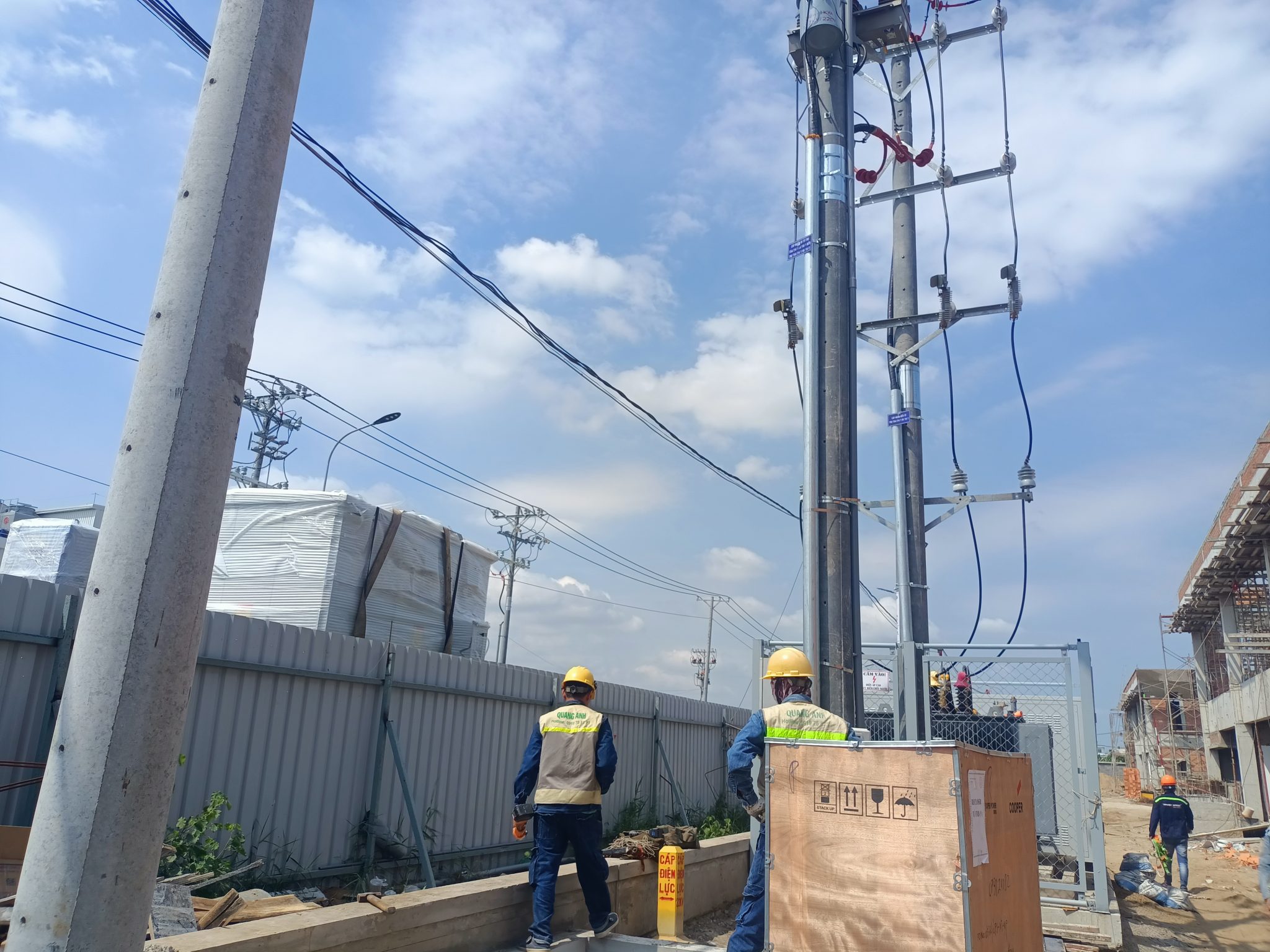
Electrical system inspection offers significant technical and investment benefits. It improves system performance, reduces risk and maintenance costs, and ensures the system consistently meets safety and efficiency standards.
Contact QuangAnhcons through Hotline: +84 9 1975 8191 for in-depth consultation on electrical system inspection solutions.
QuangAnhcons provides electrical system inspection services, ensuring safety standards and efficient operation in manufacturing, buildings, and vehicles.
Substation budget estimate
Select the capacity, route lengths and package to view your indicative budget and electrical parameters.
Request a project quotation
Send your project details, BOQ or drawings to request a formal quotation. Fields marked * are required.
Quotation scope
Applies to one EVN-supplied substation with oil-immersed transformers at 22/0.4 kV (single-phase: 12.7/0.23 kV), with MV metering VTs/CTs supplied by EVN. The estimate includes the selected equipment, installation, earthing, transformer-to-main-breaker connections, design and connection documentation, and coordination of testing and utility acceptance.
Kiosk, integrated steel-pole and indoor substations include MV switchgear and the entered underground cable route. Other outdoor arrangements use the relevant protection configuration. The final diagram must meet the project connection requirements.
Excludes VAT, cables from the substation switchboard to the MSB/loads, live-line work, harmonic reactors, weak-ground treatment or special piling, land and special fire-protection provisions. Underground routes assume normal construction conditions and exclude road drilling and special reinstatement.
Prices are indicative investment budgets. A formal quotation follows site assessment and agreement on the configuration. Electrical selections are preliminary and require design verification before installation.
Capacity range and application conditions
The catalogue defines the enquiry range of this tool, not universal TCVN capacity limits. Single pole-mounted transformers: 15–100 kVA; three-unit banks: 3×15–3×100 kVA. Platform substations: 100–630 kVA. Steel-pole substations: 100–630 kVA; 750/800 kVA require design verification and local approval. Ground-mounted, kiosk and indoor configurations: 50–10,000 kVA. Not every configuration has a package price or the same structural design.
Reference: EVN Decision 1299/QD-EVN dated 3 November 2017, Volume 1, sections 3.3–3.4. Check the current requirements of the responsible utility before implementation. Kiosks must meet manufacturer ratings and testing requirements (IEC 62271-202); indoor and ground-mounted arrangements must meet project layout, ventilation, structural and fire-protection requirements. For multiple transformers, specify the quantity and capacity of each unit.
Developed by QuangAnhcons · © 2026 QuangAnhcons. Code licensed under GPL-2.0-or-later. Standards and manufacturer data belong to their respective owners.