
 Tiếng Việt
 简体中文
简体中文 Deutsch
 日本語
日本語 한국어
한국어 ไทย
ไทย Русский
 Français

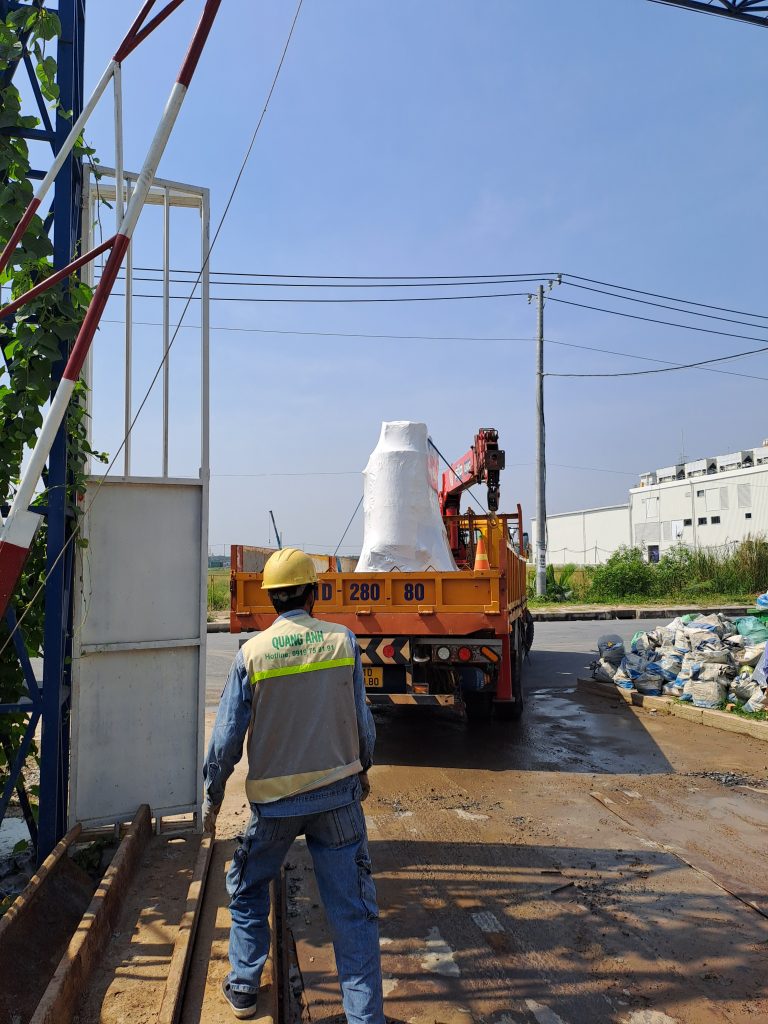
The price of a 1000kVA substation can vary due to many factors such as substation type, materials, and manufacturer. This article will provide specific information about the 1000kVA substation price and factors that impact its cost.
Characteristics and Configuration of 1000kVA Substation
1000kVA substations often come in types like frame substations, steel poles, and integrated kiosks. Each type has different configurations and applications affecting the price. The cost does not only depend on the transformer price but also the substation type and materials used.
The 1000kVA substation is an indispensable part of modern power supply systems, meeting large and stable energy demands. They are widely used in industrial zones, high-rise buildings, or shopping centers due to their high capacity and reliability.
Key Characteristics
- High Capacity: With up to 1000kVA capacity, this substation meets the electrical needs of large systems.
- High Efficiency: Optimized design helps minimize electricity loss, ensuring stable and safe operation for the power grid.
Detailed Configuration
A. Basic Structure
- Oil Transformer: The heart of the substation uses a three-phase oil transformer, closed type, with a standard voltage of 22/0.4kV.
- Silicon Steel Core: Made from high-quality silicon steel, good magnetization and oxidation resistance, core design minimizes Foucault current.
- Standard Winding: Primary and secondary windings made of enameled copper wire, IEC standard which withstands harsh conditions.
B. Accompanying Equipment
- Switching Devices: Including medium and low voltage devices, ensuring safety and operational flexibility.
- Grounding System: Provides superior safety for users and equipment.
- Medium Voltage Line: Provides a stable medium voltage source for the transformer, ensuring efficient power transmission.
C. Installation Design
- KIOS Station: Typically arranged with three logically placed compartments: medium, low voltage, and transformer, suitable for outdoor or indoor installation.
- Flexible Installation: Low voltage cabinets can be placed separately or with the transformer, but must ensure safety to prevent incidents.
Representative Technical Specifications
- Capacity: 1000kVA
- Primary/Secondary Voltage: 22/0.4kV
- No-load Loss (Po): ~980W
- Short Circuit Loss (Pk): ~8550W
With typical technical standards and smart design, the 1000kVA substation is the optimal choice for electrical supply solutions in Vietnam. Meeting diverse needs, configurations like the KIOS station help optimize space and installation costs while ensuring safe and efficient electrical system operation.
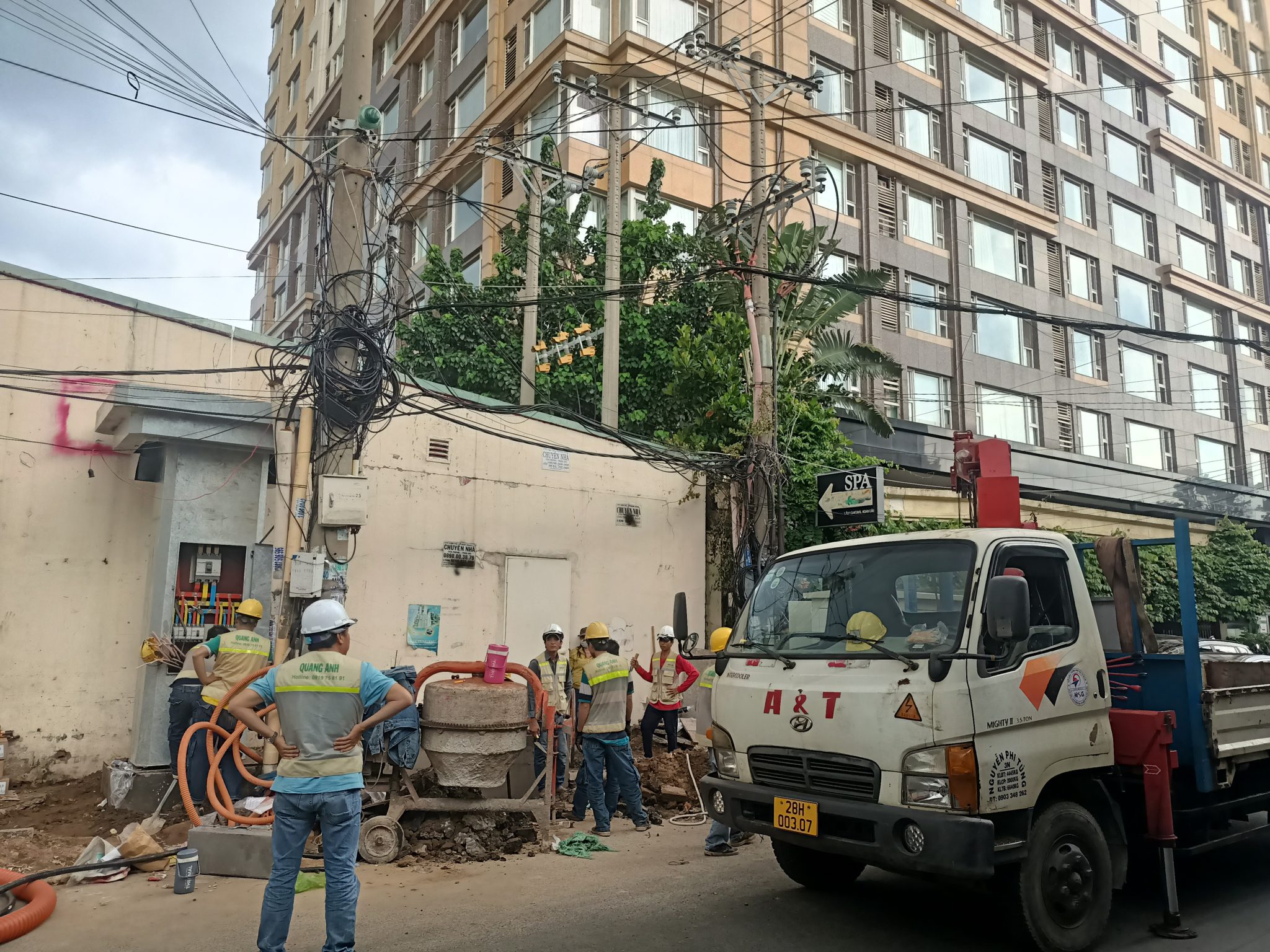
Factors Affecting Substation Cost
The 1000kVA substation price is influenced by many factors including material types, installation location, and technical requirements. These factors also determine the final cost you have to pay when installing a cost-effective substation.
Construction and installation costs of substations are influenced by many important factors that can impact the project’s economic efficiency.
1. Project Scale
- Size and Capacity: Large-scale substations usually require custom designs and use of high-cost transformer equipment as well as diverse transformer materials. This demands significant effort during substation installation, leading to increased costs.
- Type and Capacity of Substation: Substations with capacities from 100kVA to 250kVA require specific materials and equipment, resulting in distinct cost levels.
2. Installation Location
- Transport Costs: When choosing a substation location, transporting equipment and materials to the installation site must be carefully considered. This decision not only impacts costs but also the technical requirements of the transformer.
- Terrain: Areas with complex terrain require specialized construction methods, leading to increased overall costs.
3. Terrain and Infrastructure Conditions
- Complex Terrain and Weak Infrastructure: Projects encountering such conditions will require significant resources and effort, resulting in increased substation installation costs.
- Accessibility: Easy accessibility and support for machinery is also a crucial factor affecting project execution costs.
4. Materials and Equipment
- Origin and Quality of Equipment: Equipment from renowned brands like Thibidi, EEMC, and ABB typically have higher prices. However, quality and reliability also mean long-term efficiency.
5. Labor and Management
- Labor Costs: These costs can vary based on the level and number of workers needed. Management capabilities are also an important factor in effectively coordinating these resources.
- Construction Efficiency: A highly productive construction team will help shorten project completion time, thus optimizing costs.
6. Power Cables and Lines
- Distance and Method: Costs also depend on the decision to use underground cables or not for power supply from the connection point to the substation, a crucial part in determining overall costs.
Due to the complexity of these factors, detailed evaluation and planning are necessary to maximize project efficiency and ensure the most reasonable final cost for the investor.
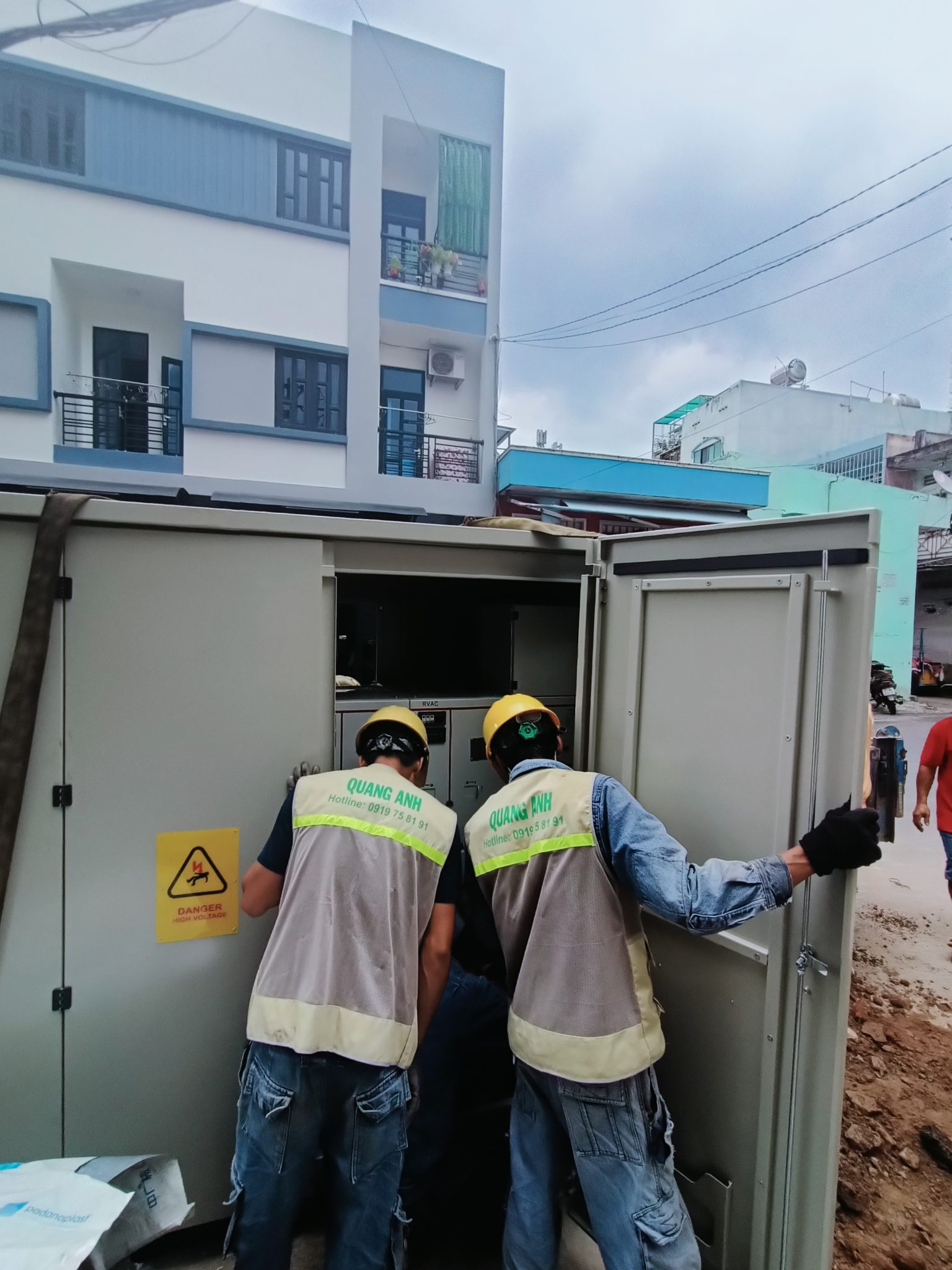
Comparison of Popular Substation Types
Popular types such as frame substations, steel poles, and integrated kiosks have distinct characteristics. Each type meets different needs depending on installation conditions and usage objectives. Selecting the right transformer and energy-saving transformer is also a key factor in cost optimization.
In modern electrical systems, “comparing different substation types” becomes necessary to ensure compatibility between capacity and geographical features of the usage area. Types of substations are divided into many categories, each with its own pros and cons.
Substations by Voltage
-
Extra High Voltage Substation: Designed to transmit power on a large scale with voltages exceeding 500 kV. These substations are often used on long transmission lines, serving the energy supply between remote areas.
-
High Voltage Substation: Common voltage levels like 66 kV, 110 kV, 220 kV, and 500 kV, suitable for distributing electricity to larger areas, especially industrial zones or major cities.
-
Medium Voltage Substation: Provides distribution to smaller areas with voltages up to 35 kV. “Medium voltage substations” are widely used in urban areas and rural areas near centers.
Substations by Design Structure
-
Pole Substation: Entire high and low voltage equipment including the transformer is mounted on poles, suitable for “Pole substations” in urban areas and limited spaces.
-
Frame Substation: “Frame substations” are placed on a rack between two large columns, work well in open environments and require high electrical capacity.
-
Mounted Substation: With a structure where the transformer is placed on a cement base on the ground, “Mounted substations” are common in rural areas and small facilities with indoor low-voltage requirements.
-
Closed Substation (Kios): Provides flexibility in movement and ensures safety with fully enclosed equipment. “Kios substation” meets the needs in areas with high aesthetic requirements.
Substations by Function
-
Transmission Substation: The main function is to convert voltage between transmission lines to ensure stability in energy transmission.
-
Step-up and Step-down Substations: These stations have the task of adjusting voltage to suit specific consumer needs, improving energy use efficiency.
Comparing different substation types not only provides optimal choices in electrical system design but also helps flexibly adjust based on deployment environment and economic conditions of each project.
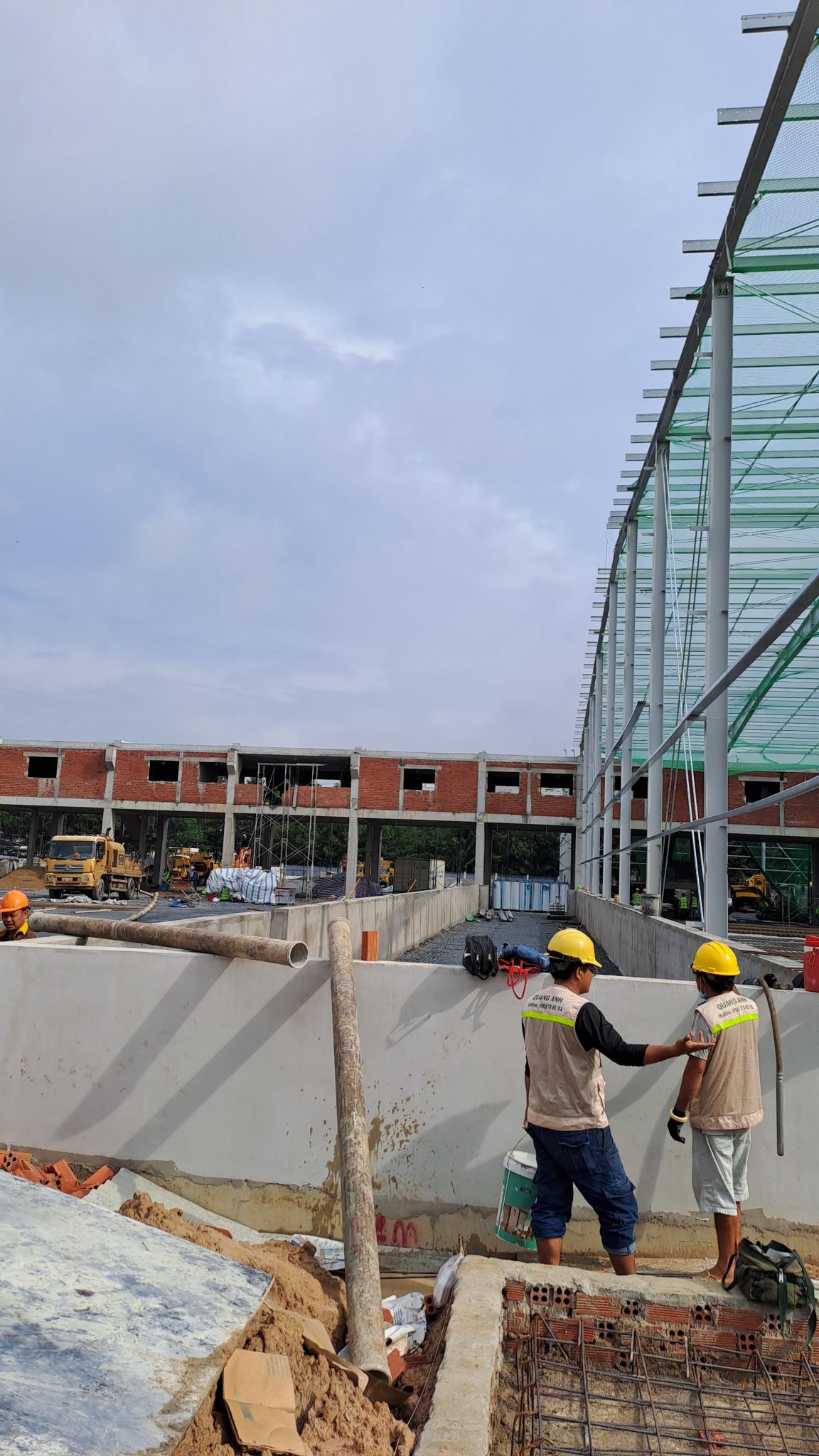
Considering the 1000kVA substation price requires thorough evaluation of factors like substation type, location, and technical requirements. Choosing the right type of transformer and substation not only helps save costs but also ensures effectiveness in terms of technique and long-term investment strategy.
For more detailed information and direct consultation, contact QuangAnhcons via Hotline: +84 9 1975 8191.
QuangAnhcons provides consultation and installation services for various substation types with quality assurance and cost suitability. We are committed to supporting customers in optimizing substation investment efficiency.
Tính nhanh giá trạm biến áp
Chọn công suất và chiều dài tuyến để xem giá tham khảo cùng thông số điện.
Gửi yêu cầu báo giá theo thiết kế
Gửi thông tin công trình, BOQ hoặc bản vẽ để nhận báo giá chính thức. Các trường có * là bắt buộc.
Phạm vi báo giá
Áp dụng cho một trạm mua điện EVN, máy dầu 22/0,4 kV (máy một pha: 12,7/0,23 kV), TU/TI trung thế do EVN cấp. Giá gồm thiết bị theo cấu hình, lắp đặt, tiếp địa, liên kết máy–CB tổng, hồ sơ thiết kế–đấu nối và phối hợp thí nghiệm, nghiệm thu điện lực.
Kios, trụ thép hợp bộ và trạm trong nhà có tủ trung thế cùng đoạn cáp ngầm theo thông tin đã nhập. Các kiểu ngoài trời dùng phương án bảo vệ tương ứng; sơ đồ cuối cùng cần phù hợp yêu cầu đấu nối tại công trình.
Chưa gồm VAT, cáp từ tủ trạm đến MSB/phụ tải, hotline, cuộn kháng lọc hài, nền yếu/cọc đặc biệt, đất và PCCC đặc thù. Tuyến ngầm tính theo điều kiện thi công thông thường, chưa gồm khoan qua đường hoặc hoàn trả đặc biệt.
Giá dùng để tham khảo đầu tư. Báo giá chính thức được xác nhận sau khảo sát và thống nhất cấu hình. Thông số điện là lựa chọn sơ bộ, cần kiểm tra theo thiết kế trước khi thi công.
Dải công suất và điều kiện áp dụng
Danh mục là phạm vi tiếp nhận yêu cầu của công cụ, không phải giới hạn công suất chung của TCVN. Trạm treo một máy: 15–100 kVA; bộ ba máy: 3×15–3×100 kVA. Giàn: 100–630 kVA. Trụ thép: 100–630 kVA; 750/800 kVA cần xác nhận thiết kế và chấp thuận tại địa phương. Nền/kios/phòng: danh mục 50–10.000 kVA, không có nghĩa mọi cấu hình đều có giá trọn gói hoặc cùng kết cấu.
Tham khảo QĐ 1299/QĐ-EVN ngày 03/11/2017, Tập 1, mục 3.3–3.4; kiểm tra văn bản hiện hành của điện lực quản lý trước khi triển khai. Kios phải phù hợp định mức/thử nghiệm của nhà chế tạo (IEC 62271-202); phòng/nền phải đáp ứng bố trí, thông gió, kết cấu và PCCC của dự án. Công suất trạm nhiều máy phải tách số máy và công suất mỗi máy.
Công cụ do QuangAnhcons phát triển · © 2026 QuangAnhcons. Mã nguồn theo GPL-2.0-or-later; tiêu chuẩn và dữ liệu hãng thuộc chủ sở hữu tương ứng.