
 Tiếng Việt
 简体中文
 Deutsch
 日本語
 한국어
 ไทย
 Русский
 Français


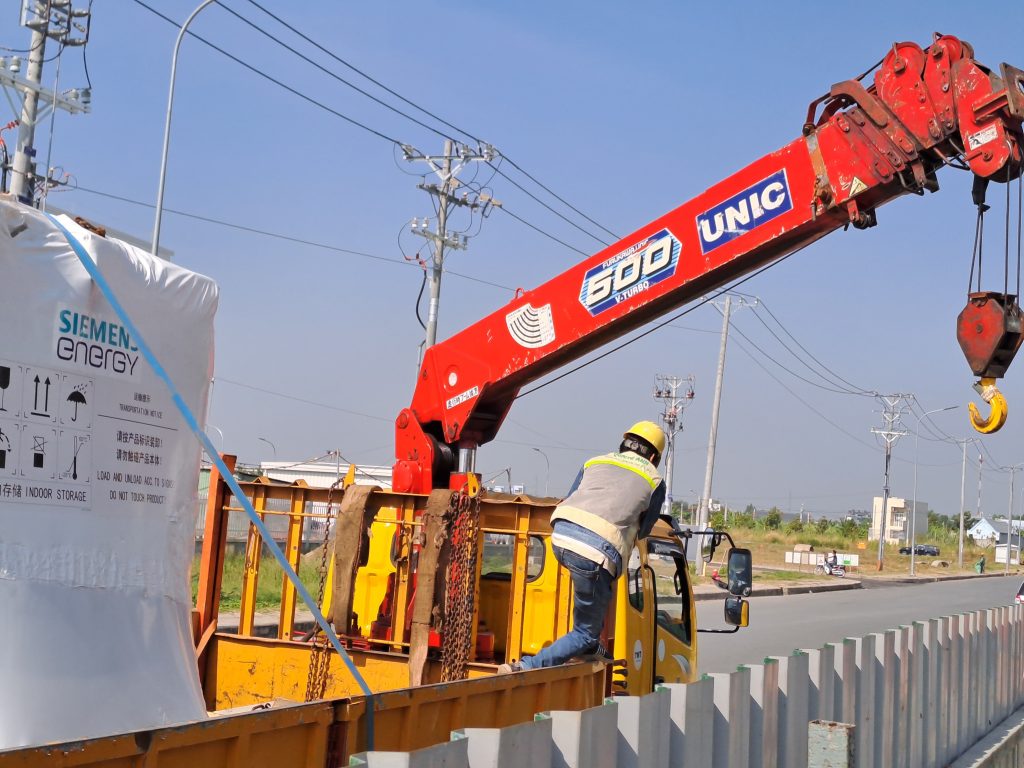
Electrical system maintenance services are essential for ensuring the smooth and safe operation of electrical systems in various fields such as industrial and residential.
Key Activities in Electrical System Maintenance Services
Electrical system maintenance services include key activities such as Inspection and Monitoring: regularly inspecting the operational state of electrical equipment, including transformers, capacitors, circuit breakers, and electrical protection devices. Cleaning and Maintenance: cleaning dust from electrical equipment to ensure cooling and ventilation, reducing the risk of overheating or short circuits. Consulting and Improvement: advising on investment, upgrading, or improving electrical equipment as needed to ensure maximum performance. Cable Management: labeling and rearranging cables to avoid signal interference and ensure safety during repairs.
Electrical system maintenance ensures the system operates safely and efficiently. To accomplish this task, detailed maintenance activities must be followed:
-
Regular Inspection: Begins with regular inspections to identify potential issues early. This process not only detects faults such as leakage but also inspects the wear of components. Regular electrical inspection is the foundation for maintaining the long-term stability of the system.
-
Cleaning and Maintenance of Equipment: An important aspect of this service is cleaning electrical equipment. Removing dirt and grease prevents overheating and maintains cooling capabilities. Maintaining the electrical system ensures smooth and efficient operation of components.
-
Replacement of Faulty Parts: When a part is not functioning, it needs to be replaced promptly with a new one. This is essential for maintaining the highest performance and safety of the system.
-
Safety Check: Electrical safety is always prioritized. Conduct safety tests to ensure systems and equipment are in a safe state and comply with industry standards to avoid unnecessary risks.
-
Recording and Reporting: Detailed recording of inspections and maintenance not only creates a management database but also supports proactive future maintenance planning.
-
Upgrade and Update: Upgrading electrical equipment not only enhances performance but also saves energy. Applying new technology is crucial for meeting continuously changing standards.
-
Training and Guidance: Training employees on the use and maintenance of electrical systems ensures risk reduction and operational efficiency.
The role of electrical maintenance is indispensable in ensuring stable operation and cost savings for buildings, industrial parks, or shopping centers. These activities are usually carried out by the owner or independent service providers, and may be conducted periodically or when issues arise.
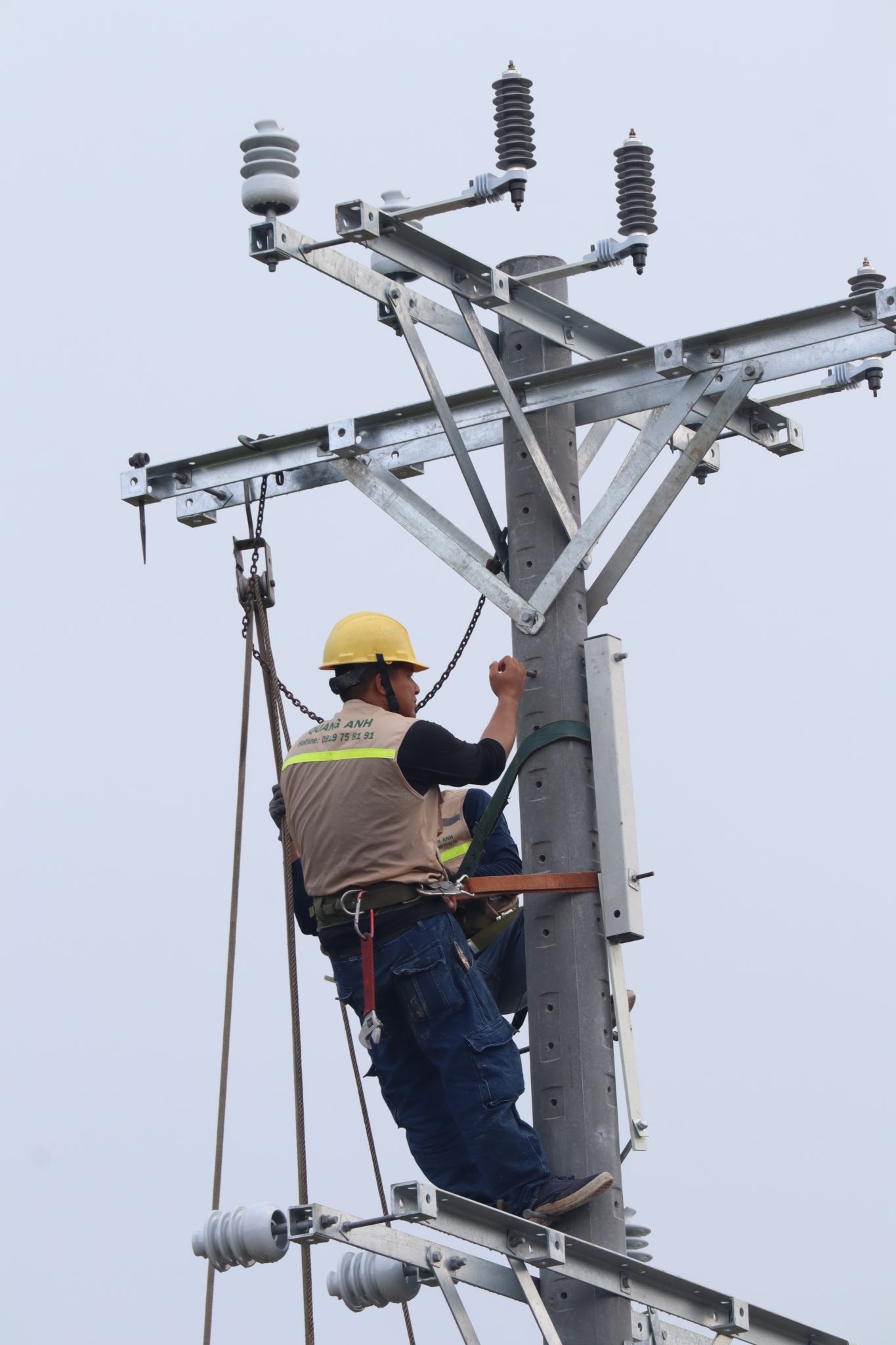
Benefits of Electrical System Maintenance Services
Electrical system maintenance services offer significant benefits such as Cost Saving: extends the lifespan of equipment, reduces replacement costs, and avoids unwanted fines from electricity providers. Optimized Operation: minimizes production downtime, ensures continuous and efficient operation. Electrical Safety: prevents electrical failures such as fire, short circuits, making the work environment safer. Energy Saving: ensures equipment operates efficiently, saving energy consumption and reducing operational costs.
- Cost and Energy Savings
- Energy savings: Proper electrical system maintenance results in clear energy savings by reducing energy consumption by 5% to 20%, significantly cutting electricity bills.
- Reduced repair costs: Regular maintenance helps prevent unexpected failures and damages, thereby minimizing costs from repair and replacement activities.
- Enhanced Safety and Performance
- Increased labor safety: Maintenance helps identify and rectify issues before they escalate, enhancing safety for workers and the work environment.
- Increased production efficiency: With well-maintained electrical systems, equipment operates stably, boosting production capabilities and reducing production downtime.
- Asset Protection
- Protection of equipment and investment: Regular maintenance measures extend equipment lifespan, protecting business assets from unfortunate damages.
- Effective Management and Quick Response to Incidents
- Quick incident response: Professional maintenance services ensure quick handling of electrical incidents, limiting unwanted losses.
- Effective management: Utilizes advanced technology to remotely monitor and manage electrical systems, reducing human error risk.
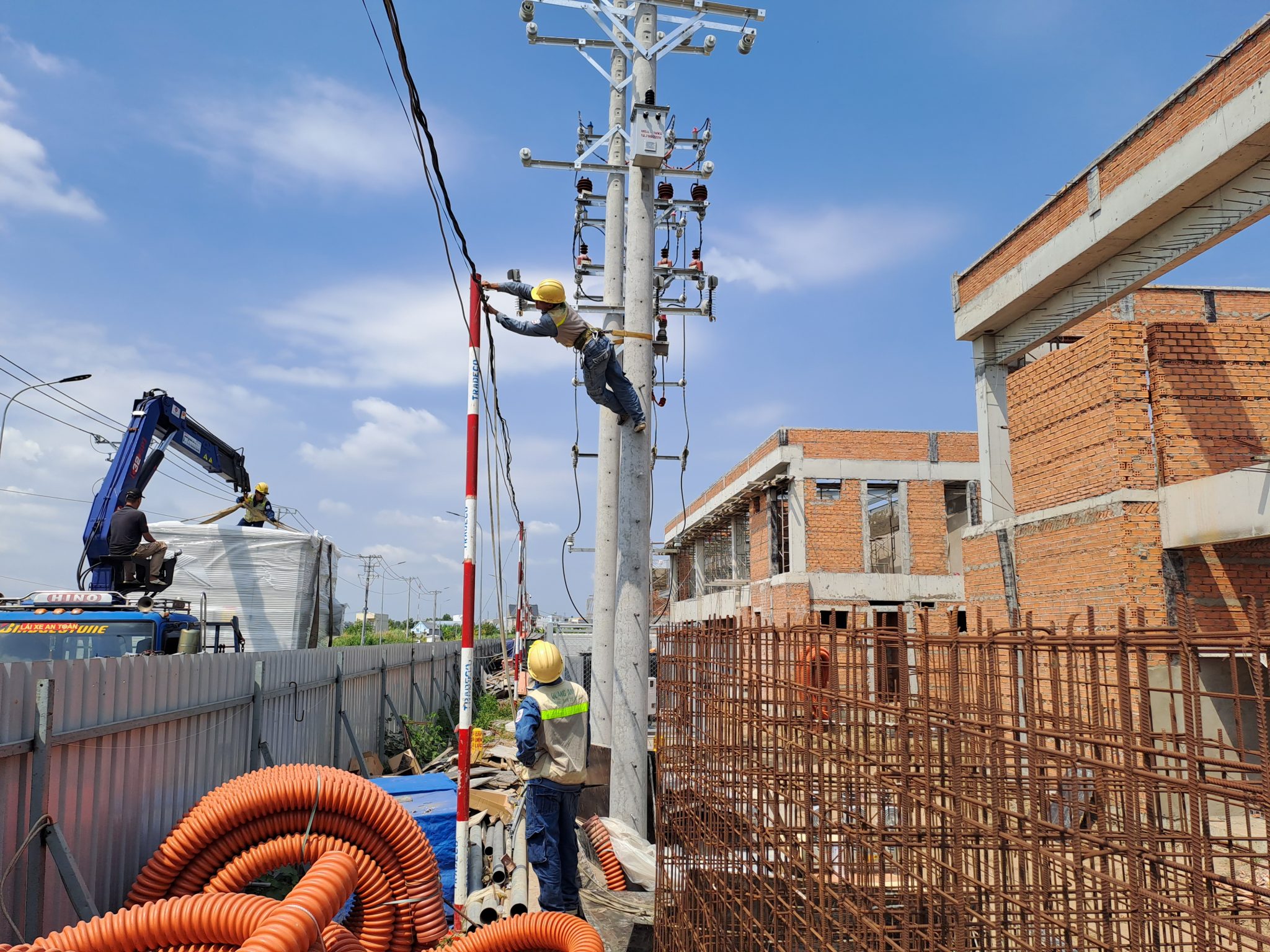
Popular Forms of Electrical System Maintenance Services
Electrical system maintenance services are often offered in two main forms: Periodic Maintenance: conducting inspections and maintenance according to a fixed schedule to ensure the system is always in the best condition. On-Demand Maintenance: performed when issues arise or upon customer requests, providing quick solutions to emerging problems.
Maintaining stable performance and safety of electrical systems is extremely important. Electrical system maintenance services are divided into various forms, each with specific approaches and objectives.
Preventive Maintenance
Preventive maintenance focuses on regular inspections to detect and promptly address issues. The process includes cleaning electrical systems, replacing accessories like contacts and cables before they cause problems, and assessing safety standards such as insulation and system load capacity.
Condition-Based Maintenance
This maintenance method is more optimized by using measurement equipment for continuous monitoring. Analyzing data from sensors allows for fault prediction based on operational trends, improving forecasting and timely maintenance of components showing signs of damage.
Corrective Maintenance
This type of maintenance is performed when electrical systems encounter unplanned failures. Engineers conduct in-depth repairs, including dismantling and inspecting equipment like MCBs, MCCBs, and inverters to determine root causes and thoroughly resolve issues.
Scheduled Maintenance
For cyclical electrical systems, scheduled maintenance is applied with a specific timetable, typically from 3 to 6 months or as recommended by manufacturers. This process ensures comprehensive inspection and maintenance from substations to distribution equipment.
Automation Maintenance
Automation maintenance applies new technologies such as IoT and remote monitoring software. Sensors are integrated and monitoring software helps timely detect abnormalities. Additionally, updating control software for PLCs and inverters is undertaken to optimize performance.
Standard Maintenance Procedures
- Preparation: Plan and prepare necessary equipment and manpower.
- Execution: Thoroughly clean and inspect technical parameters.
- Post-Maintenance Check: Test the system to ensure stable operation.
- Reporting: Record detailed findings and corrective actions taken.
New Trends in Maintenance
The advancement of technology is driving maintenance services further with the application of AR/VR and AI. Remote maintenance with AR/VR technology supports technicians through online imagery, while AI flexibly predicts faults based on machine learning from historical operational data.
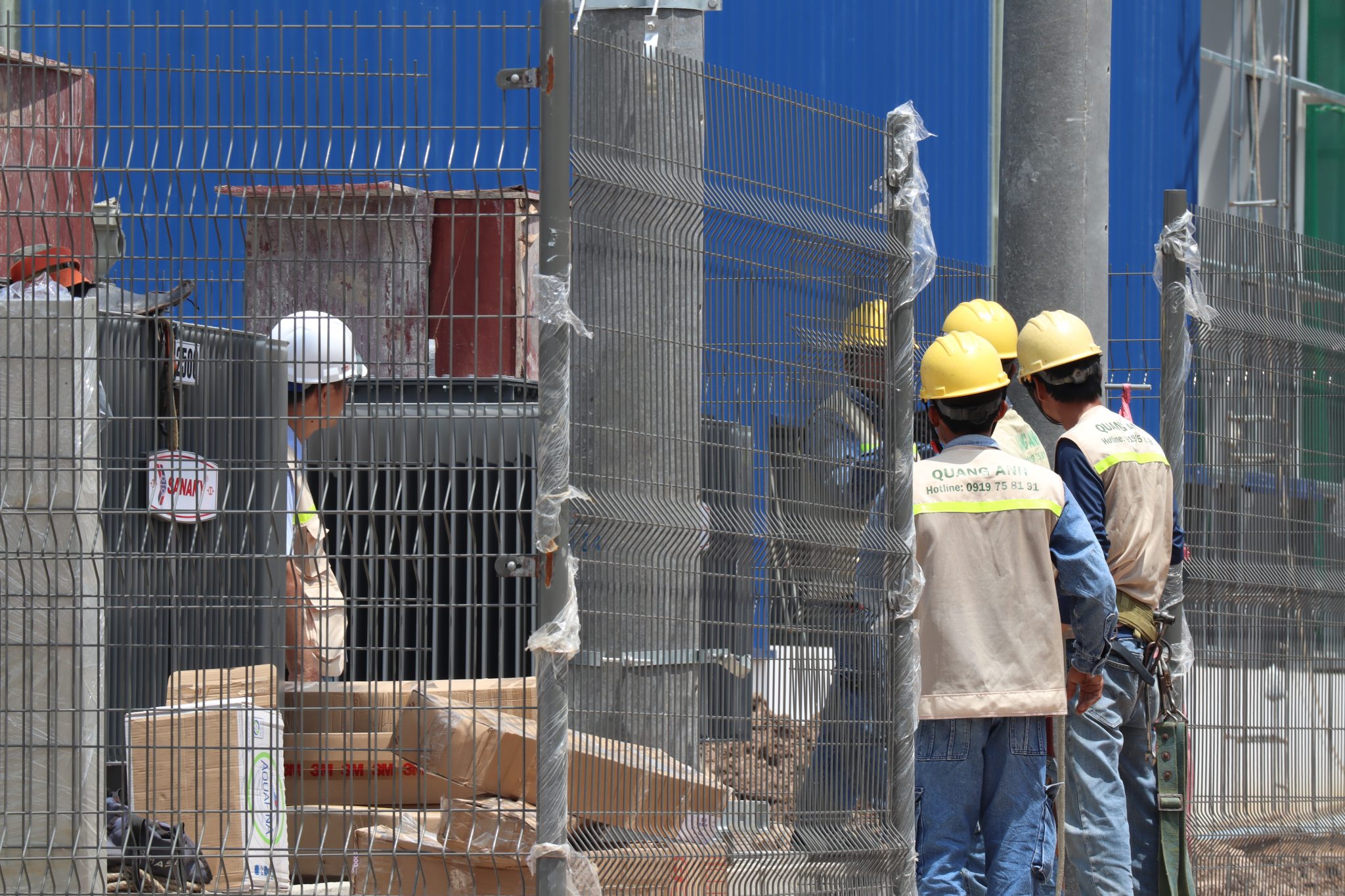
Electrical system maintenance services play a vital role in ensuring safety, increasing performance, and extending the lifespan of electrical equipment. This not only optimizes operations but also offers financial benefits and reduces risks for industrial and residential facilities.
Contact QuangAnhcons to explore the most optimal electrical system maintenance service packages: Hotline: +84 9 1975 8191.
QuangAnhcons provides comprehensive electrical system maintenance services, from inspection, cleaning, to advising on equipment upgrades. We commit to optimal quality and safety for your electrical system.
Substation budget estimate
Select the capacity, route lengths and package to view your indicative budget and electrical parameters.
Request a project quotation
Send your project details, BOQ or drawings to request a formal quotation. Fields marked * are required.
Quotation scope
Applies to one EVN-supplied substation with oil-immersed transformers at 22/0.4 kV (single-phase: 12.7/0.23 kV), with MV metering VTs/CTs supplied by EVN. The estimate includes the selected equipment, installation, earthing, transformer-to-main-breaker connections, design and connection documentation, and coordination of testing and utility acceptance.
Kiosk, integrated steel-pole and indoor substations include MV switchgear and the entered underground cable route. Other outdoor arrangements use the relevant protection configuration. The final diagram must meet the project connection requirements.
Excludes VAT, cables from the substation switchboard to the MSB/loads, live-line work, harmonic reactors, weak-ground treatment or special piling, land and special fire-protection provisions. Underground routes assume normal construction conditions and exclude road drilling and special reinstatement.
Prices are indicative investment budgets. A formal quotation follows site assessment and agreement on the configuration. Electrical selections are preliminary and require design verification before installation.
Capacity range and application conditions
The catalogue defines the enquiry range of this tool, not universal TCVN capacity limits. Single pole-mounted transformers: 15–100 kVA; three-unit banks: 3×15–3×100 kVA. Platform substations: 100–630 kVA. Steel-pole substations: 100–630 kVA; 750/800 kVA require design verification and local approval. Ground-mounted, kiosk and indoor configurations: 50–10,000 kVA. Not every configuration has a package price or the same structural design.
Reference: EVN Decision 1299/QD-EVN dated 3 November 2017, Volume 1, sections 3.3–3.4. Check the current requirements of the responsible utility before implementation. Kiosks must meet manufacturer ratings and testing requirements (IEC 62271-202); indoor and ground-mounted arrangements must meet project layout, ventilation, structural and fire-protection requirements. For multiple transformers, specify the quantity and capacity of each unit.
Developed by QuangAnhcons · © 2026 QuangAnhcons. Code licensed under GPL-2.0-or-later. Standards and manufacturer data belong to their respective owners.