
 Tiếng Việt
 简体中文
 Deutsch
 日本語
 한국어
 ไทย
 Русский
 Français


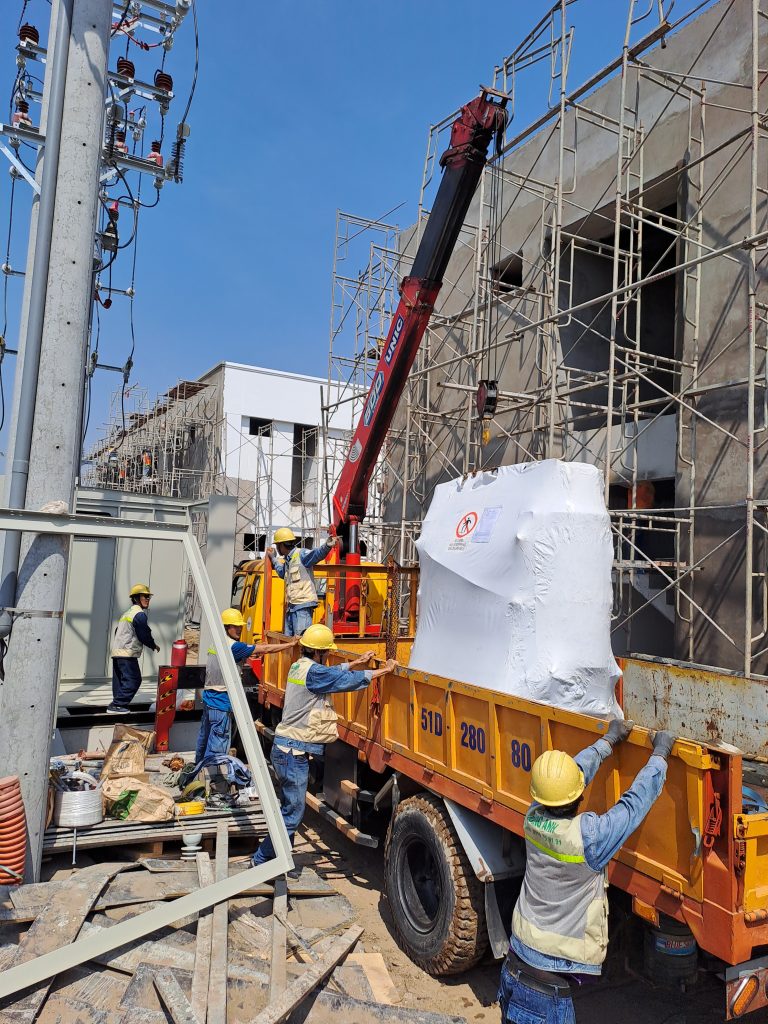
Renovating a factory’s electrical system is an important process to ensure safety and efficiency in production operations, including design, construction, installation, and safety checks.
Process of Factory Electrical System Renovation
The renovation process of a factory’s electrical system includes designing, constructing, installing, and testing. First, assess the current state and redesign the new electrical system to suit the required capacity, ensuring safety standards. Construction involves the main supply cable after the substation, installing dry transformers, generators, and medium voltage cable conduits. Calculate and select cables compatible with the factory’s power capacity to optimize energy costs. Cable trays are installed to protect cables. Finally, complete grounding and safety checks of the entire electrical system to ensure stable operation.
- Survey and assess the current state of the electrical system
- Conduct thorough surveys of electrical system components such as cabinets, transformers, and the wiring network, ensuring effective electrical system renovation.
- Evaluate the current state and level of system degradation to determine the necessary level of renovation.
- Planning and design renovation
- Redesign or upgrade the electrical system to achieve high efficiency and ensure safety according to industry standards.
- Prepare detailed drawings and cable statistics to select appropriate equipment.
- Prepare for construction
- Design detailed construction plans, zoned to ensure the renovation process does not disrupt production activities.
- Install uPVC pipes and perform preparatory work for infrastructure improvement in the electrical system.
- Execute the renovation of the electrical system
- Proceed with replacing and installing appropriate electrical equipment and ensuring compliance with technical standards.
- Ensure construction steps strictly adhere to industrial electrical safety requirements.
- Inspection and maintenance post-renovation
- Test the system operations to detect and rectify any errors.
- Plan regular electrical system maintenance to maintain optimal operational performance.
Factors to Consider in the Renovation Process
- Labor safety: Strictly adhere to safety procedures when executing an electrical system renovation, using protective equipment to ensure absolute safety.
- Renovation zoning: Renovate area by area to avoid affecting the factory’s production activities.
- Comply with technical standards: All steps from electrical system design to electrical system execution and maintenance must follow industry standards.
- Document management: Maintain detailed records of the process and related documents for easy future maintenance and repairs.
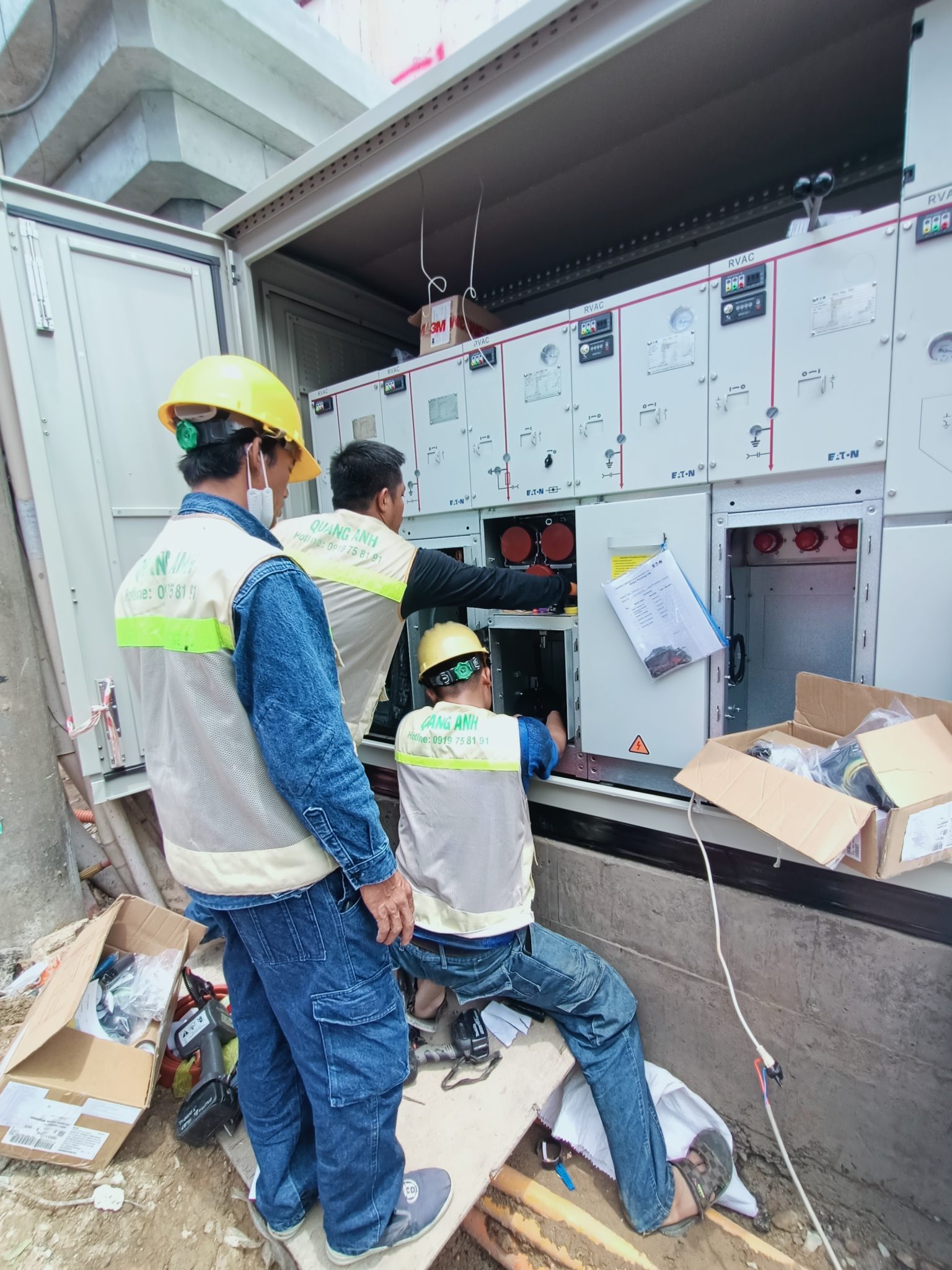
Factors to Consider in Electrical System Renovation
Renovating a factory’s electrical system requires careful consideration of safety, cost, and flexibility. Ensuring electrical system safety is a top priority to prevent accidents. Optimizing energy costs through suitable material and equipment selection will help in saving on operational expenses. System flexibility is essential to accommodate future expansion or modifications, enhancing effectiveness and productivity.
For an effective electrical system renovation, considering technical and safety factors is extremely important. Initially, the top priority is to ensure electrical system safety by strictly adhering to design and installation standards. Protective devices such as circuit breakers, fuses, and overload protection relays must be accurately installed to prevent fire hazards and ensure system safety.
Choosing standard electrical equipment and materials is indispensable to maintain stability and safety for the electrical system. Additionally, rational load calculations and precise allocation help in selecting suitable conductors and circuit breakers, avoiding resource waste and ensuring equipment longevity. Devices from brands like ABB, Mitsubishi, Cadivi, or Schneider can all be considered.
Alongside, improving energy efficiency and reducing electricity costs are long-term goals. This can be achieved through the use of energy-saving devices, like LED systems and automation solutions. Additionally, considering solar energy system installation is a useful solution to harness sustainable renewable energy.
Regular maintenance and repairs and preparing backup plans ensure the electrical system operates stably and efficiently in the long term. Finally, cost-effectiveness and cost optimization are deciding factors in electrical system renovation decisions, ensuring that investment costs yield long-term value for the enterprise.

Benefits of Electrical System Renovation
Renovating a factory’s electrical system brings significant benefits. Firstly, it upgrades safety standards, reducing electrical accident risks. Not only that, a more efficient electrical system increases production productivity and reduces long-term maintenance costs. A professionally renovated system will optimize electricity capacity, support stable production operations, and adapt flexibly to future changes.
- Enhance electrical safety
The renovation helps to address depreciation issues in the old system like cables, sockets, and switches, eliminating risks of explosions, short circuits, ensuring maximum electrical safety for users and property. - Energy saving and electricity cost reduction
The new system with modern technology improves utilization efficiency, reduces energy waste, thus saving electricity, costs, and minimizing negative environmental impacts. - Meet modern electricity usage demands
Renovation facilitates the use of smart devices, optimizing interaction with the modern electrical system, enhancing the system’s flexibility and stability. - Improve aesthetics and tidiness of space
Reorganizing the electrical wiring system helps it be neater, more aesthetically pleasing, ensuring space aesthetics of the building or home. - Increase lifespan and performance of the electrical system
Replacing and repairing malfunctioning devices helps the system operate more durably, reduces failures, and extends lifespan. - Support the use of clean, environmentally friendly energy
Renovation supports the integration of clean energy like lithium-ion batteries, renewable energy, contributing to combating climate change. - Stabilize and enhance operational efficiency
Minimize technical failures, unscheduled downtime, enhancing economic benefits for both the factory and business.
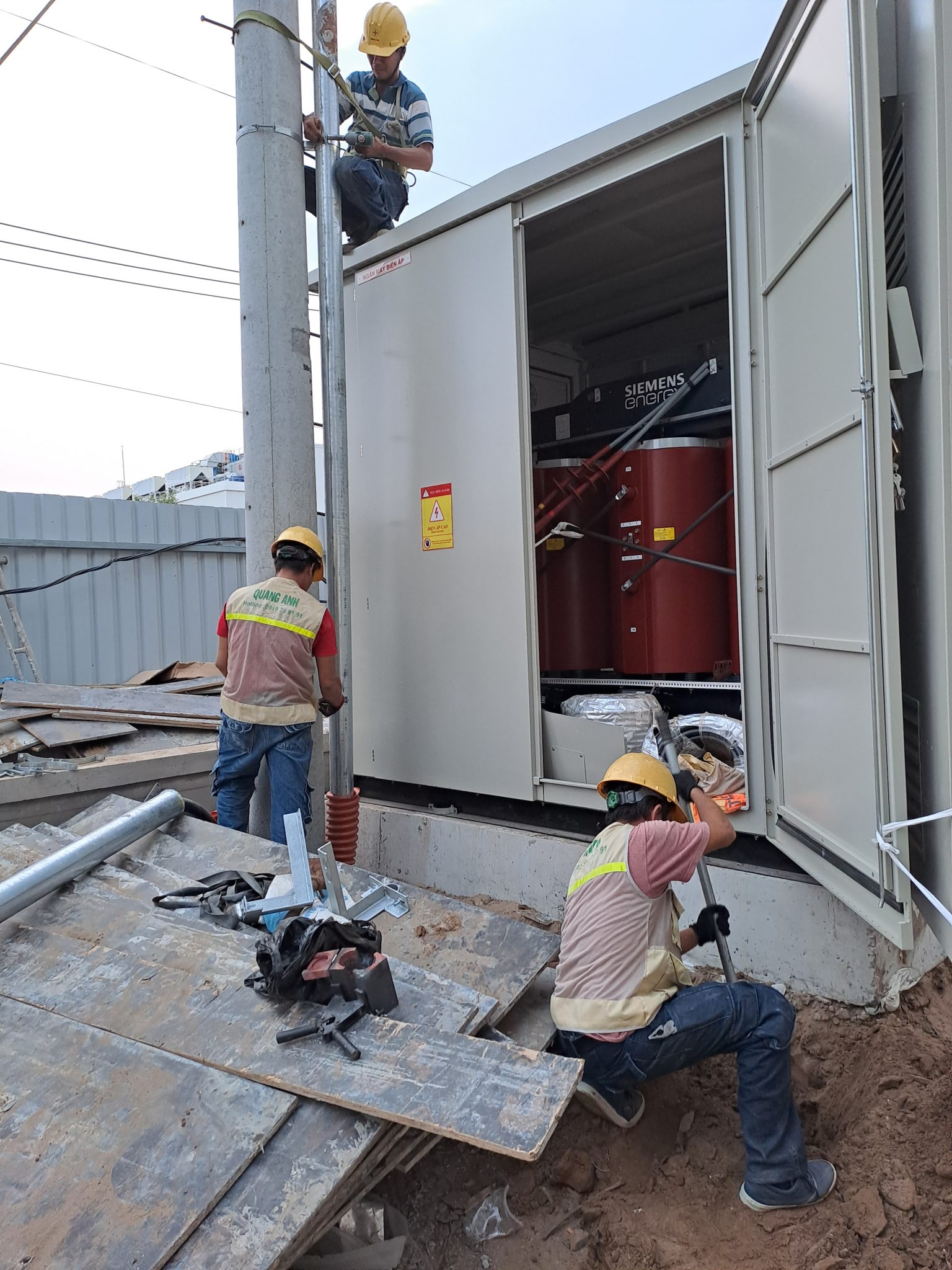
Renovating a factory’s electrical system not only elevates safety standards but also yields long-term investment efficacy. The improved system helps optimize productivity and adapts flexibly to expansion needs, while reducing operational costs.
Contact QuangAnhcons now at hotline +84 9 1975 8191 for detailed consultation and start renovating your factory’s electrical system.
QuangAnhcons provides factory electrical system renovation services, ensuring safety and efficiency from design to construction and comprehensive inspection.
Substation budget estimate
Select the capacity, route lengths and package to view your indicative budget and electrical parameters.
Request a project quotation
Send your project details, BOQ or drawings to request a formal quotation. Fields marked * are required.
Quotation scope
Applies to one EVN-supplied substation with oil-immersed transformers at 22/0.4 kV (single-phase: 12.7/0.23 kV), with MV metering VTs/CTs supplied by EVN. The estimate includes the selected equipment, installation, earthing, transformer-to-main-breaker connections, design and connection documentation, and coordination of testing and utility acceptance.
Kiosk, integrated steel-pole and indoor substations include MV switchgear and the entered underground cable route. Other outdoor arrangements use the relevant protection configuration. The final diagram must meet the project connection requirements.
Excludes VAT, cables from the substation switchboard to the MSB/loads, live-line work, harmonic reactors, weak-ground treatment or special piling, land and special fire-protection provisions. Underground routes assume normal construction conditions and exclude road drilling and special reinstatement.
Prices are indicative investment budgets. A formal quotation follows site assessment and agreement on the configuration. Electrical selections are preliminary and require design verification before installation.
Capacity range and application conditions
The catalogue defines the enquiry range of this tool, not universal TCVN capacity limits. Single pole-mounted transformers: 15–100 kVA; three-unit banks: 3×15–3×100 kVA. Platform substations: 100–630 kVA. Steel-pole substations: 100–630 kVA; 750/800 kVA require design verification and local approval. Ground-mounted, kiosk and indoor configurations: 50–10,000 kVA. Not every configuration has a package price or the same structural design.
Reference: EVN Decision 1299/QD-EVN dated 3 November 2017, Volume 1, sections 3.3–3.4. Check the current requirements of the responsible utility before implementation. Kiosks must meet manufacturer ratings and testing requirements (IEC 62271-202); indoor and ground-mounted arrangements must meet project layout, ventilation, structural and fire-protection requirements. For multiple transformers, specify the quantity and capacity of each unit.
Developed by QuangAnhcons · © 2026 QuangAnhcons. Code licensed under GPL-2.0-or-later. Standards and manufacturer data belong to their respective owners.