Tiếng Việt
 简体中文
简体中文 Deutsch
 日本語
日本語 한국어
한국어 ไทย
ไทย Русский
 Français

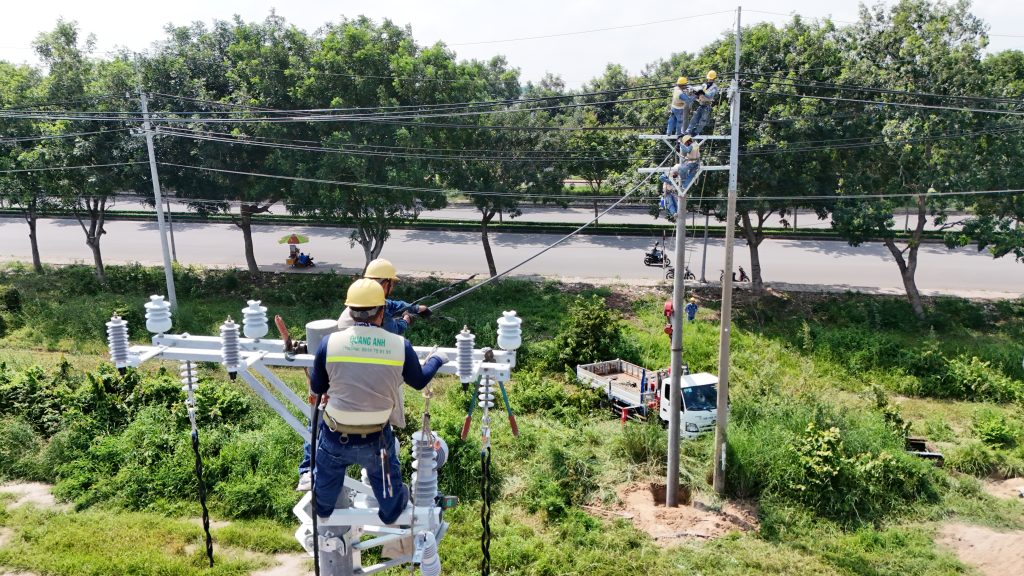
Factory electrical system installation is a complex process involving several crucial steps to ensure the system operates efficiently, safely, and meets technical standards.
Detailed Factory Electrical System Installation Process
Factory electrical system installation must start with detailed design and planning, ensuring that all elements such as transformer station location, electrical cabinets, cables, and equipment are carefully chosen according to safety and technical standards. Next, implementing the main power supply cable system is a critical step, with cables typically connected from the transformer station to the main electrical cabinet through MCCB. This system can be designed underground or exposed. After that, installing cable trays is necessary to fix and protect electrical cables. This process requires precision to ensure neatness and prevent cable damage. Finally, industrial electrical cabinet installation must adhere to strict technical standards for safe and effective power distribution.
1. Survey and Design
- Site survey: This is a preliminary step to assess the existing electrical system conditions and the factory’s energy needs. Understanding these factors helps to accurately determine equipment locations, providing a logical approach in electrical system design.
- System design: Create detailed drawings focusing on elements such as capacity and voltage to optimize efficiency and safety. Standardized designs not only meet current energy needs but also allow for future expansion.
2. Equipment Preparation
- Transformers: Adjust the voltage to suit requirements, often using products from brands like Thibidi or ABB to ensure quality and reliability.
- Electrical cabinets: Cabinets from brands such as Schneider or Mitsubishi help control and protect the electrical system with optimal efficiency.
- Conductors and cables: Selecting the right conductors to suit the necessary capacity ensures efficient transmission and safety, an essential part of the power supply system.
3. Electrical System Installation
- Main power supply cable installation: Properly select and install conductors, ensuring adherence to safety standards to avoid mistakes and damages during operation.
- Underground cable placement: Use PVC pipes to protect cables from adverse environmental impacts, increasing system lifespan and safety.
4. Cable Tray Installation
- Choose hanging rods: Hanging rods play a crucial role in keeping the cable trays secure, ensuring system stability under different environmental conditions.
- Fix cable trays: Use specialized tools such as hand grinders to securely attach the cable trays.
- Install cable tray tees: This is a measure to prevent electrical leaks, minimize incidents, and enhance system safety.
5. Inspection and Operation
- System inspection: Ensure all equipment is correctly installed, strictly adhering to safety standards before undergoing trial operations.
- Trial operation: Conduct test runs to timely detect and rectify anomalies, optimizing practical operational performance.
6. Regular Maintenance
- Maintenance scheduling: Maintaining regular scheduled servicing is necessary to ensure the system operates to standards, minimizing unexpected breakdown risks.
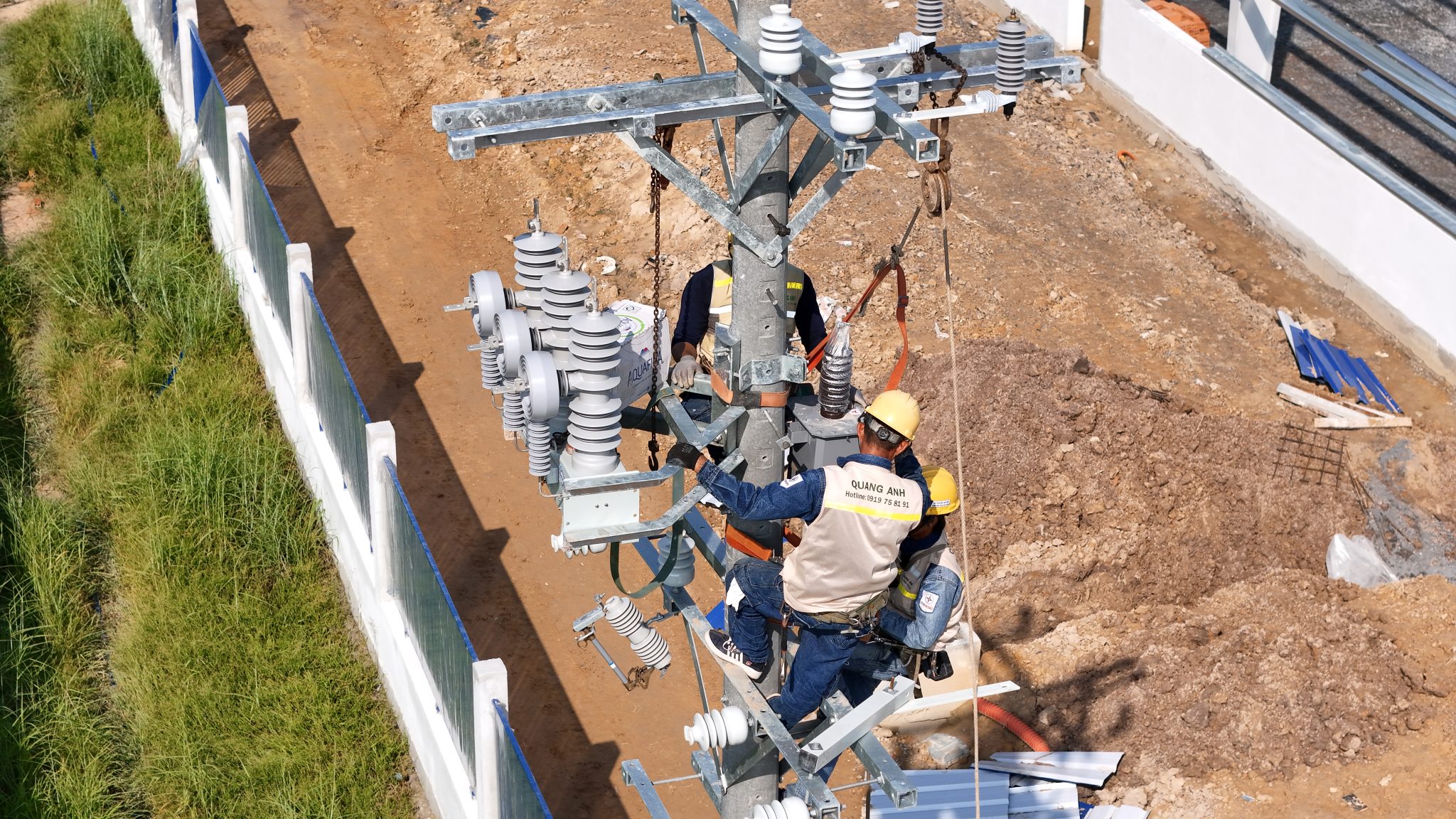
Important Factors in Electrical System Installation
In factory electrical system installation, ensuring safety is the top priority. Ensuring that the electrical system and equipment comply with current safety standards is necessary to protect workers and machinery. Moreover, the electrical system must be designed and constructed to achieve optimal efficiency and productivity, ensuring stability and avoiding machine operation interruptions. Observing technical and installation procedures also plays a crucial role, requiring engineers to follow professional installation techniques for continuous system operation.
Performing electrical system installation is essential in factory construction and operation. To ensure the electrical system operates steadily and safely, attention must be paid to several important factors.
Determining the accurate load is the first step in factory electrical design. Calculating the power consumption of all electrical equipment during peak hours helps ensure the system can supply adequate energy. During the design process, attention must be paid to logically arranging the high and low voltage network to suit current infrastructure.
When choosing industrial electrical equipment, it is important to select the right standard conductors and cable trays. Equipment from reputable brands like Schneider or ABB meets quality and safety requirements, helping protect the system from unexpected incidents. Not only equipment but also other accessories and materials must comply with electrical construction standards, meeting strict technical demands.
An indispensable part is complying with national technical standards and regulations. This ensures that the electrical installation process not only meets electrical system safety criteria but also protects the environment.
Clear and appropriate design drawings and detailed construction plans form the foundation for an efficient electrical system. The drawings must be clear and comply with existing technical standards. Simultaneously, the construction plan needs to detail the pre-established steps, including the necessary time and resources.
Finally, cost and efficiency optimization is an important goal in electrical system installation. Optimal calculations need to be made to decide the number of devices and conductors, ensuring the system achieves high efficiency while minimizing maximum costs.
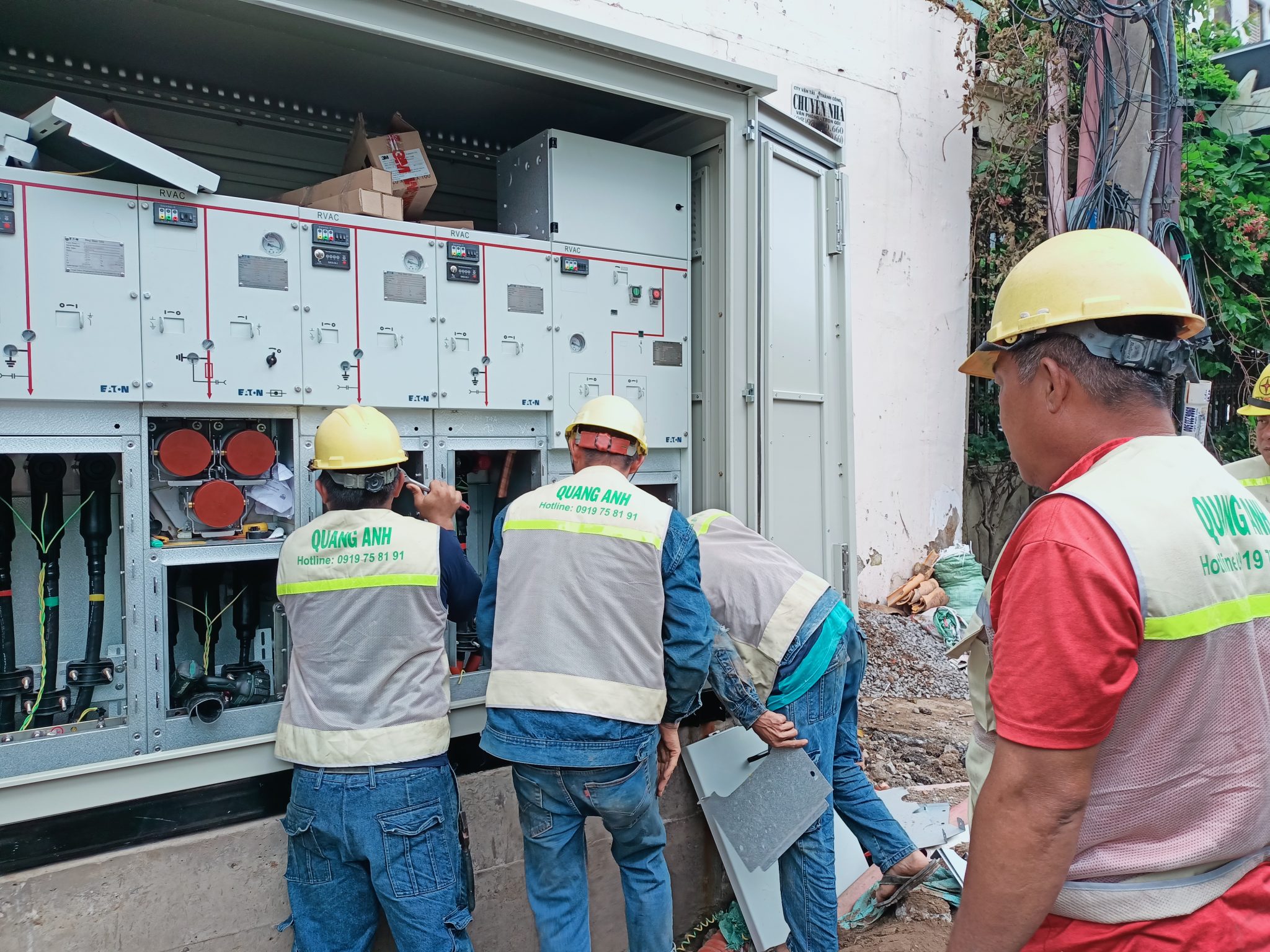
Inspection and Acceptance of Factory Electrical System
After completing the construction process, inspecting and accepting the electrical system is mandatory to ensure everything operates effectively and safely. This process includes trial operation of the system, handing it over to the investor, and receiving customer feedback. Contractors need to complete all handover procedures and ensure the electrical system meets the required quality and performance standards. Acceptance testing not only ensures safety but also affirms the professionalism and quality of the construction.
The inspection and acceptance process of the factory electrical system is an essential activity to ensure the safety and performance of the project. This work includes stages from checking the electrical system diagram to operational testing.
- Electrical System Testing: Start by reviewing the technical drawings to ensure the electrical system aligns with current standards and the equipment installed accurately reflects reality.
- Factory Electrical Inspection: Inspect the condition and quality of electrical equipment such as transformers, generators, and electrical cabinets to confirm safety and operational efficiency.
- Acceptance Testing: The cold acceptance process includes checking input and output bushings along with grounding values, ensuring all live parts are safe before conducting actual electrical acceptance.
- Electrical Safety Standards: Ensure the electrical system complies with technical standards regarding voltage, current, and necessary legal regulations, emphasizing operational safety.
- Operational Testing: Conduct operational trials to evaluate the actual operating capability of the system, ensuring all technical parameters are met and recorded through acceptance documents.
Electrical acceptance is an important step, requiring system test runs with unloaded medium voltage lines and transformer stations within the specified time to ensure performance and consistency.
The final part of the process is handover acceptance, where the entire system is re-checked after undergoing trial operations. This ensures no technical errors and all equipment operates as required.
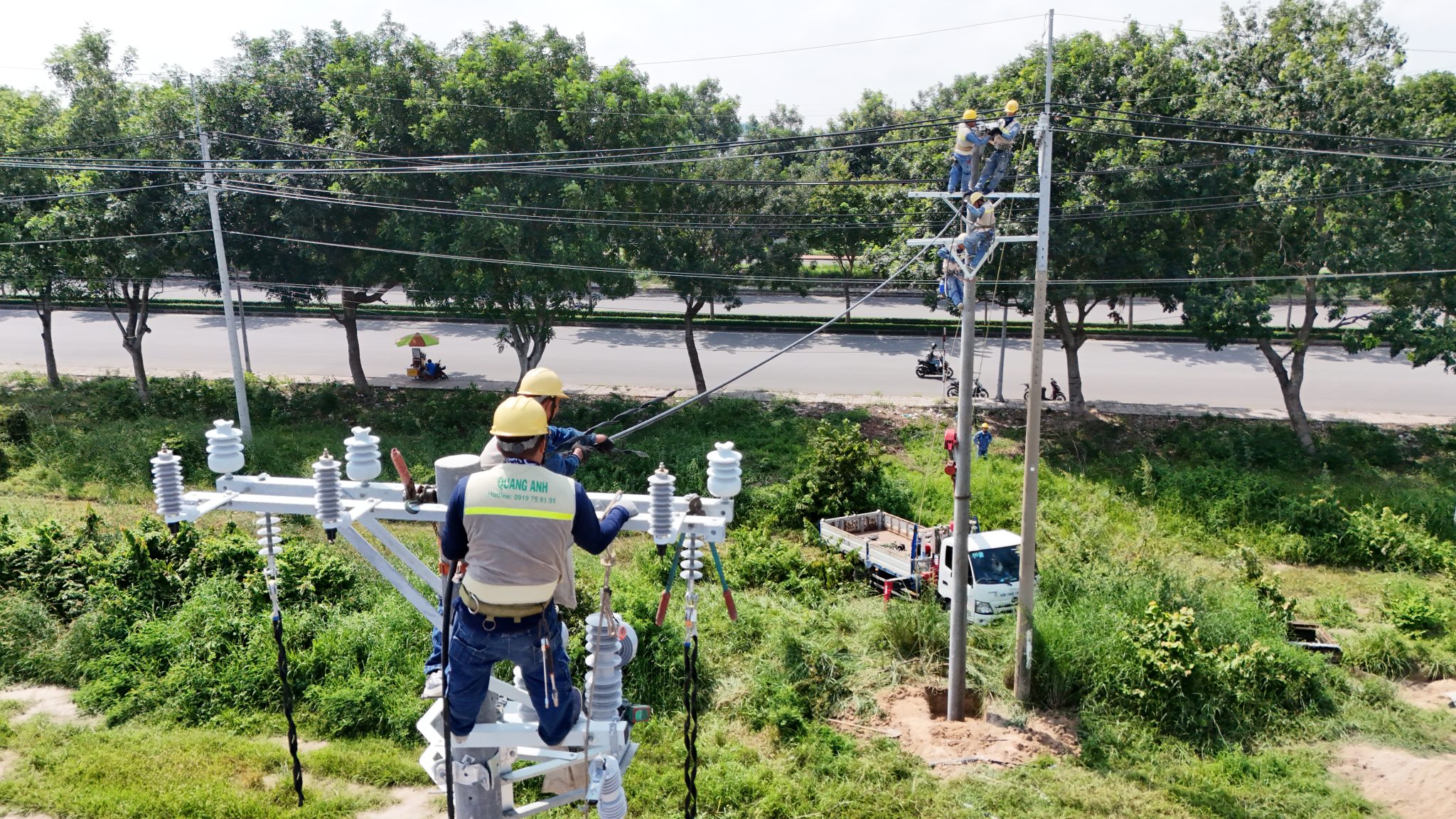
Factory electrical system installation brings numerous technical and strategic benefits, including operational efficiency and safety. Choosing a smart investment option can optimize costs and ensure continuous and stable system operation.
To ensure professionalism and safety in electrical system installation, contact QuangAnhcons via Hotline: +84 9 1975 8191 for support and consultations.
QuangAnhcons provides factory electrical system design and installation services, ensuring quality and compliance with the highest safety standards. Our experienced engineering team is committed to providing optimal solutions for your business.
Tính nhanh giá trạm biến áp
Chọn công suất và chiều dài tuyến để xem giá tham khảo cùng thông số điện.
Gửi yêu cầu báo giá theo thiết kế
Gửi thông tin công trình, BOQ hoặc bản vẽ để nhận báo giá chính thức. Các trường có * là bắt buộc.
Phạm vi báo giá
Áp dụng cho một trạm mua điện EVN, máy dầu 22/0,4 kV (máy một pha: 12,7/0,23 kV), TU/TI trung thế do EVN cấp. Giá gồm thiết bị theo cấu hình, lắp đặt, tiếp địa, liên kết máy–CB tổng, hồ sơ thiết kế–đấu nối và phối hợp thí nghiệm, nghiệm thu điện lực.
Kios, trụ thép hợp bộ và trạm trong nhà có tủ trung thế cùng đoạn cáp ngầm theo thông tin đã nhập. Các kiểu ngoài trời dùng phương án bảo vệ tương ứng; sơ đồ cuối cùng cần phù hợp yêu cầu đấu nối tại công trình.
Chưa gồm VAT, cáp từ tủ trạm đến MSB/phụ tải, hotline, cuộn kháng lọc hài, nền yếu/cọc đặc biệt, đất và PCCC đặc thù. Tuyến ngầm tính theo điều kiện thi công thông thường, chưa gồm khoan qua đường hoặc hoàn trả đặc biệt.
Giá dùng để tham khảo đầu tư. Báo giá chính thức được xác nhận sau khảo sát và thống nhất cấu hình. Thông số điện là lựa chọn sơ bộ, cần kiểm tra theo thiết kế trước khi thi công.
Dải công suất và điều kiện áp dụng
Danh mục là phạm vi tiếp nhận yêu cầu của công cụ, không phải giới hạn công suất chung của TCVN. Trạm treo một máy: 15–100 kVA; bộ ba máy: 3×15–3×100 kVA. Giàn: 100–630 kVA. Trụ thép: 100–630 kVA; 750/800 kVA cần xác nhận thiết kế và chấp thuận tại địa phương. Nền/kios/phòng: danh mục 50–10.000 kVA, không có nghĩa mọi cấu hình đều có giá trọn gói hoặc cùng kết cấu.
Tham khảo QĐ 1299/QĐ-EVN ngày 03/11/2017, Tập 1, mục 3.3–3.4; kiểm tra văn bản hiện hành của điện lực quản lý trước khi triển khai. Kios phải phù hợp định mức/thử nghiệm của nhà chế tạo (IEC 62271-202); phòng/nền phải đáp ứng bố trí, thông gió, kết cấu và PCCC của dự án. Công suất trạm nhiều máy phải tách số máy và công suất mỗi máy.
Công cụ do QuangAnhcons phát triển · © 2026 QuangAnhcons. Mã nguồn theo GPL-2.0-or-later; tiêu chuẩn và dữ liệu hãng thuộc chủ sở hữu tương ứng.