
 Tiếng Việt
 简体中文
简体中文 Deutsch
 日本語
日本語 한국어
한국어 ไทย
ไทย Русский
 Français

This article summarizes the practical steps to bring a substation (new build or retrofit) to a state where energization is permitted and operations can be handed over. The content emphasizes stakeholder responsibilities, the technical on-site inspection checklist before acceptance, documentation required for energization and common risks that can delay the schedule. The text aims to support owners and technical teams in planning execution and communicating with the utility/testing agency. [1]
The procedure includes main steps: site survey → design and connection approval → equipment preparation & verification → MV/LV installation and earthing → testing & technical acceptance → coordinated energization with the utility and operational handover.
Energization delays typically result from missing approval documents, incorrect equipment configuration, earthing faults or insufficient/failed test results — control material quality, prepare test reports and an approved coordination scenario with the utility.
- Framework covering survey, design strategy, documentation preparation, equipment supply through to installation, testing, acceptance and support for energization.
- On-site checklist for key items: transformer, RMU/medium-voltage panel, medium-voltage cables, cable terminations, MSB, earthing, safety signage and operational clearances.
- Identify risks that delay energization (missing documents, incorrect configuration, earthing faults, changed connection point) and mitigation measures.
Who is this for?
- Project owners / clients
- Project engineers / design consultants
- Plant management
- M&E / installation teams
When to read this?
- When planning construction of a new substation or a retrofit/upgrade
- Before preparing energization documentation for the utility
- When needing an on-site acceptance checklist before energization
Site survey and assessment of the existing connection
The survey objective is to identify precisely the connection point (point ID/coordinates), the network type and field factors that affect the construction approach. The survey must include a report with coordinates and field photos, preliminary earthing resistance measurements and cable route checks, transformer location and as‑built records. The assessment results will determine the scope of work, connection documentation requirements and safety measures prior to installation.
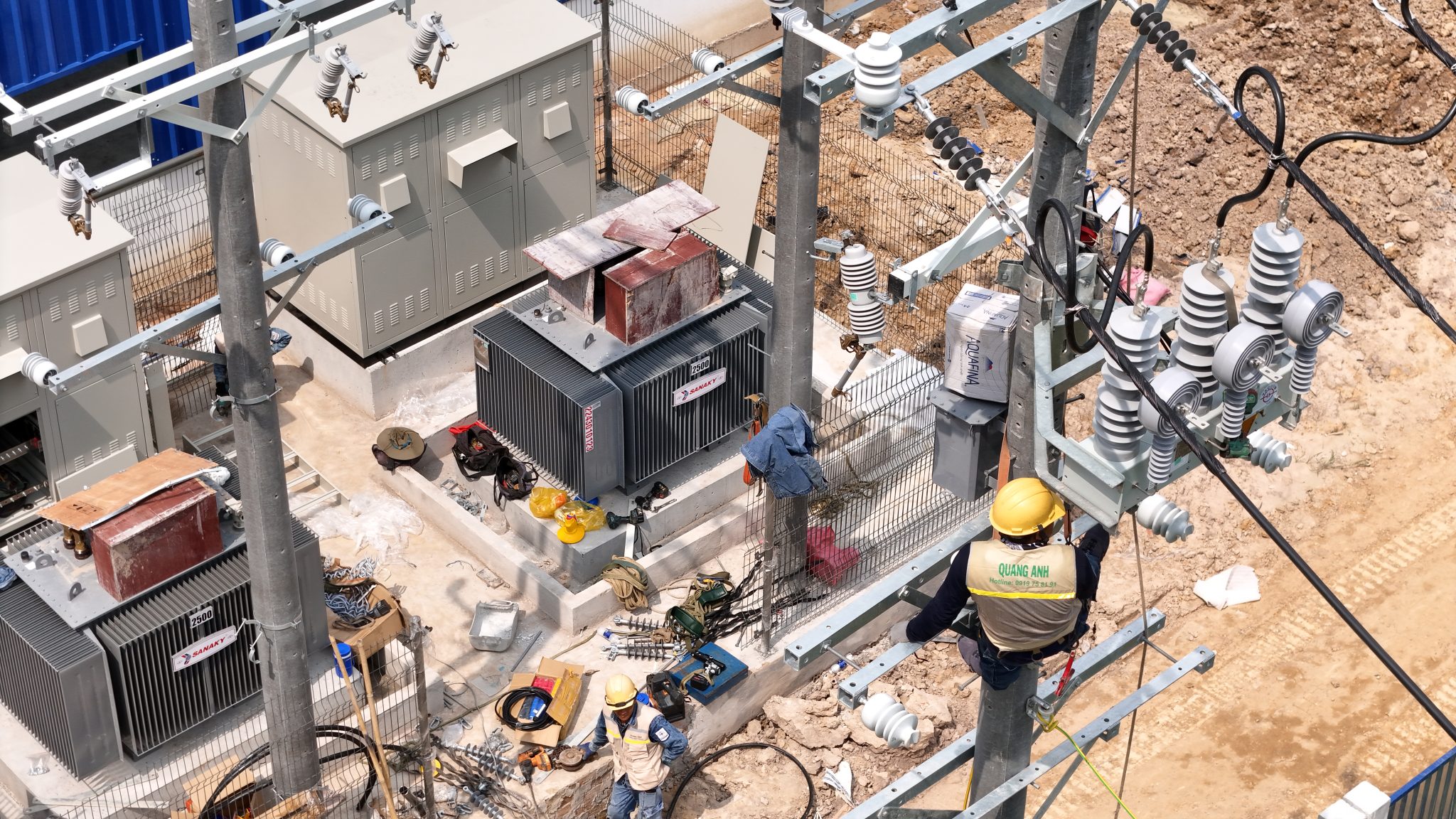
The site survey starts by identifying the connection point, voltage level and the distributor’s requirements; this is the basis to define the connection scope and the documents to collect. [7][8]
On site, collect a survey report with coordinates and photos, perform a preliminary earthing resistance measurement, record the locations of earthing rods and measured values in the report. When surveying at a plant, review as‑built records, busbar diagrams, transformer documentation and maintenance history to cross‑check field conditions against documentation.
Minimum practical checks include:
- Identify the connection point ID and network type (transmission/distribution) according to the distributor; check available capacity and connection conditions.
- Measure the preliminary total station earthing resistance, record earthing rod coordinates and analyze loop resistance; keep a measurement report with photos for acceptance evidence.
- Inspect cable routes (underground/overhead): cable type, conductor cross-section, sheath condition, burial depth and mechanical protection; note damaged or encroached sections.
- Check transformer location and foundation: safe clearances, platform elevation, drainage and the condition of any fire pit or containment.
- Inspect switching and auxiliary equipment and lightning protection: condition of circuit breakers, isolators, relays, lightning arresters and longitudinal bonding.
Documentation and field evidence required: collect the survey report with coordinates and photos, earthing measurement report, monitoring log, equipment list and test certificates. During the survey, tag/mark field locations for easier cross‑reference during design and acceptance.
Two critical points before construction: if preliminary earthing measurements do not meet requirements, prepare a detailed measurement plan and earthing design; if the cable route or safety corridor is encroached, resolve corridor issues before construction. These risks (missing documents, non‑compliant earthing, infrastructure conflicts) will delay the schedule and require additional documentation.
Summary: complete the survey package as required (coordinates, photos, earthing test report, equipment list) and confirm the connection point ID with the distributor before proceeding to the design and installation planning stage.
Design strategy, approvals and documentation preparation
List of design documents, connection plan and regulatory compliance required for approval, acceptance and energization of the substation.
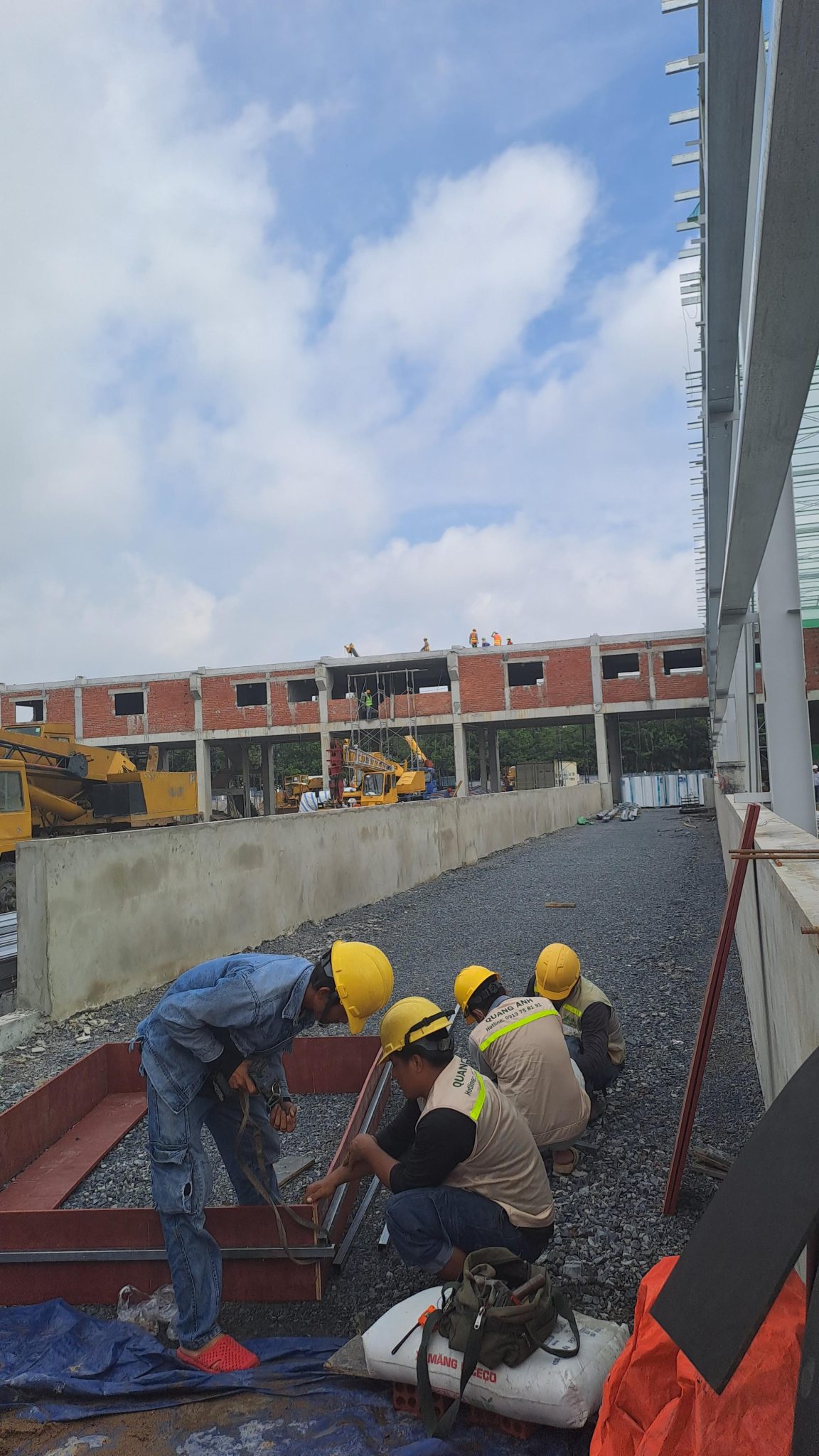
To obtain connection approval and acceptance for the substation, submit a complete design package including site plan drawings, connection diagrams, schematic diagrams, foundation drawings and equipment technical specifications; include pre‑acceptance test reports. [0][0]
Technically, transformer selection must present rated capacity calculations, load factor, no‑load and short‑circuit losses, plus contingency capacity and voltage regulation. When surveying at a plant, provide existing load data, connection configuration and short‑circuit parameters to ensure the selected transformer is appropriate.
Typical minimum documents required:
- Site layout drawings, detailed connection diagrams and main circuit schematics.
- Foundation drawings, clearances and equipment arrangement; earthing layout and lightning protection plan.
- Technical data for transformer and distribution equipment (catalogue, loss data, short-circuit impedance).
- Test reports and pre‑acceptance checks: insulation resistance, dielectric withstand tests, impedance measurements, earthing resistance report.
- Connection agreement / MOA issued by the utility and a description of the connection point.
- Building permits, planning confirmations and location approvals (if applicable).
- As‑built acceptance package, record drawings and equipment logbook for handover to the owner and the utility.
Regarding regulatory compliance and capability, the design/installation entity must meet conditions in relevant regulations (e.g. Circular 21/2020/TT-BCT and related decisions) and hold required competency certificates. During maintenance or at the acceptance/commissioning stage, check signatures, stamps and the utility’s connection agreement before energization.
Common documentation risks include missing detailed connection diagrams, incomplete transformer data or absence of a connection agreement from the utility; such omissions usually delay approval and energization. After approval, prepare record drawings, equipment logbook and test certificates for handover; also perform supplementary field surveys for any missing parameters before formal acceptance.
Equipment supply preparation and material quality control
Verify factory certificates and confirm equipment configuration (transformer, RMU, panels, cables) before shipment to avoid configuration errors that delay acceptance.
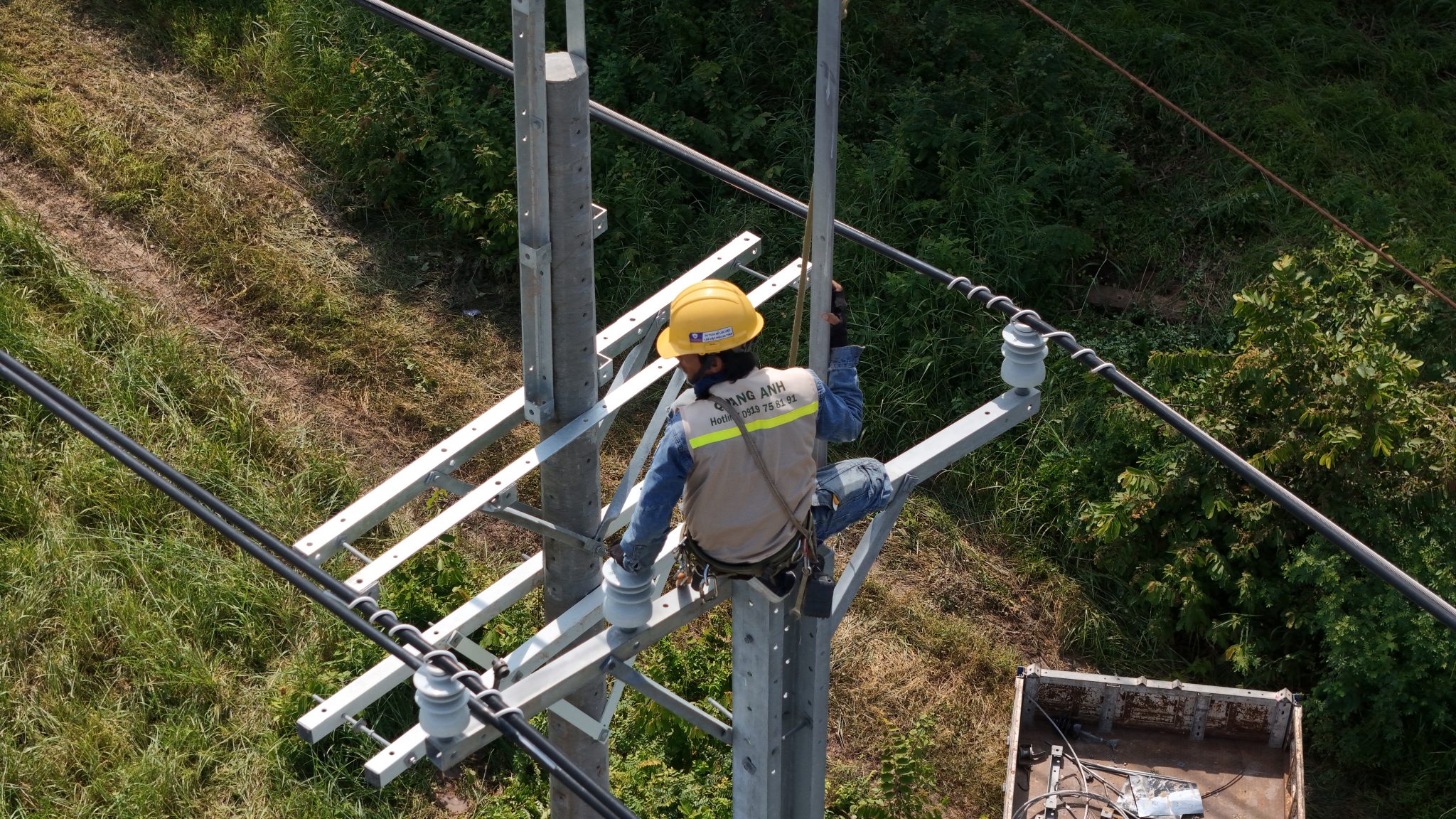
Verify factory certificates and confirm equipment configuration (transformer, RMU, panels, cables) before shipment to avoid configuration errors that delay acceptance. [0][0]
On site, completing document verification is a precondition for provisional acceptance and proposing an energization schedule; when surveying at a plant, missing certificates will interrupt the process.
Documents and technical evidence to check upon equipment receipt:
- Factory release certificate / Certificate of Conformity (COfC), technical catalogue, nameplate data.
- FAT (Factory Acceptance Test) report and incoming inspection report with factory test results.
- Electrical safety test results: insulation resistance, power frequency dielectric tests, transformer ratio/nominal voltage verification.
- Installation drawings, wiring diagrams, auxiliary materials list (bolts, washers, flanges) and maintenance manuals.
During configuration verification, confirm exact model, serial number, wiring style, rated capacity, voltage, transformation ratio, vector group and insulation medium (if applicable).
At the plant, compare the nameplate with the catalogue and PO/contract as a quick step to detect wrong equipment codes; the configuration checklist must link directly to the construction drawings and state acceptable deviations.
If a configuration error or missing certificate is found, the practical handling procedure includes: photograph the issue, quarantine the equipment, issue a non‑conformance (NC) report and coordinate with the manufacturer/supplier for corrective or replacement measures.
Operational warning: do not install or energize without valid insulation resistance and dielectric test results; any unresolved NC will delay acceptance and may require approval from EVN/the utility.
The next stage is typically organizing FAT/SAT, reconciling complete documentation for the acceptance report and confirming legal documents before scheduling energization.
MV–LV installation and on-site safety
Describe steps to install medium-voltage panels/RMUs, pull and terminate cables, complete the MSB and accept the earthing system along with on-site safety requirements before energization.
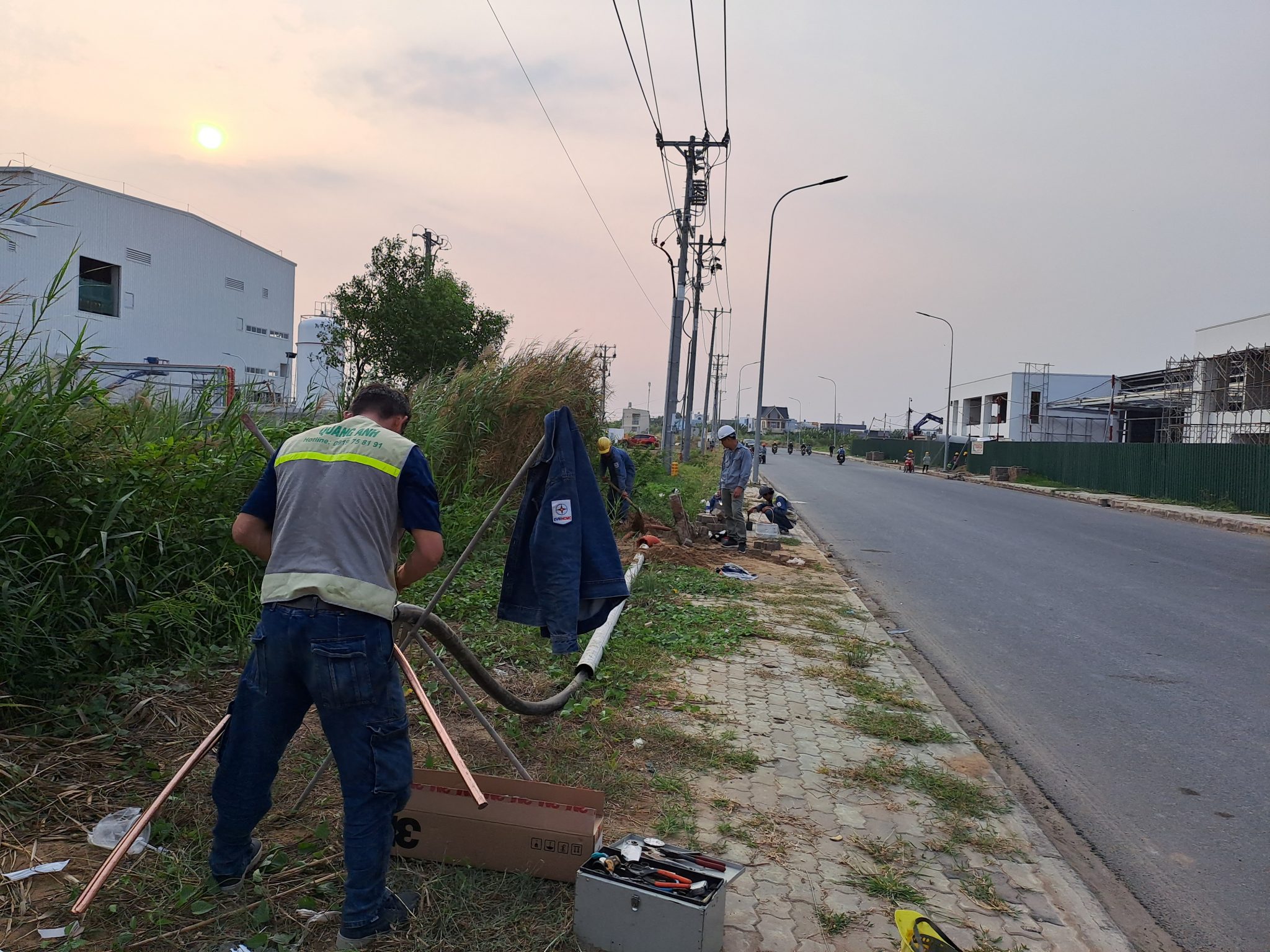
Installing MV panels/RMU, pulling and terminating MV cables, assembling the MSB and completing the earthing system must follow a sequence of mechanical checks, electrical tests and safety lockout procedures prior to acceptance and energization. [0][0]
On site, an as‑built installation report, complete wiring diagrams and an earthing inspection report are mandatory before any MV compartment is energized. At a plant, check installation location, nameplates, torque of connections, panel straightness, insulation clearances and mechanical earthing connections.
Main installation / inspection steps (summary) include:
- Preparations before works: confirm energization/connection permits, reschedule with the utility (EVN) if needed, maintain a work log, use PPE, secure the area and appoint an electrical safety supervisor.
- Mechanical installation of panels/RMU/MSB: check position, secure bolts, torque according to manufacturer requirements, verify operational gaps and mechanical interlocks; during works inspect mechanical‑to‑earth continuity.
- Pulling and terminating MV cables: confirm cable type, phase marking, strip sheaths per drawings, perform terminations using the correct connector type, torque cable connectors and apply protection; inspect mechanical integrity and measure circuit continuity.
- Earthing system: install earthing conductors, weld/torque joints, check continuity and measure earthing resistance before acceptance.
- Pre‑energization tests: measure phase insulation resistance, check secondary circuits, perform no‑load operational tests of compartments, verify safety interlocks and record test reports.
On-site acceptance checklist (short sample):
| Item | Check | Notes |
|---|---|---|
| Documentation | As‑built installation report; wiring diagrams; work log | Cross‑check drawings and signatures of parties |
| Mechanical condition of panels/RMU | Location, bolting, nameplates, straightness, insulation clearances | Inspect directly on site |
| MV cable terminations | Phase marking, mechanical joints, continuity, insulation | Continuity tests and photos of joints |
| Earthing | Continuity of connections, welds/torques, earthing resistance measurement | Record measurements and compare to requirements |
| Testing | Insulation resistance, secondary circuit check, no‑load test | Test reports signed by acceptance party |
Operational warnings: all work on the network must be locked out and clearly signed; if defects are found (loose joints, failed earthing readings, missing documents) stop works, issue a report and rectify before continuing. An electrical safety supervisor and appropriate PPE must be present during works.
If inspection reports, measurement results or equipment documentation are incomplete, suspend acceptance, complete the paperwork and retest; only after compliance should the official energization schedule be coordinated with EVN/the utility.
Testing, technical acceptance and acceptance records
List of tests and the acceptance procedure for substation items, MV panels, cables, MSB and earthing system as the basis for energization.
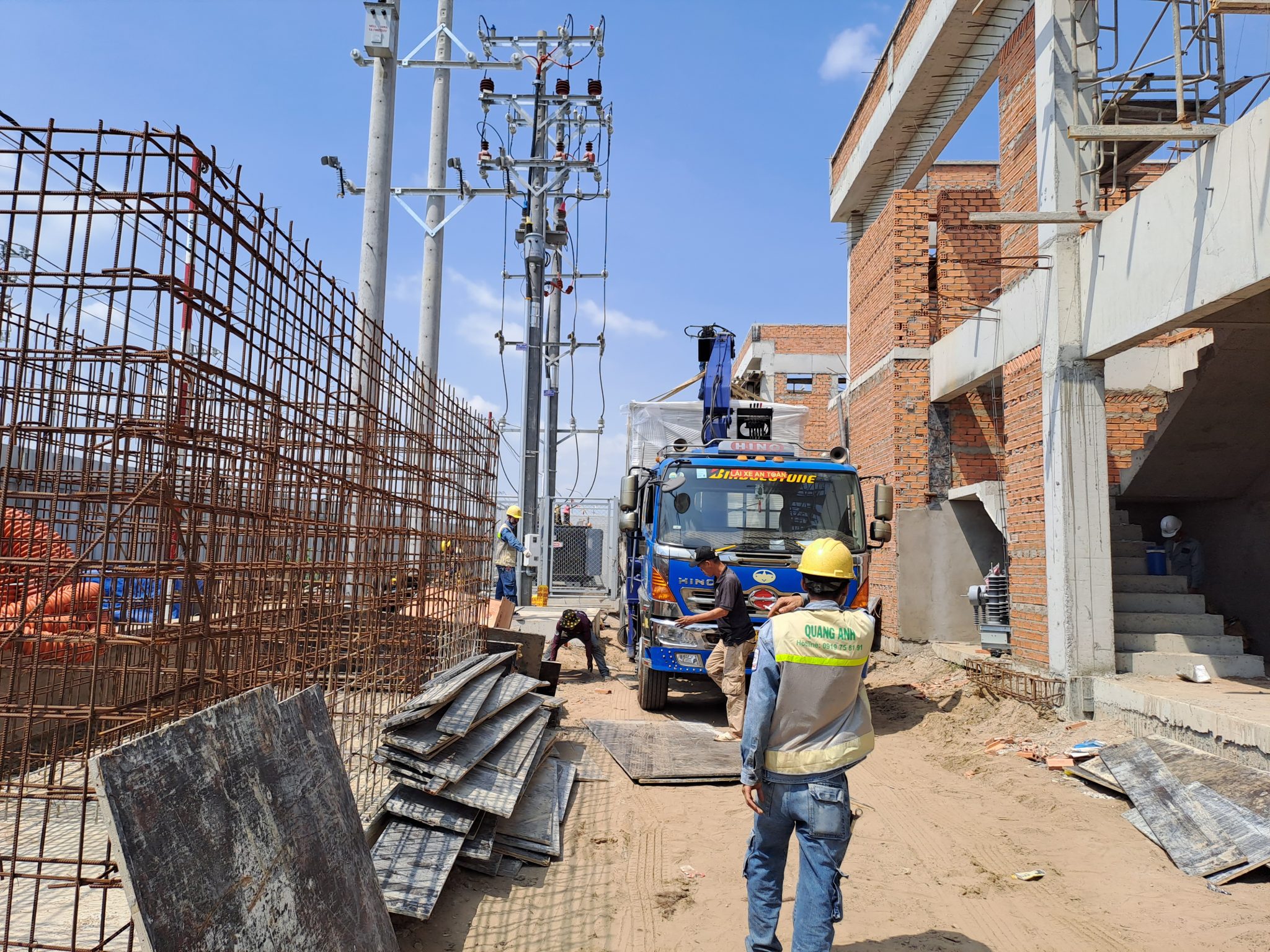
Mandatory tests for substation acceptance include measurements on the transformer, MV panels/RMU, cables/cable terminations, MSB and the earthing system to conclude pass/fail. [3][0]
The usual testing sequence starts with document and material verification, followed by passive measurements (e.g. resistance, insulation), then functional tests and protection tests, and finally an overall acceptance prior to energization. On site, check calibration stickers of test equipment and the work log before each test group.
At a plant, tests should be organized in the following order to avoid repeated activities and reduce operational risk:
- Document check, calibration stickers of measuring instruments and material condition.
- Passive measurements: winding resistance, earthing resistance, DC/AC insulation resistance tests.
- Functional/load tests: operation of switching devices, transformer ratio and loss measurements, heat dissipation checks and oil inspections.
- Protection and relay coordination tests: relay testing, logic checks and time grading verification.
- Overall acceptance with witness/supervision by the distributor if required.
The table below summarizes test items by equipment and practical inspection criteria on site:
| Item | Main tests | Criteria / inspection points |
|---|---|---|
| Transformer | Insulation resistance test, ratio measurement, short-circuit current measurement, loss measurement, oil inspection | Record test results, compare losses and phase displacement with technical specs; note oil observations if any |
| MV panels / RMU | Dielectric withstand test, functional switching tests, relay checks | Record dielectric test results, confirm switching functions and relay test outcomes against configuration |
| Cables and terminations | DC/AC insulation tests, loop resistance, capacitance / tan delta measurements | Raw measurement data files, photos of joints, and calibration sticker of measuring instruments included in the report |
| MSB / Power distribution | Functional checks, dielectric test, load test | Record operation under load scenario; dielectric and load test results must include acceptance remarks |
| Earthing system | Earth resistance measurement, ground grid testing | Measurement report with measured values, test method and calibration certificate of instruments |
Mandatory acceptance records include detailed signed test reports with pass/fail conclusions, a consolidated technical acceptance report, the work log and any correction records. During maintenance or if failures are detected, prepare remediation reports, specify corrective plans and perform re‑acceptance before commissioning.
For coordination with the distributor/utility, agree on a test schedule and notify safety conditions prior to energization; if witness is required, arrange utility representatives and use signed minutes as confirmation. Operational warning: missing calibration certificates of test equipment or unsigned reports will render acceptance documentation inadequate for energization.
Next, compile the overall acceptance package, attach raw data and signed minutes, then coordinate the energization schedule with the distributor to perform the energization acceptance according to regulations.
Coordinated energization with the utility, handover and operation
Preparing energization documentation, confirming the connection point and an approved coordinated switching scenario are mandatory before releasing the network and performing operational handover.
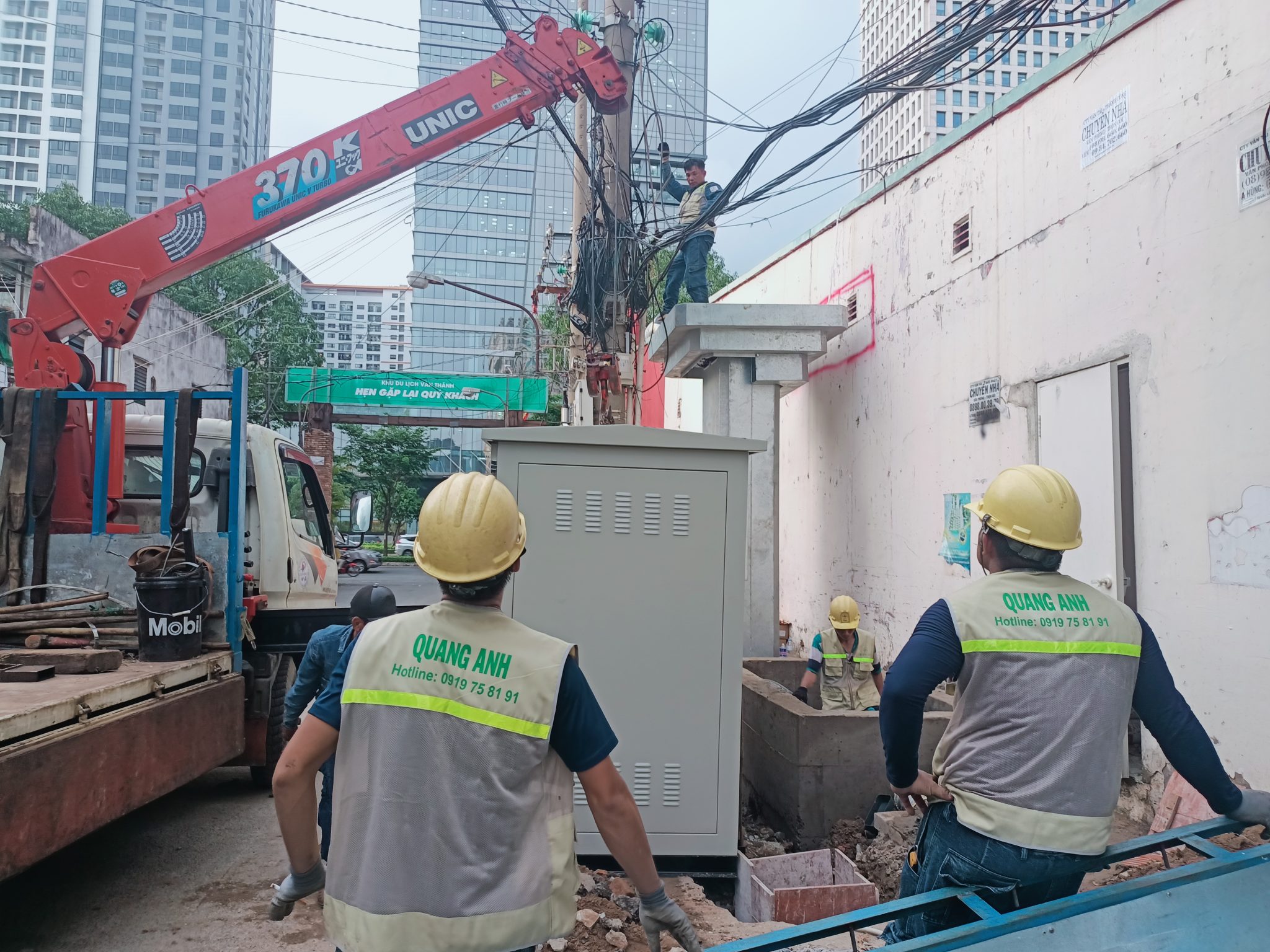
Energizing a substation requires complete documentation, confirmation of the connection point with the utility and an approved coordinated switching scenario. [0][0]
On site, minimum documentation includes the technical acceptance record, test results, connection diagram, earthing documentation and the electrical safety plan. At a plant, verify consistency between the connection diagram, control panels and field circuit labeling.
Steps to prepare a coordinated energization scenario include: pre‑G hour preparations, pre‑G checks, execute shutdown and energize, monitor/measure after energization and complete the minutes. During maintenance or switching operations there must be an emergency stop point, authorized switching permits and clear assignment of responsibilities for each role.
- Prepare documents and checklist: design, acceptance records, test results, earthing documentation, permits/insurance if required.
- Confirm the connection point and schedule with the utility; define time windows and operating conditions before/after energization.
- Carry out mandatory pre‑energization checks: insulation tests, winding ratio, earthing verification, protection relay and breaker checks, measure leakage current and short‑circuit impedance.
- Execute energization according to the approved scenario, monitor signals and parameters, handle incidents and record the energization minutes.
Emergency contact list and responsibilities must be printed and available on site; include utility, owner, main contractor, testing agency and safety team. In practice, missing a utility outage window or failing test records commonly cause energization delays.
- Pre‑energization checks: compare test results with documentation, independently verify earthing and validate protection relays.
- Risk mitigation: pre‑acceptance documentation checklist, early factory or pre‑site testing, simulate energization scenarios and perform a PSSR when needed.
The technical acceptance minutes and energization report must state minimum content and signatories with responsibilities. After energization, monitor stability for at least 24–72 hours to confirm no abnormal behavior before final handover.
At the end of energization, the operational handover package should include the handover record, equipment logbook, operation manuals, initial maintenance instructions and a spare parts list. For archiving, digitizing SCADA/DMS documents and operation logs improves traceability during future acceptance checks.
A smooth energization depends on accurate documentation, equipment configuration control, complete test results and close coordination with the utility. Starting with a thorough survey and on‑site checklist reduces the risk of delays at later stages.
Frequently asked questions
What documents are required for connection application and substation energization?
Typically: approved design package (connection drawings, schematics), connection agreement from the utility, test reports and acceptance minutes, factory certificates (COfC), earthing documentation, wiring diagrams, permits/insurance as applicable and the emergency contact list. Check additional regional utility requirements.
Which tests are mandatory before substation acceptance?
A complete test set for each item is required: transformer (insulation test, ratio measurement, oil checks), MV panels/RMU (dielectric test, functional switching and relays), cables/terminations (megger insulation test, loop resistance) and the earthing system (resistance, continuity). Refer to the contract and utility requirements for the full list.
How to handle incorrect equipment configuration found before acceptance?
If incorrect configuration is found, suspend acceptance, compare PO/COfC and design drawings to assess deviation. Record the issue, notify the owner and manufacturer; perform repairs, adjustments or replace equipment per contract, then re‑verify configuration and repeat relevant tests.
Who is responsible for coordinating the energization schedule with the utility?
Coordination is normally handled by the party named in the contract (owner or main contractor). They contact the utility to request a schedule; however energization requires representatives from the utility, the installation contractor and the design/supervision consultant to attend. If unclear, identify the coordination point in the contract and the MOA.
Common earthing faults and verification/remediation measures?
Common earthing issues: high ground resistance, loose/oxidized earthing connections, discontinuous ground loop or insufficient rod layout. Verify with resistance and continuity tests, inspect welds and rod locations. Remediate by adding/replacing rods, refurbishing joints, welding/torquing and re‑measuring to confirm compliance.
Quick checklist: Preparation before substation construction
- Confirm the connection point with the utility: connection point ID, type of connection (disconnect/close), distributor requirements.
- Collect approved design documentation: P&ID, MV/LV connection diagrams, site layout, construction method statement and safety plan.
- Check capacity requirements and select an appropriate transformer; allow for contingency/expansion.
- Control materials: request factory certificates (COfC), technical data, verify transformer/RMU/panel terminal configuration and wiring points.
- Plan testing: list required tests (megger, transformer oil/electrical tests, earthing checks, ratio testing, cable termination tests) and schedule an independent testing agency if needed.
- Prepare sample technical acceptance forms and acceptance criteria for each device/item.
- Check the earthing system: measure earthing resistance, confirm continuity and document earthing rod locations.
Please prepare capacity information, location, legal project documents and existing connection conditions for QuangAnhcons to review the plan before construction.
References (12)
Regulatory content, acceptance requirements and connection procedures must cite official sources (e.g. documents and guidance from EVN/regional distributor, Ministry circulars, QCVN/TCVN and relevant IEC standards). All technical requirements and checks must be supported by dated minutes/test reports with the performing organization’s name and product certificates (COfC). Avoid referencing unverified manufacturer documents; prioritize government texts, utility guidance and current national/international standards. During editing, add URLs and effective dates for each regulatory reference.
-
Quyet dinh phe duyet ke hoach xay dung TCVN nam da nen
Official source from tcvn.gov.vn, for verifying mentioned technical information or regulations.
-
TCVN02122019
Official source from tcvn.gov.vn, used to verify technical information or regulations mentioned.
-
Draft list of TCVN plan
Standards/regulatory document used to cross‑check technical requirements referenced in the article.
-
Guidance on applying TCVN for electrical vehicles
Official source from tcvn.gov.vn, to verify technical information or regulations mentioned.
-
tcvn.gov.vn
Official source from tcvn.gov.vn, used for verification of technical information or regulations.
-
tcvn.gov.vn
Official source from tcvn.gov.vn, for verifying technical information or regulations in the article.
-
Announcement of TCVN on external wind power structures for renewable energy
Standards/regulatory document used to cross‑check technical requirements referenced in the article.
-
QCVN/regulations related to fire safety and building safety (e.g. QCVN 06/BXD for substations inside buildings) | Ministry of Construction | 2020
Standards/regulatory document used to cross‑check technical requirements referenced in the article.
-
National Standards list (Final)
Official source from tcvn.gov.vn for verifying technical standards mentioned.
-
QCVN 26/…/BCT (draft on substation safety corridors) | Government Gazette
Regulatory document used to cross‑check technical requirements referenced in the article.
-
Warning on safety risks from poor quality electrical installations
Official source from tcvn.gov.vn used to verify technical or regulatory points.
-
Proposal for new standards on protection against electric shock when charging EVs
Official source from tcvn.gov.vn, used for context on relevant standards.
Substation budget estimate
Select the capacity, route lengths and package to view your indicative budget and electrical parameters.
Request a project quotation
Send your project details, BOQ or drawings to request a formal quotation. Fields marked * are required.
Quotation scope
Applies to one EVN-supplied substation with oil-immersed transformers at 22/0.4 kV (single-phase: 12.7/0.23 kV), with MV metering VTs/CTs supplied by EVN. The estimate includes the selected equipment, installation, earthing, transformer-to-main-breaker connections, design and connection documentation, and coordination of testing and utility acceptance.
Kiosk, integrated steel-pole and indoor substations include MV switchgear and the entered underground cable route. Other outdoor arrangements use the relevant protection configuration. The final diagram must meet the project connection requirements.
Excludes VAT, cables from the substation switchboard to the MSB/loads, live-line work, harmonic reactors, weak-ground treatment or special piling, land and special fire-protection provisions. Underground routes assume normal construction conditions and exclude road drilling and special reinstatement.
Prices are indicative investment budgets. A formal quotation follows site assessment and agreement on the configuration. Electrical selections are preliminary and require design verification before installation.
Capacity range and application conditions
The catalogue defines the enquiry range of this tool, not universal TCVN capacity limits. Single pole-mounted transformers: 15–100 kVA; three-unit banks: 3×15–3×100 kVA. Platform substations: 100–630 kVA. Steel-pole substations: 100–630 kVA; 750/800 kVA require design verification and local approval. Ground-mounted, kiosk and indoor configurations: 50–10,000 kVA. Not every configuration has a package price or the same structural design.
Reference: EVN Decision 1299/QD-EVN dated 3 November 2017, Volume 1, sections 3.3–3.4. Check the current requirements of the responsible utility before implementation. Kiosks must meet manufacturer ratings and testing requirements (IEC 62271-202); indoor and ground-mounted arrangements must meet project layout, ventilation, structural and fire-protection requirements. For multiple transformers, specify the quantity and capacity of each unit.
Developed by QuangAnhcons · © 2026 QuangAnhcons. Code licensed under GPL-2.0-or-later. Standards and manufacturer data belong to their respective owners.