
 Tiếng Việt
 简体中文
简体中文 Deutsch
 日本語
日本語 한국어
한국어 ไทย
ไทย Русский
 Français

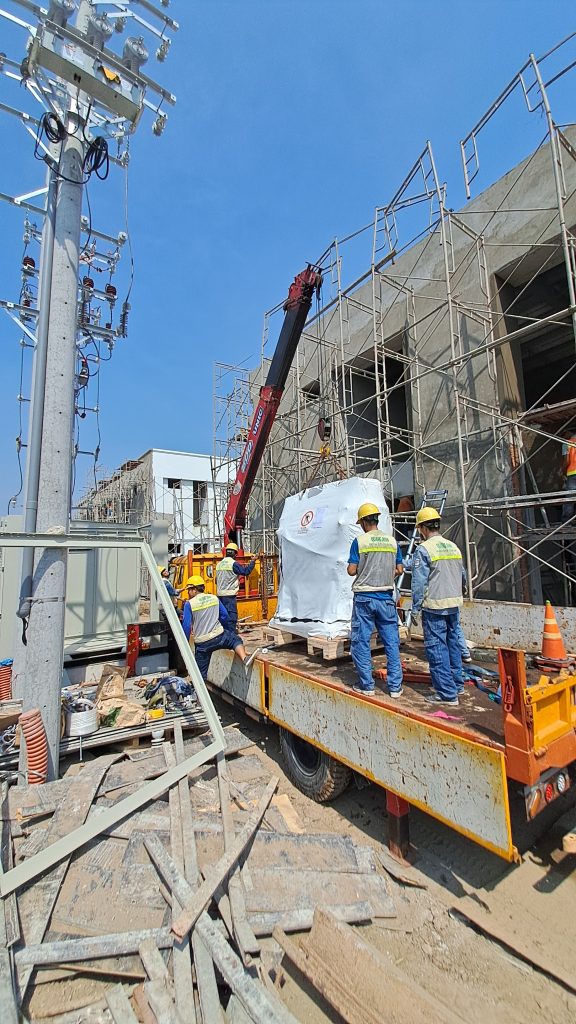
This article provides a technical framework and pragmatic decisions for turnkey substation construction at industrial plants: main work items, risks to note and the requirements for connection with EVN. The content emphasizes the need for on-site survey and verification of approval documents; detailed recommendations depend on actual project data collected on site. [1]
Turnkey substation construction for industrial plants includes: on-site survey, design, foundation and structural works, installation of transformers and medium-voltage switchgear, connection to the EVN medium-voltage network, testing and acceptance.
Each project requires survey documentation and a connection approval document from EVN; all technical recommendations must be based on the site survey and verification of the applicable regulatory standards.
Who is this for?
- Investors / plant management
- On-site technical / electrical teams
- Project managers and design consultants
When to read this?
- When planning a new substation or a medium-voltage connection with EVN
- When considering capacity upgrades, relocation or undergrounding of medium-voltage lines
- Before requesting quotes or scheduling an on-site survey
Construction / installation / new-build substation (EPC newbuild)
The scope of a new substation project includes on-site survey, foundation design, installation of transformers and medium-voltage switchgear, EVN connection, testing and acceptance.
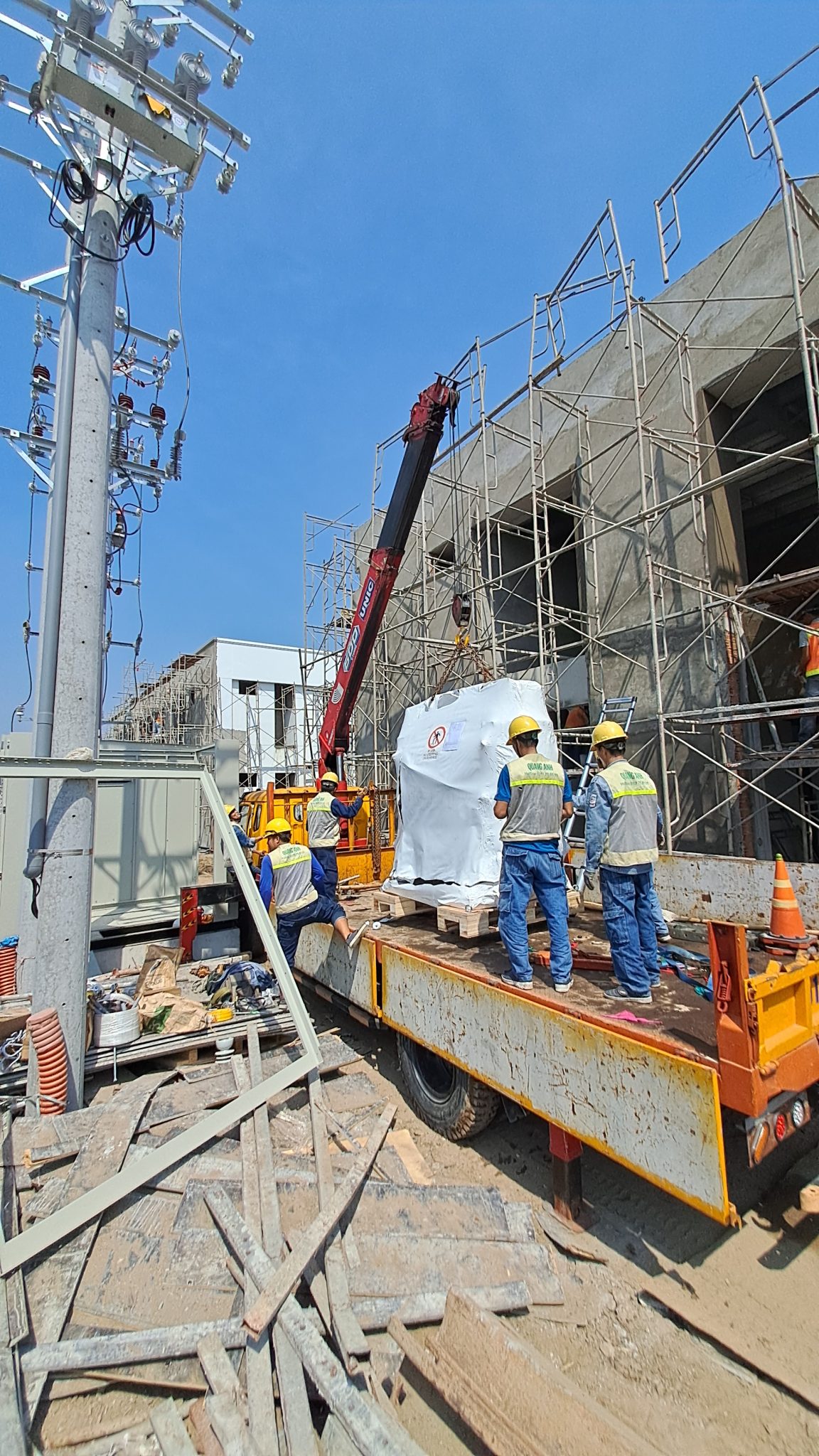
New substation construction begins with an on-site survey and a connection dossier with the distribution utility (EVN); these are mandatory before foundation design and the installation of connection lines. During the plant survey, identify the medium-voltage connection point, safety corridors, geotechnical conditions, groundwater level and routing for cables/overhead lines. [0][0]
Foundation and structural design must use transformer data (weight, lifting points, anti-vibration criteria) as input, and comply with appropriate substation standards. On-site, check electrical clearance distances and the planned location of the medium-voltage switchgear before pouring foundations to avoid major rework during construction.
Selection of transformers and medium-voltage equipment includes determining rated capacity, transformer ratio, earthing type, insulating medium (oil/solid insulation) and short-circuit impedance; RMU/switchgear assemblies must match the nominal voltage range and switching type. During commissioning/run tests, testing should include insulation resistance, leakage current checks, no-load/load run tests and verification of the earthing system.
Regulatory and coordination requirements for connection: a connection application and an approval/consent record from EVN must be in place before building lines or performing outages. During construction, propose a coordinated outage plan and a joint energization acceptance with EVN to ensure N-1 conditions and safe operation.
Occupational safety and fire protection require safety corridor plans, signage, electrical outage procedures for works, lightning protection and fire protection measures for the transformer room/switchgear room. Operational warning: do not start connection works or energize without EVN connection approval or if geotechnical surveys have not confirmed foundation stability.
| Item | Description | Checks required |
|---|---|---|
| On-site survey | Identify connection point, safety corridor, geotechnical survey and cable/line routing | Survey minutes, geotechnical report, cable routing drawings |
| Foundation & architectural design | Design based on transformer weight, lifting points and anti-vibration criteria | Construction drawings, soil mechanics checks, clearance distances |
| Supply & installation of equipment | Transformers, medium-voltage switchgear (RMU/switch assemblies), earthing, connection cables | Equipment catalogues, manufacturer test dossiers, earthing inspection |
| Connection with EVN | Coordinate outage schedule, energization acceptance, network diagram checks | Connection approval documents, energization acceptance minutes |
| Testing & acceptance | Insulation tests, no-load/load run tests, switchgear functional checks | Test reports, acceptance dossiers per EVN/TCVN requirements |
Next steps: after completing construction dossiers and technical acceptance before energization, prepare the joint energization acceptance minutes with EVN and handover operation documentation. If any required input documents (connection approval, geotechnical report, equipment data) are missing, suspend the related construction activity until the documentation is complete.
Transformer & substation repair – maintenance – servicing
Checklist and procedures for transformer repair and station works, focusing on oil leaks, oil replacement, electrical checks and post-repair acceptance testing.
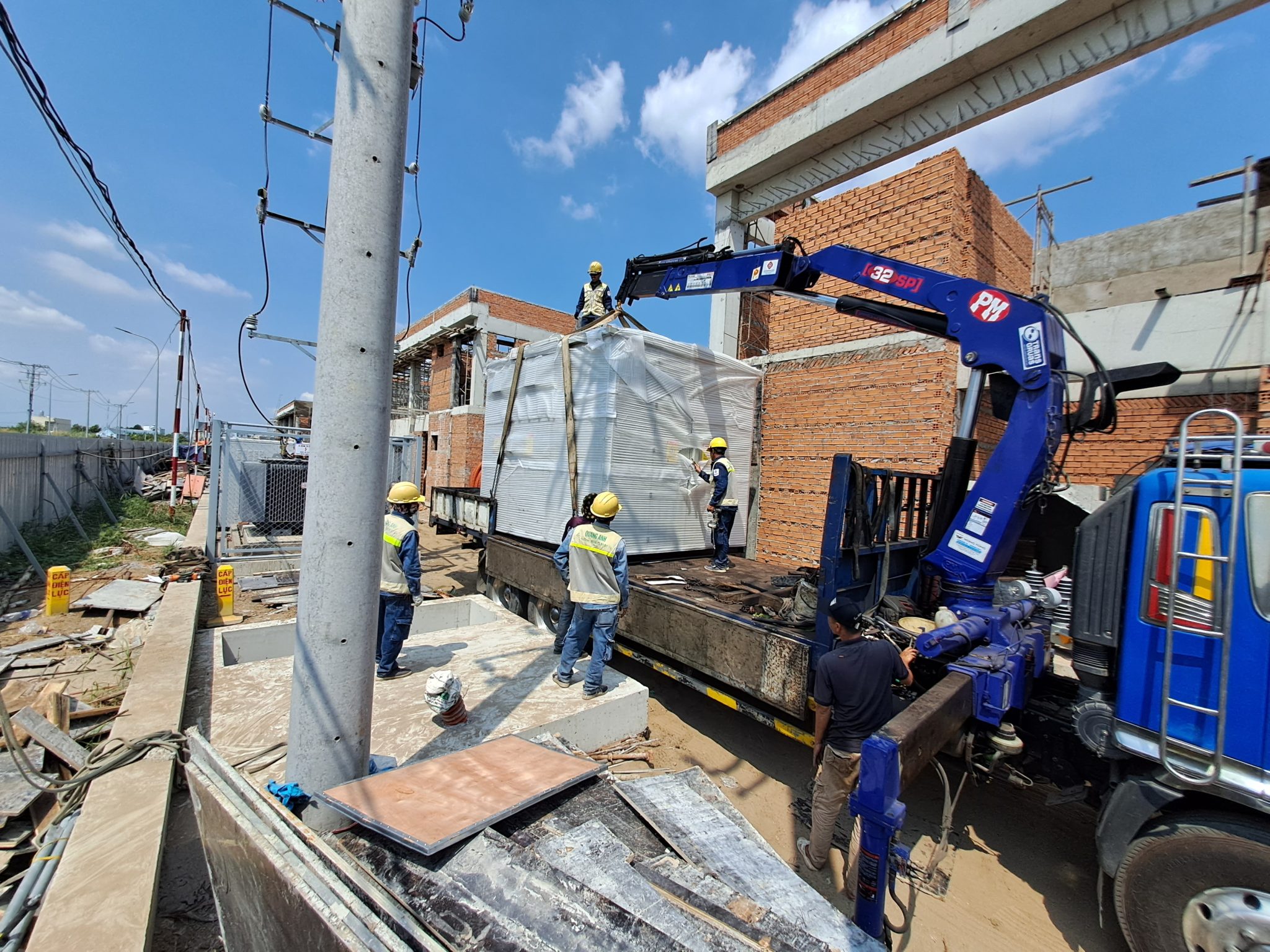
Transformer and substation repair and maintenance require visual inspections, electrical measurements and pre/post-repair testing to ensure insulation integrity and safe operation. [4][0]
On site, start by assessing the condition: inspect for oil leaks, oil level, signs of overheating and abnormal noise; then take oil samples for moisture, acid number and dissolved gas analysis before deciding on filtration or oil replacement. During maintenance, measure insulation resistance, tan delta (Tgδ), capacitance and winding resistance; these results form the basis for post-repair acceptance.
Common fault handling steps include: identifying the leak source (gasket, bushing, cracked tank), isolating the transformer from the network if needed, collecting oil samples, performing temporary sealing measures (gasket replacement or welding/patching) and assessing environmental impact. For thermal management, inspect fans, radiators and measure winding/oil temperatures to differentiate overload, blocked oil flow or cooler failure.
- Periodic check list: visual inspection; oil level and moisture; Tgδ; winding resistance; transformation ratio; post-repair dielectric tests.
- Oil replacement: based on sample analysis (moisture, acid number, sludge); if quantitative data is missing, sample testing and operational history must be reviewed before deciding.
- Noise/vibration: classify source (mechanical, electromagnetic), inspect magnetic clamp and structure, mitigate by tightening fasteners or installing vibration pads when surveyed on site.
Minimum acceptance tests after repair must include: winding resistance, insulation resistance and tan delta, dielectric withstand test and technical acceptance report; this report is legal evidence required before re-energizing the station. When applying condition-based maintenance (CBM), use PD monitoring, thermal imaging and online oil analysis to prioritize interventions based on condition.
| Item | Description | On-site checks |
|---|---|---|
| Oil leaks | Identify source, temporary sealing, collect oil sample | Observe leak points, measure oil level, send sample for analysis |
| Oil replacement/filtration | Decision based on moisture, acid number, sludge | Oil analysis results before/after, check filtration system |
| Electrical checks | Measure winding resistance, Tgδ, capacitance, dielectric test | Measurements pre/post repair, acceptance report |
Operational warning: on-site, if there is no inspection certificate or clear operational history, legal and safety risks increase; arrange for an accredited inspection before re-energizing. Also, all live work must follow lockout/tagout and temporary earthing procedures per occupational safety regulations.
Capacity upgrade – modernization – refurbishment of substations
Assessment and selection process for capacity upgrade, replacement or addition of transformers based on load survey, structural conditions and EVN connection requirements.
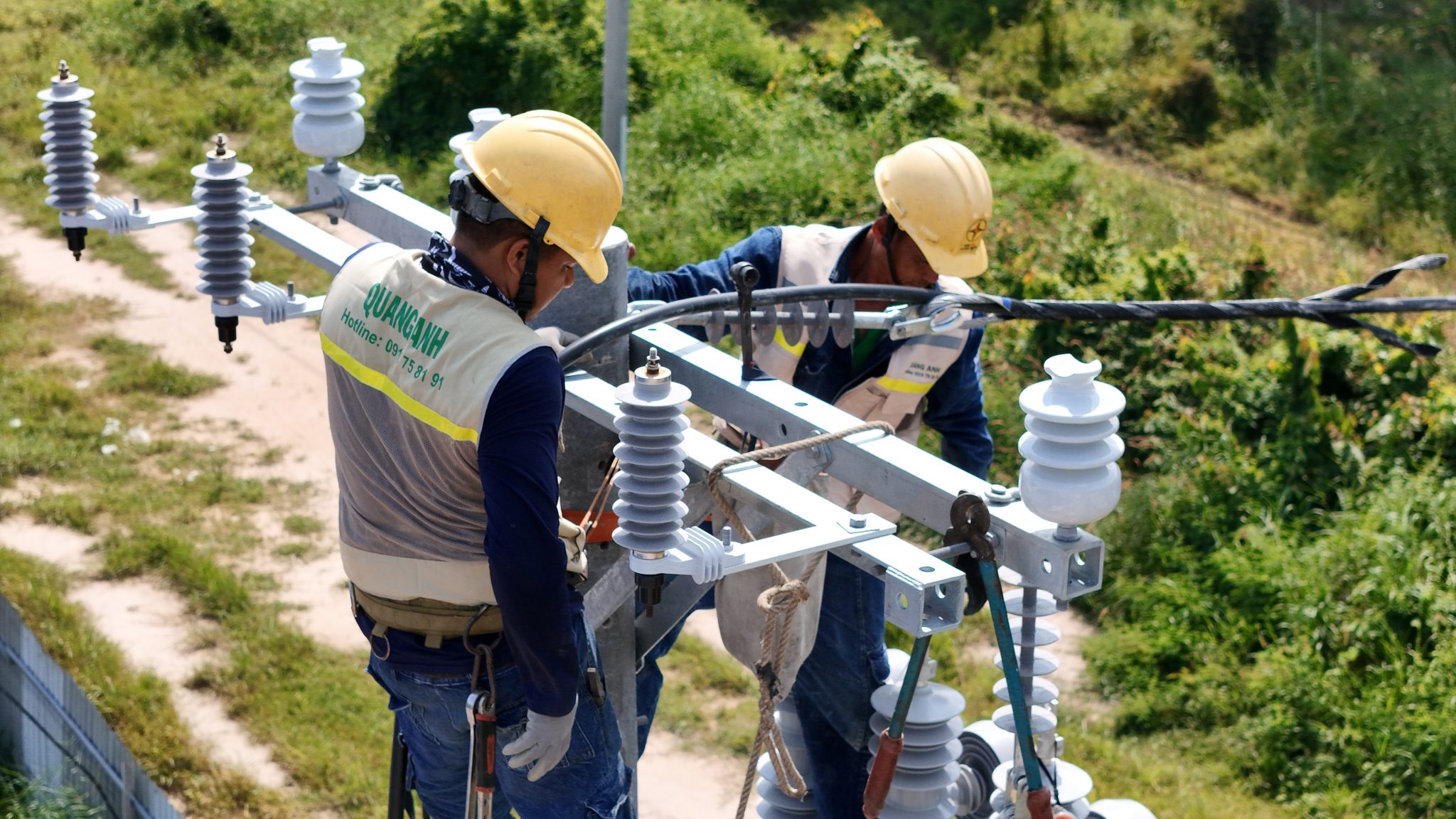
When increasing capacity or replacing a transformer, conduct a load condition survey, protection compatibility checks and analyze options such as rewinding, replacing or adding a transformer to decide the optimal solution. [0][0]
On-site, collect the substation technical dossier and perform checks including: connection diagram, transformer documentation, bay capacity, foundation condition, earthing and protection/control systems. Transformer technical data should include: rated capacity (MVA), rated voltages, vector group and tap ratio, short-circuit current and impedance, overload capability, cooling requirements, dimensions and weight, foundation dimensions and earthing requirements.
| Item | Description | Checks required |
|---|---|---|
| Load survey | Measure current load and forecast future demand | Load profile, 5–10 year forecast, peak loads and power factor |
| Foundation infrastructure | Dimensions, load-bearing capacity, installation clearances | Pad dimensions, lifting capability, clearance for replacing/placing transformer |
| Protection & control | Relays, CT/VT, SCADA, protocol compatibility | Relay coordination, existing protection grading, expandability/modernization potential of switchgear |
At minimum compare three specific options before deciding:
- Upgrade the existing transformer (e.g., rewind or improve cooling) — advantage: minimal infrastructure changes; disadvantage: sometimes technically infeasible or limited by foundation constraints.
- Replace the transformer with a larger unit — advantage: direct capacity increase; disadvantage: requires foundation, earthing and switchgear adjustments and typically a longer outage.
- Add a second transformer / additional bay — advantage: increased redundancy, easier to meet N-1; disadvantage: requires space, extra bay and may need a new connection agreement with the grid operator.
On site, prepare temporary outage and load transfer plans for maintenance, heavy lifting/transformer handling procedures and measures to control oil spill risks and fire protection. Before changing capacity or connection configuration, verify connection approval/requirements with the grid operator (EVN/distribution/transmission unit) — a new connection agreement may be required under power development planning.
Construction and acceptance risks must be managed: plan post-installation testing (insulation tests, ratio tests, leak checks), complete transformer technical documentation and perform energization acceptance per EVN and legal requirements. Site survey results and technical dossiers are mandatory inputs for detailed design, solution proposals and subsequent connection procedures.
Relocation / moving a substation
Procedure for disassembly, transport and reinstallation of a substation including pre-move survey, dismantling plan, temporary power supply and final acceptance.
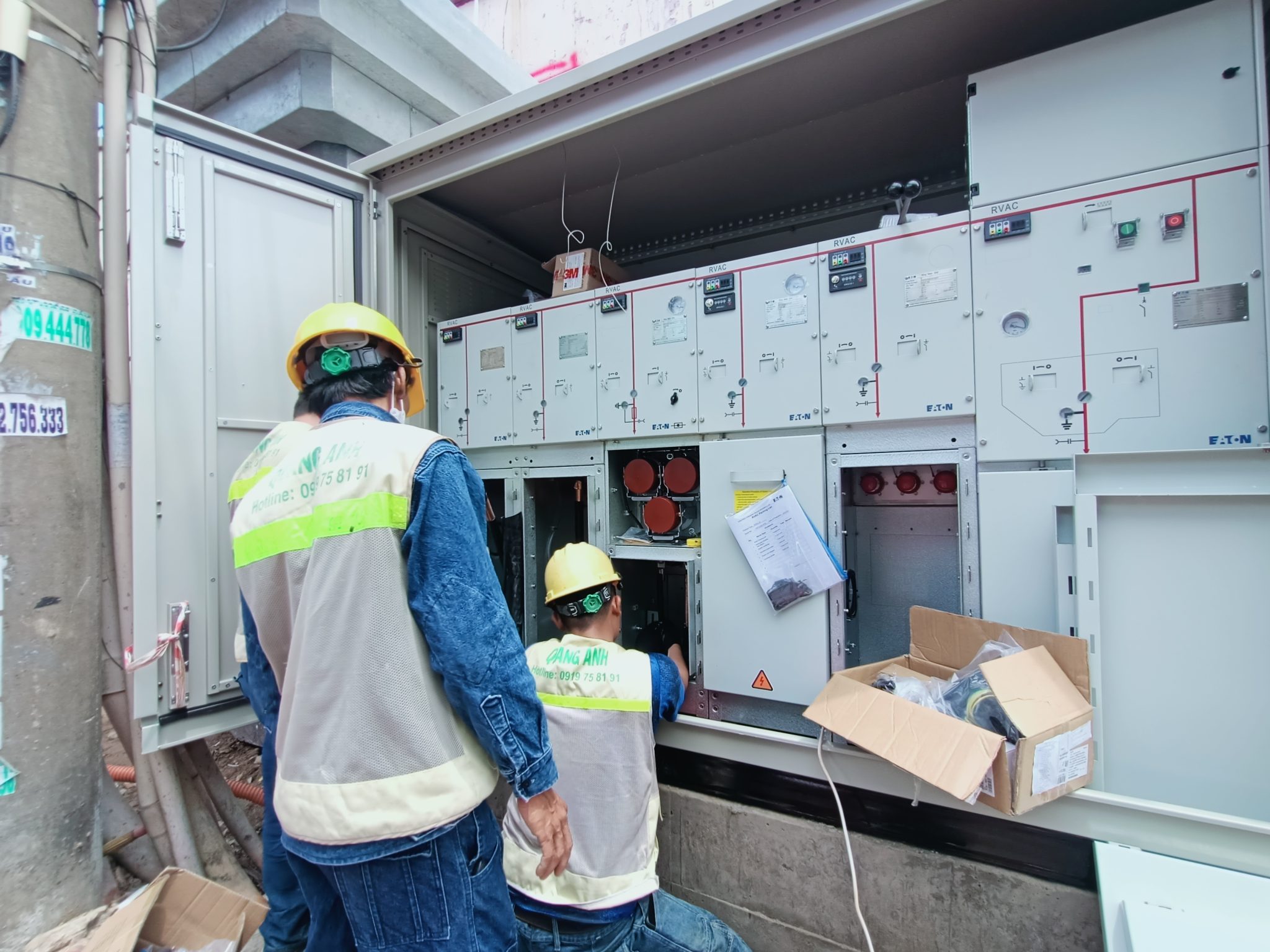
Conduct a pre-move survey, prepare dismantling and transport plans before breaking ground; all steps must be confirmed with EVN and relevant authorities. [11][0]
On site, check: insulating oil condition, sealing systems, as-built drawings, foundation condition and earthing capability; the new location must be evaluated for connection direction and construction conditions.
Typical pre-move checks include:
- Oil inspection (level, leaks, suspected PCB) and logging handling actions;
- Identify isolation points, label cables, seal and photograph as-built conditions;
- Assess lifting equipment, limit vibration and survey transport routes.
The dismantling plan must list equipment items, procedures for de-energization and oil draining, hazardous goods packaging and measures to prevent coil damage during transport.
| Item | Description | Checks required |
|---|---|---|
| Transformer dismantling | Isolate, de-energize, drain/fill oil, seal cables | Label cables, inspect leaks, dismantling records |
| Specialized transport | Classify load, select vehicles, secure and lash | Center of gravity control, displacement measurement during transport |
| Installation at new site | Check foundations, earthing, connections, oil filling and testing | Safety clearances, earthing resistance measurement, acceptance minutes |
For temporary power supply planning, assess auxiliary loads, maximum allowable outage duration and choose between temporary transformer, generator or temporary tie-in to another network; all temporary schemes require coordinated outage scheduling with EVN.
Safety and legal requirements must be strictly followed: handle suspect PCB oil and package hazardous goods per regulations, and collect inspection, transport and final acceptance records for legal documentation.
Post-installation tests must include insulation tests, ratio measurements, no-load tests, protection and control checks before energization; acceptance minutes and completion dossiers are mandatory for handover to EVN.
Practical warning: lack of transport route survey or missing EVN connection information can change scope and schedule; prepare risk management and mitigation plans before relocation.
Undergrounding / lowering medium-voltage network related to substations
Undergrounding medium-voltage lines connecting substations includes laying underground cables, lowering connection points, geotechnical survey, thermal assessment and required approvals.
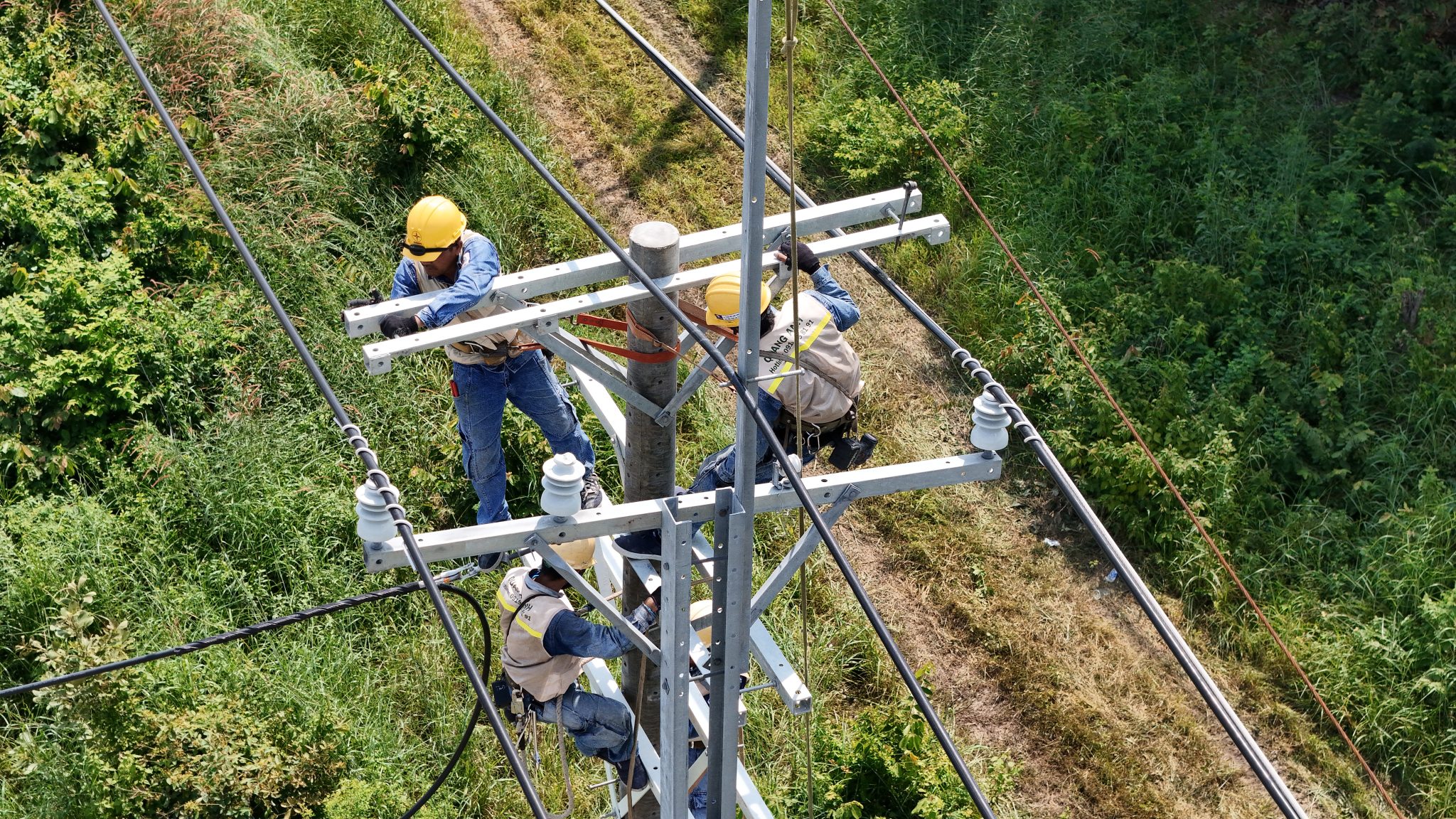
It is feasible to underground medium-voltage lines related to a substation but only when the connection approval dossier and complete on-site surveys are available. [12][0]
On site, survey the route, identify soil cover, groundwater level and underground infrastructure maps (telecom ducts, water pipes, sewers). These determine burial depth, need for protection conduits or cable pits and cable thermal dissipation solutions; during maintenance, verify geotechnical survey results before excavation permits. Measure soil resistivity/ground resistance at cable locations to assess earthing and thermal impact when loaded.
Cable route design must specify voltage level, cable type (insulation, cores, shielding), safe distances to other infrastructure and mechanical protection measures. On site at a plant, check mechanical load capacity where cables will be located and construction access to decide between ducts or direct burial. Construction dossiers should include underground cable installation drawings and detailed construction method statements to coordinate with local power utility.
Legally, have a connection agreement and a safety supervision contract with the power utility before infringing on the underground network. When the route crosses public roads, obtain excavation permits, commit to road reinstatement and secure approvals from local authorities; do not excavate without permits. In practice at a plant, construction procedures must include contingency power plans if undergrounding may cause outages.
Acceptance criteria include insulation checks (insulation resistance measurements), continuity of shielding/earthing and as-built drawings verification. If applicable, perform loop impedance measurements and record electrical acceptance minutes before energization; acceptance testing results must match the as-built documentation.
| Item | Description | Checks required |
|---|---|---|
| On-site survey | Define route, soil cover, groundwater level, underground infrastructure conflicts | Survey minutes, infrastructure maps, geotechnical and resistivity results |
| Cable route design | Select voltage level, cable type, burial depth, ducts/cable pits | Construction drawings, thermal calculations for soil conditions, clearance distances |
| Approval & acceptance | Connection agreement with utility, supervision contract, post-construction checks | Connection approval dossier, safety supervision records, acceptance certificate and as-built |
Decisions should be based on the compiled survey dossiers and connection approval documents; if any are missing, suspend works and complete the documentation before excavation. Providing complete as-built drawings and test results speeds up acceptance and energization with the grid operator.
Regulatory documents and reference sources (current requirements)
List of legal documents, technical standards and approval certificates to verify before signing off design, construction and energization of substations.
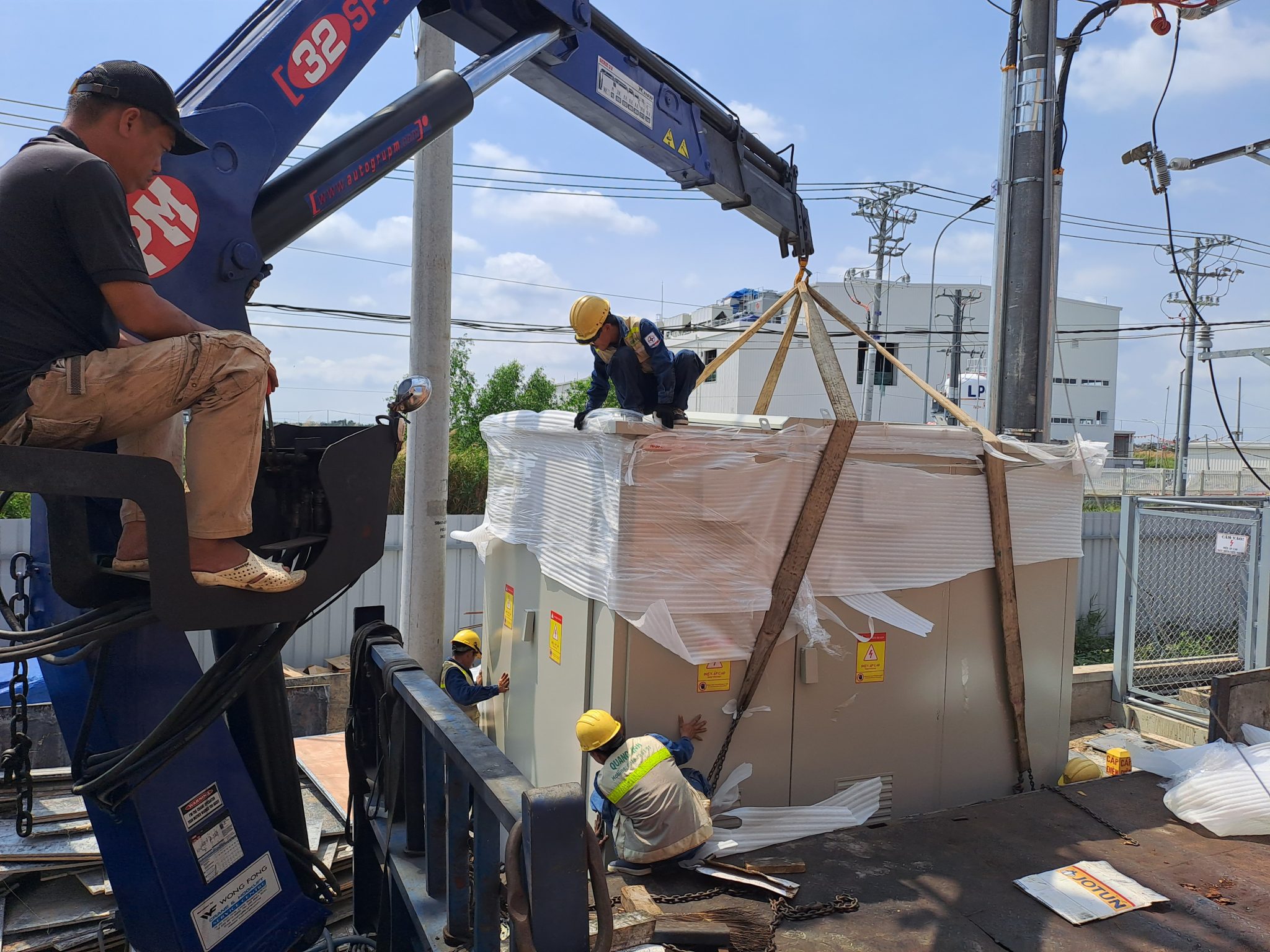
Regulatory documents, technical standards and EVN/PC connection approvals must be listed, validated for currency and stored in the project dossier before signing off design, construction or energization. [0][0]
From a compliance perspective, classify sources into two groups: current (in force, mandatory) and background/superseded (for reference only). On site, check document items such as issuance date, effective date, amendments and issuing authority. If applying international standards (IEC/ISO/IEEE), note the code and edition and compare to any adopted Vietnamese standards (TCVN) where applicable.
Minimum mandatory approval documents and certificates before operation include: connection approval decision, official letters / connection acceptance minutes, connection contract and competence certificates of consultants/contractors. EVN/PC connection approval is mandatory before energization.
| Item | Description | On-site checks (field) |
|---|---|---|
| EVN/PC connection approval | Connection approval decision, official letters/acceptance minutes, connection contract | Retrieve certified copies with reference number, issue date and signature/issuing authority before energization |
| Technical standards | TCVN/TCN/IEC/IEEE related to switchgear, transformers, earthing, prefab substations, fire safety | Record standard codes and editions; check that applied standards match the substation type (prefab/GIS, outdoor, underground) |
| Permits and competence | Building permits, consultant/contractor competence certificates per construction regulations | Verify contractor competence evidence against design/construction scope in contract and on-site personnel records |
During maintenance or before commissioning tests, directly compare the documents above with the technical dossier on site. Operational warning: do not accept or energize when EVN/PC connection approval is missing or when the applicable standards have not been confirmed current.
Conclusion: after verifying legal sources and standards, complete the technical acceptance dossier and archive certified copies of approval documents, acceptance minutes and contractor certificates in the project file for future audits.
Design decisions and execution of a substation project must start with an on-site survey and verification of EVN connection documents. The next step is to collect survey dossiers for detailed design and obtain approvals before construction.
Frequently asked questions
What documents are required for a medium-voltage connection procedure with EVN?
Typical medium-voltage connection dossiers include: application/technical proposal, single-line diagram, load profile/forecast, on-site survey dossier (connection location), transformer/switchgear technical documentation, land/legal documents and approval/consent minutes from the distribution utility. If missing, the principle is to have an EVN approval document and supplement diagrams, capacities and location coordinates thereafter.
How soon should an on-site survey be done before preparing the detailed substation design?
An on-site survey must be completed before detailed design — immediately after investment decision or request for quotation. Timing depends on project schedule but is mandatory before construction drawings; measure locations, perform geotechnical surveys, groundwater checks, safety corridors and EVN connection point to serve as design input.
When is transformer replacement required versus upgrading distribution switchgear?
Replace the transformer when the unit cannot meet capacity, has severe winding/insulation damage, is near end-of-life, or when mechanical/electrical limits make upgrades infeasible. Upgrading switchgear is appropriate when the issue is protection, control or distribution. Decision requires inspection, load checks and on-site survey.
What are the main risks when relocating a substation and how to mitigate them?
Main risks: oil leaks/environmental contamination, coil/structural damage during transport, loss of insulation alignment, production downtime and legal procedure risks. Mitigate with pre-move survey, detailed dismantling/installation plans, regulated oil handling, specialized lifting/packaging equipment, temporary power supply and post-installation tests.
What special legal requirements apply to undergrounding medium-voltage lines for substations?
Undergrounding medium-voltage requires approvals and coordination with EVN/local utility, excavation permits, underground infrastructure conflict checks and environmental compliance. Apply technical standards for cables, protection and testing. If data are missing, obtain EVN requirements, route survey, geotechnical report and relevant permits.
Steps to prepare surveys and request EPC substation services
- 1) Gather existing documentation: plant single-line diagram, load capacity, current connection diagram and related paperwork.
- 2) Request an on-site survey: measure locations, verify medium-voltage connection point, geotechnical survey for foundations if required.
- 3) Check EVN connection requirements: contact the distribution utility (EVN/PC) to identify connection point and approval dossier.
- 4) Prepare survey report and preliminary proposal: define transformer scope, medium-voltage switchgear, cable routing and safety measures.
- 5) Perform detailed technical design and obtain connection approval/necessary permits.
- 6) Execute construction per approved dossiers, perform testing, acceptance and handover.
Request an on-site survey or technical consultation with the QuangAnhcons team to receive an initial assessment and a list of documents to prepare.
Reference sources (18)
All regulatory/standard recommendations in this article must cite traceable official sources (e.g., EVN, government websites, TCVN/IEC/IEEE when applicable). Current legal and technical requirements should use the most recent published sources (distribution utility documents, Ministry circulars or international standards). Any technical assumptions must be stated and verifiable by on-site survey or approval documents.
-
Quyet dinh phe duyet ke hoach xay dung TCVN nam da nen
Official source from tcvn.gov.vn, used to verify mentioned technical information or regulations.
-
tcvn.gov.vn
Official source from tcvn.gov.vn, used to verify mentioned technical information or regulations.
-
Bo cong thuong xac dinh nhiem vu trong tam trong xay dung tieu chuan quy chuan ky thuat
Official source from tcvn.gov.vn, used to verify mentioned technical information or regulations.
-
Quyet dinh qd bkhcn cong bo tieu chuan quoc gia
Standards/regulatory documents used to cross-check technical requirements.
-
Thong tu ban hanh quy chuan ky thuat quoc gia ve an toan chay cho nha va cong trinh qcvn 2021bxd
Official source from xaydung.gov.vn, used to verify mentioned technical information or regulations.
-
Thong tu ban hanh quy chuan ky thuat quoc gia ve quy hoach xay dung qcvn 2021bxd
Official source from xaydung.gov.vn, used to verify mentioned technical information or regulations.
-
Quy chuan an toan trong hoat dong xay dung co diem gi dang chu y
Official source from tcvn.gov.vn, used to verify mentioned technical information or regulations.
-
Xay dung quy chuan ky thuat phu hop hieu qua thong qua grp va ria
Official source from tcvn.gov.vn, used to verify mentioned technical information or regulations.
-
Xay dung tieu chuan phai dua tren cac nguyen tac nao
Official source from tcvn.gov.vn, used to verify mentioned technical information or regulations.
-
Xay dung tieu chuan quy chuan ky thuat dua tren tien bo khcn dmstcds
Official source from tcvn.gov.vn, used to verify mentioned technical information or regulations.
-
Decree No. 49/2008/ND-CP: Amendments to Decree No. 209/2004/ND-CP on construction quality management
Official source from vanban.chinhphu.vn, used to verify mentioned technical information or regulations.
-
EVN news | “Hanoi will underground 100% of medium-voltage network from Ring Road 3 to the center” | evn.com.vn | 2015
Official source from evn.com.vn, used to verify mentioned technical information or regulations.
-
Regarding reducing lead time for access to electricity for customers connecting to medium-voltage network
Official source from evn.com.vn, used to verify mentioned technical information or regulations.
-
Some power plants do not pay connection fees to transmission network as EVN invests
Official source from evn.com.vn, used to verify mentioned technical information or regulations.
-
List of national technical standards issued by the Ministry of Construction
Official source from xaydung.gov.vn, used to verify mentioned technical information or regulations.
-
EVN publishes information to promote rooftop solar development
Official source from evn.com.vn, used to verify mentioned technical information or regulations.
-
EVN shortens lead time for electricity access
Official source from evn.com.vn, used to verify mentioned technical information or regulations.
-
EVN / Power units require procedures and outage schedules, acceptance before energization
Official source from cskh.evnhcmc.vn, used to verify mentioned technical information or regulations.
Substation budget estimate
Select the capacity, route lengths and package to view your indicative budget and electrical parameters.
Request a project quotation
Send your project details, BOQ or drawings to request a formal quotation. Fields marked * are required.
Quotation scope
Applies to one EVN-supplied substation with oil-immersed transformers at 22/0.4 kV (single-phase: 12.7/0.23 kV), with MV metering VTs/CTs supplied by EVN. The estimate includes the selected equipment, installation, earthing, transformer-to-main-breaker connections, design and connection documentation, and coordination of testing and utility acceptance.
Kiosk, integrated steel-pole and indoor substations include MV switchgear and the entered underground cable route. Other outdoor arrangements use the relevant protection configuration. The final diagram must meet the project connection requirements.
Excludes VAT, cables from the substation switchboard to the MSB/loads, live-line work, harmonic reactors, weak-ground treatment or special piling, land and special fire-protection provisions. Underground routes assume normal construction conditions and exclude road drilling and special reinstatement.
Prices are indicative investment budgets. A formal quotation follows site assessment and agreement on the configuration. Electrical selections are preliminary and require design verification before installation.
Capacity range and application conditions
The catalogue defines the enquiry range of this tool, not universal TCVN capacity limits. Single pole-mounted transformers: 15–100 kVA; three-unit banks: 3×15–3×100 kVA. Platform substations: 100–630 kVA. Steel-pole substations: 100–630 kVA; 750/800 kVA require design verification and local approval. Ground-mounted, kiosk and indoor configurations: 50–10,000 kVA. Not every configuration has a package price or the same structural design.
Reference: EVN Decision 1299/QD-EVN dated 3 November 2017, Volume 1, sections 3.3–3.4. Check the current requirements of the responsible utility before implementation. Kiosks must meet manufacturer ratings and testing requirements (IEC 62271-202); indoor and ground-mounted arrangements must meet project layout, ventilation, structural and fire-protection requirements. For multiple transformers, specify the quantity and capacity of each unit.
Developed by QuangAnhcons · © 2026 QuangAnhcons. Code licensed under GPL-2.0-or-later. Standards and manufacturer data belong to their respective owners.