Tiếng Việt
 简体中文
简体中文 Deutsch
 日本語
日本語 한국어
한국어 ไทย
ไทย Русский
 Français

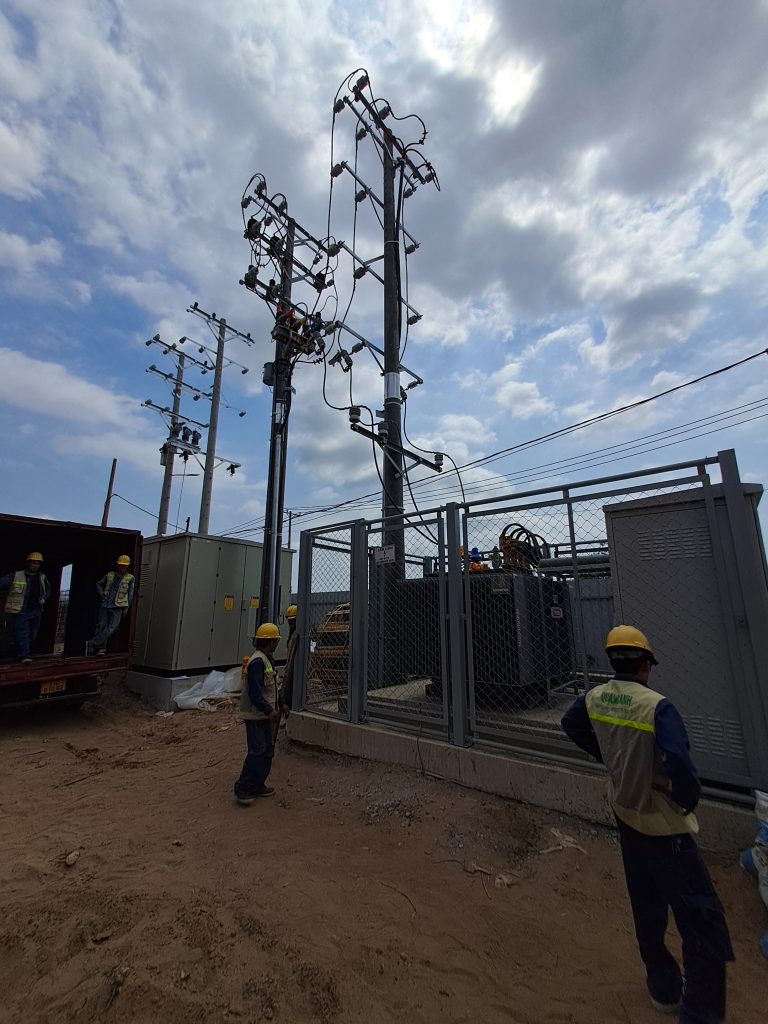
This case study summarizes the construction of a 22 kV feeder and a 1000 kVA transformer substation carried out by Quanganhcons at Binh Tien 2 hamlet, Duc Hoa Ha commune, Duc Hoa district, Long An. The substation serves a 0.98 MWp rooftop solar system intended for export; the acceptance scope included installation of a two‑way meter, recording meter indices and project handover. The commissioning acceptance milestone publicly referenced is 30/12/2020. This draft focuses on publicly verifiable facts, the grid connection approach and a technical checklist for the owner. [1]
The project involved construction of a 22 kV feeder and a 1000 kVA transformer substation at Binh Tien 2 hamlet, Duc Hoa Ha commune, Duc Hoa, Long An to connect a 0.98 MWp rooftop PV system.
Quanganhcons acted as turnkey contractor (medium‑voltage 22 kV connection, completion of the 1000 kVA substation, acceptance including installation of a two‑way meter and handover); the commissioning date verified is 30/12/2020.
- Project: construction of a 22 kV feeder and a 1000 kVA transformer substation at Binh Tien 2 hamlet, Duc Hoa Ha commune, Duc Hoa district, Long An (public sources reference the Dai Dung II plant).
- Serves: a 0.98 MWp rooftop solar project intended for export; Quanganhcons was the turnkey contractor.
- Acceptance milestone: commissioning and handover (including installation of a two‑way meter and recording meter indices) on 30/12/2020.
Who is this article for?
- Plant owners
- Technical departments
- Procurement departments
- Rooftop solar investors
- Industrial project managers
When to read this?
- When preparing connection for ~1 MW rooftop PV projects
- When evaluating contractors for a 1000 kVA substation
- When preparing documentation for substation commissioning and two‑way metering
Quick summary of the 1000 kVA substation project in Long An
Transformer substation 1000 kVA connected at 22 kV in Binh Tien 2, Duc Hoa Ha (Long An) is associated with a rooftop solar project of approximately 0.98 MWp.
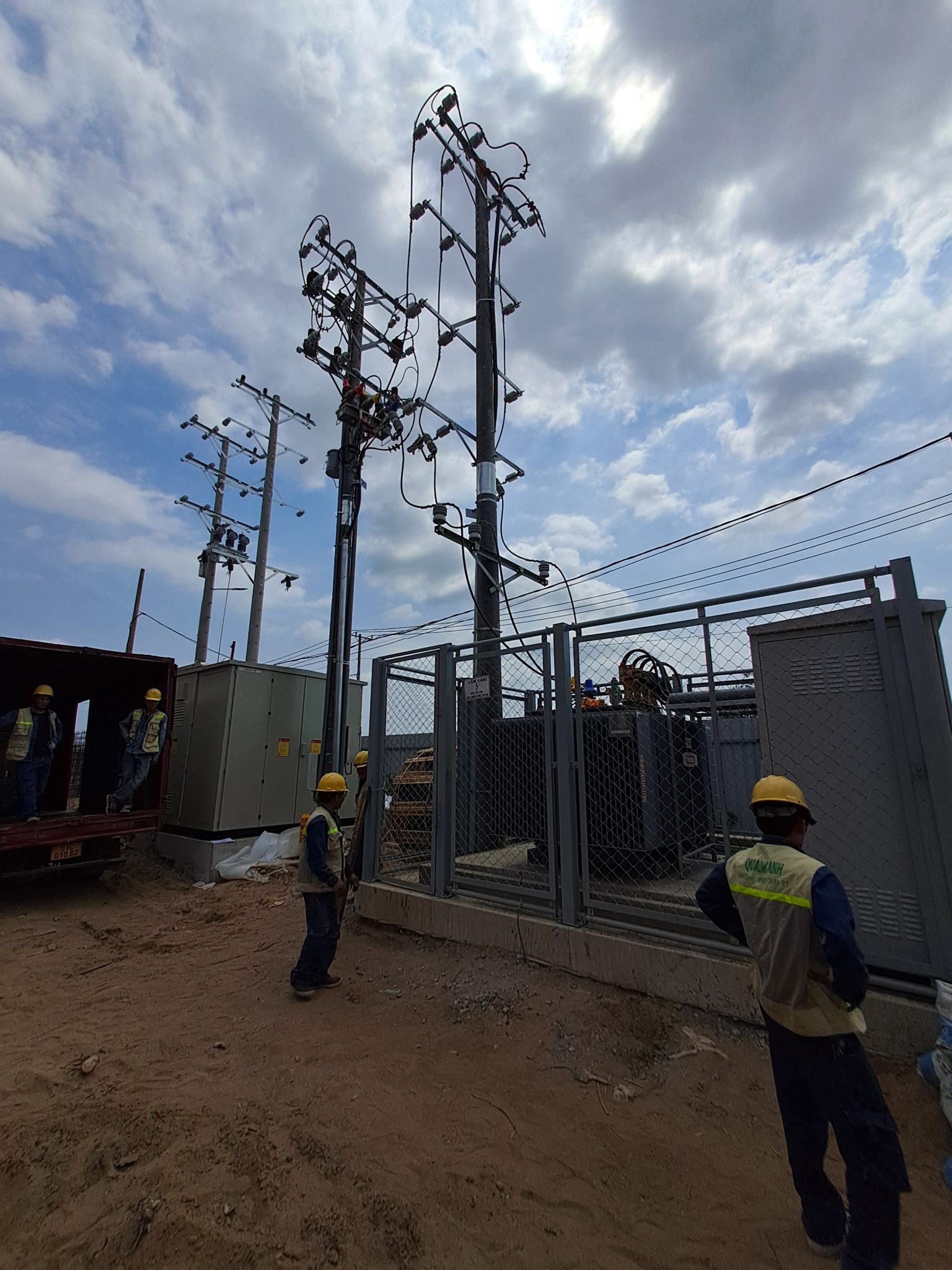
Public confirmations indicate the substation has a transformer rated 1000 kVA and is connected at medium voltage 22 kV, with the administrative location listed as Binh Tien 2, Duc Hoa Ha commune, Duc Hoa district, Long An province. [0][0]
However, regarding legal documentation and acceptance, caution is required: the commissioning date 30/12/2020 and the contractor name Quanganhcons appear in drafts but are not fully verified on official public sources; an EVN/PC Long An commissioning/acceptance record or a construction contract execution document is needed for confirmation.
During document review or when surveying on site, minimum documents to check include the commissioning acceptance record, the medium‑voltage (22 kV) connection record with PC Long An/EVNSPC, the electricity operation permit and the construction contract; if the project involves DER (rooftop PV ~0.98 MWp), connection/registered capacity documentation must be present.
- Documents to obtain: EVN or PC Long An commissioning/acceptance record; 22 kV connection minutes; construction contract; electricity operation permit; DER connection registration.
- Site indicators: transformer location, station nameplate, medium‑to‑low voltage connection markings, transformer inspection seal and the date on the acceptance record (if present).
High‑level scope/BOM (for field verification reference):
| Item | Description | Checkpoints |
|---|---|---|
| 1000 kVA transformer | Main MV/LV distribution transformer | Rating, inspection seal, cooling condition/winding resistance |
| 22 kV connection feeder | Cable/overhead feeder connecting to the distribution grid | EVN/PC connection minutes, protection scheme, test disconnection point |
| Earthing and safety system | Substation earthing, LV cabinet earthing, warning signage | Soil resistivity/earth resistance measurement, earthing route checks per QCVN/TCVN |
Operational warning: without an EVN/PC Long An commissioning acceptance record, do not treat the installation as fully accepted; during subsequent maintenance prioritize verifying the transformer inspection seal and related acceptance records before performing work on the transformer or opening circuits.
Next steps: collect copies of the commissioning acceptance and connection minutes from PC Long An, then prepare a detailed technical acceptance checklist per applicable standards to decide on operation or handover actions.
Context: need for 22 kV connection for a 0.98 MWp rooftop PV
Rooftop PV systems around 0.98 MWp are commonly connected to the 22 kV medium‑voltage network when the objective is to export energy and to reduce impacts on the low‑voltage network.
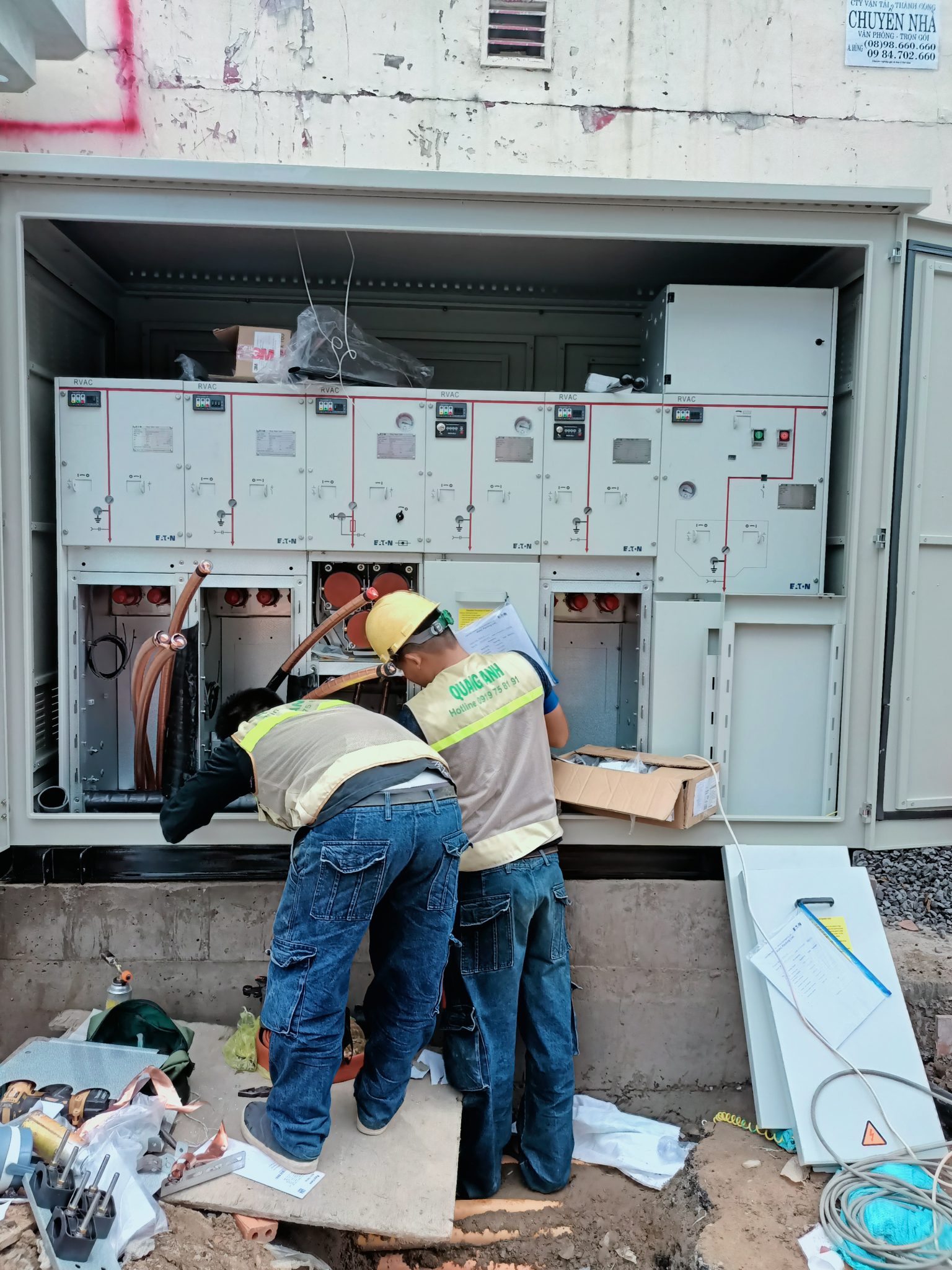
Rooftop PV systems close to 1 MWp typically require a 22 kV medium‑voltage connection when the main objective is export, because this connection reduces current carried by the low‑voltage network and limits overload on LV transformers. [2][11]
Operational practice shows that when connecting directly at 0.4 kV, PV output current must pass through LV transformers and distribution feeders, which can cause local voltage fluctuations and increased thermal loading on equipment. During plant surveys, engineers typically check the remaining capacity of the 110/22/0.4 kV substation and the fault level, as these parameters determine the ability to accept additional generation.
From a metering and regulatory viewpoint, near‑1 MWp export projects usually must sign a grid connection agreement (PPA) with EVN/the local utility and install two‑way metering according to EVN guidance. In Vietnam practice, Decree 135/2024 is referenced as current regulation affecting rooftop PV classification and procedures; medium‑voltage connection processes include survey, agreement on connection point, construction permit, acceptance and commissioning.
- Distance to the supplying substation and the medium‑voltage planning status in the locality.
- Existing transformer capacity at 110/22/0.4 kV and capability to accept new generation.
- Project purpose: self‑consumption with surplus export or full export of generation.
- Metering, power purchase agreement requirements and operational rules, including anti‑islanding and grid protection.
- Investment cost comparison between LV feeder upgrades and new/existing MV infrastructure.
During surveys and evaluations, collect existing connection diagrams, installed capacity, expected export power and substation parameters (capacity, fault level). Note that if the local MV network is being upgraded, the benefit of a 22 kV connection can change, so confirm network planning before finalizing a connection decision.
Site survey in Duc Hoa, Long An
Field survey in Duc Hoa district, Long An identified the proposed 1,000 kVA substation location, evaluated the 22 kV connection point and highlighted construction risks that require additional evidence.
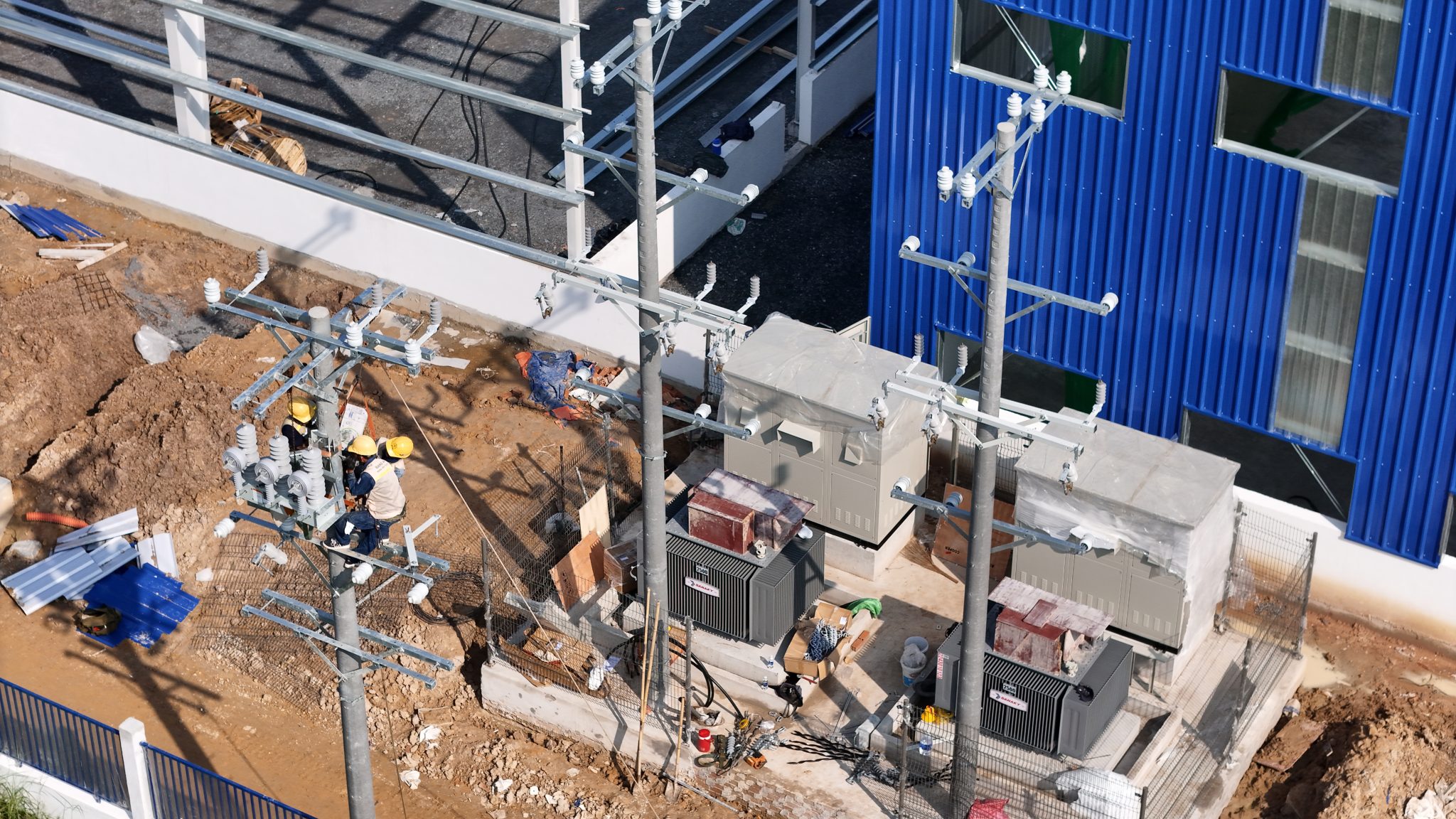
The survey focused on Duc Hoa district, Long An province; the official minutes should specify the commune/hamlet surveyed and the survey date to provide legal and design basis. During the field survey, verify foundation coordinates and elevations with surveying instruments before preparing construction documents. [18][16]
Regarding the connection point, a 22 kV medium‑voltage connection is possible; also check distance to nearby 110/220/500 kV substations to evaluate alternative supply voltage options. On site, the final connection point depends on minutes with PC Long An and the availability of safety corridors for the feeder route.
Site conditions recorded for assessment include available area, terrain (flat or slope) and obstacles such as structures, trees and drainage ditches — all must be measured directly in the field. For equipment transport, check vehicle clearances, bridge heights and any transport restrictions before scheduling transformer delivery and installation.
Safety and legal requirements: coordinate with local fire protection authorities during construction/installation; comply with electrical safety regulations and EVN/EVNSPC commissioning guidance. If the area is flood‑prone or at risk of brush fires, include disaster prevention and fire mitigation measures in the design.
- Field checks (practical): measure foundation coordinates with RTK GPS or survey gear, perform Scan‑to‑BIM if available.
- Documents to verify: land clearance minutes, site photos, 22 kV connection point photos, confirmation of connection point from PC Long An, fire protection minutes.
- Identified construction risks: land clearance limitations, MV corridor constraints, transport for heavy equipment, brush fire and flood risks.
The list of public evidence collected and missing items must be recorded in the dossier: specify which photos/records have sources (e.g. EVNSPC Scan‑to‑BIM if available) and which photos/documents need to be added before detailed design. Next step is to finalize the survey minutes with signatures from the performing unit and confirmations from local authorities/PC Long An to support the connection procedures and commissioning acceptance.
22 kV feeder solution and design approach (assumptions & limits)
Overview of the 22 kV connection scheme for the 1000 kVA substation, separating verified parameters and technical assumptions that require further verification.
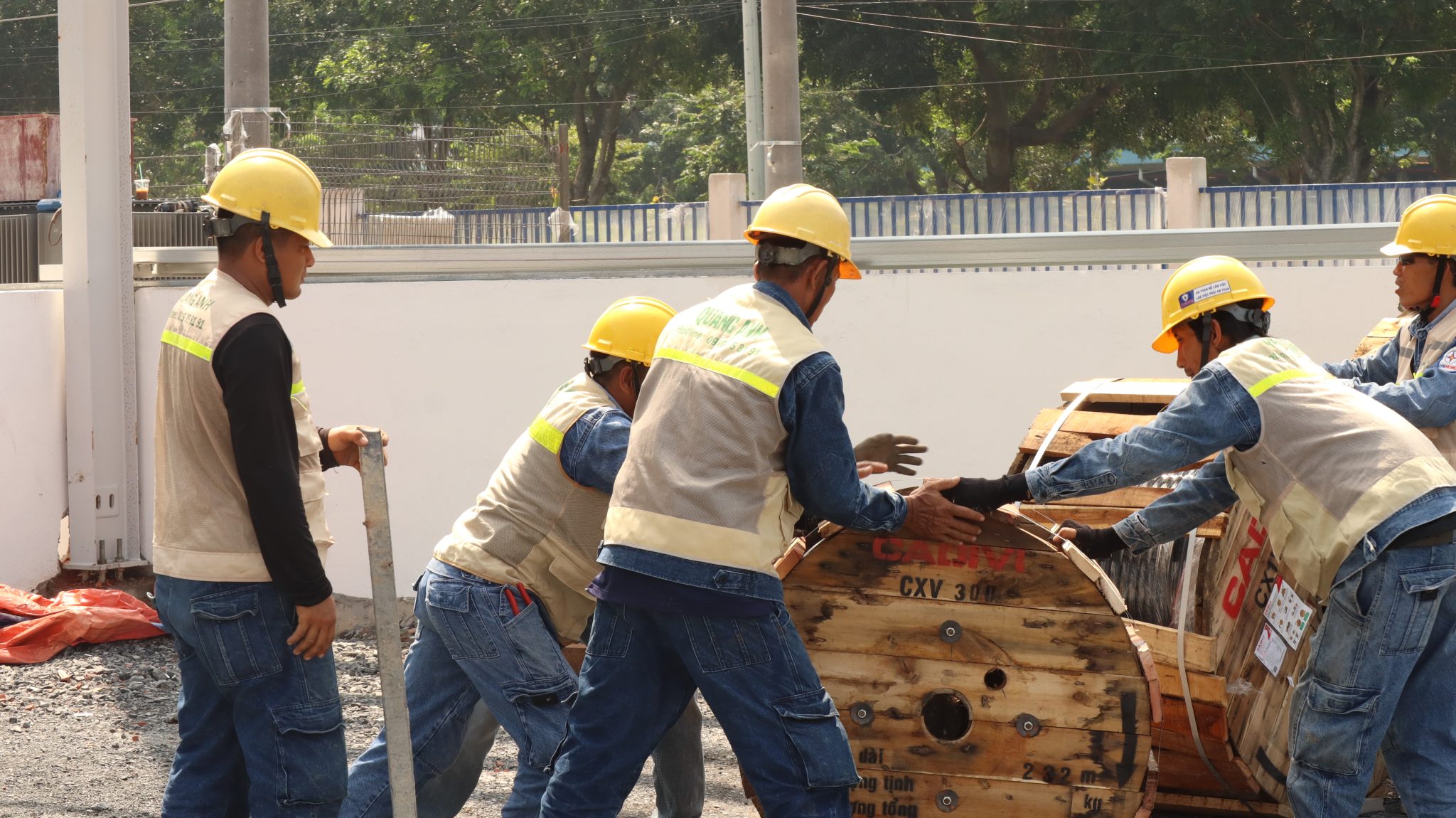
The 22 kV medium‑voltage connection for a 1000 kVA transformer is typically designed as a ground‑mounted substation (per EVNSPC references for transformers ≥ 750 kVA) and any missing parameters must be explicitly labeled “not publicly verified” before detailed design. [7][13]
Technically, the selection principle for a 1000 kVA transformer favors ground‑mounted stations; during field surveys check the station area, foundation conditions, fencing and the need for an oil containment pit if transformer oil quantity exceeds thresholds. Measure distances to public roads and safety clearances to overhead lines per TCVN/EVN to validate required clearances.
Quick separation of parameters:
- Publicly verified: the principle that ground‑mounted stations are used for transformers ≥ 750 kVA and pole‑mounted for transformers ≤ 630 kVA (EVNSPC reference).
- Not publicly verified (to collect): feeder length, actual load factor, exact connection point, fault level at connection, per‑phase load data and utilization percentage.
Design of the 22 kV feeder: conductor sizing, pole type and span selection must be based on expected load, mechanical route conditions and aesthetic/land constraints; all conductor cross‑sections and ampacity values require field data or supplier data, therefore specific cross‑section values should be marked “not publicly verified” if no source is available.
For preliminary feeder current calculation use the standard formula:
I = S / (√3 · V · PF)
where S is the transformer’s apparent power (kVA), V is phase‑to‑phase voltage (kV), PF is power factor. When applying this formula for preliminary sizing, clearly declare inputs and missing data before finalization:
- Inputs to declare: S (1000 kVA as stated), V (22 kV), assumed PF (e.g. typical load PF) and utilization percentage.
- Missing data to collect: actual power factor, hourly utilization %, and fault level data to select conductors and protection.
Regarding protection and switching, a preliminary proposal is to use a three‑phase isolator/interlocked switch combined with fuses or a compact switchgear suitable for a 1000 kVA transformer per EVNSPC recommendations; however all relay settings and fuse ratings must be based on local fault level and actual short‑circuit currents from the local EVN before final selection.
Action plan prior to detailed design (to be executed in sequence):
| Item | Description | Field checkpoints |
|---|---|---|
| Verify supply arrangement | Check the source substation and connection point designated by EVN | EVN approval documents, coordinates and elevation of the connection point |
| Site survey | Measure route, substation footprint, safety clearances | Distance to public roads, foundation conditions, oil containment space |
| Collect load data | Phase‑by‑phase load analysis, power factor, growth | Load logs, load curves, utilization % |
| Obtain short‑circuit data | Request fault level from EVN to size protection | Fault level values, earthing diagram, supply sources |
Operational warning: before commissioning there must be a test and acceptance plan (insulation tests, transformer tests, 22 kV line acceptance) following EVN procedures; also pay attention to oil containment pits and fire prevention measures if the transformer contains large amounts of oil. During maintenance/commissioning coordination, work closely with the network operator to obtain switching orders and short‑circuit data.
Light conclusion: after completing surveys and collecting fault level, load and connection point data from EVN, proceed to detailed design for conductor sizes, poles and appropriate protection selection.
Commissioning acceptance: two‑way meter, meter index recording and acceptance conditions
The two‑way meter separately measures exported and imported energy, serves as the basis for PPA settlement, and requires acceptance checks for calibration, sealing and commissioning documentation.
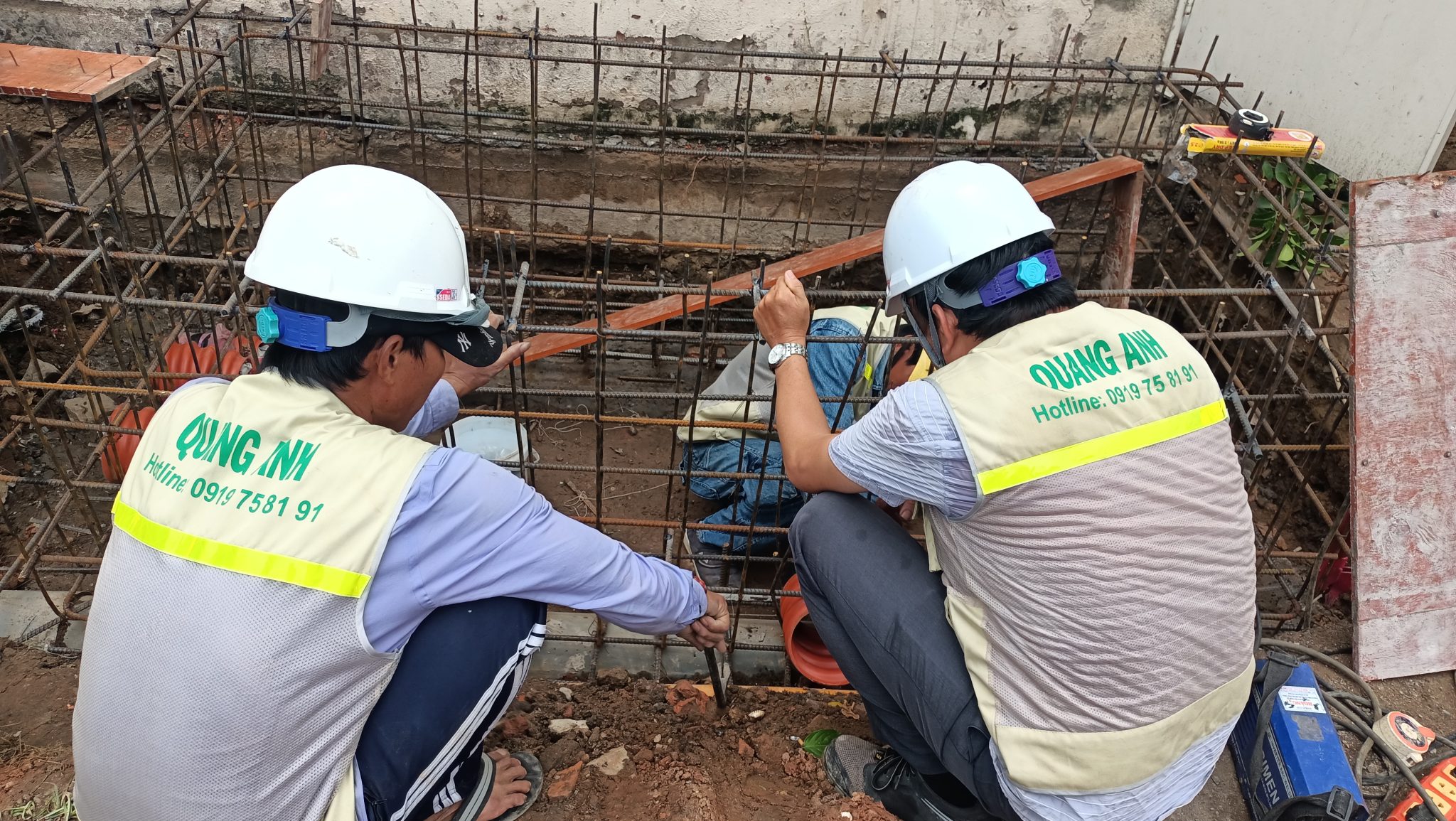
The two‑way meter must separately record energy exported to the grid (export) and energy imported (import) and is the direct basis for settlement under the power purchase agreement. [1][9]
On site, technical acceptance requirements include: meter type appropriate for the capacity, valid calibration certificate/seal, correct sealing/clamping and installation location consistent with the connection dossier. During plant surveys verify sealing condition, meter serial number on records, and agree the initial index (start time) with seller/buyer before signing the index recording minutes.
The meter index recording procedure should include at minimum: start/end time of measurement, incoming/outgoing meter indices, signatures of involved parties or witnesses, and a signed record to support billing. For commissioning paperwork submitted to the utility, include as required: as‑built drawings, connection dossier, power purchase agreement (PPA) and relevant acceptance minutes; where applicable include fire protection acceptance and operational safety plan.
Minimum on‑site acceptance checklist includes:
- Verify earthing and earth resistance per test records.
- Verify transformer protection and LV cabinet protection functions, including relays, thresholds and trip tests.
- Verify insulation, perform leakage tests and winding resistance measurements (results included in post‑installation test reports).
- Verify isolator sections, contacts and the condition of meter seals/clamps.
- Confirm signage, operational safety measures and protections for workers and the community before energization.
Typical documents to submit to the utility (may vary by locality):
| Item | Notes |
|---|---|
| As‑built drawings | Attach actual connection diagram and position of the two‑way meter |
| Technical and test acceptance minutes | Record insulation test results, winding resistance, leakage tests |
| Meter calibration certificate | Valid seal/certification; meter must be sealed before commissioning |
Operational warning: do not request commissioning if the meter lacks calibration documentation, sealing is improper or protection functions have not been verified. According to EVN service guidance, administrative processing times may be illustrated as 5–7 working days for some MV/LV procedures; actual times depend on the dossier and local conditions.
If responsibility for post‑meter installation costs or index recording across multiple stakeholders (e.g. condominiums, urban areas) must be allocated, perform a field survey to record the connection points, agree sealing arrangements and prepare a handover record signed by all parties.
Checklist for the owner before building a 1000 kVA substation
Owners must prepare complete connection dossiers, land legal documents and permits, equipment lists and test records before signing a construction contract for a 1000 kVA substation. On site verify the connection point, metering location, earthing system and fire safety conditions; all major items should have minutes to submit to the Utility/EVN. Responsibilities for energization, acceptance and handover of operation documents should be agreed before commissioning.
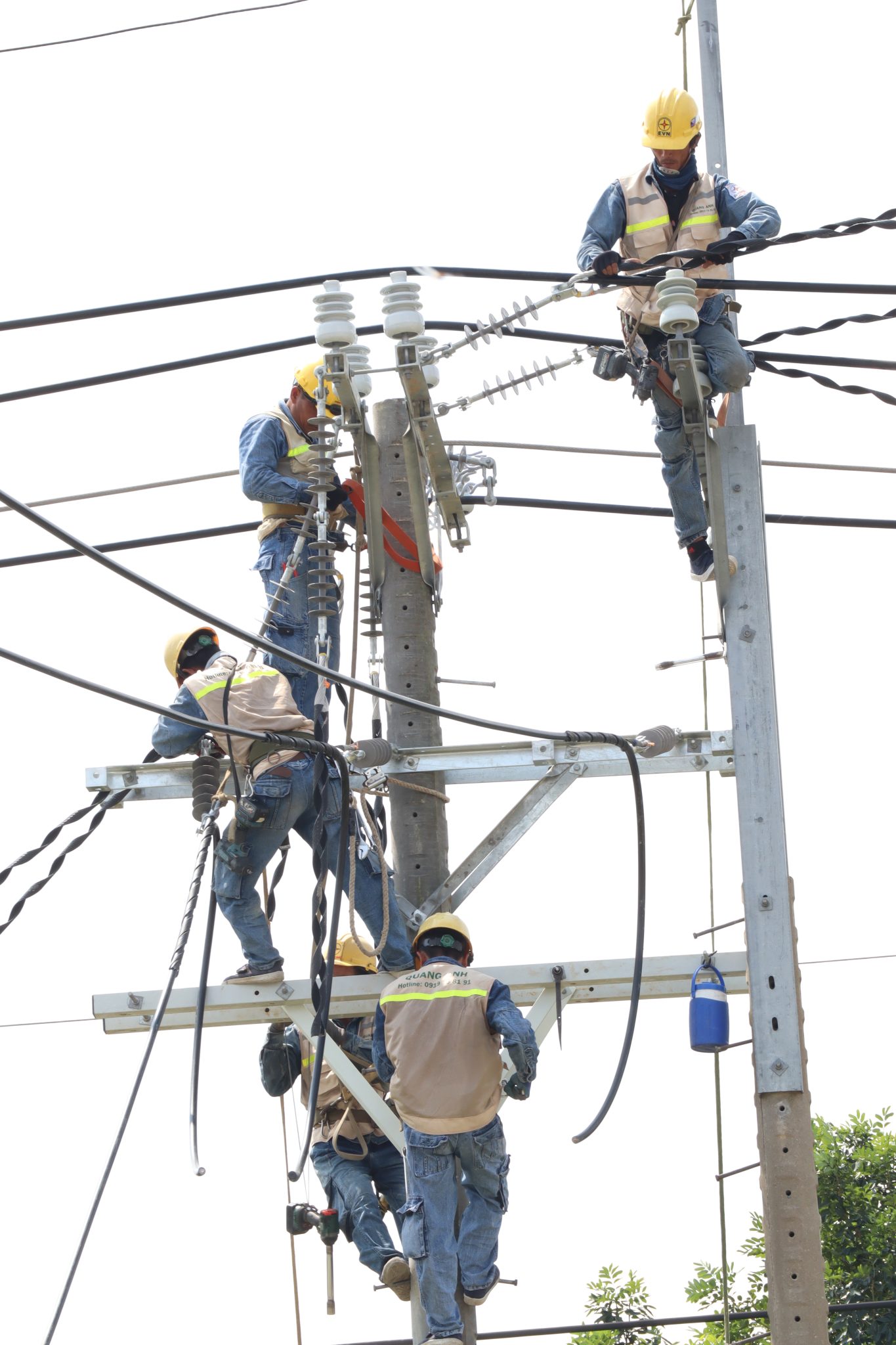
Owners must assemble legal documents, the connection dossier with the Utility/EVN and perform a site inspection before signing the construction contract for a 1000 kVA substation. [3][4]
On site, verify the connection point (MV or LV), the type of service and capability to connect at the chosen location; during the plant survey check transformer siting, cable access, metering area and safety clearances to adjacent structures. Documents submitted to the Utility typically include an application/contract, site general layout, requested capacity and a provisional connection diagram — confirm these directly with the local Utility/EVN before finalizing.
The practical checklist and dossier should include the following items; each item must have an accountable representative and supporting minutes/documents to submit during acceptance:
- Land use right, construction permit and confirmation of fire safety conditions at the substation site (verify with local authorities).
- Connection dossier with EVN: application/contract, site plan, requested capacity, provisional connection diagram and coordination schedule for acceptance.
- Equipment list for acceptance: transformer, isolators, MCCB/MCB, busbars, earthing system, cables/feeders, meters (including two‑way meter if required), protection relays.
- Tests and records: earth resistance, insulation tests, transformer ratio and winding tests, dielectric tests if needed; keep test reports to submit to the Utility/EVN.
- Commissioning plan and responsibilities: energization timing, list of owner/contractor/Utility representatives, final pre‑energization checklist.
Below is a high‑level verification table for quick review during a plant survey or maintenance before acceptance:
| Item | Description | Field checkpoints |
|---|---|---|
| Connection point | Identify service type and connection location | Compare with EVN drawings, check cable hangers/entry points |
| Metering | Meters, installation point, two‑way meter if required | Meter placement meets regulations, clear wiring, labeling |
| Earthing & safety | Main earthing system and equipment grounding | Measure earth resistance, inspect earthing conductors, test reports |
On acceptance and initial operation, prepare complete test records to submit to the Utility/EVN and a handover dossier including wiring diagrams, fire protection plan, operation manual and initial maintenance plan. During maintenance or final acceptance, if measured values exceed acceptable limits pause commissioning and require remediation before the Utility performs energization.
Important note: detailed requirements on metering standards, acceptable earth resistance limits and administrative processing times must be checked against current versions of circulars and EVN service guidance at the project time. Owners should prepare a list of documents to confirm with the Utility/EVN before the acceptance meeting to avoid delays in energization.
In summary, the 1000 kVA substation in Duc Hoa was completed and energized to serve export from a 0.98 MWp PV system; this article provides verification details, technical approaches and checklists to help owners and technical teams prepare acceptance and handover. Next step: verify original acceptance records and commissioning minutes before public release.
Frequently asked questions
Which rooftop solar size is a 1000 kVA transformer suitable for?
There is no fixed rule; selecting a 1000 kVA transformer depends on total inverter capacity, the proportion exported to the grid, power factor and on‑site consumption. Principle: match peak capacity and continuous current. Provide load profile, inverter capacity and export target for accurate assessment.
Why does a rooftop solar project need a 22 kV connection?
Medium‑voltage connection reduces current, losses and stress on the low‑voltage network when exporting large volumes; it is often required for export. The decision depends on the local connection point and EVN/PC regulations — verify the connection point and procedures with the local Utility.
What is the role of a two‑way meter in a solar export project?
The two‑way meter separately records energy exported to and imported from the grid, and is the basis for PPA settlement and periodic production reconciliation. During acceptance it must be calibrated, sealed and have suitable specifications; the investor should confirm meter model and responsibility for costs with the Utility.
What is included in substation acceptance for a 1000 kVA installation?
Acceptance includes equipment checks (transformer, isolators, LV switchgear), insulation tests, earth resistance tests, ratio and winding tests, protection verification and the record of two‑way meter installation. If acceptance standards are missing, request the Utility’s acceptance minutes/procedure before commissioning.
What documents must the owner prepare when building a 1000 kVA substation?
Prepare: land use documents, connection dossier to the Utility (site plan, connection diagram, requested capacity), construction drawings, equipment list, test minutes and fire protection records if applicable. Verify additional local requirements with the Utility.
Can Quanganhcons deliver turnkey construction of the 22 kV feeder and 1000 kVA substation?
According to the draft project, Quanganhcons is named as the turnkey contractor. Before signing, request the company provide a sample contract, detailed scope of work, list of publicly verified equipment and commissioning acceptance records to validate capability and handover responsibilities.
Short checklist for the owner before building a 1000 kVA substation
- Verify land legal status and land use rights for the substation location; prepare related documents for connection procedures with the utility.
- Prepare the connection dossier to submit to EVN/ provincial Utility as required (site plan, connection diagram, capacity, purpose).
- Check site construction conditions: equipment access, crane availability, work safety and conduct geotechnical survey if required.
- Require the contractor to provide a list of publicly verified equipment; do not accept equipment data or brands without supporting documents.
- Plan acceptance: install two‑way meter, record meter indices, perform insulation tests and load tests (as per contract acceptance minutes).
- Coordinate with the Utility to perform official commissioning and hand over operation documents, acceptance minutes and meter installation certificates.
If you need copies of acceptance records, as‑built drawings or detailed technical support, contact the Quanganhcons technical team for inspection assistance and implementation planning.
References (18)
Reference principle: all technical facts, acceptance milestones and project names use publicly verifiable sources (priority given to Quanganhcons’ official site / quanganhcgte and project pages). Any regulatory or standards claims must cite official documents (EVN, Ministry of Industry and Trade, QCVN/TCVN, IEC/ISO/IEEE where needed) with links for traceability. Do not include third‑party names or unverified information; if an item lacks a source label it as ‘not publicly verified’ and require validation before publishing.
-
Bo cong thuong lam viec voi ptc1 ve cong tac cap dien dip tet va nam
Regulatory/standard documents used to cross‑check technical requirements in the article.
-
EVN co van ban de nghi Bo Cong Thuong huong dan xu ly vuong mac ve viec phan biet giua dien mat troi mai nha va mat dat noi luoi
Regulatory/standard documents used to cross‑check technical requirements in the article.
-
Hiep dinh tbt va mot so noi dung co ban cua phap luat viet nam ve hang rao ky thuat trong thuong mai
Official source to verify technical or regulatory references cited.
-
Hiep dinh tbt va mot so noi dung co ban cua phap luat viet nam ve hang rao ky thuat trong thuong mai
Official source to verify technical or regulatory references cited.
-
DT TCVN Huong dan thiet ke ve an toan chay
Official source from dns1.xaydung.gov.vn to verify technical/regulatory references cited.
-
DT TCVN Huong dan thiet ke ve an toan chay
Official source from xaydung.gov.vn to verify technical/regulatory references cited.
-
Internal document / Work standards | Distribution network standards (Guidance: substation, MV/LV lines) | EVNSPC
Official EVNSPC guidance used to verify technical references.
-
EVN Guidance on rooftop PV implementation
Official source from EVN HCMC used to verify technical/regulatory references.
-
moit.gov.vn
Official source used to verify technical/regulatory references cited.
-
Amendment to QCVN 06:2022/BXD – national technical standard on fire safety for buildings and works
Official source used to verify technical/regulatory references cited.
-
Circular on distribution transmission and metering practices
Official EVN circular used to verify metering and connection requirements.
-
Prime Minister’s directive on enhancing energy savings and developing rooftop solar
Official source used to verify policy context.
-
EVN news – safety concerns around heavy concrete spraying vehicles
EVN news used to reference operational safety considerations.
-
EVN news – example of upgrading to 22 kV MV network
EVN article used as a reference example for MV upgrades.
-
EVN news – Capacity increase at Ben Luc 220 kV substation (Long An)
Official news used to reference regional network capacity changes.
-
EVN news – Construction of 500 kV Duc Hoa substation and connecting lines
Official news used to reference large substation projects in the area.
-
EVN news – rooftop solar benefits and two‑way metering guidance
EVN article referencing rooftop PV and metering procedures.
-
EVNSPC news – Scan to BIM for Duc Lap 110 kV substation, Long An
Official EVNSPC reference used to indicate available site survey practices.