
 Tiếng Việt
 简体中文
简体中文 Deutsch
 日本語
日本語 한국어
한국어 ไทย
ไทย Русский
 Français

Tính giá điện mặt trời mái nhà
Nhập công suất hoặc diện tích mái để tự động xem cấu hình và giá tham khảo. Không cần thông tin liên hệ.
Cụm tính toán tự động trước khảo sát
Kết quả hiện ở đây khi nhập đủ dữ liệu: diện tích pin, phần phụ trợ, mái cần dùng, tải module, công suất và cấu hình điện.
- Understand which issues BESS solves when paired with a solar power system in a factory.
- Differentiating real needs from inflated expectations such as storing all solar power or peak shaving in every load shift.
- Recognize operational signals that indicate a project should survey BESS from the start.
- Know the technical scope to check before finalizing configuration and interconnection plans.
- Have a decision framework between new investment, phased expansion or continuing to operate the existing system.
Who is this article for?
- Plant owners operating or preparing to install solar power.
- Energy management, electrical maintenance and utility engineering teams in factories.
- Project teams that need to pre-evaluate the BESS scope before a detailed survey.
When to read this article?
- When solar power is exporting during low-load periods but not well utilized.
- When the plant wants to stabilize loads or shift consumption to more suitable hours.
- When considering whether BESS should accompany a new solar system or be retrofitted to an existing one.
- When preparing to work with technical parties on survey, configuration and interconnection scope.
- 1. What problems does BESS actually solve in a solar power system
- 2. Signs that a plant should survey BESS early
- 3. Technical components to check before choosing a configuration
- 4. On-site BESS deployment process for solar systems
- 5. Invest new, expand in stages or not immediately
- 6. Factors affecting cost, schedule and choice of implementer
BESS is often mentioned as a natural complement to solar power, but not every factory with solar needs storage immediately. The important thing is to correctly identify the operational problem, the limits of existing electrical infrastructure and the technical scope to check before finalizing the plan.
What problems does BESS actually solve in a solar power system
Define the role of BESS in a solar system: increase self-consumption, shift load or support operational stability, depending on operating conditions and objectives.
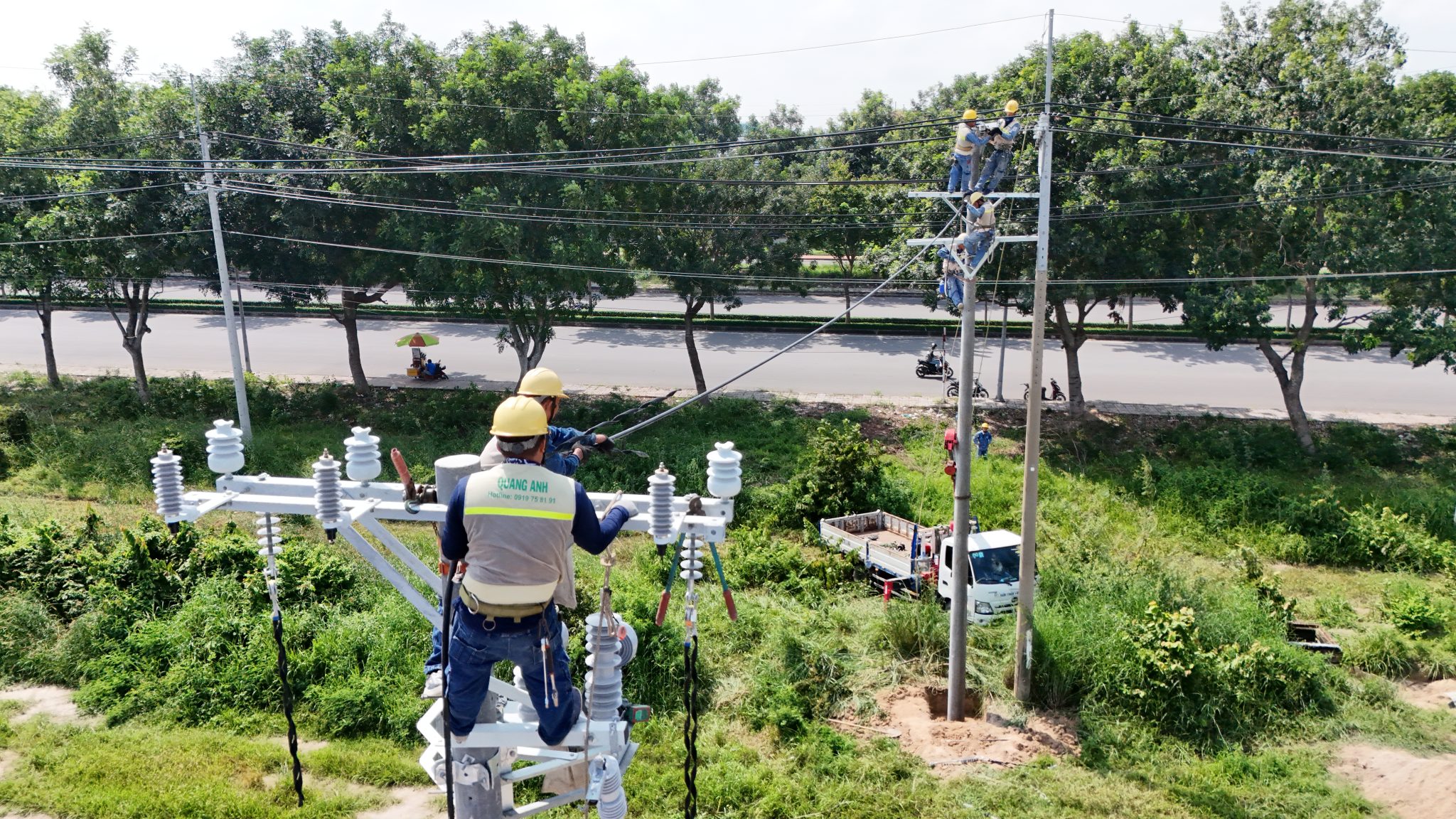
BESS typically addresses three main problems in a solar power system: increasing self-consumption, shifting load between time periods and supporting operational stability for the plant or the grid.
From a technical perspective, the specific objective determines configuration and operating strategy. When the goal is to increase self-consumption, an on-site survey is needed to assess current self-consumption rate, PV generation profile versus load and the ability to charge/discharge as required. If the objective is load shifting, focus shifts to the ability to discharge continuously during target hours and an appropriate charging schedule. When the priority is operational stability, check ramp requirements, power fluctuations and integration of control with the SCADA system.
During maintenance or site surveys, indicators that determine the appropriate role include: PV and load power profiles throughout the day, generation variability with weather, required reserve time and control capability of inverter/BMS. Note that BESS is not always suitable for every project; depending on the model, operating conditions and economic analysis, the primary role can vary.
| Role | Field signs / Inspection criteria |
|---|---|
| Increase self-consumption | PV vs load profile shows daytime surplus; current self-consumption rate is low; requirement to reduce grid purchases during peak hours |
| Load shifting | Need to consume outside PV hours; need scheduled discharge; evaluate charge/discharge cycles and cell durability |
| Operational stability | Requirements to limit ramp rates, reduce power fluctuations, support frequency/voltage control and integrate into plant control systems |
Light conclusion: before deciding to invest or design, survey the site to determine priority objectives, technical criteria and suitable operating strategy; based on that proceed to cost-benefit analysis and BESS configuration selection.
Signs that a plant should survey BESS early
Identify operational signals such as surplus generation during low-load hours, load fluctuations or the need to shift consumption to decide on an early BESS survey.
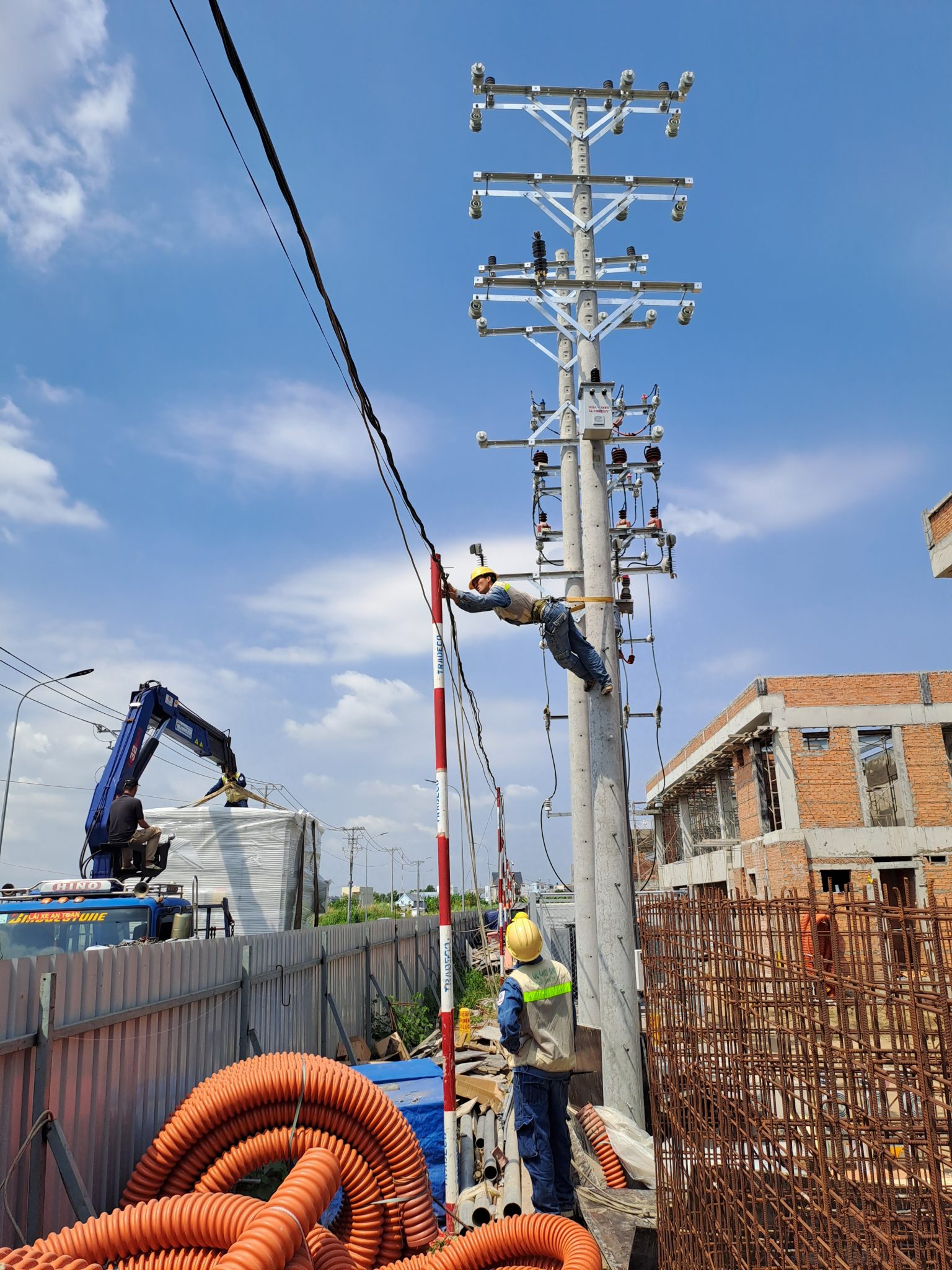
Survey early when the plant frequently exports during low-load hours, has fluctuating loads or needs to shift consumption.
These signals, when they recur, usually indicate an imbalance between generation and consumption patterns. In practical plant operation, the recurrence and scale of events are key factors for prioritizing a survey.
On-site, check the frequency and duration of surplus events, the amplitude of load fluctuations, and the timing of consumption shifts relative to production schedules. When surveying on site, recording the timing and frequency of occurrences will be important data to assess BESS needs.
- Surplus during low-load hours — check how often it occurs and the duration of each event.
- Strong load fluctuations — evaluate amplitude and impact on production processes.
- Need to shift consumption — identify target time windows and recurrence.
If multiple signs converge, schedule an on-site survey to assess feasibility and storage options, because conclusions may vary by model and operating conditions. During maintenance windows, prioritize collecting operation graphs and noting surplus timing as a basis for further analysis.
Operational warning: do not decide to install immediately based on a single event; survey the site and collect repeated data before making an investment decision.
Technical components to check before choosing a configuration
Scope the technical checks: loads, point of interconnection, inverter/PCS, EMS, protection systems, installation space and safety requirements before choosing BESS configuration.
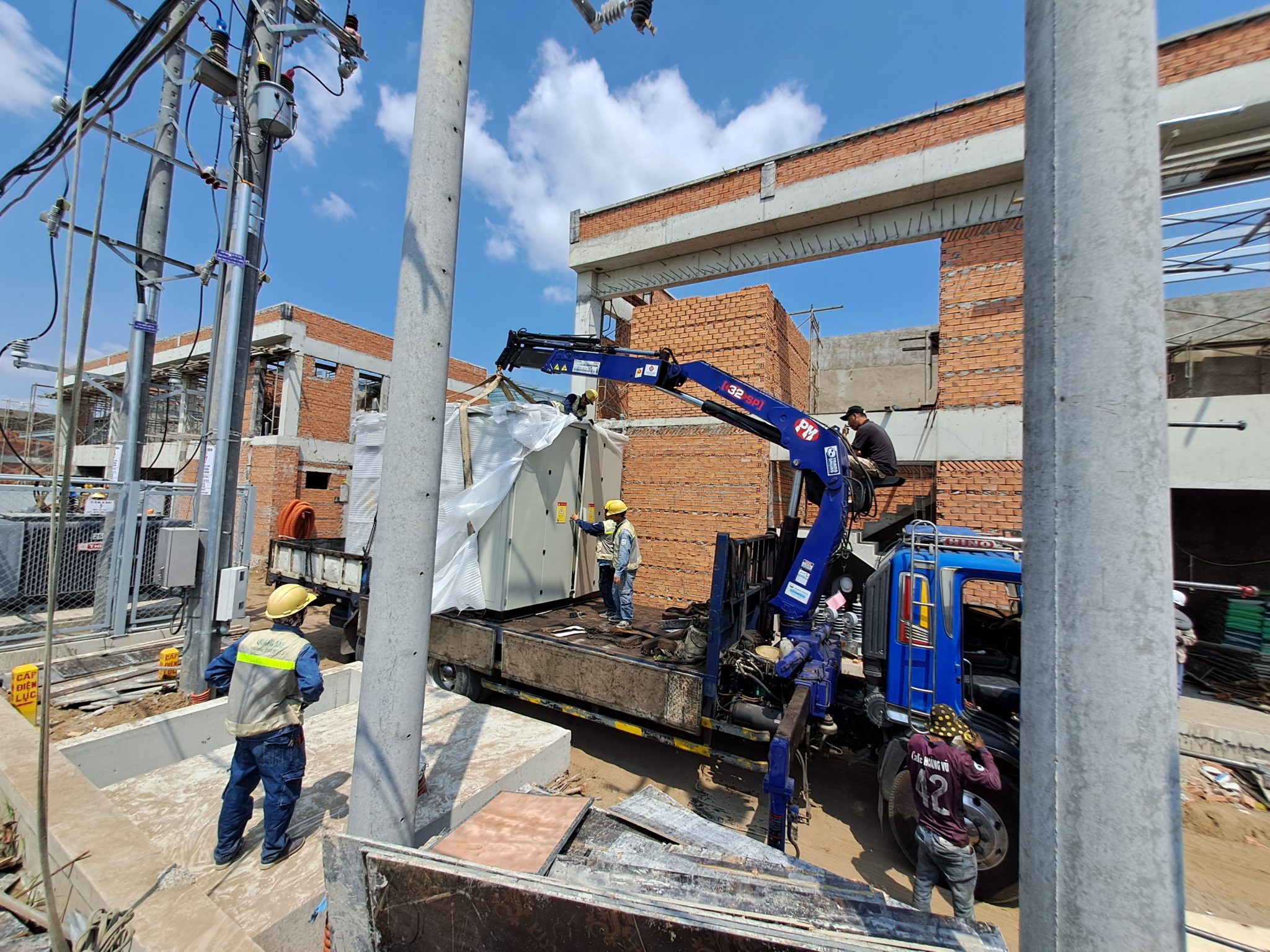
Before deciding on a BESS configuration, focus checks on major components: loads, point of interconnection, inverter/PCS, EMS, protection systems, installation space and safety requirements; these factors determine technical limits and suitable control modes.
On site, practical checks should be organized by the following list to avoid choosing a configuration based on promotional specs or intuition:
- Loads: check hourly load profiles and peak power, confirm maximum continuous and short-term power ratings; during maintenance measure load at the interconnection point to compare with design data.
- Point of Interconnection (POI): check short-circuit capacity, operating voltage and limits on feeding power back to the grid; when surveying the plant, record the single-line diagram and existing switching locations.
- Inverter / PCS: compare voltage range, frequency range and operating modes (record/consume/power support), and check parallel capability and joint control with the PV system.
- EMS: verify integration capability with existing devices, communication protocol requirements and energy control functions; in practice test basic signal exchange before acceptance.
- Protection systems: check relay configuration, trip thresholds and coordination with the grid/PV to avoid false trips; review protection settings and simulate simple fault scenarios.
- Installation space and safety: check area, airflow, access for operation/maintenance and explosion/fire safety requirements; depending on model and operation conditions, smoke containment, escape routes and battery waste management may be needed.
Important decisions should be based on two on-site signals: measured load/POI and control compatibility checks between PCS and EMS. Operational warning: omitting POI survey or protection coordination checks can lead to system isolation or safety risks.
Next step is to schedule a detailed on-site survey and review equipment documentation to proceed to selecting a specific configuration and deployment drawings.
On-site BESS deployment process for solar systems
Sequence: survey, propose solution, coordinate interconnection, install, integration tests, commissioning and handover to prepare operational resources.
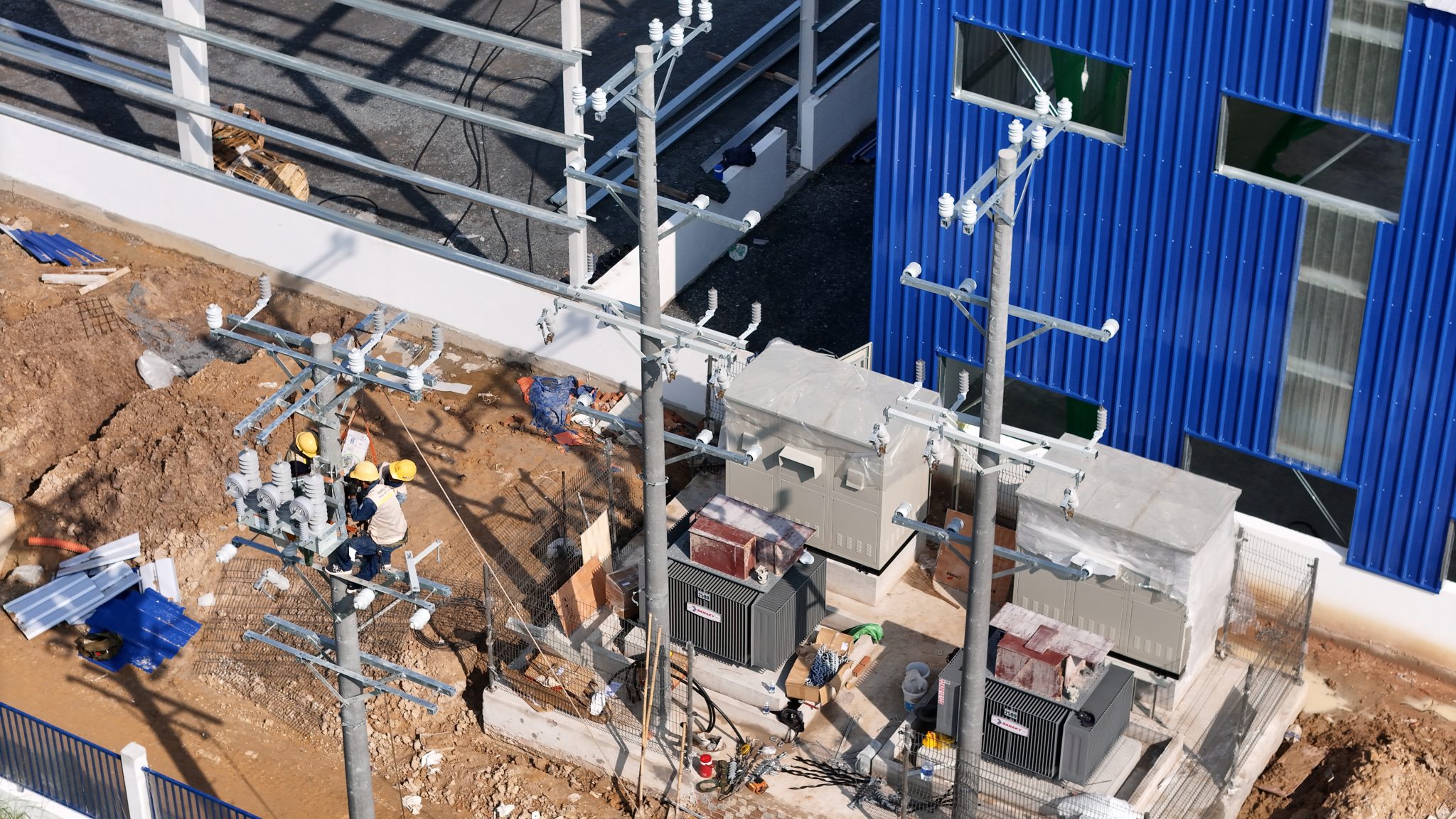
The BESS deployment process for solar includes survey, proposal, interconnection, installation, integration testing and commissioning.
Site survey should assess cabinet location, grid interconnection point, cooling conditions and constructability, typically by field measurements and site photos. Based on the survey, the proposal will specify DC/AC interconnection requirements, equipment placement and safety conditions to follow, depending on model and operating conditions.
- Prepare site and structures: determine foundation, mounting frames and construction access; inspection points: flatness, mechanical load capacity.
- Preliminary mechanical and electrical connections: install cabinets, DC/AC cables, grounding; inspection points: continuous grounding and signs of overheating.
- Control system integration: configure BMS/PCS and SCADA communication; inspection points: validate channels and response times.
- Protection function checks: test relays, AC/DC disconnection, and isolation functions; inspection points: meet setting thresholds.
- No-load and simulated-load commissioning: verify charge/discharge scenarios; inspection points: efficiency and thermal stability.
- Acceptance and handover: complete operation documentation, maintenance guidance, and warranty condition confirmation.
At acceptance, perform protection function checks, SCADA communication tests, and run charge/discharge modes according to agreed scenarios. On site, always check for leaks, cable contacts, and cabinet temperature when the system runs on test cycles.
Operational warning: do not perform DC connections while the PV array is generating; coordinate with the PV party to isolate circuits and confirm a safe zone before working. Acceptance decisions should be based on function test results, commissioning tests and completed technical documentation.
Finally, prepare an internal resource list for operation and maintenance, including trained personnel and periodic checklists to ensure continuous operation. For each project, a detailed site survey is needed to adjust the sequence of work accordingly.
Invest new, expand in stages or not immediately
When infrastructure is unstable and operating data is limited, prioritizing phased BESS expansion is often the more cautious choice.
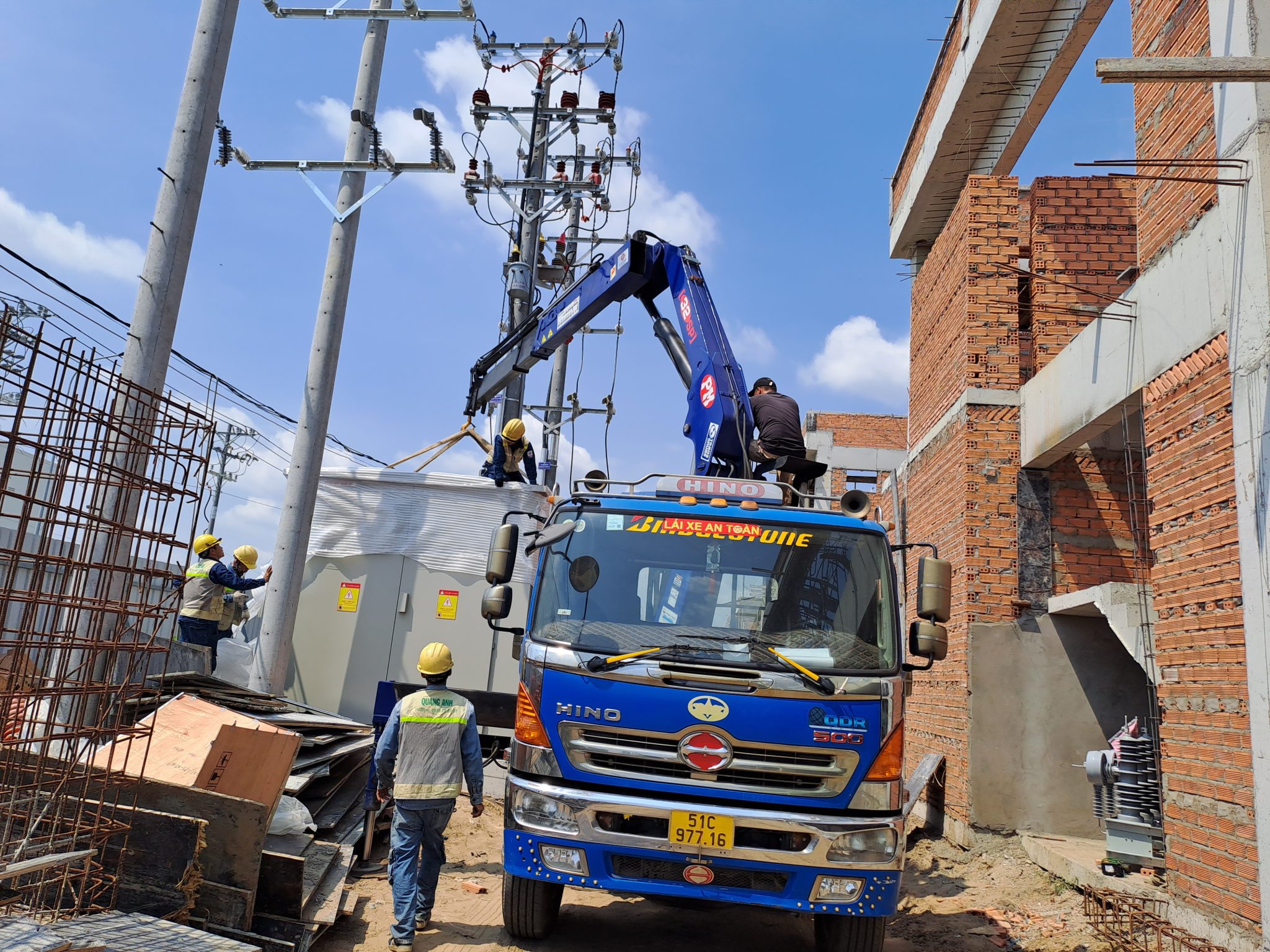
Prioritize phased expansion when electrical infrastructure or operational data are insufficient to finalize a large-scale investment; a full upfront investment should only be implemented when site surveys and economic analysis confirm feasibility.
Decisions are based on specific technical and operational criteria: energy usage objectives, grid power supply capability, EMS compatibility and maintenance capability. On site, check POI, cooling capacity and space layout before deciding on expansion or retrofit.
Typical practical checks include:
- Interconnection capability at distribution cabinets (MV/LV) and cable capacity; verify acceptance with actual operating voltages and currents.
- Communication compatibility between BMS/EMS and inverter/charger; during maintenance test basic control scenarios.
- Mechanical and cooling expandability; with machines running on conveyor or in the equipment room evaluate airflow.
Quick comparison table of options at a high level:
| Item | Description | Points to check |
|---|---|---|
| Full upfront investment | Design and install the BESS at the planned scale in one go. | Grid survey, load assessment, lifecycle economic analysis. |
| Modular phased expansion | Deploy small modules, measure effectiveness before further expansion. | Check integration capability, hierarchical control and on-site upgradeability. |
| Delay / Light retrofit | Only perform necessary adjustments for existing solar/BESS, postpone major upgrades. | Assess operational risk, compatibility with older equipment and modification costs. |
Operational warning: avoid expanding connection if EMS/BMS compatibility tests have not been conducted or if the interconnection point is overloaded; in practice, a small pilot often reveals integration issues not anticipated by design. When baseline data is weak, prioritize on-site surveys and stepwise testing before finalizing large-scale investment.
Factors affecting cost, schedule and choice of implementer
Project cost and schedule for BESS depend mainly on scale, level of integration with the source, existing infrastructure condition, safety requirements and field work scope.
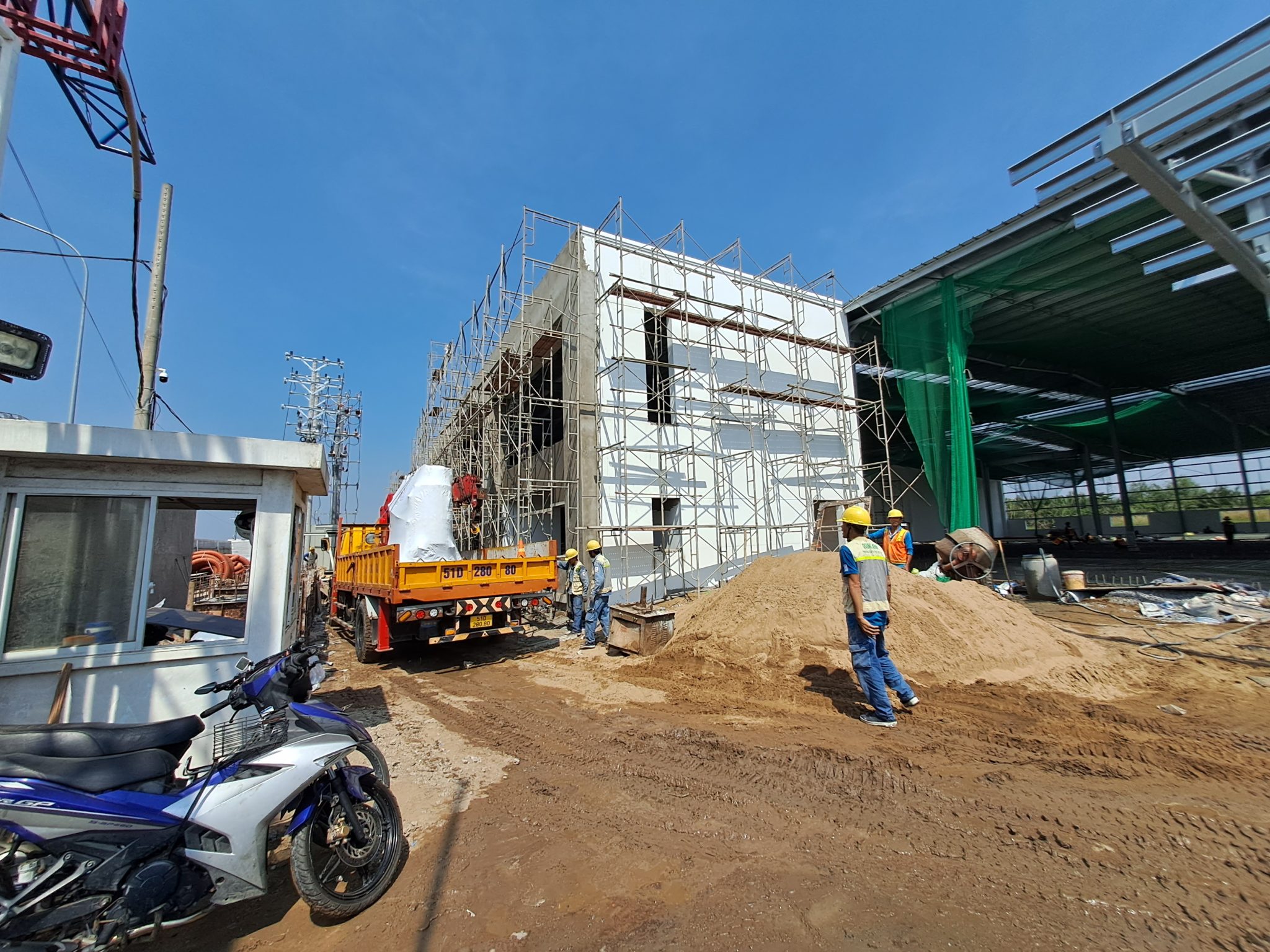
Project cost and schedule are determined by scale, degree of integration with PV and existing infrastructure status. Safety requirements, scope of work and control integration increase workload and acceptance time. When surveying on site check installation location, cable routing capability and ventilation conditions.
Main cost components include equipment, installation, electromechanical work, civil works and project management. Each component can vary significantly depending on technical requirements and site conditions — therefore quotes should itemize each category. During on-site surveys, record inspection points to distinguish potential additional costs.
- Equipment: batteries, PCS, control cabinets — inspection points: model, cooling requirements, warranty and system compatibility.
- Installation and electromechanical: connections, mounting frames, power cables — inspection points: equipment access, cable run length, safety conditions on site.
- Civil and infrastructure: foundations, roofs, ventilation systems — inspection points: load-bearing capacity, drainage and additional construction needs.
- Project management and acceptance: permits, testing, commissioning — inspection points: acceptance schedule, documentation and site safety procedures.
To finalize a quotation, collect a minimal dataset including site survey report, single-line diagram, power and storage time requirements, detailed scope of work and safety/permit requirements. Depending on model and operating conditions, contractors may request additional technical information. In practice, a full site survey typically clarifies most cost variables.
When choosing an implementer prioritize surveying capability and field deployment experience over just low price. Decision criteria include on-site survey capability, similar project references, safety risk management capability and clear acceptance procedures. Operational warning: cheap quotes without real surveys often lead to cost overruns and schedule delays.
Conclusion: a detailed site survey and a clear data requirement list are needed before finalizing quotes and deployment schedule, then choose a contractor that matches the technical requirements and actual conditions.
For solar power systems, BESS is effective only when tied to a specific operational need and evaluated on load data, interconnection method, control strategy and safety requirements. If data is insufficient, the cautious approach is to survey the existing conditions and clarify objectives before deciding on investment scale.
Frequently Asked Questions
Is it mandatory to install BESS at the same time as the solar system?
No, it is not mandatory. The decision depends on operational objectives, infrastructure condition and integration costs. Principle: evaluate load profiles, PV generation and interconnection capability first. Additional data needed: load data, single-line diagram, inverter/PCS specifications and installation space.
Can a plant that already has solar add BESS later?
Yes, it can be added after a thorough survey. Assess EMS/BMS compatibility, protection coordination, interconnection and cooling capability, as well as metering arrangements. If data is lacking, require: time-series load data, surplus events, single-line diagram, inverter specs and installation space.
Is BESS more suitable for internal self-consumption or for peak shaving?
It is suitable for both objectives but designs differ. Self-consumption prioritizes energy capacity and shifting strategy; peak shaving requires high discharge power, fast response and peak-based control. Needed data: load profiles, peak hours and tariff structure to decide priorities.
When should you choose phased deployment instead of full upfront investment?
Choose phased deployment when load data, interconnection capability or infrastructure are unclear; this reduces integration risk and allows operational strategy testing. If infrastructure, EMS and economics are clear, full investment may be more effective. Conduct a site survey.
Does a BESS system have special requirements for safety, fire protection and installation space?
BESS systems have strict safety requirements: thermal management, ventilation, fire control, maintenance access and protection coordination. Design must consider installation space, rescue routes and dedicated fire protection measures. If information is missing, provide floor plans, ventilation conditions and fire risk assessment.
What data should be prepared before working with a BESS surveyor?
Prepare the following data: hourly load records, daily/monthly PV generation, single-line diagram, inverter/PCS specifications, current metering setup, installation space, cooling conditions and operational requirements. If data is missing, conduct on-site measurements first.
How to do a preliminary assessment of BESS needs for a solar system
- Identify the main objective: increase self-consumption, shift load or stabilize operations.
- Collect time-series load data and existing or projected solar generation.
- Review interconnection point, distribution cabinet capability, protection, metering and installation space.
- Outline time windows of surplus, deficit or notable load fluctuations.
- Work with the technical party to propose several configuration scenarios rather than a single option.
- Compare options by scope of work, operational complexity and future expandability.
If a business is considering BESS for a solar system, start with load surveys, single-line diagrams and operational objectives to avoid selecting a configuration larger than the actual need.