
 Tiếng Việt
 简体中文
简体中文 Deutsch
 日本語
日本語 한국어
한국어 ไทย
ไทย Русский
 Français

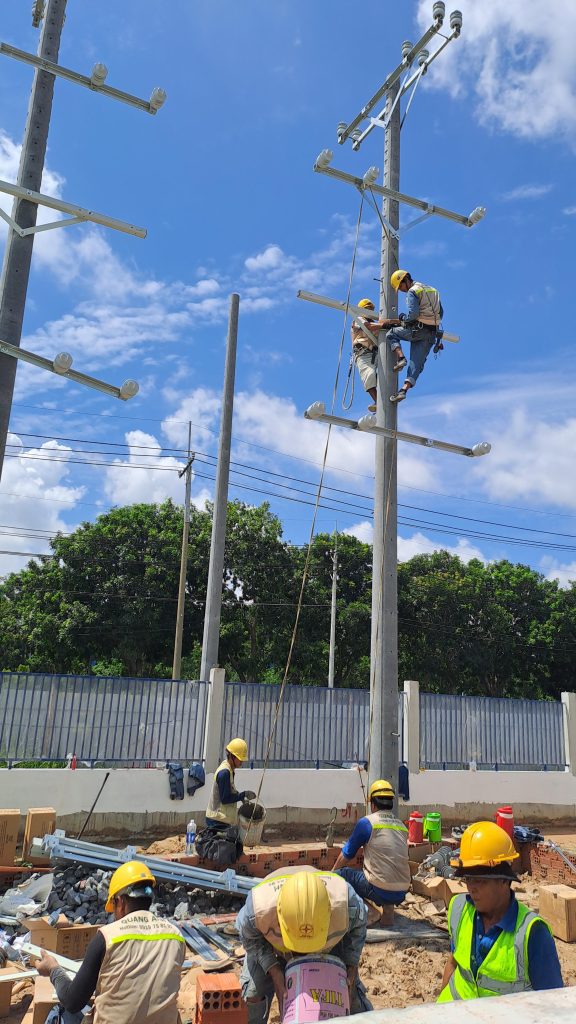
Industrial electrical installation is a complex process, requiring thorough preparation and systematic implementation to ensure efficiency and safety according to technical standards.
Overview of Industrial Electrical Installation
Industrial electrical installation involves the design, construction, and operation of electrical systems in industrial areas. From designing technical drawings to installation and inspection, every aspect is emphasized to ensure safety and efficiency.
Industrial electrical installation requires a strict implementation process including several important steps to ensure safety and efficiency. Below are the steps in the industrial electrical construction process.
- Project Survey: The initial phase of the process is conducting a project survey, where information about the space area, number of employees, machinery, production industries, and electrical load requirements are collected.
- Design Drawings: The design of industrial electrical system drawings must strictly adhere to technical and electrical safety standards. This task must ensure the accurate installation locations of electrical equipment, the arrangement method of the electrical system, along with the principle and control circuits.
- Equipment Preparation: Adequate preparation of necessary equipment is an important step in the construction process.
- Installation: Proceed with construction according to the approved design drawings to ensure the safety and operational efficiency of the industrial electrical system.
- Acceptance and Inspection: Trial run of the system to check for electrical power and safety requirements before acceptance and handover.
Notes When Installing an Industrial Electrical System
- Calculate Total Power: This step involves calculating the total power consumption of devices in the factory to select appropriate equipment.
- High Voltage Electrical Network Design: Conduct electricity from the national grid, requiring careful calculation of the arrangement of high voltage lines, substations, and industrial control panels.
- Low Voltage Electrical Network Design: Ensure a voltage less than 1kV and reasonable installation with control panels.
- Lighting System Design: Calculate the number of lights needed to optimize costs and ensure production lighting.
Industrial Control Panels
Industrial control panels contain industrial electrical equipment connected through copper bars and electrical wires to manage power and protect equipment in the factory.
Safety and Efficiency
- Electrical Safety: Ensure the industrial electrical system operates safely under all technical standards.
- System Efficiency: The system is guaranteed to operate efficiently, saving energy throughout the operation.
Industrial electrical installation requires professionalism and strict adherence to the process to ensure optimal efficiency and safety for the system.
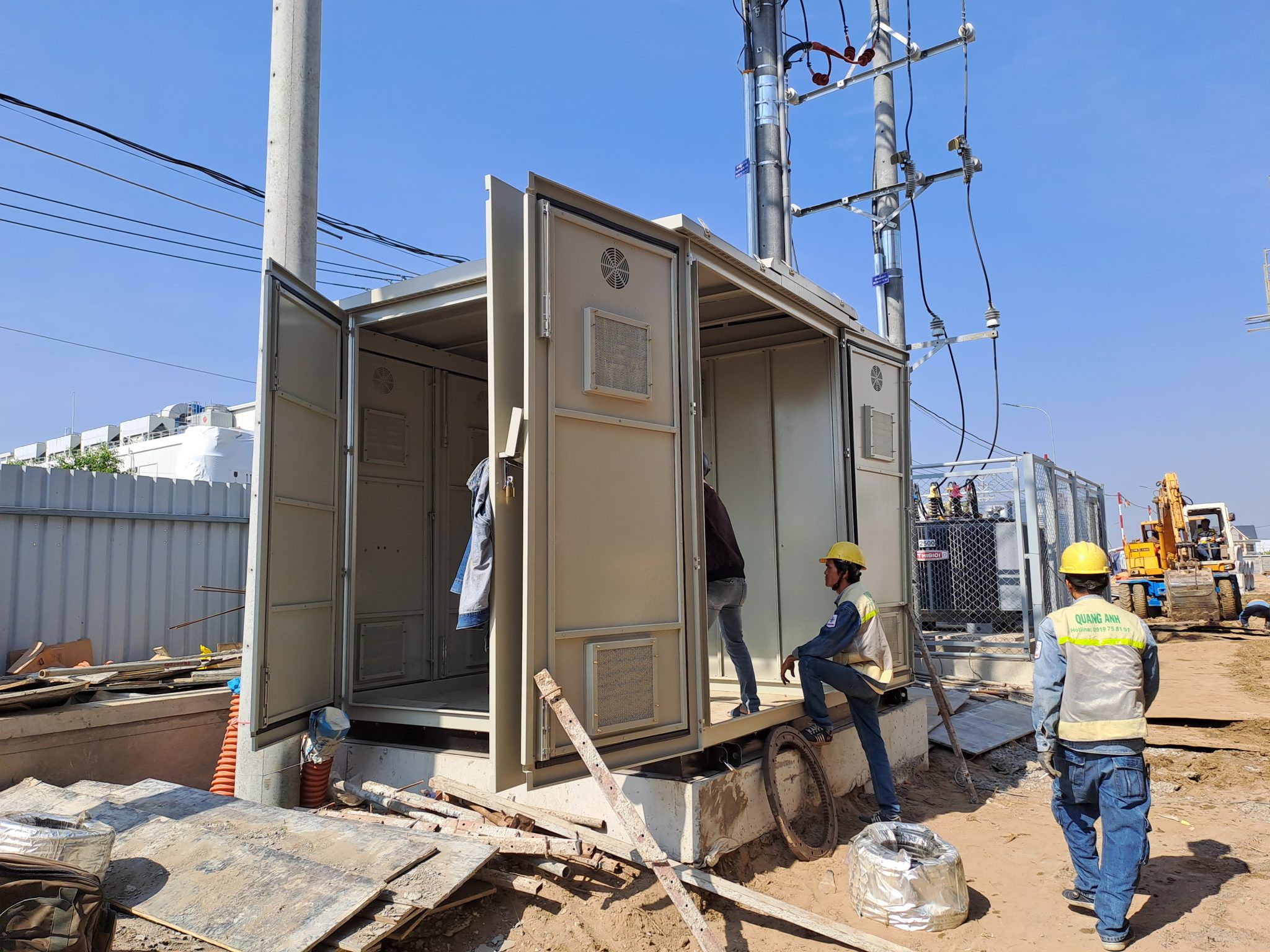
Detailed Process of Industrial Electrical Installation
The process of industrial electrical installation begins with equipment preparation and survey, followed by the design of the electrical system. Next is the installation of electrical equipment, wiring and safety operation checks. Finally, completion with trial operations to ensure effective system function.
To ensure a successful process of industrial electrical installation, adherence to detailed steps and techniques is extremely important.
Step 1: Preparation of Equipment and Information
Before commencing work, it is crucial to prepare all necessary equipment and tools for the industrial electrical installation process. This includes materials needed for electrical installation as well as supporting tools and equipment. It is especially important to fully receive information from customers and conduct a project survey to gain a detailed understanding of the workshop electrical system.
Step 2: Survey and Design
Conducting a survey and measurements at the project is a vital next step. Accurate technical parameters need to be collected to aid the electrical design phase. Based on this data, a detailed design will be created to ensure system efficiency and safety before starting installation.
Step 3: Drawing Approval
Once the design is complete, the drawing must be submitted to the business for verification and approval. This step is indispensable to ensure all options proposed are appropriate and optimal before proceeding to installation.
Step 4: Construction and Installation
Construction is carried out following the approved drawing, ensuring industrial electrical safety throughout installation and operation. All equipment, from power to control, must be securely and accurately mounted according to the set plan. Equipment brands may include Thibidi, EMC, and ABB, known for durability and high effectiveness.
Step 5: Acceptance and Inspection
Finally, the system will be checked through trial runs to evaluate actual operational capability. After ensuring all equipment functions well and safely, the project is accepted and handed over to the customer comprehensively.
Assembly of Industrial Control Panels
The process of assembling industrial control panels requires precision from cutting duct according to design to mounting power and control equipment. Reputable brands like Schneider and Mitsubishi may be used to ensure quality and reliability.
Through this process, industrial electrical installation is carried out accurately, efficiently, and safely, ensuring the best support for factory operational needs.
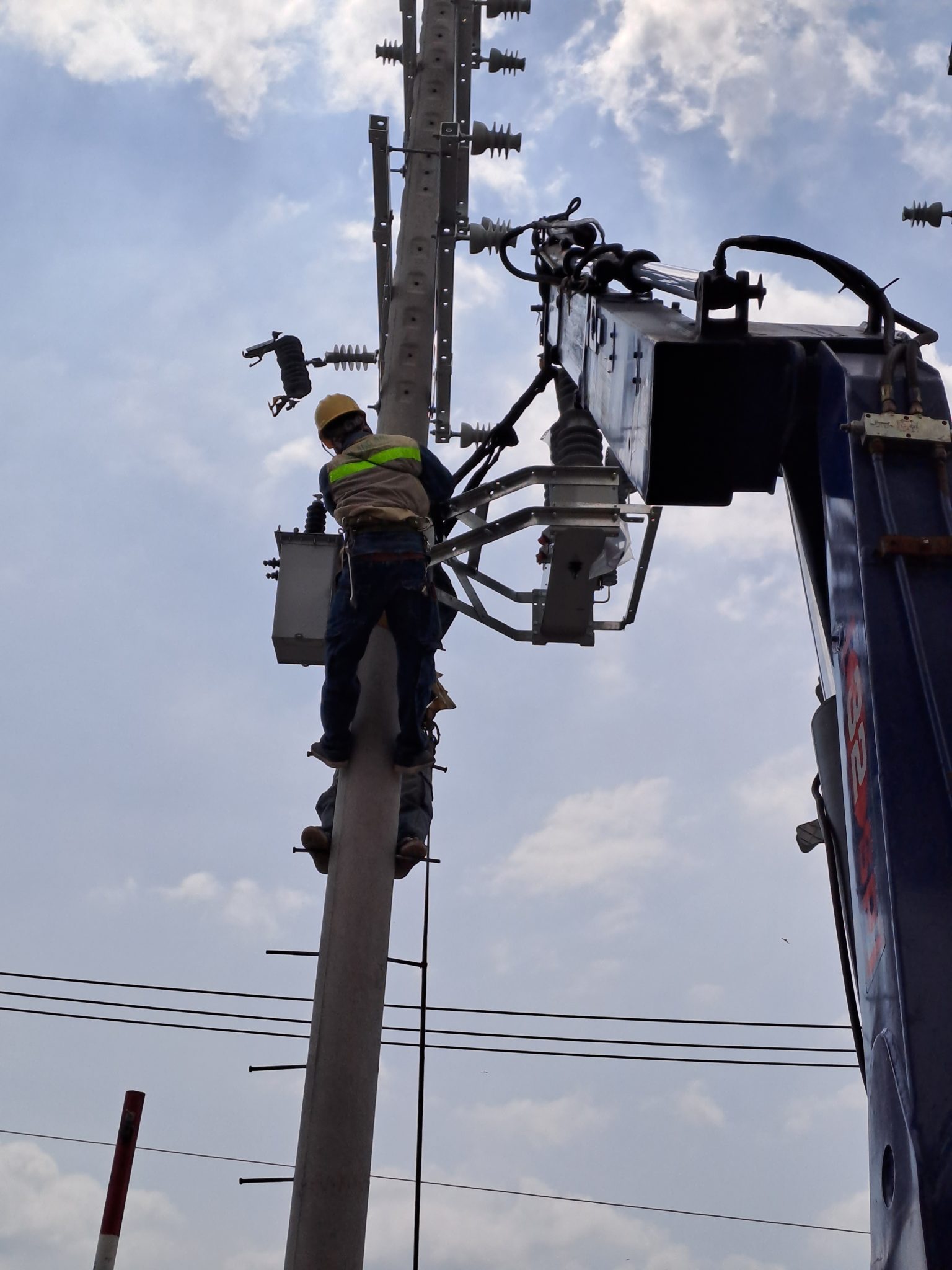
Guide to Installing Industrial Control Panels
Installation of industrial control panels involves matching drawing information and materials, mounting equipment to the panel, labeling devices, and ultimately wiring and checking technical standards.
The installation of industrial control panels is a crucial process in the energy sector, requiring precision and high technical skill. Starting with comprehensive preparation from equipment to detailed drawings, this process must adhere to specific steps to ensure maximum efficiency and safety.
1. Preparation and Reading Drawings
- Prepare equipment and materials: Ensure the availability of all necessary equipment and materials for the project, including products from reputable brands like Schneider, Mitsubishi.
- Read and understand drawings: Thoroughly analyze technical drawings and cross-reference with material lists to determine the necessary equipment quota. This helps avoid shortages or excess of crucial industrial electrical equipment.
2. Installing the Electrical Panel Frame
- Select the appropriate location: Choose an installation location that avoids moisture and impact, essential for the long-term stability of the industrial control panel.
- Fixing the frame: Stably install the frame onto the wall or floor, ensuring safety and aesthetics.
- Install rail, cable trays: Effectively arrange electrical wires inside to facilitate future electrical connections.
3. Mounting Equipment
- Install the electrical duct: Cut and nail the duct according to specified dimensions, establishing a base for mounting electrical equipment.
- Install power equipment: Use bolts and nuts to mount devices such as circuit breakers, switches. Products from ABB or LS are often favored for their durability.
- Install control equipment: Control devices like PLCs, sensors are mounted on snap-in rails for easy operation and maintenance.
- Install door panel devices: Includes indicator lights, push buttons, switchboards, ensuring effective operation of the entire system.
4. Wiring Electrical Devices
- Install switching devices: According to the electrical schematic of the panel to optimize the current flow and electrical safety.
- Wiring: Firmly connect between devices and the main power source, adhering to quality standards like Cadivi.
- Connect to load: Ensure all industrial electrical equipment operates properly without issues.
5. Checking and Completing
- Inspect the entire system: Comprehensive testing to ensure everything operates stably and error-free.
- Complete and certify: Ensure the electrical panel meets safety standards when put into use, complying with stringent technical standards.
Important Notes
- Safety: Always observe safety regulations when working with industrial control panels to protect personnel and equipment.
- Quality: Ensure the quality of the equipment and materials used from manufacturers like Eaton, Schneider.
- Technical standards: Strictly adhere to current technical and electrical standards to maximize system performance.
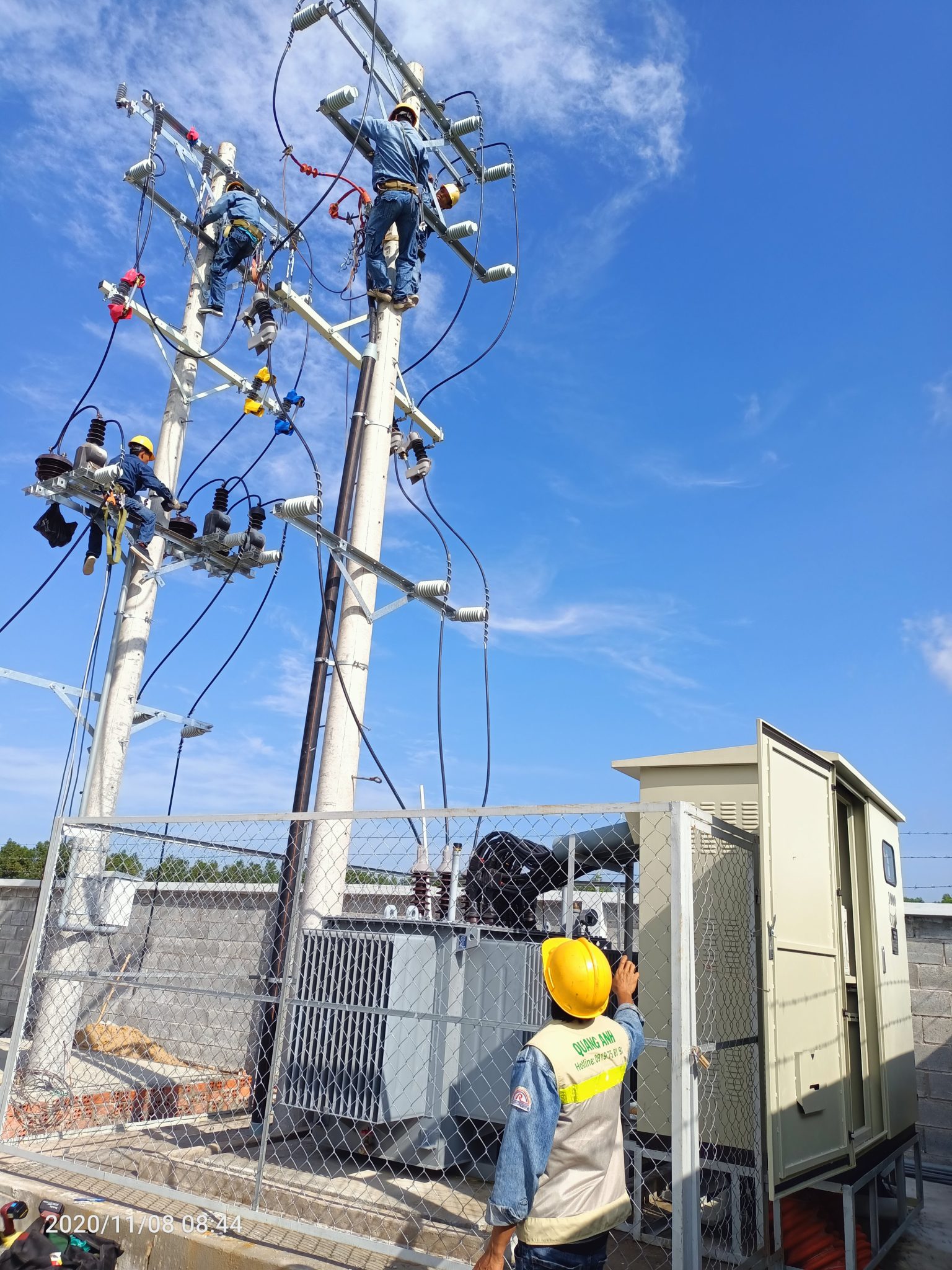
Industrial electrical installation brings significant benefits to the manufacturing and industrial sectors through operational efficiency, cost savings, and ensured safety. Properly executed processes will enhance productivity and stability for the enterprise’s energy system.
Call QuangAnhcons at Hotline: +84 9 1975 8191 for detailed consultation on industrial electrical installation for your project.
QuangAnhcons specializes in providing complete industrial electrical installation services with standard and safe processes, from design to trial operation, ensuring efficiency for businesses.
Tính nhanh giá trạm biến áp
Chọn công suất và chiều dài tuyến để xem giá tham khảo cùng thông số điện.
Gửi yêu cầu báo giá theo thiết kế
Gửi thông tin công trình, BOQ hoặc bản vẽ để nhận báo giá chính thức. Các trường có * là bắt buộc.
Phạm vi báo giá
Áp dụng cho một trạm mua điện EVN, máy dầu 22/0,4 kV (máy một pha: 12,7/0,23 kV), TU/TI trung thế do EVN cấp. Giá gồm thiết bị theo cấu hình, lắp đặt, tiếp địa, liên kết máy–CB tổng, hồ sơ thiết kế–đấu nối và phối hợp thí nghiệm, nghiệm thu điện lực.
Kios, trụ thép hợp bộ và trạm trong nhà có tủ trung thế cùng đoạn cáp ngầm theo thông tin đã nhập. Các kiểu ngoài trời dùng phương án bảo vệ tương ứng; sơ đồ cuối cùng cần phù hợp yêu cầu đấu nối tại công trình.
Chưa gồm VAT, cáp từ tủ trạm đến MSB/phụ tải, hotline, cuộn kháng lọc hài, nền yếu/cọc đặc biệt, đất và PCCC đặc thù. Tuyến ngầm tính theo điều kiện thi công thông thường, chưa gồm khoan qua đường hoặc hoàn trả đặc biệt.
Giá dùng để tham khảo đầu tư. Báo giá chính thức được xác nhận sau khảo sát và thống nhất cấu hình. Thông số điện là lựa chọn sơ bộ, cần kiểm tra theo thiết kế trước khi thi công.
Dải công suất và điều kiện áp dụng
Danh mục là phạm vi tiếp nhận yêu cầu của công cụ, không phải giới hạn công suất chung của TCVN. Trạm treo một máy: 15–100 kVA; bộ ba máy: 3×15–3×100 kVA. Giàn: 100–630 kVA. Trụ thép: 100–630 kVA; 750/800 kVA cần xác nhận thiết kế và chấp thuận tại địa phương. Nền/kios/phòng: danh mục 50–10.000 kVA, không có nghĩa mọi cấu hình đều có giá trọn gói hoặc cùng kết cấu.
Tham khảo QĐ 1299/QĐ-EVN ngày 03/11/2017, Tập 1, mục 3.3–3.4; kiểm tra văn bản hiện hành của điện lực quản lý trước khi triển khai. Kios phải phù hợp định mức/thử nghiệm của nhà chế tạo (IEC 62271-202); phòng/nền phải đáp ứng bố trí, thông gió, kết cấu và PCCC của dự án. Công suất trạm nhiều máy phải tách số máy và công suất mỗi máy.
Công cụ do QuangAnhcons phát triển · © 2026 QuangAnhcons. Mã nguồn theo GPL-2.0-or-later; tiêu chuẩn và dữ liệu hãng thuộc chủ sở hữu tương ứng.