
 Tiếng Việt
 简体中文
简体中文 Deutsch
 日本語
日本語 한국어
한국어 ไทย
ไทย Русский
 Français

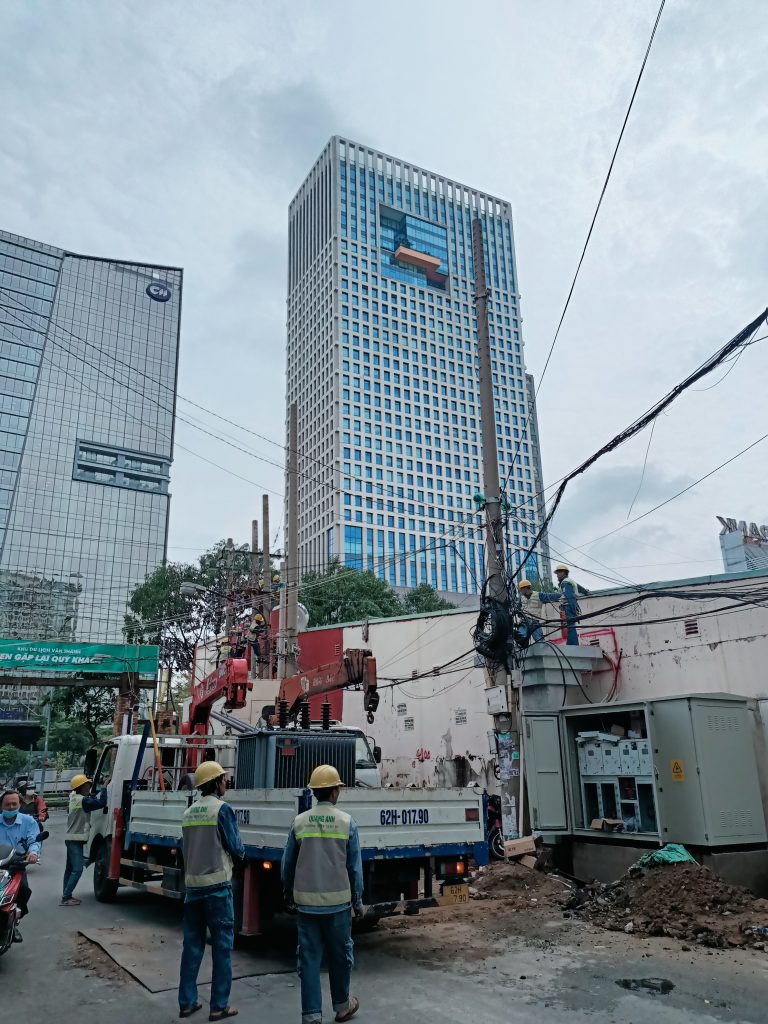
Electrical system upgrade plays a crucial role in improving efficiency and ensuring safety. This process includes boosting the handling and power transmission capability to increase production and save energy.
Objectives for Performance Improvement and Optimization of Energy
Plant electrical system upgrade aims to enhance performance by improving the power transmission capability and minimizing unnecessary downtime. Additionally, energy optimization is a crucial target to reduce waste and improve technology, meeting new energy demands in industrial electrical systems.
In the context of modern industrialization, the goals of energy optimization and performance improvement are core for businesses to maintain competitiveness and sustainable development. Optimizing energy not only reduces costs but also contributes to environmental protection, meeting new demands. Numerous solutions have been implemented to achieve these goals.
- Energy Audit: This is an important initial step to specifically identify energy waste in the system. By auditing, businesses can proactively identify and implement more effective energy management measures, reducing losses.
- Investing in Energy-Efficient Equipment: Replacing old, inefficient equipment with modern models like IE3 or IE4 motors helps improve electrical efficiency, reduce energy consumption, and increase equipment lifespan.
- Implementing Smart Manufacturing: Using IoT technology helps automate and optimize production processes, minimizing energy consumption by continuously analyzing data and making timely adjustments.
- Optimizing Production Processes: Simplifying and eliminating unnecessary steps in the production process to improve production and achieve the best energy efficiency.
The benefits from energy optimization are diverse:
- Reducing Energy Costs: More efficient work equates to lower electrical costs.
- Increasing Production Efficiency: Increase capacity without increasing investment resources while enhancing product quality.
- Environmental Protection: Reducing carbon emissions contributes to protecting a green, clean, beautiful environment.
- Sustainable Development: Ensure long-term development in the direction of green growth and resource-saving.
Strategies and policies have also been proposed to guide businesses:
- Supporting Development of High-Efficiency Products: Encouraging the development and application of energy-saving products globally.
- Strengthening State Management: Strict regulations in energy management and promoting the effective use of this resource.
- Digitalization and Advanced Technologies: Using new technologies like IoT for precise control of energy use in production and consumption activities.
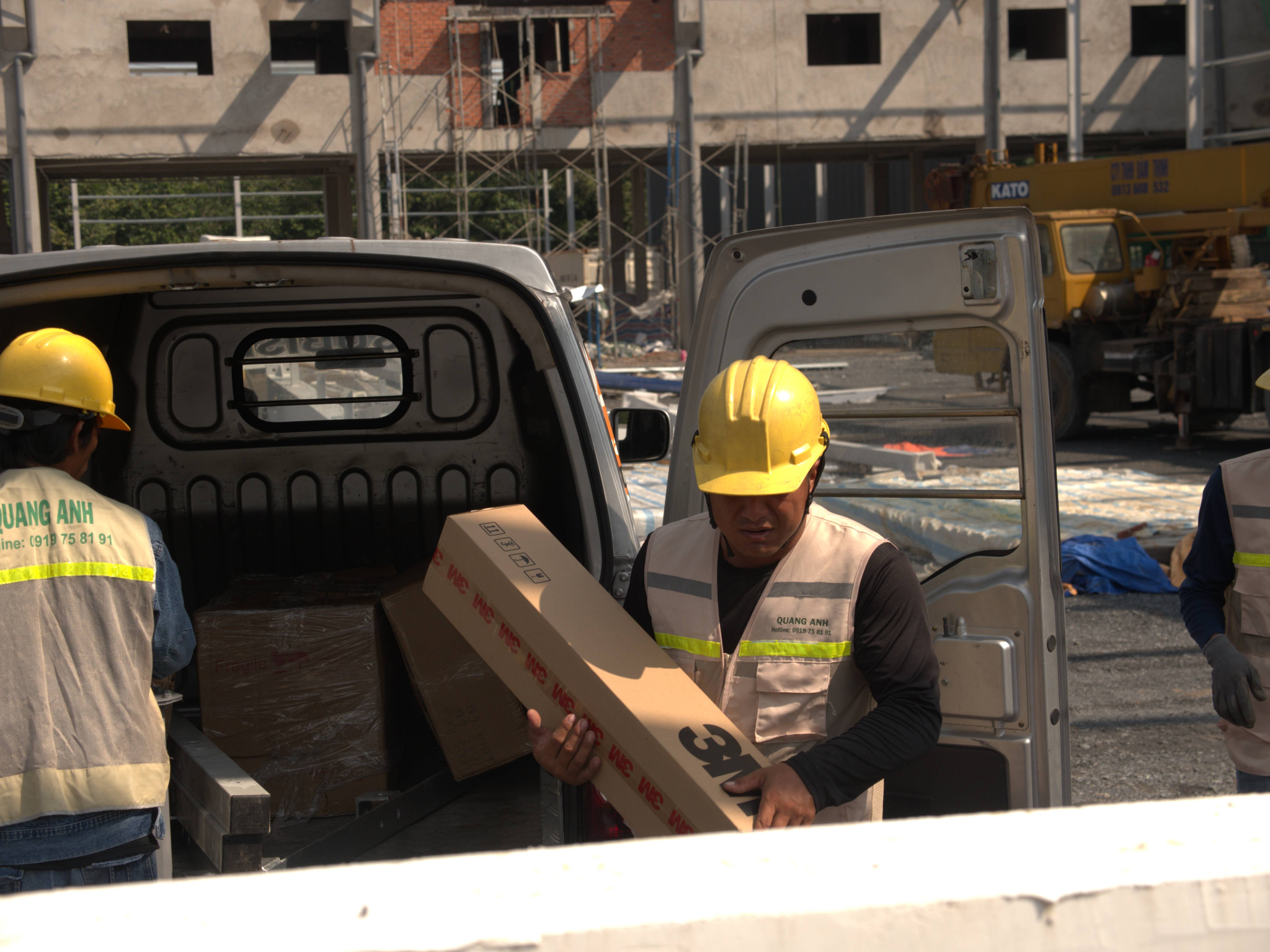
Process of Plant Electrical System Upgrade
The process of upgrading the electrical system begins with surveying and assessing current conditions, followed by designing a detailed plan. The construction process is carried out based on the plan and strictly adheres to safety standards. After installing new equipment, the system will be thoroughly checked and tested before handover. Regular maintenance is essential to ensure electrical efficiency and safety.
Upgrading the plant electrical system is an important process to ensure safety, reliability, and efficiency for industrial production activities. This process is implemented through main stages from initial assessment, new system design, to construction and regular maintenance.
The process begins with step
Designing the new electrical system is step
Step
After installation, step
Finally, step
Upgrading the plant electrical system not only brings stability, safety in operations but also saves costs and improves the quality of industrial production activities.
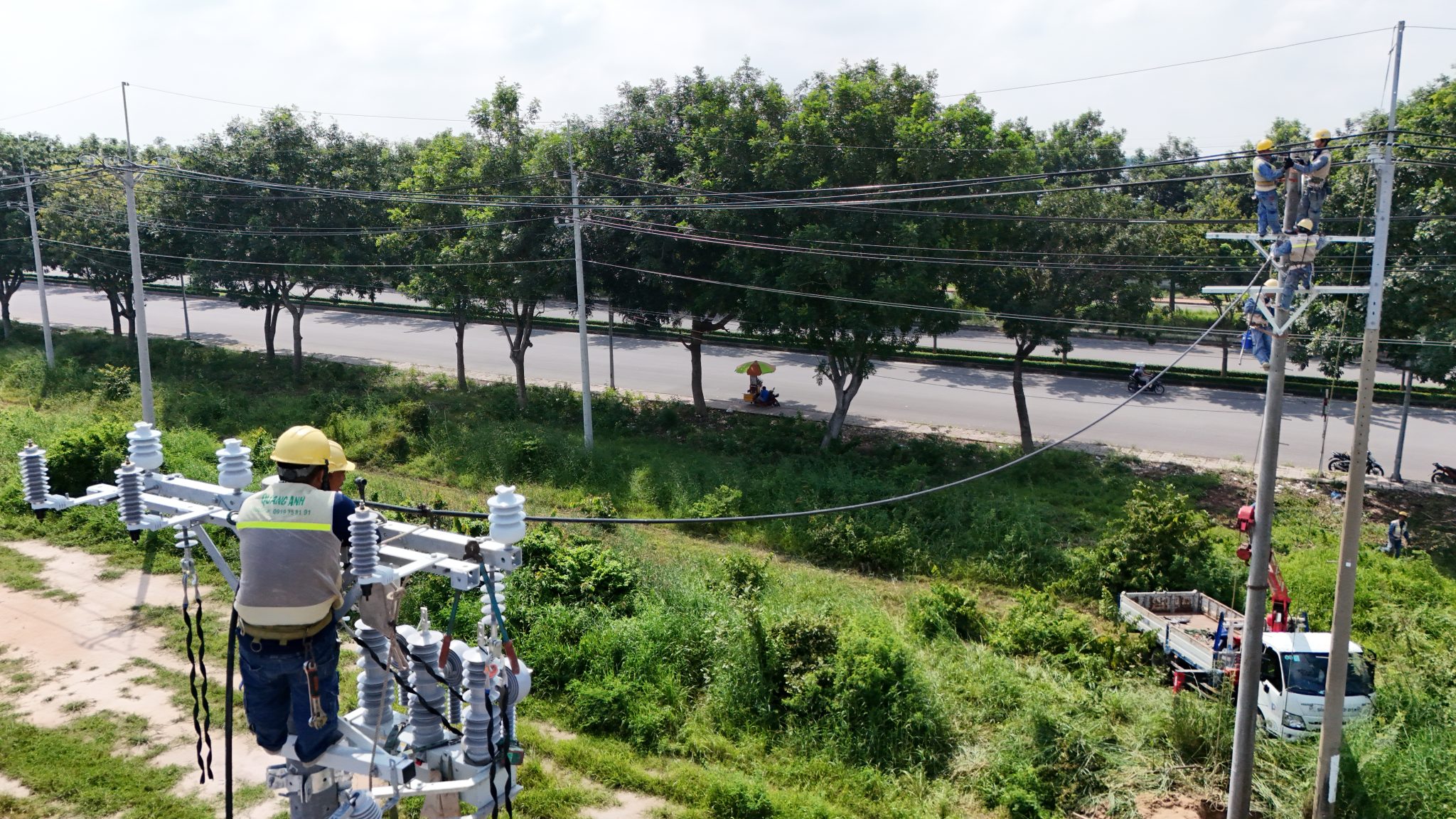
Key Factors in Electrical System Upgrade
In upgrading electrical systems, calculating power capacity is essential to ensure it meets energy demands. Providing compatible and efficient equipment is a top priority. Electrical safety is a factor that cannot be overlooked, and safety regulations must be complied with throughout the process of upgrading and maintaining the plant’s electrical system.
To meet increasing energy demands while ensuring system efficiency and electrical safety, upgrading electrical systems is paramount. Some key factors to note include:
1. Energy Growth Demand
- Economic and Population Growth: Economic development and population growth create larger electricity demands, requiring the electrical system to be suitably upgraded to meet the needs.
- Shift to Renewable Energy: The integration of renewable energy sources such as solar and wind reduces dependence on traditional energy, which is a necessary trend for sustainable development.
2. Overload and Safety
- Electrical Overload: Increased electricity consumption may cause the system to easily overload, leading to outages or voltage drops. Upgrading supports stable and safer system operation.
- Electrical Safety: System upgrades need to ensure equipment and technology are current to avoid safety risks from outdated equipment.
3. Project Quality and Efficiency
- Ensuring Project Quality: To guarantee safe and optimal system efficiency, the quality of installation and upgrade projects must be rigorously inspected.
- Integrating Modern Energy Technology: Advanced technology from brands like ABB, Mitsubishi, or Schneider can enhance system performance and reliability.
4. Comprehensive Electricity System Development Factors
- Ensuring diversity in power sources and suitable for usage demand.
- Optimizing distribution and rational use of electricity.
- Ensuring stable and reasonable electricity prices.
5. Measuring and Protection Systems
- The use of modern measuring and protection systems from Eaton or LS aids in early detection and handling of incidents, ensuring comprehensive electrical safety for the system.
These factors need to be carefully considered to ensure that the electrical system not only meets the current demand but is also suitable for the future.
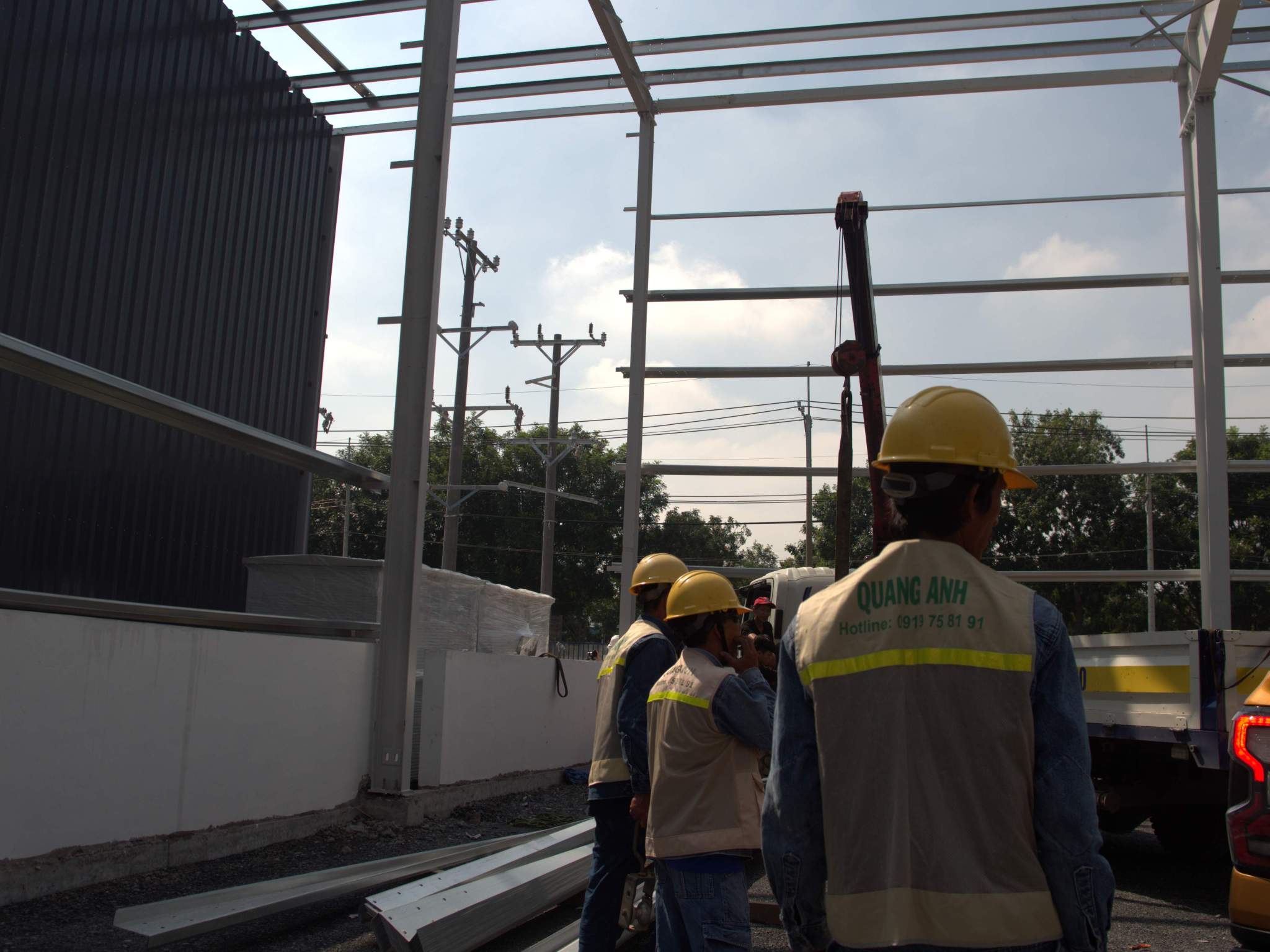
Upgrading the plant electrical system brings numerous technical benefits, enhancing efficiency and reducing risks, laying the foundation for sustainable investment exploitation and enhancing competitiveness.
Contact QuangAnhcons via Hotline: +84 9 1975 8191 for effective and safe plant electrical system upgrade consultation.
QuangAnhcons provides plant electrical system upgrade services with high expertise, optimizing energy and ensuring safety, from survey, design, to construction and maintenance.
Tính nhanh giá trạm biến áp
Chọn công suất và chiều dài tuyến để xem giá tham khảo cùng thông số điện.
Gửi yêu cầu báo giá theo thiết kế
Gửi thông tin công trình, BOQ hoặc bản vẽ để nhận báo giá chính thức. Các trường có * là bắt buộc.
Phạm vi báo giá
Áp dụng cho một trạm mua điện EVN, máy dầu 22/0,4 kV (máy một pha: 12,7/0,23 kV), TU/TI trung thế do EVN cấp. Giá gồm thiết bị theo cấu hình, lắp đặt, tiếp địa, liên kết máy–CB tổng, hồ sơ thiết kế–đấu nối và phối hợp thí nghiệm, nghiệm thu điện lực.
Kios, trụ thép hợp bộ và trạm trong nhà có tủ trung thế cùng đoạn cáp ngầm theo thông tin đã nhập. Các kiểu ngoài trời dùng phương án bảo vệ tương ứng; sơ đồ cuối cùng cần phù hợp yêu cầu đấu nối tại công trình.
Chưa gồm VAT, cáp từ tủ trạm đến MSB/phụ tải, hotline, cuộn kháng lọc hài, nền yếu/cọc đặc biệt, đất và PCCC đặc thù. Tuyến ngầm tính theo điều kiện thi công thông thường, chưa gồm khoan qua đường hoặc hoàn trả đặc biệt.
Giá dùng để tham khảo đầu tư. Báo giá chính thức được xác nhận sau khảo sát và thống nhất cấu hình. Thông số điện là lựa chọn sơ bộ, cần kiểm tra theo thiết kế trước khi thi công.
Dải công suất và điều kiện áp dụng
Danh mục là phạm vi tiếp nhận yêu cầu của công cụ, không phải giới hạn công suất chung của TCVN. Trạm treo một máy: 15–100 kVA; bộ ba máy: 3×15–3×100 kVA. Giàn: 100–630 kVA. Trụ thép: 100–630 kVA; 750/800 kVA cần xác nhận thiết kế và chấp thuận tại địa phương. Nền/kios/phòng: danh mục 50–10.000 kVA, không có nghĩa mọi cấu hình đều có giá trọn gói hoặc cùng kết cấu.
Tham khảo QĐ 1299/QĐ-EVN ngày 03/11/2017, Tập 1, mục 3.3–3.4; kiểm tra văn bản hiện hành của điện lực quản lý trước khi triển khai. Kios phải phù hợp định mức/thử nghiệm của nhà chế tạo (IEC 62271-202); phòng/nền phải đáp ứng bố trí, thông gió, kết cấu và PCCC của dự án. Công suất trạm nhiều máy phải tách số máy và công suất mỗi máy.
Công cụ do QuangAnhcons phát triển · © 2026 QuangAnhcons. Mã nguồn theo GPL-2.0-or-later; tiêu chuẩn và dữ liệu hãng thuộc chủ sở hữu tương ứng.