
 Tiếng Việt
 简体中文
简体中文 Deutsch
 日本語
日本語 한국어
한국어 ไทย
ไทย Русский
 Français

News
Solar farm repair: O&M process, IV curve diagnostics, thermal imaging, inverter repair, and utility-scale safety
Dec
Table of contents:
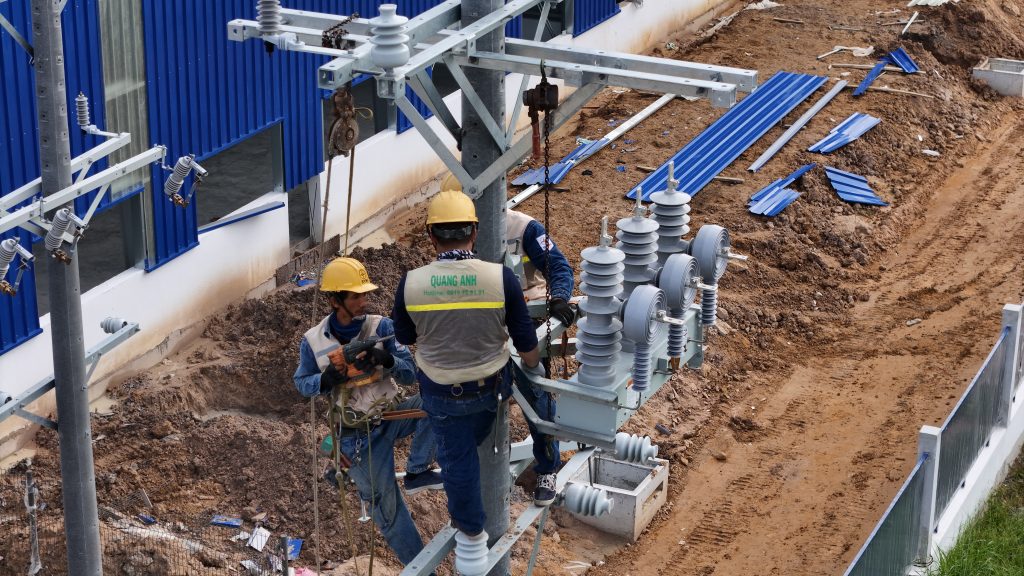
- Solar farm repair and step-by-step O&M operations.
- Common failures and diagnostic methods in solar farm repair.
- Advanced inspection techniques: IV curve, thermal imaging, grounding, and SCADA.
- Electrical safety, applicable standards, and warranty policies.
- Effective maintenance management for utility-scale PV systems.
Solar farm repair at utility-scale requires a rigorous O&M process, fault diagnostics using IV curve and thermal imaging, grounding and lightning protection checks, SCADA monitoring, predictive maintenance, spare-parts management, along with compliance with standards and warranties. The focus is on restoring yield, ensuring electrical safety, and maintaining stable performance through periodic inspections, rapid repairs, inverter firmware updates, panel cleaning, and data analytics to detect anomalies early. This approach makes solar farm repair more effective, extends equipment life, and optimizes operating costs.
Solar farm repair and step-by-step O&M operations.
The solar farm repair process starts with cleaning and a general inspection. Periodic cleaning of module surfaces, electrical cabinets, and inverters with specialized tools helps remove dust, sand, and debris that degrade performance, while avoiding damage to the tempered glass surface. Next are periodic inspections and repairs: production recovery, replacement of failed devices such as inverters, fuses, filters; tightening connection points; firmware updates; inspection of DC/AC combiner boxes, trackers (if any), transformers, and high-power inverter systems. Solar farm repair requires measuring earth resistance to ensure grounding meets safety standards, free from rust or damage; at the same time checking surge protection, fuses, and ground bonding to prevent lightning damage. Spare parts management must be ready with components such as MC4 cables, fuses, inverters, modules, and filters to handle incidents quickly. The SCADA system continuously monitors and alerts on abnormalities. Predictive maintenance uses thermal, voltage, current, IV curve, and thermal image data to detect potential defects and improve operational efficiency..
Inspection – cleaning – remediation – monitoring – prediction cycle
In the step-by-step solar farm repair and O&M process, all items of the solar power plant are evaluated in a closed loop to maintain long-term performance and stability. This approach begins with overall inspection and cleaning, followed by periodic maintenance, timely repairs, continuous monitoring via SCADA, and the application of data-driven predictive maintenance.
1) Overall inspection and initial cleaning
- Review all modules, conductors, panels, inverters, mounting structures, and lightning protection systems to identify abnormalities before detailed O&M work.
- Clean modules to remove dirt and debris and optimize irradiance absorption.
- Inspect module tempered glass, wiring, MC4 connectors, screws, and clamps; detect damage, oxidation, looseness to promptly propose repair or replacement [1][3][5].
2) Periodic cleaning of modules, panels, and inverters
- Modules: clean periodically (at least once a year) with clean water and specialized tools to maintain performance; avoid scratching the glass surface.
- Electrical panels: inspect and clean inside, ensure no insect ingress, no moisture, and intact cable insulation.
- Inverters: use a thermal camera to detect hotspots; check plugs, capacitors, PCBs, and terminal clamps to prevent failures [1][2][5].
3) Periodic inspection, production recovery, and repairs
- Restore production by handling minor faults: replace fuses, replace filters; tighten AC/DC electrical terminals to eliminate looseness hazards.
- Replace/repair inverters when faults are detected; track parameters and abnormal alerts on SCADA to decide intervention.
- Inspect DC/AC cabinets, trackers, transformers, and high-power inverters; proactively repair or replace components when necessary [1][2][4].
4) Measure earth resistance and control rust and mechanical damage
- Periodically measure earth resistance with specialized meters to ensure grounding effectiveness.
- Review cable trays, frames, and panel enclosures to detect rust/damage and handle early to reduce short-circuit risk and avoid reduced equipment lifespan [1][2][3].
5) Lightning protection, fuses, and ground bonding
- Inspect the lightning protection system, ensure fuses are not blown due to strikes.
- Ensure robust, oxidation-free ground bonding to protect equipment and personnel [1][2][3].
6) Spare parts and replacement materials management
- Stock and manage essential spares: MC4 connectors, fuses, inverters, PV modules, filters to be ready for replacement upon incident.
- Coordinate maintenance plans with preparation of consumables and components to shorten downtime [1][2].
7) SCADA monitoring and alarm mechanisms
- SCADA continuously monitors voltage, current, temperature, and provides early warnings upon abnormalities.
- Remote monitoring helps detect inverter faults, grid loss, or other issues to organize quick response [1][2].
8) Predictive maintenance using measured data
- Leverage thermal data (thermal cameras), voltage/current parameters, and the I–V curve to identify potential faults on modules or inverters before they become severe.
- This predictive maintenance approach reduces downtime, improves operational efficiency, and extends system life [2][5].
Safe operation notes and execution
- Inverter repair requires high expertise; do not intervene without proper qualifications.
- Use specialized maintenance materials and tools; comply with electrical and environmental safety.
- Track performance frequently to detect degradation and plan appropriate maintenance.
The step-by-step solar farm repair and O&M process demands discipline at every link from cleaning, inspection, remediation through monitoring and predictive maintenance. Fully applying the above helps maintain yield extraction and long-term operational stability for solar power systems [1][2][3][4][5].
Common failures and diagnostic methods in solar farm repair.
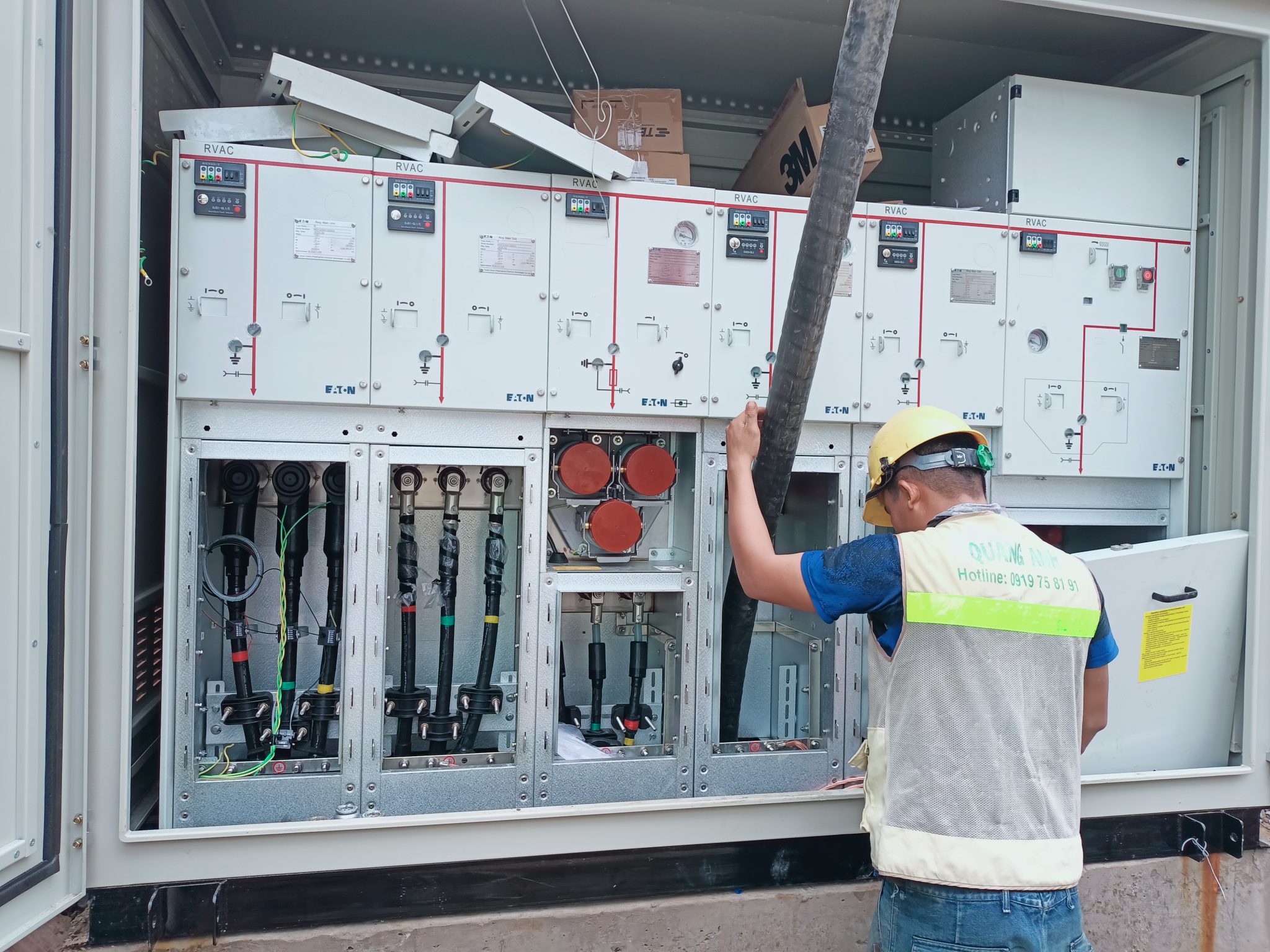
Common failures in solar farm repair include: broken module glass, failed bypass diodes causing hotspots and efficiency loss; string issues due to loose cables, failed MC4 connectors, or poor terminations reducing current; inverter issues from capacitors, PCBs, software/hardware errors, overheating, blown fuses, wiring faults; power system faults such as loose lugs, damaged cable insulation, rusted cable trays, and panel faults; poor grounding and non-compliant lightning protection increasing safety risks and equipment damage. Diagnostics are based on physical connection checks, current/voltage measurements, inverter firmware updates, correlating SCADA data, and using thermal images to locate hot spots. For string faults, measure each string, compare current/voltage, and check MC4 connectors. For inverters, check capacitors, PCBs, operating temperature, and fuses. Accurate diagnostics enable faster solar farm repair and reduce downtime..
In large-scale operations, solar farm repair requires correctly identifying the failure point and choosing the right inspection methods to shorten downtime. The following elaborates on fault types and diagnostic sequences suited to field conditions.
PV module failures
- Broken module glass: a common visual symptom is cracked/broken surfaces that reduce light transmission, leading to string performance loss.
- Failed bypass diode: creates hotspots on the module surface, causing localized heating and pulling down string efficiency.
On-site diagnostic methods
- Prioritize direct observation of surface and frame conditions, recording locations of abnormal modules.
- Use thermal imaging to locate hotspots related to failed bypass diodes or affected cells.
- Measure string-level current/voltage to compare with adjacent strings, thereby narrowing down the module causing degradation.
- Correlate with SCADA data to confirm timing and frequency of performance drops related to the module.
DC string and connector faults
- Loose cables, failed MC4 connectors, or poor terminations: reduce string current and cause deviation from expected levels.
Inspection sequence during solar farm repair
- Measure each string: perform current/voltage measurements in order, prioritizing strings flagged by SCADA for low performance.
- Cross-string comparison: establish a baseline to detect strings with low current or abnormal voltage.
- Check MC4 connectors: verify tightness, mechanical condition, and contact surfaces; review terminations prone to looseness.
- Inspect conductors: focus on transition sections, lugs, cable trays, and locations likely to increase contact resistance.
Inverter issues
- Capacitors, PCBs: component degradation can cause hardware faults, interruptions, or unstable operation.
- Software/hardware faults: directly affect grid-tie capability and control algorithms.
- Overheating: leads the inverter to derate or stop, increasing failure risk.
- Blown fuses, wiring faults: cause phase/string loss, production stops, or incorrect measurement parameters.
Focused diagnostic methods
- Check capacitors and PCBs: assess component conditions in functional compartments to detect signs of failure.
- Check operating temperature: review cooling conditions and the inverter’s actual operating temperature.
- Check fuses: identify blown fuses and causes related to wiring.
- Update inverter firmware: address software bugs and improve operational stability during solar farm repair.
Auxiliary electrical systems
- Loose lugs, damaged insulation: increase contact resistance, cause hot spots at joints, and lead to losses.
- Rusty cable trays: affect mechanical integrity, degrading insulation and exposing conductors.
- Panel faults: impact overall operation of control and protection circuits.
Inspection guidance
- Check physical terminations: tighten joints, assess contact surfaces, and apply insulation.
- Observe racking, cable trays, and panels to identify weak points that may increase equipment failure risk.
Grounding and lightning protection
- Poor grounding and non-compliant lightning protection: increase safety risks and equipment damage, especially in high lightning density areas.
Review focus
- Review current grounding and lightning protection within the scope of physical inspection, combined with SCADA incident history to connect root causes.
Data-driven diagnostic workflow
- Correlate SCADA data: quickly identify areas/strings/inverters with low performance, onset time, and recurrence.
- Use thermal imaging: localize hotspots on modules to infer relationships with bypass diodes or localized faults.
- Measure string-level current/voltage: create a cross-string baseline to pinpoint deviations.
- Check MC4 connectors and terminations: focus on points with thermal load, looseness/oxidation, or mechanical damage.
- Inspect inverters: assess capacitors, PCBs, operating temperature, and fuses; update inverter firmware when required.
Downtime optimization
- Prioritize localization using SCADA and thermal imaging before detailed actions to allocate manpower efficiently and shorten the solar farm repair cycle.
- Follow the sequence of string measurements, then inspect MC4 connectors and inverters to avoid missing root causes.
When implemented systematically, the above steps enable accurate diagnostics, accelerating solar farm repair and minimizing downtime, meeting the continuous operation requirements of a solar power plant.
Advanced inspection techniques: IV curve, thermal imaging, grounding, and SCADA.
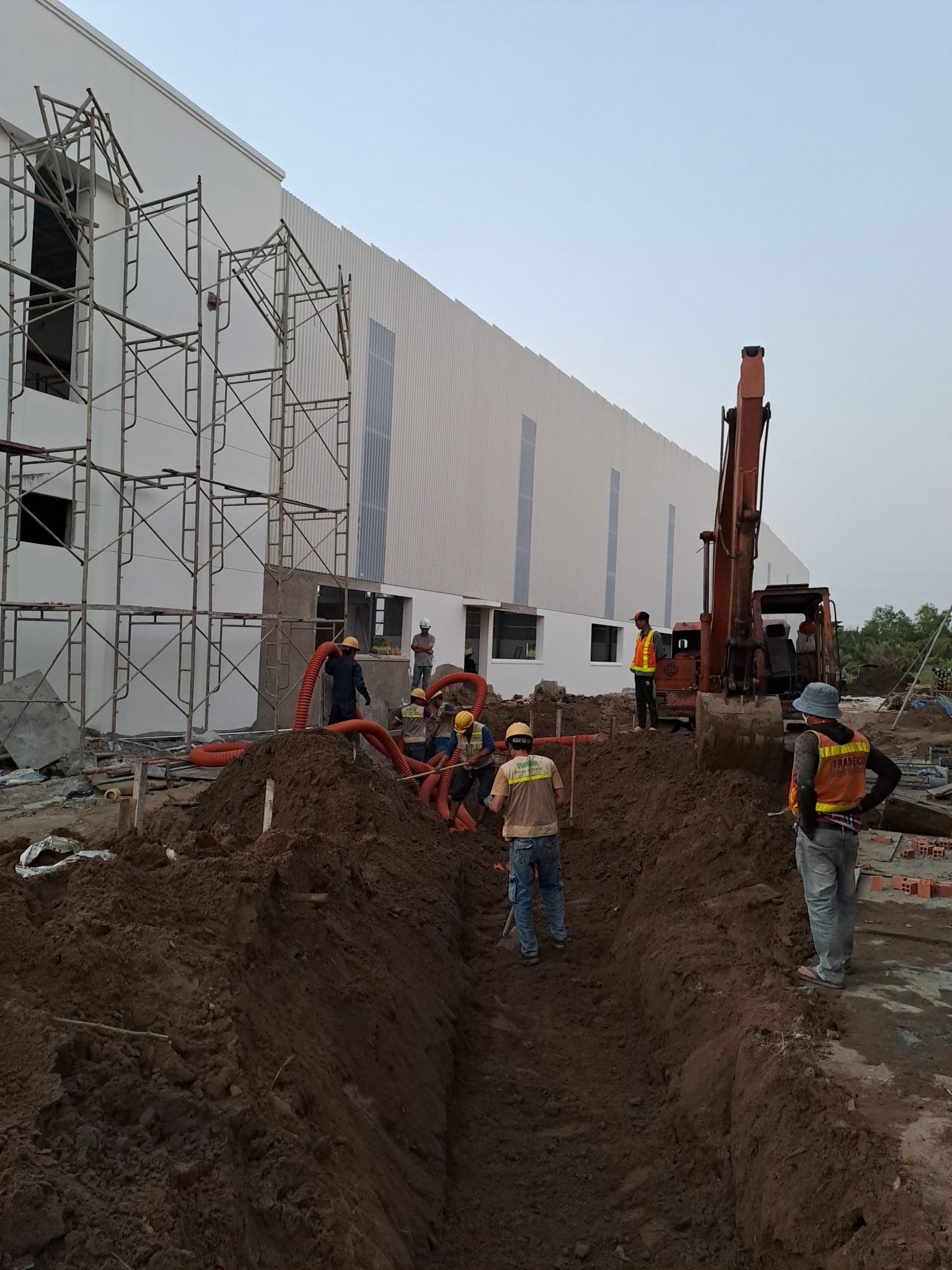
Advanced techniques enable accurate and proactive solar farm repair. IV curve testing analyzes the performance of each module string, identifying open circuits, faulty conductors, and weak points for timely remediation. Thermal imaging with specialized cameras detects hotspots on modules, inverters, or terminations before major damage occurs. Earth resistance testing verifies that grounding values are within standard limits to protect personnel and equipment. Inverter inspection includes component assessment, wiring, capacitors, PCBs, output current/voltage measurements, firmware updates, and trial runs. SCADA data and real-time alarms help detect anomalies and localize faults quickly. When these techniques are combined, solar farm repair is optimized for time and cost, while improving operational reliability..
Solar farm repair requires a systematic sequence of inspections, progressively isolating root causes of yield degradation and incident risks. The focus is on string-wise I–V curve measurements, thermal imaging of key components, verification of earth resistance, and leveraging SCADA data to make fast, accurate corrective decisions.
String-level I–V curve measurements
- Objective: evaluate string performance and clarify deviations from expectations to prioritize actions during solar farm repair.
- Detection capability: identify open circuits, faulty wiring, and weak points causing current/voltage to miss the design targets.
- Operational significance: provide technical grounds for localization, then implement precise repairs or replacements to reduce downtime.
Thermal imaging with specialized cameras
- Inspection scope: module surfaces, inverter areas, and electrical terminations.
- Technical focus: detect hotspots—signs of abnormal heating before damage spreads or causes power loss.
- Application value: prioritize localized hot spots, coupled with I–V data to confirm faults and shorten the solar farm repair pathway.
Grounding (earth resistance) verification
- Goal: ensure grounding values are within standard limits to protect personnel and equipment.
- Role in the diagnostic chain: when earth resistance is compliant, risks from leakage, lightning, or shorts are minimized during repair and operation.
- Impact on remediation decisions: if test results fail, prioritize grounding remediation to provide a safe foundation for other tasks.
Comprehensive inverter inspection
- Checklist: component assessment, wiring checks, capacitors, PCBs; output current and voltage measurements; firmware updates; trial runs.
- Approach: combine hardware and software evaluation, ensuring inverter stability before applying real load.
- Expected results: verify generation capability after repair, prevent recurrence, and strengthen reliability in solar farm repair.
SCADA data and real-time alarms
- Information sources: continuous monitoring signals and real-time alarms.
- Technical value: quickly detect anomalies and localize faults, serving as the basis for targeted checks such as IV curve or thermal imaging.
- Operational efficiency: shorten response time and optimize workforce coordination and solar farm repair planning.
Multi-technique coordination to optimize time and cost
- Proposed cycle: detect and localize via SCADA, confirm via IV curve and thermal imaging, ensure safety via grounding checks, then complete with inverter inspection and trial run.
- Handling priority: focus on abnormal strings/hot spots and connections, thereby shortening system downtime.
- Outcomes: improve repair cost efficiency and operational reliability through data-driven decisions.
A methodical combination of IV curve measurements, thermal imaging, grounding checks, and SCADA utilization enables proactive and precise solar farm repair, targeting fault locations, saving time, and reinforcing system-wide safety and effectiveness.
Electrical safety, applicable standards, and warranty policies.
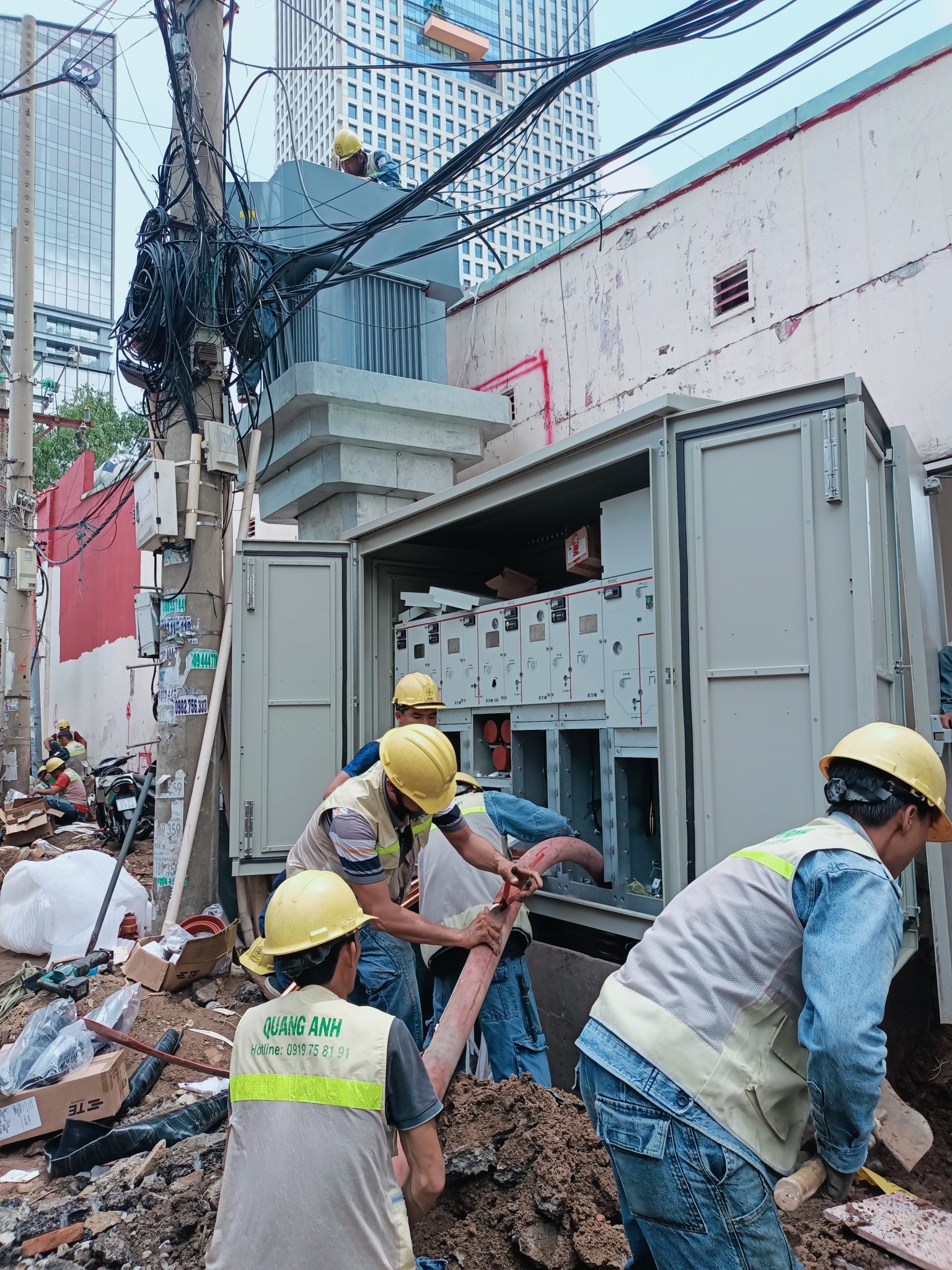
Electrical safety is foundational in solar farm repair: tighten lugs and wiring, ensure insulation and grounding meet standards; conduct frequent inspections to avoid electrical leakage. The system should comply with international standards such as IEC and UL for modules, inverters, cables, and accessories; also apply IV curve testing procedures, grounding tests, and build maintenance procedures according to energy industry regulations. Regarding warranty, modules typically offer 25–30 years of performance warranty; inverters and other equipment follow the manufacturer’s policy. Regular O&M helps maintain warranty conditions and prevents fault propagation. When standards are properly implemented, solar farm repair reduces legal risks, ensures safety for personnel and equipment, and preserves investment performance..
In practical solar farm repair, electrical safety control must be prioritized with a focus on joints, insulation, and grounding systems. Implementation should be based on international standards and consistent test procedures to limit leakage risks and preserve operating performance.
Electrical safety: controlling joints, insulation, and grounding
- Joints—lugs and wiring: ensure proper tightening techniques, re-check tightness after operations and during operation to prevent loose connections that risk leakage. Using accessories compliant with applicable standards improves reliability across the chain.
- Insulation: maintain compliant insulation across cable runs, equipment, and junction boxes. Frequent inspections help detect early signs of insulation degradation, enabling proactive remediation before widespread leakage occurs.
- Grounding: ensure the grounding system meets standard requirements and is periodically verified through prescribed grounding tests, creating overall protection for equipment and personnel.
- Periodic inspections: establish repeat schedules for joints, insulation, and grounding systems to maintain safety and reduce incidents during solar farm repair.
Applicable technical standards
- Standards compliance: modules, inverters, cables, and accessories should meet international standards such as IEC and UL. This compliance forms a clear reference framework for material selection, installation, repair, and acceptance.
- IV curve measurements: apply IV curve procedures to evaluate operating characteristics of strings/arrays, supporting performance deviation detection and localization of items requiring technical intervention.
- Grounding tests: conduct prescribed tests to verify system grounding, ensuring electrical safety requirements are maintained throughout the operational lifecycle.
- Maintenance procedures: build and implement maintenance procedures aligned with energy sector regulations, integrating electrical safety checks, IV curve measurements, and grounding tests to ensure continuity and consistency in execution.
Warranty policies and the role of O&M
- PV modules: typically offer performance warranties of about 25–30 years.
- Inverters and other equipment: terms and durations per manufacturer.
- Regular O&M: routine operation and maintenance help maintain warranty conditions and prevent fault propagation, limiting cascading impacts on other system components.
- Overall impact: when technical procedures and standards are strictly implemented in solar farm repair, businesses minimize legal risks, ensure personnel and equipment safety, and maintain investment performance.
Prioritizing electrical safety, complying with IEC/UL for equipment, and implementing mandatory tests such as IV curve and grounding create a consistent control system. Along with regular O&M and ensured warranty policies, solar farm repair achieves long-term stability in both operations and financial effectiveness.
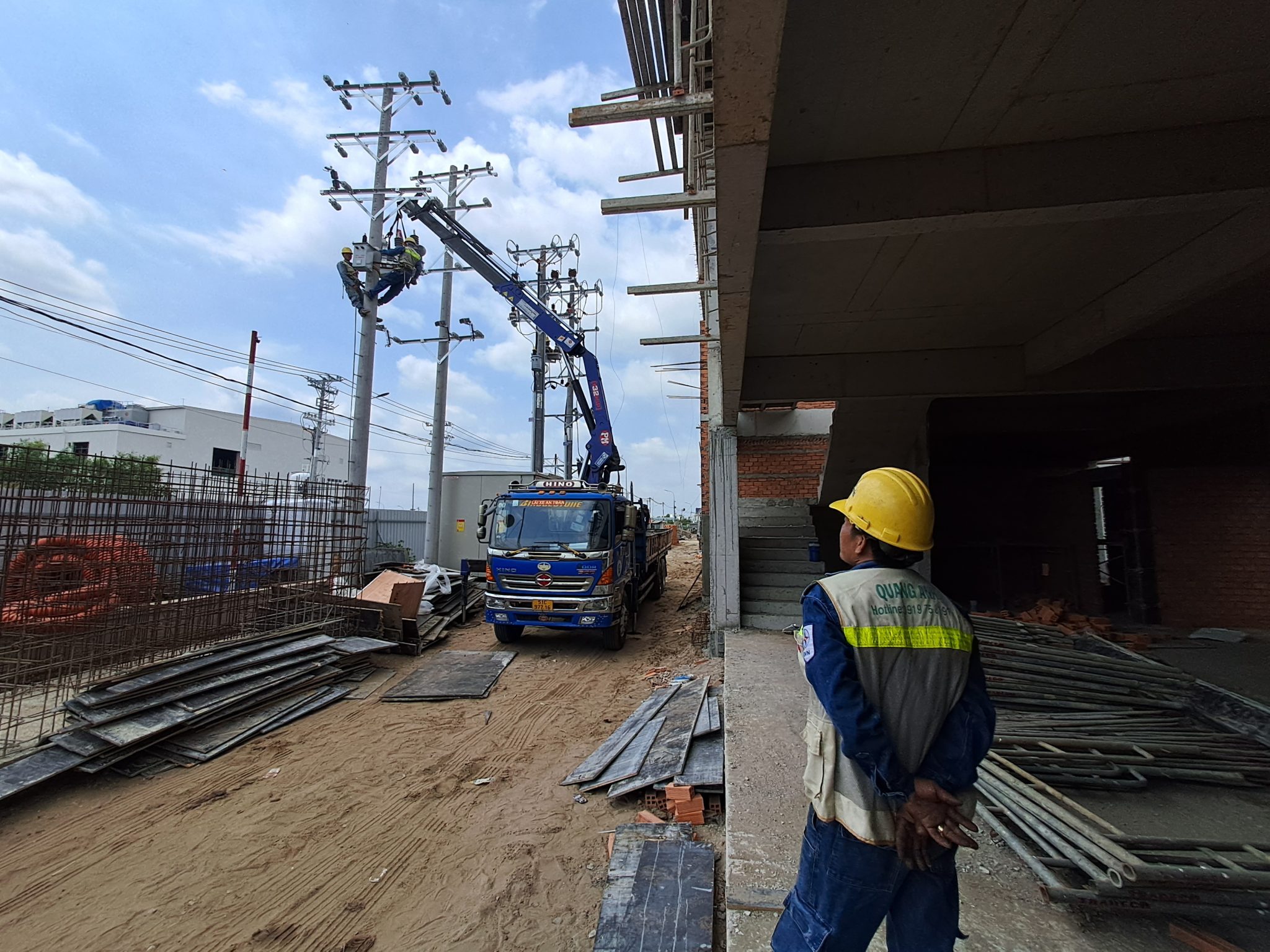
Effective maintenance management for utility-scale PV systems.
Effective management starts with a concrete operating procedure: inspections, periodic cleaning, equipment checks, preventive maintenance, and rapid failure repairs. Apply sensors, SCADA, and monitoring software to collect data, adjust reactive power/voltage, forecast yield, and plan predictive maintenance. Managing spare parts, materials, and support equipment helps shorten remediation time. Training technicians and maintaining strict electrical safety procedures with proper grounding and lightning protection are prerequisites. This approach makes solar farm repair highly proactive, optimizes lifecycle costs, and keeps performance stable for large-scale PV systems, even when SCADA alarms or operating anomalies arise..
- Cyclical O&M procedures: inspection scope, module cleaning criteria, equipment checks, and acceptance standards after preventive maintenance and corrective repairs.
- Monitoring and control: sensor configuration, SCADA, real-time data flow, reactive power/voltage control logic, and alarm thresholds to handle operating anomalies.
- Data analytics – forecasting: production forecasting methods, target performance indicators (PR, availability), predictive maintenance schedules based on failure/wear data.
- Materials – spares management: minimum inventory, safety stock levels, standard replacement time (MTTR), and issuance procedures to shorten remediation time.
- Personnel capability – electrical safety: technician training standards, safety procedures, grounding and lightning practices per design/construction dossiers, field safety checklists.
- Periodic inspection procedures, cleaning cycles, and acceptance checklists.
- SCADA system configuration, sensor types, monitored parameters, and reactive power/voltage control rules.
- Production forecasting methods and models, schedules, and triggers for predictive maintenance.
- Spare parts/materials list, stock levels, lead times, and support tools/equipment.
- Electrical safety procedures, grounding – lightning requirements, and technician training programs.
Upon receiving complete research, the chapter will be compiled in detail according to the data, presented with clear sections, structured lists, and consistent technical terminology, SEO-optimized and suitable for deployment on Quanganhcons’ service website.
The holistic approach helps solar farm repair maintain safety, boost performance, and extend equipment life. A rigorous O&M process, IV curve and thermal imaging diagnostics, grounding and lightning protection checks, coupled with SCADA and predictive maintenance, form a solid technical foundation. Managing spares and complying with standards and warranties support investment goals, reduce downtime, and optimize lifecycle costs for utility-scale PV systems.
Contact QuangAnhcons – Hotline: +84 9 1975 8191 to implement solar farm repair: periodic O&M, IV curve testing, thermal imaging, inverter repair, SCADA, grounding checks, and lightning protection.
QuangAnhcons provides solar farm repair and O&M services following a process of module cleaning, inverter inspection and repair, DC/AC terminations, earth resistance measurements, lightning protection, and spare-parts management. We perform diagnostics using IV curve testing, thermal imaging, SCADA monitoring, and predictive maintenance to detect defects early, restore yield, and ensure safety. Services comply with IEC/UL standards and help maintain manufacturer warranty conditions.