Tiếng Việt
 简体中文
简体中文 Deutsch
 日本語
日本語 한국어
한국어 ไทย
ไทย Русский
 Français

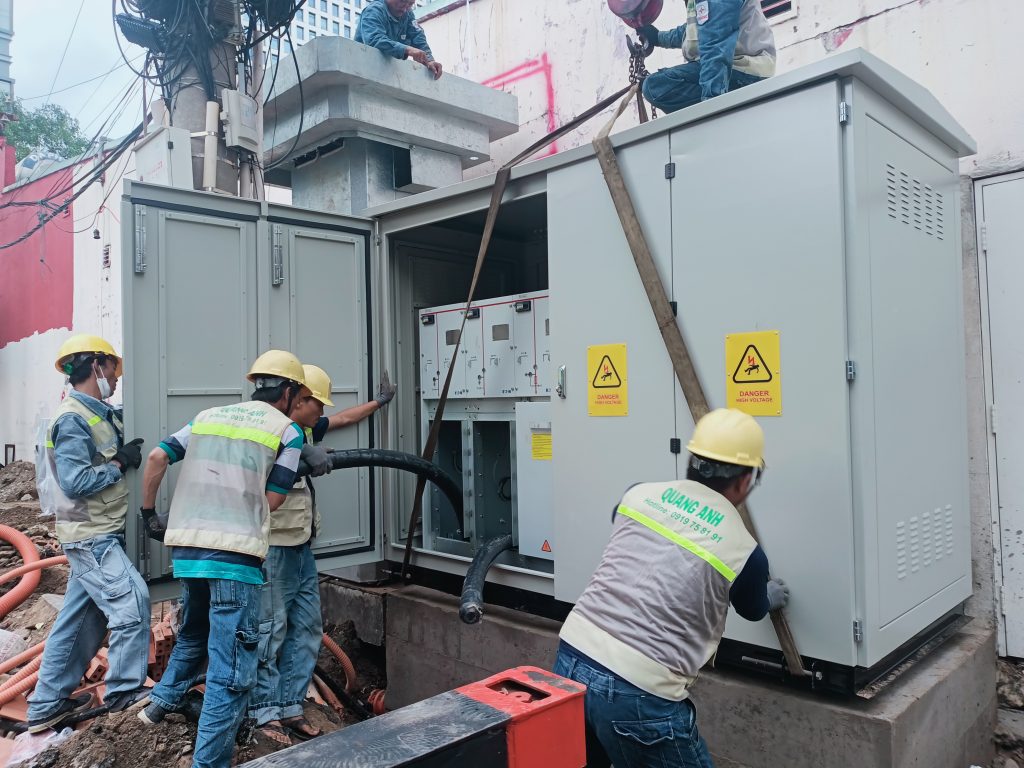
A transformer substation construction quote for a factory must be based on a detailed breakdown of cost groups and verify many site, technical and regulatory variables. This document provides a framework of cost components, the key variables affecting CAPEX, a reference BOQ breakdown guideline, and mentions the grid connection procedure and standards to reference for completing commissioning documentation. [1]
A transformer substation construction quote includes main cost groups: equipment (transformer, medium/low-voltage equipment), installation materials, labor, earthworks & foundations, transport & installation, testing & commissioning and documentation/legal costs.
Factors that change actual cost are: transformer rating and type, medium/low voltage levels, site conditions (geotechnical survey, topography), distance to the connection point, EVN connection requirements, construction schedule and logistics conditions.
- Deep blueprint for a substation construction quote: cost groups, BOQ breakdown method and preliminary CAPEX estimate.
- Analysis of site and technical variables (transformer rating, voltage, geotechnical survey, connection distance, EVN requirements) affecting costs.
- Checklist for grid connection/commissioning documentation and the set of standards to reference.
Who is this article for?
- Factory / plant owners and investors
- Technical/MEP teams and bid consultants
- Procurement / construction supervision teams
- Estimating engineers and main contractor cost planners
When to read this?
- When preparing a preliminary quote or CAPEX proposal for a substation project
- Before site survey and finalizing grid connection documentation with EVN
- When drafting tender documents or comparing upgrade/relocation options
Cost components when preparing a substation quote
The cost groups for a transformer substation quote include main equipment, auxiliary materials, civil works & installation, earthworks & foundations, transport, testing, legal documentation and contingency.
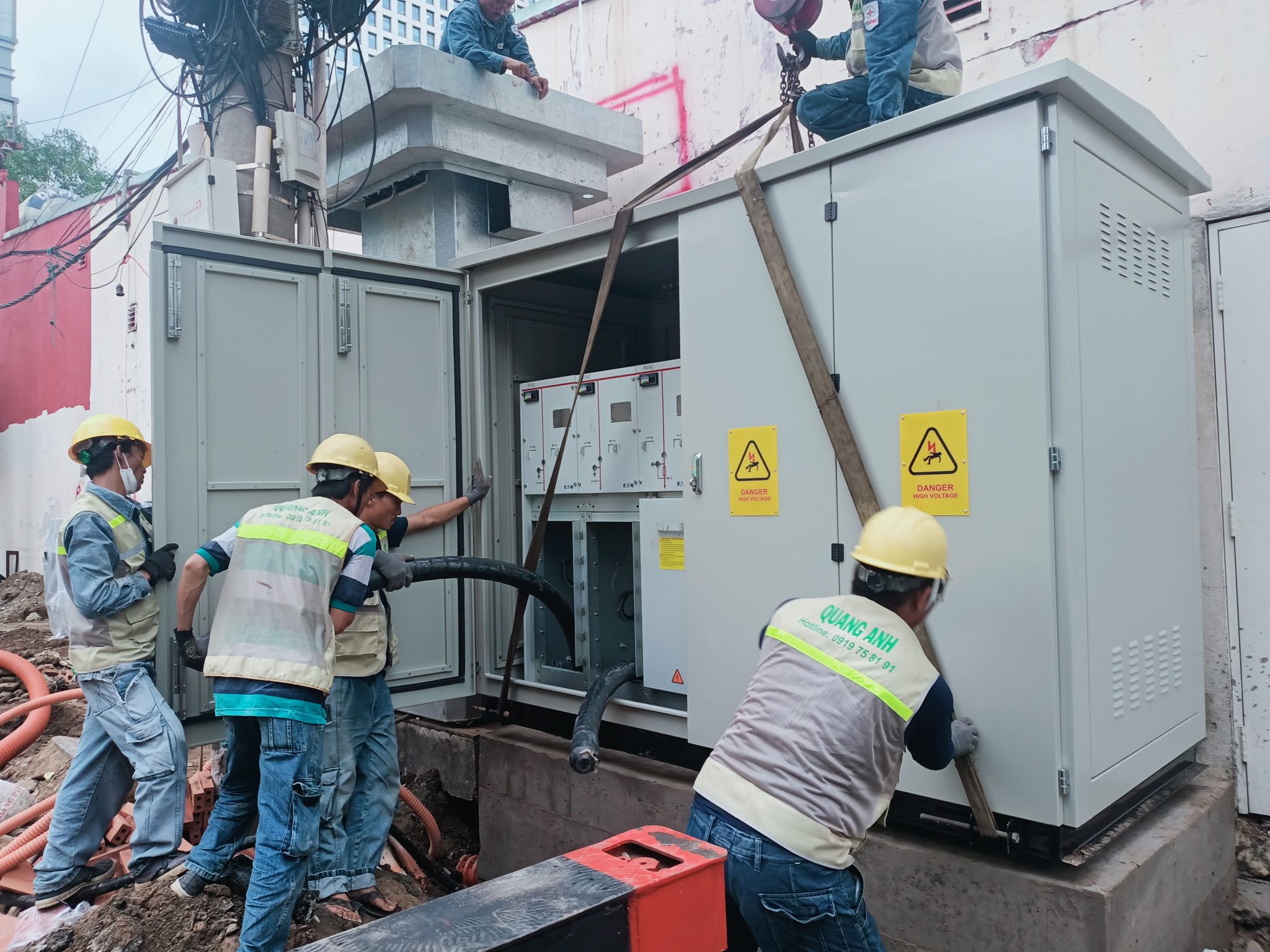
A transformer substation quote is typically divided into clear cost groups: main equipment, protection/measurement/SCADA systems, auxiliary materials, civil & mechanical works, earthworks and foundations, transport and handling, testing/commissioning, together with legal documentation and contingency. [0][0]
On site, each cost group is influenced by actual factors: equipment specifications from catalogs (current, voltage, rating, installation type), site geotechnical conditions and topography, access for unloading heavy transformers, and EVN’s commissioning/supervision requirements. During a plant survey, record geotechnical assumptions, the connection point and transport limits to separate appropriate cost items.
From a technical and compliance perspective, testing and inspection costs must be itemized per equipment and for the whole substation; Circular 05/2023/TT-BCT sets industry norms for testing of power lines and substations, and Decision No. 25/QD-ĐTĐL (Power Regulatory Department) relates to testing procedures and supervision. Metering location and connection requirements under Circular 42/2015/TT-BCT may also increase metering equipment scope and supervision costs.
Practical items to check / note in the quote include: transformer quantity and type, busbar arrangement (add costs if the scheme is changed or rating increased), foundation type and need for geotechnical survey, distance to the connection point, and requirements for special unloading equipment (cranes, special transport).
| Cost group | Main items | Influencing variables |
|---|---|---|
| Main equipment | Transformers, busbars, circuit breakers, metering units | Catalog specs, oil/dry type, voltage class, lead time |
| Protection & metering | CT/PT, relays, SCADA, control panels | EVN acceptance requirements, metering accuracy, integration interface |
| Auxiliary materials | Cables, accessories, foundation bolts, paint | Transport distance, material types, price volatility |
| Civil works & foundations | Concrete foundations, plinths, control building, fence | Geotechnical survey, yard area, ground conditions |
| Transport & handling | Transformer transport, cranes, special handling | Weight, site access, special handling requirements |
| Testing & commissioning | Individual equipment tests, full-site tests, EVN supervision | Norms per Circular 05/2023/TT-BCT, supervision requirements |
| Documentation & project management | Connection documents, permits, contract management, supervision | EVN/EVNNPT requirements, local procedures, processing time |
| Contingency & safety | Material price contingency, insurance, oil spill measures | Market volatility, environmental rules, construction risks |
Operational warning: for retrofit projects or connections with existing equipment, apply labor adjustment factors and separate demolition items; during maintenance windows or while machines are running, specific safety measures and additional supervision personnel costs are required. Also, insulating oil handling and spill-prevention measures must be included in the BOQ as mandatory items when applicable on site.
Light conclusion: to finalize a full quote you must conduct a site survey, collect equipment technical catalogs, perform geotechnical surveys and verify EVN acceptance requirements; these data determine the itemized BOQ and cost shares.
Technical variables affecting costs (decision support)
The main technical variables affecting substation costs include transformer rating, supply voltage, distribution scheme, geotechnical survey and connection distance.
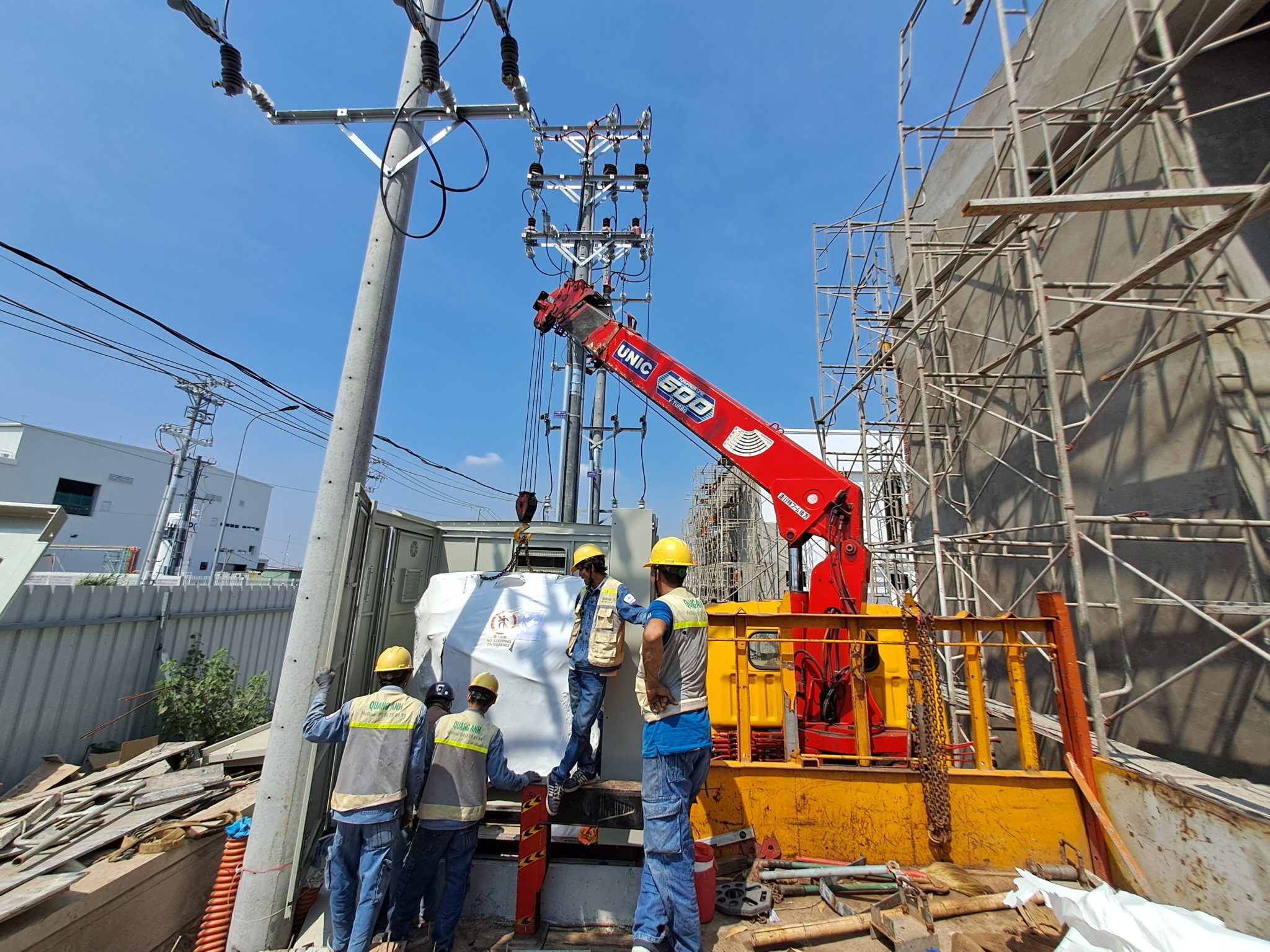
The technical variables that determine the largest costs are transformer rating, supply voltage and distribution scheme (GIS/AIS), because they determine equipment size, yard area and installation requirements. [3][7]
On site, these variables directly affect the volume of concrete for foundations, crane paths and transport schemes; during a plant survey check groundwater levels and access capability to estimate earthworks.
Notable variables include:
- Transformer rating (kVA/MVA): determines size, weight and foundations; on survey measure placement and check crane access.
- Supply voltage (500/220/110/35/22/11 kV): determines insulation type, switchgear costs and yard area requirements.
- Distribution scheme (AIS vs GIS): GIS usually reduces area but increases equipment costs and installation complexity.
- EVN acceptance/connection requirements: determine the number of tests and specialist time; follow EVN guidance and reference the specific documents.
- Distance to the grid connection: longer distances create costs for poles, cables, pulling works and right-of-way.
- Geotechnical and topography: rock vs soft soil, groundwater level impact foundation design and concrete volume.
- Site access and logistics: access roads, unloading areas and need for special cranes affect labor and equipment rental.
- Safety, fire protection and grounding requirements: increase materials (earth, copper) and installation work.
Cost groups should typically be itemized clearly in the quote:
| Cost group | Main items | Influencing factors |
|---|---|---|
| Equipment | Transformer, switches, GIS/AIS, panels | Transformer rating, voltage, equipment type (dry/oil) |
| Civil works & foundations | Concrete foundations, plinths, fencing | Geotechnical survey, equipment dimensions, topography |
| Survey & geotechnical | Boreholes, geotechnical report | Soil type, groundwater level, number of boreholes |
| Connection & cabling | Connection lines, cables, poles | Connection distance, right-of-way conditions |
| Testing & commissioning | Tests per norms, inspections | EVN acceptance requirements, number of specialists and test equipment |
| Logistics & lifting | Transport, crane hire, installation | Access capability, need for temporary roads, equipment weight |
| Legal & project management | Permits, connection paperwork, management | Scope of EPC, whether legal procedures are included |
Decisions must be based on site verification and checking EVN documentation; if data are missing (geotechnical, connection distance, EVN notes) increase contingency.
Operational caution: when energization or connection requires switching on a live grid, coordination costs with EVN and time risks increase; during commissioning reference the Ministry of Industry and Trade testing norms to breakdown testing costs.
In conclusion, the next step is to perform a full site survey and collect EVN connection documents to detail cost groups and set an appropriate contingency.
Grid connection procedure, commissioning documentation and energization (EVN requirements)
The grid connection procedure with EVN is typically executed in four steps: application submission, site survey, connection agreement/design and commissioning/energization accompanied by the power purchase agreement. The connection application must detail the connection method, plant technical data, single-line diagrams and metering arrangement. Before finalizing the quote and commissioning dossier, check the applicable EVN/Circular version and carry out a site survey to determine variables affecting cost and schedule.
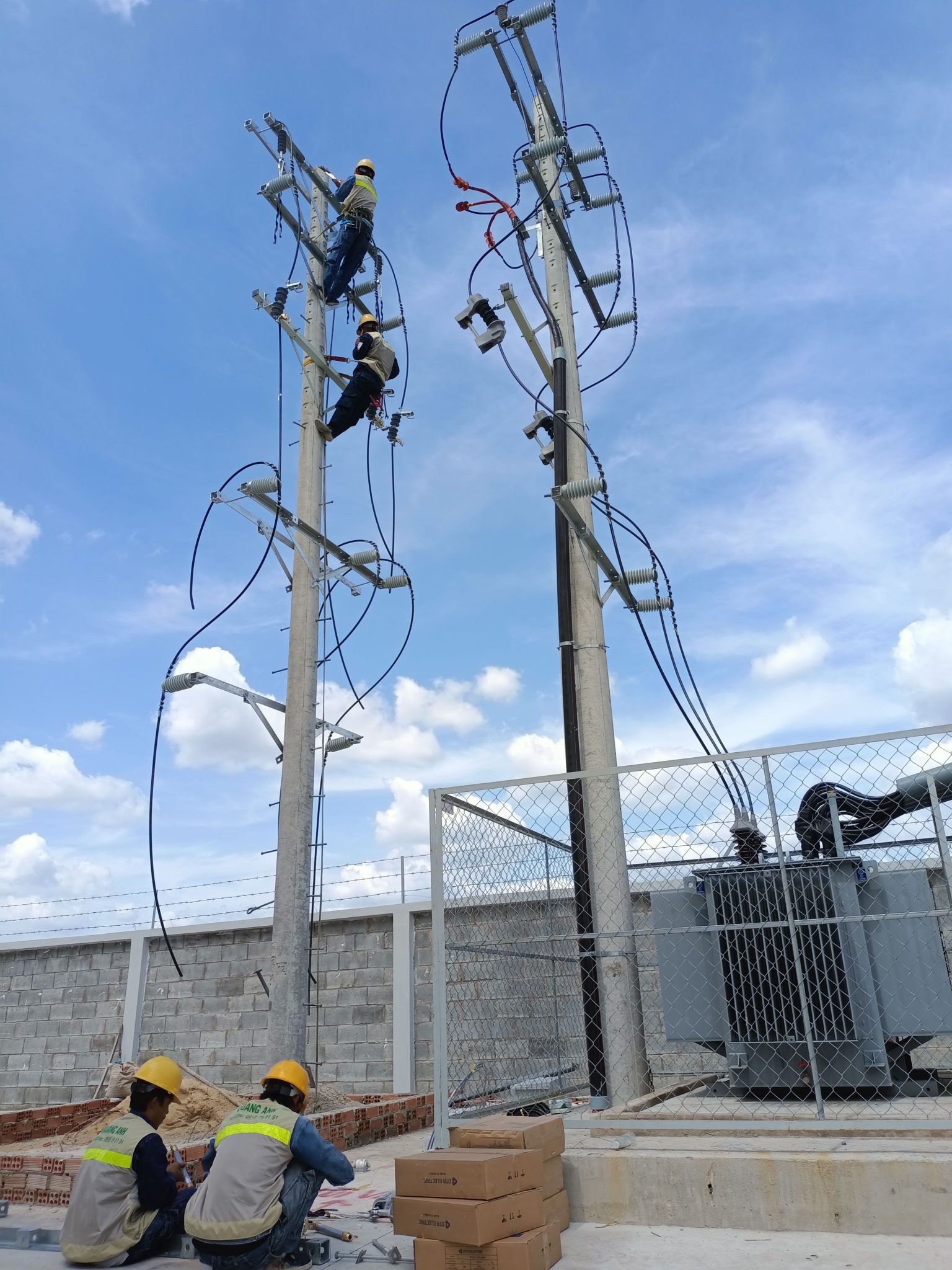
The EVN connection procedure generally includes four main steps: application receipt, site survey, connection agreement/design and commissioning/energization with signing of the Power Purchase Agreement (PPA). [11][10]
During the plant survey identify the exact connection point (transmission grid or distribution grid) since responsibilities differ: EVNNPT is responsible for transmission connections; the EVN power companies handle distribution connections. On the survey check voltage level, access and site conditions.
The connection application dossier typically includes mandatory technical items; at minimum prepare:
- Formal connection request from the owner;
- Technical report describing the installation and single-line diagram;
- Information on required capacity, phases and connection point location;
- Preliminary metering design for power purchase (metering scheme, inspection/calibration requirements);
- Safety requirements, fault protection measures and expected as-built documentation.
Per EVN documentation, internal timeframes exist for processing steps; for example a connection agreement may be completed within 10 working days after approval of the technical solution (verify specific EVN documents before applying). For transmission connections refer to Circular 25/2016/TT‑BCT regarding procedures, required evidence and mandatory information.
Regarding metering design: the dossier must define the metering location for the PPA, installation responsibilities and calibration/inspection duties among stakeholders. In practice, during site verification compare the preliminary metering scheme with cable routes, control panels and protection locations to avoid discrepancies at commissioning.
Important legal and operational checks when finalizing the quote and executing construction include: verifying the connection point voltage class, reactive power compensation requirements, access and site conditions, commissioning deadlines, and confirming the EVN/Circular versions that form the legal basis. EVN may request adjustments or additional technical measures if the proposed connection could adversely affect the grid.
Light conclusion: before submitting the application and preparing the quote, conduct a full site survey and review the applicable EVN/Circular documents to form the legal basis for commissioning paperwork and energization.
Safety standards and applicable regulations
Mandatory standards include QCVN and Circulars on connection, metering, inspection and operational procedures; cross-check these with EVN requirements prior to commissioning.
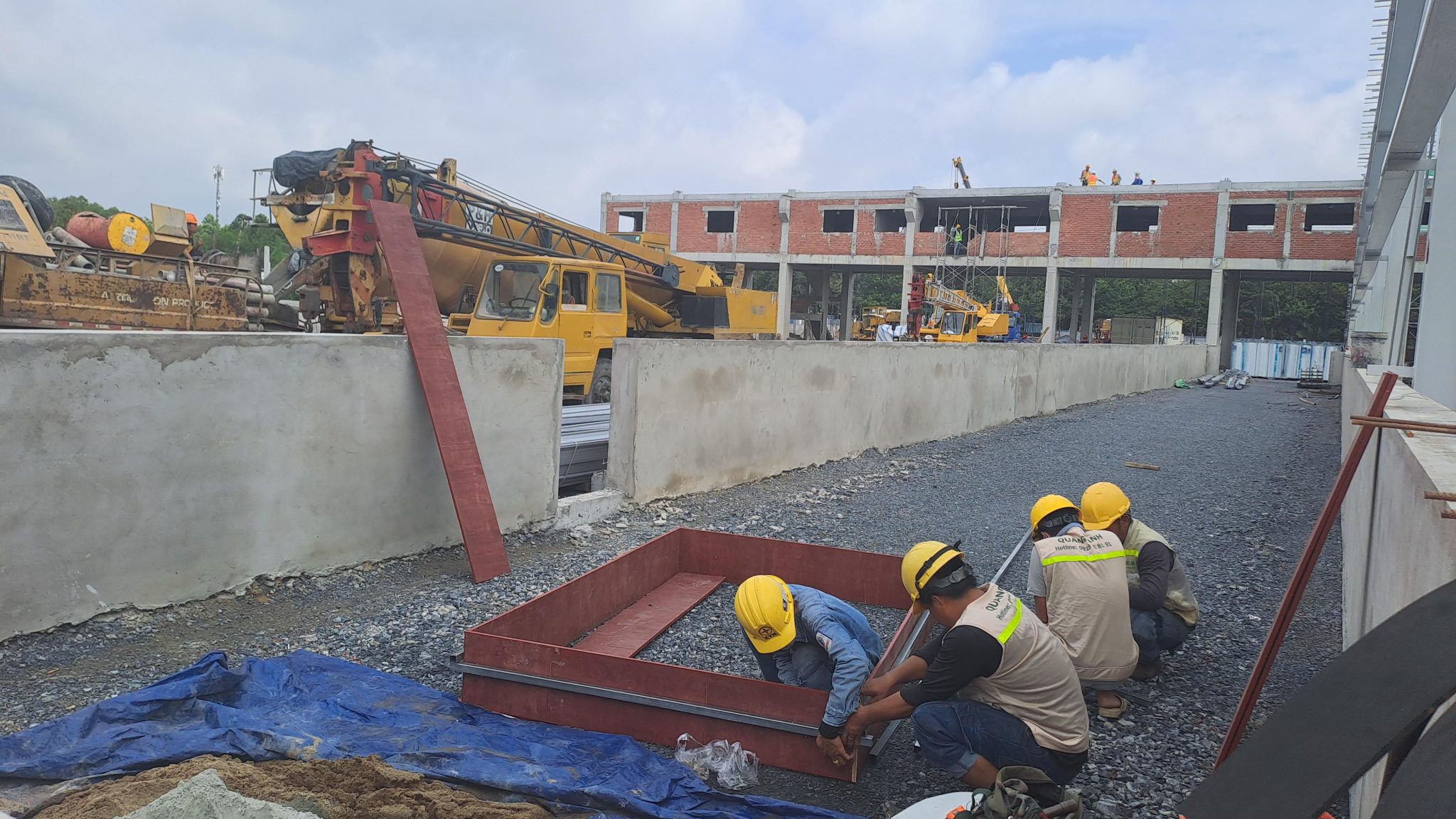
The mandatory safety standards and regulations when preparing a quote and constructing a substation include QCVN 25:2025 and the Circulars guiding connection, metering, inspection and operational procedures; cross-check these with EVN rules at commissioning. [2][13]
Technically, the main references are QCVN 25:2025/BCT (electrical safety) and Circular 05/2025/TT-BCT (connection, metering). Other related Circulars include Circular 41/2025 (with QCVN 25:2025), Circular 42/2015, Circular 31/2014 (training, safety cards), Circular 33/2015 (equipment inspection) and Circular 44/2014 (operation procedures for switching). On site, verify which documents are currently in force as the basis for acceptance.
Mandatory tests before commissioning must include insulation resistance, earth resistance and no-load/load tests per metering/connection regulations. Regarding documentation responsibilities: the owner and contractor must prepare test reports, equipment inspection certificates, connection diagrams, safety measures and training records.
| Document item | Purpose / Requirement |
|---|---|
| Test report records | Evidence of tests performed (insulation, grounding, load tests) |
| Equipment inspection certificates | Required per Circular 33/2015 before equipment commissioning |
| Connection diagrams and metering documentation | Finalize connection scheme, CT/PT and metering locations per Circular 05/2025 and TT42/2015 |
| Safety measures and signage | Mandatory, including protecting the grid corridor and signage per regulations (e.g. TT03/2010 cited in reference materials) |
| Training records, safety cards | Required under Circular 31/2014 for personnel working on the substation |
On site note: if the substation connects to the EVN grid, the EVN commissioning dossier (acceptance minutes, list of technical documents) is mandatory and may differ between transmission and distribution. During maintenance or energization, all switching must follow procedures in Circular 44/2014; this affects the schedule and supervision/dispatch costs.
Operational warning: regulations may be updated (2025 documents have replaced previous provisions), so verify the current status of each document and confirm EVN requirements before finalizing the quote or acceptance. In summary, coordinate early with legal or EVN contacts to avoid added costs and energization delays when compiling the dossier.
Site survey, logistics and earthworks checklist
Geotechnical survey, topography and access conditions at the site determine earthworks volume, reinforcement needs and cost variability for the quote.
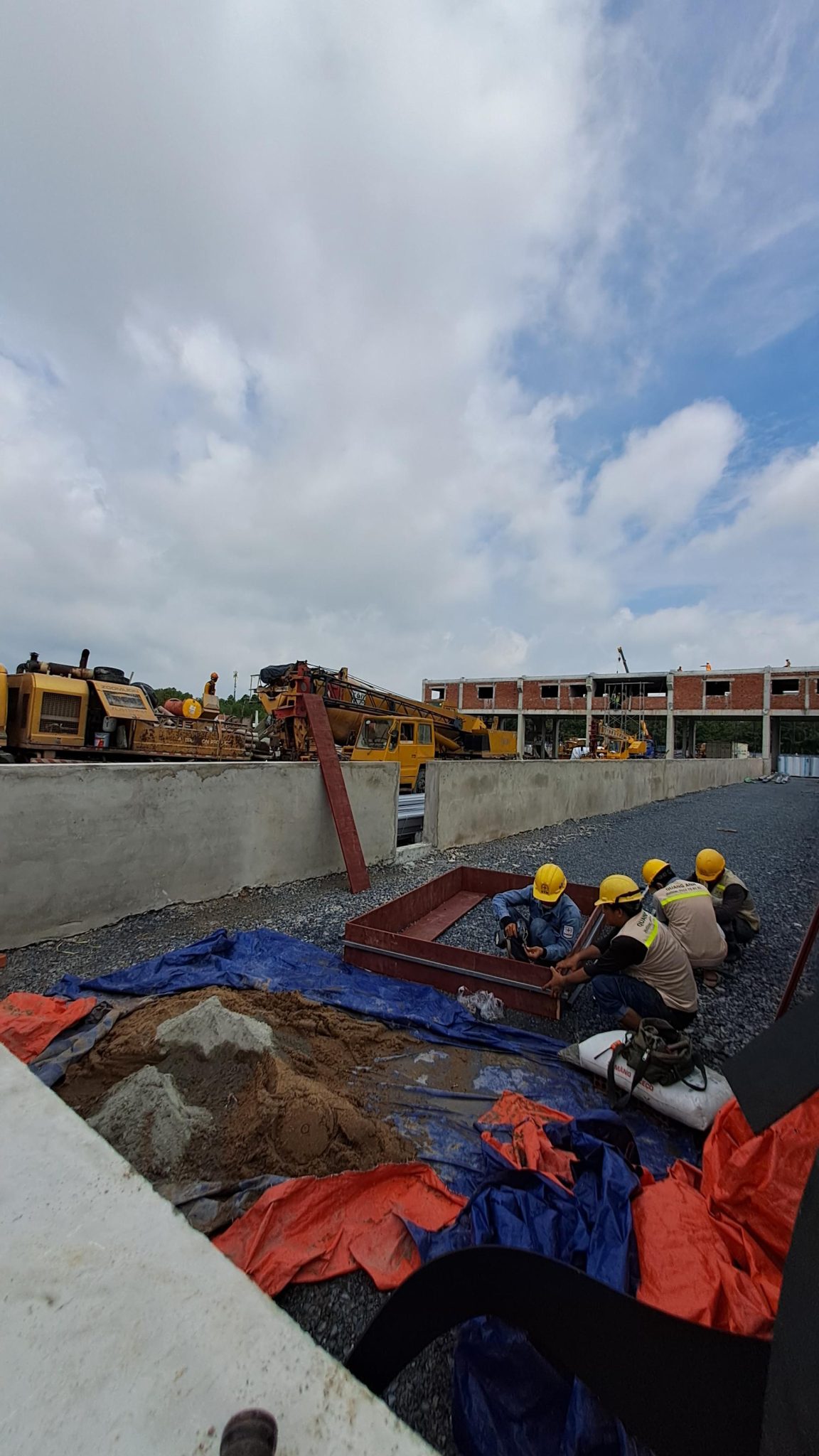
A geotechnical report and topographic map are needed to calculate foundation design, estimate earthworks volume and select reinforcement methods. On a plant survey identify soil layers, groundwater level and existing underground structures before finalizing the construction approach. [5][9]
The minimum survey report should record the following for calculations and fixed quoting:
- Soil profile, groundwater depth and bearing capacity index.
- Presence of peat, bedrock layers, and existing underground structures.
- Topographic/contour map, access routes and layout area for installation.
Regarding logistics, transport distance and access conditions determine crane size, special vehicles and subcontractor costs. During the site survey check gate widths, bridge load limits, road surface and yard area to avoid surprises during execution.
Variables that increase costs and risks include weak ground treatment (soil replacement, piling, geotextile reinforcement), decontamination, high groundwater and rainy seasons reducing productivity. Operational warning: detecting unrecorded underground structures requires additional surveys (ground-penetrating radar or exploratory drilling) to reduce excavation collision risks.
Minimum checklist before issuing a fixed quote:
- Collect geotechnical report and topographic maps with marked elevations and access routes.
- Check access for large equipment (crane dimensions, bridge load limits, gateways).
- Verify on-site machinery capacity and need for additional equipment rental.
- Survey volumes for clearing, topsoil stripping, excavation/fill and material replacement.
- Assess ground improvement needs, drainage measures and environmental protection measures to be estimated separately.
- Check EVN connection documentation and site survey minutes to avoid commissioning delays.
Summary conclusion: there is no fixed quote without a geotechnical report, topographic map and access survey; conduct a detailed site survey to convert variables into determinable unit prices.
When preparing a substation quote, use the cost component framework and survey checklist to create a preliminary estimate, then verify the site and EVN requirements before finalizing the quote. Next step: organize a site survey and collect EVN/TCVN documentation to complete the BOQ and propose the contract.
Frequently asked questions
What items are typically included in a reference quote for a 1×630 kVA substation?
A reference quote for a 1×630 kVA substation typically includes: main equipment (transformer, distribution panels/circuit breakers), auxiliary materials (cables, busbars, accessories), foundations and earthworks, medium–low voltage installation and connection, testing & commissioning, connection/legal documentation, project management and contingency. State clear price assumptions and reference sources.
Which site factors cause sudden cost increases?
Site factors that cause sudden cost increases: poor ground or high groundwater, long connection distance or need for new line construction, difficult transport access, land clearance needs, environmental contamination or additional EVN acceptance requirements. Principle: perform a site survey to quantify impacts.
What documentation is needed to apply for connection with EVN?
Basic connection dossier: connection request letter, technical report/description, single-line diagram and metering proposal, requested capacity, connection point location, preliminary design, and owner legal documents. Always verify the detailed checklist in the current EVN guidance and supplement per their requests.
How long does it take to complete construction and commissioning of a private substation?
There is no fixed timeframe — completion depends on scope (new build vs retrofit), site conditions, equipment lead times and EVN processing time. Use a phased estimate method (design, procurement, construction, commissioning) and obtain supplier lead-time and EVN schedule data.
How to compare costs between upgrading a substation and building new?
Compare by creating detailed BOQs for both options, add demolition/compatibility costs, assess remaining life of existing equipment, long-term O&M costs and impacts on schedule/availability. Require site survey, inspection of existing equipment and supplier quotes for accurate conclusions.
Preparation steps to produce a substation construction quote
- 1) Collect capacity and voltage requirements from the owner; determine the expected transformer rating.
- 2) Conduct a site survey: geotechnical, topography, connection distance, transportability for equipment.
- 3) Request and collect EVN connection conditions (relevant documents/guidance).
- 4) Prepare a preliminary BOQ by groups: main equipment, installation materials, foundations & earthworks, cables and installation, testing & commissioning, project management.
- 5) Estimate costs per group (preliminary CAPEX) with clear assumptions on unit prices and site conditions.
- 6) Verify on site and update the quote according to survey results; add risk mitigations/contingency if any.
- 7) Complete connection and commissioning documents and the construction schedule to include in the contract.
Contact the QuangAnhcons technical team to discuss site survey and receive a preliminary quote based on your project conditions.
References (18)
Reference principle: any statement about connection procedures, commissioning dossier and legal requirements must cite official sources (e.g. EVN pages, Circulars/QCVN/TCVN). Price figures must be based on actual price lists or supplier quotes and cite year/source. Avoid referencing manufacturer documents unless necessary; prioritize government documents, EVN guidance and national/international standards. Each claim on acceptance or procedure should include a retrievable link/reference.
-
AP012025
Official source from tcvn.gov.vn, used to verify technical or regulatory references mentioned.
-
Legal document (QCVN) | QCVN 25:2025/BCT – National technical standard for electrical safety | Ministry of Industry and Trade
Official source from moit.gov.vn, used to verify technical or regulatory references mentioned.
-
Effectiveness of applying 5S at EVNNPC
Reference material used to cross-check technical requirements in the article.
-
EVN reference notes and research
Official EVN source used to verify technical and regulatory information.
-
Assessment of conformity
Reference material for technical requirement cross-checks.
-
Standards development for EV charging stations
Reference material for technical requirement cross-checks.
-
Urgent completion of standards for EV charging infrastructure
Reference material for technical requirement cross-checks.
-
Technical standards for substation equipment
Reference material for technical requirement cross-checks.
-
Site diagram
Reference material for technical requirement cross-checks.
-
EVN completes procurement system related to digital transformation
Official EVN source used to verify technical and regulatory information.
-
EVN regulations document
Official EVN source used to verify technical and regulatory information.
-
Ground-penetrating radar survey case (PECC 2)
Official EVN source used to verify technical and regulatory information.
-
Circular 05/2025/TT-BCT – Transmission, distribution and metering regulations
Official EVN source used to verify technical and regulatory information.
-
Circular 25/2016/TT‑BCT
Official source from moit.gov.vn, used to verify procedures and required evidence.
-
Ministry issues testing norms for lines and substations
Official EVN source used to verify testing norms.
-
Ministry Circular announcements
Official source for legal document verification.
-
On transmission connection costs
Official EVN source for connection cost policies.
-
EVN customer care objectives
Official EVN material referenced for process context.