Tiếng Việt
 简体中文
简体中文 Deutsch
 日本語
日本語 한국어
한국어 ไทย
ไทย Русский
 Français

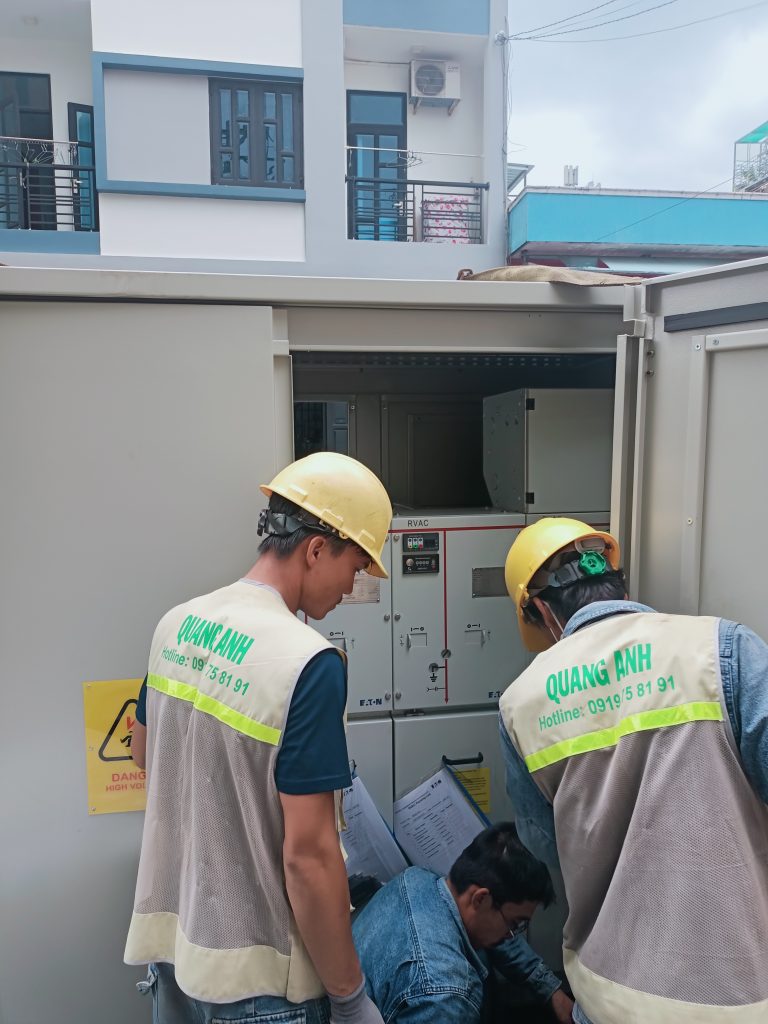
Maintaining a substation inside a factory is an essential task to ensure power reliability, operational safety and regulatory compliance. This article summarizes common maintenance items (inspections, servicing, testing), fault detection methods appropriate for each situation and the acceptance records required to be kept on-site, with references to EVN guidance and traceable legal documents. [1]
Substation maintenance in a factory includes operational inspections, routine servicing (transformer, switchgear, earthing, surge protection, capacitor banks), in‑depth testing (DGA, tanδ, insulation testing) and keeping acceptance records; frequency and methods should be applied according to operational risk and EVN/legal guidance.
Field fault detection should combine thermographic scans for hot contact points, PD measurement for insulation faults and DGA for oil condition; repair or replacement decisions are based on test results, equipment age and risk assessment.
- Define maintenance tasks: inspection, servicing, testing, repair and monitoring.
- Main fault detection methods: thermography, partial discharge (PD) measurement, dissolved gas analysis (DGA).
- State the required acceptance records, storage and conditions for hiring independent testing per regulations.
Who is this article for?
- Plant operations managers
- Electrical maintenance engineers and plant technical teams
- Investors / owners of industrial electrical installations
When to read this?
- Preparing a periodic maintenance plan or major overhaul for a substation
- When assessing the condition of a transformer after an incident or before switching operations
- Preparing acceptance documents after repairs, upgrades or capacity increases
Overview of substation maintenance tasks in a factory
Within the scope of a factory substation, identify the types of maintenance work, assign responsibilities and propose general frequencies according to operational risk levels.
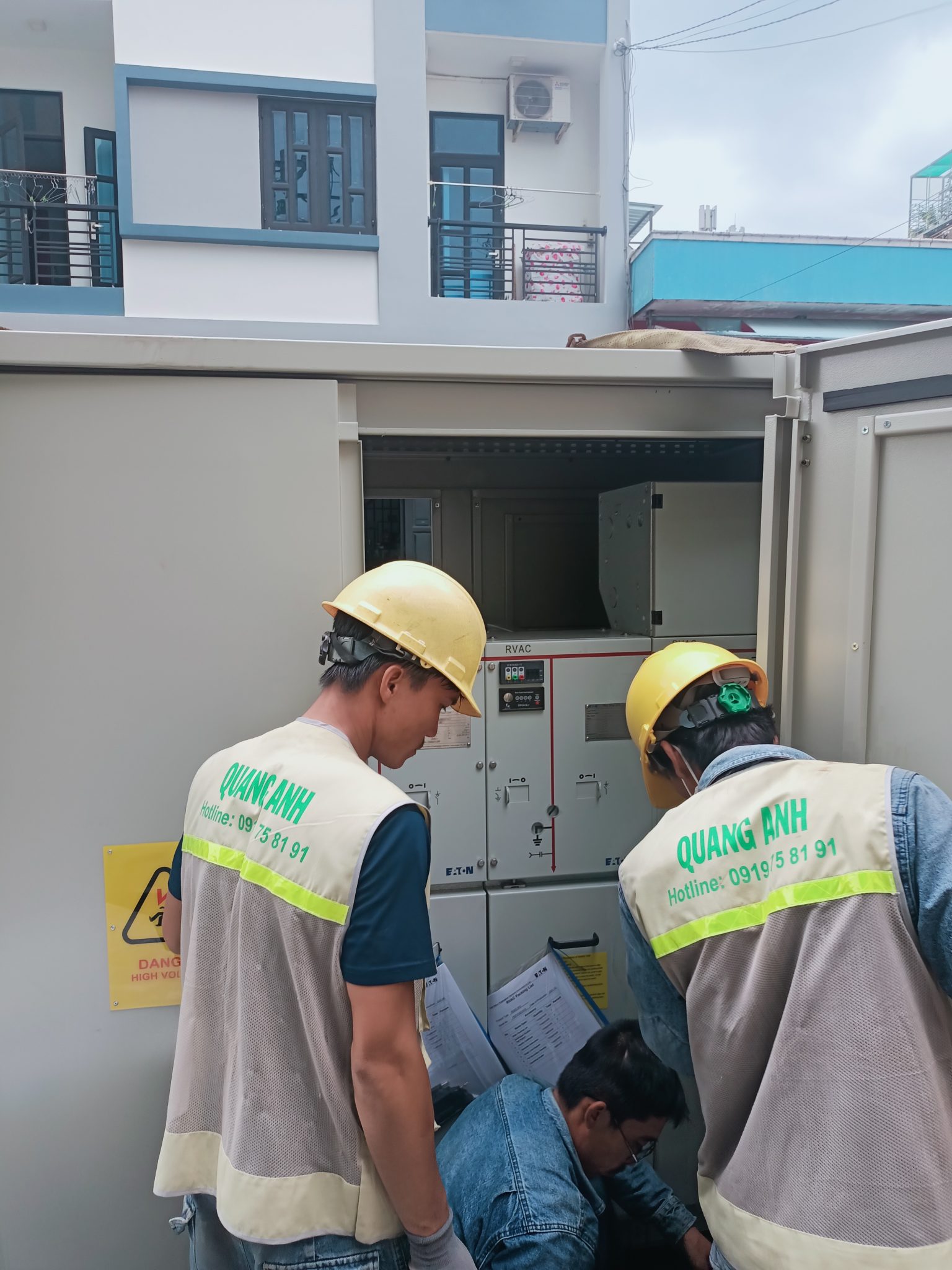
Substation maintenance includes visual inspections, routine servicing, periodic testing, fault repairs, major overhauls and condition monitoring. [8][2]
For substations located inside a factory, these items should have clear responsibility split between the owner and contractors, and the plan must be based on operation history and environmental conditions.
On-site visual inspections focus on enclosures, flooring, ventilation systems, signage and safety clearances.
During a site survey on an inspection shift, check circuit breakers, bay compartments, cable terminations, oil stains and signs of SF6 leaks (if present), and photograph the site for records.
Typical routine servicing tasks include tightening connections, cleaning insulation, lubricating contacts, replacing oil filters/cylinders and checking cooling systems.
Operational mechanisms should be calibrated after servicing and operation logs recorded to monitor the effectiveness of interventions in subsequent shifts.
Periodic testing includes oil analysis (DGA, moisture, acidity), insulation testing (tanδ), winding resistance measurement and short‑circuit impedance tests.
During acceptance/inspection shifts, protection relay testing and metering checks must be performed and results stored for trend comparison and as the basis for further actions.
- Quick inspections: daily/weekly depending on operating conditions.
- Basic servicing: typically every 6–12 months, depending on loading and environment.
- In‑depth testing: annually or every 3–5 years depending on test type and operating conditions.
- Major overhaul: based on accumulated operating hours or condition analysis.
Responsibilities must be clearly allocated: the owner prepares the maintenance plan, ensures technical documentation, safety and coordination with the distribution utility when required.
The contractor/maintenance provider is responsible for carrying out technical work, providing work records, test results, site photos and proposing specific remedial actions.
Safety procedures during maintenance must include permit‑to‑work, energy isolation, signage and exclusion zones, hot‑work/explosion monitoring and verification of grounding before work starts.
After work, mandatory documentation includes the work report, test results, operation logs, list of replaced parts, site photos and an acceptance report to ensure thorough repairs.
Repair vs replacement decisions are based on damage severity (oil leaks, insulation loss, winding deformation), DGA/oil analysis results, equipment age and life‑cycle cost.
Prioritize remote monitoring for oil parameters, temperature and fault current where SCADA/remote measurement is available, to shift from time‑based maintenance to condition‑based maintenance.
A detailed field survey is required to define scope, frequency and acceptance requirements appropriate to operating conditions.
Field documentation and incident history determine intervention priority and resources needed for the next maintenance campaign.
Transformer maintenance details: oil, DGA, mechanical checks
Outline a DGA program, oil sampling and handling procedures, mechanical inspections and criteria for repair or replacement of transformers in a factory.
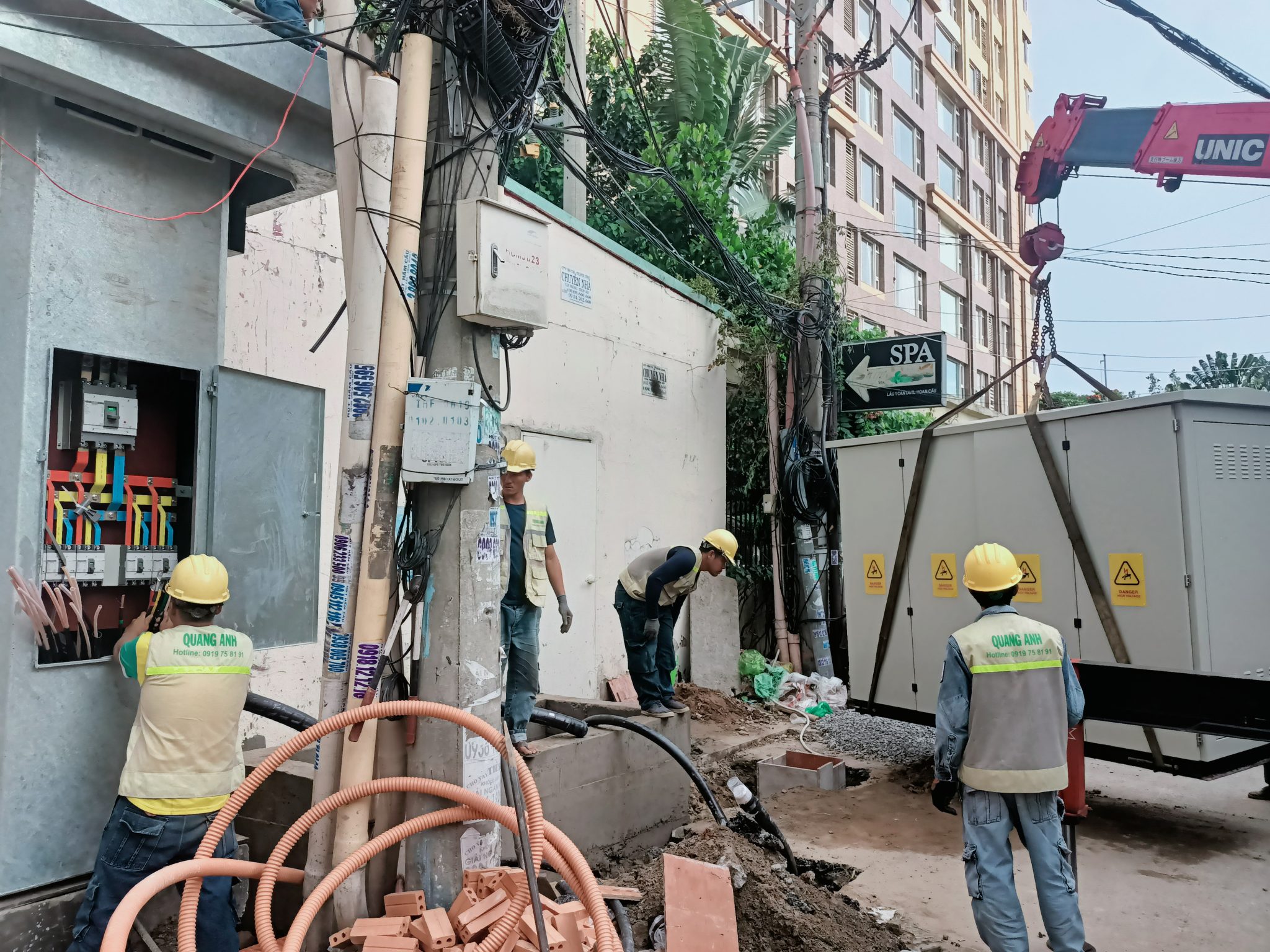
A periodic DGA program is required, with correct sampling points and oil handling according to results, accompanied by mechanical inspections. [14][13]
On site, mark sampling locations, record temperature and operating condition at the time of sampling.
DGA testing frequency should be classified by transformer condition: new, suspect or previously abnormal.
Oil parameters to monitor include principal dissolved gases, moisture, acid number, conductivity and breakdown voltage, as listed below.
| Parameter | Notes |
|---|---|
| H2, CO, CH4, C2H2, C2H4, C2H6 | Dissolved gases used to analyze fault origin (electrical discharge, thermal, oil decomposition). |
| Moisture | Affects insulation capability and BDV. |
| Acid number (AN) | Indicates oil degradation level and corrosion risk. |
| Conductivity | Reflects electrically conductive contamination in the oil. |
| Breakdown voltage (BDV) | Indicator of the oil dielectric strength. |
Sampling procedures must take from the sample valve or oil tank, avoid contamination and ensure safe conditions.
Record field information including equipment ID, oil temperature, load state and sampler before sealing the sample.
Before filtering or replacing oil, check basic contamination, leaks and compare oil quality with reference samples.
The decision to filter or fully replace oil depends on contamination level and DGA results; it cannot be based on a single parameter alone.
When abnormal DGA results are found, isolate the unit, increase monitoring frequency and perform additional electrical tests before further measures.
Mechanical checks include seals, terminal bolts, insulating enclosures, oil valves and cooling systems, performed per manufacturer specifications.
Tightening and contact inspections should be done during maintenance shifts and marked after torqueing to monitor subsequent movement.
Use thermal imaging and vibration analysis to implement condition‑based maintenance, reducing unnecessary periodic tasks at the substation.
Repair or replacement criteria are based on core/winding damage, signs of arcing or overheating from DGA and insulation degradation.
When detailed assessment is required, carry out a field survey and prepare a cost‑and‑risk report before decision.
The above steps form the basis to decide a condition‑based maintenance strategy or to proceed with major repairs when needed.
Fault detection methods: thermography, PD, DGA
Thermography detects hot contact points; PD measurement assesses partial discharge; DGA determines oil condition and guides CBM/CBT frequency.
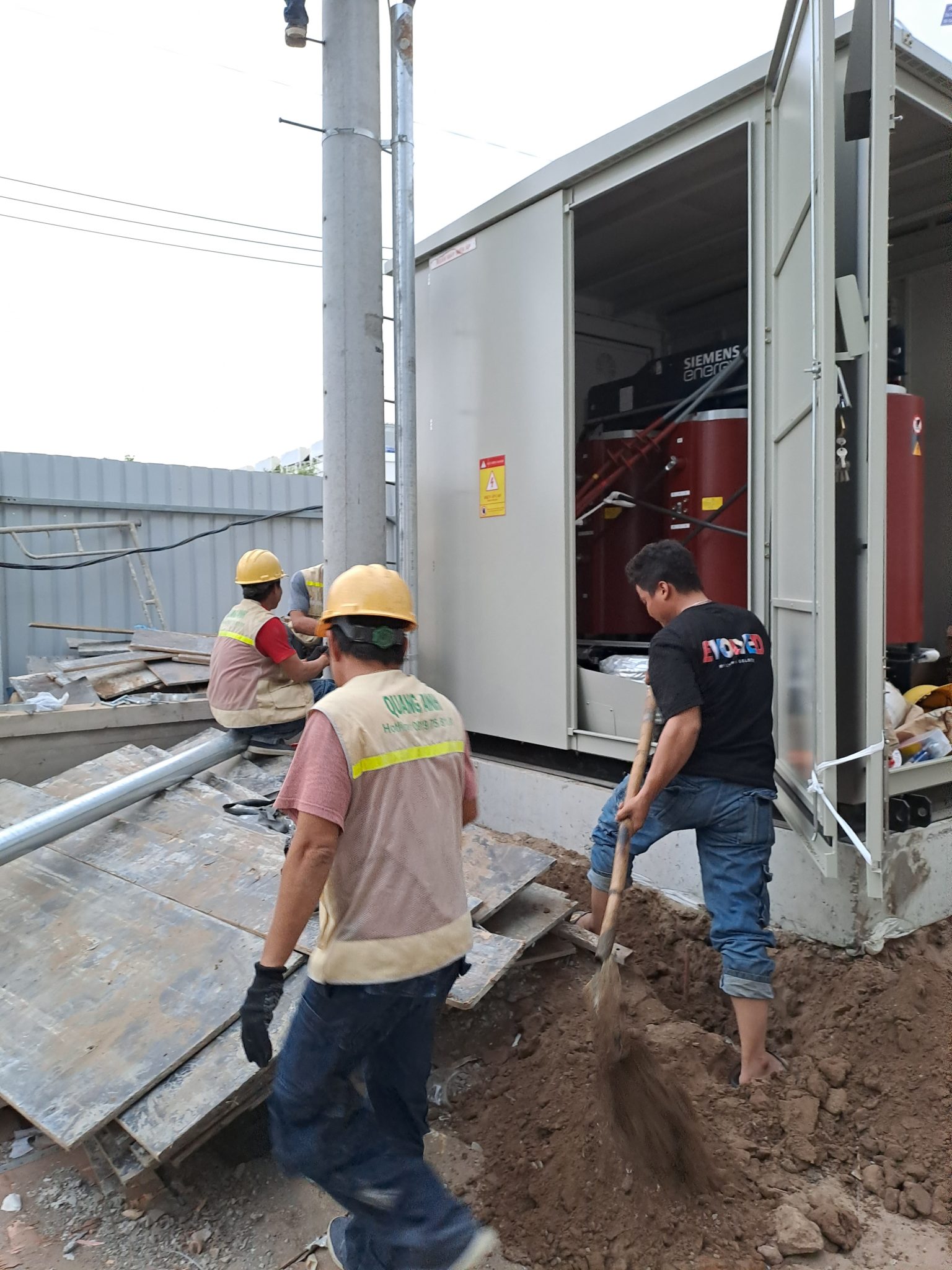
Thermography is used to detect hot spots from poor contact or high resistance; PD measurement detects insulation faults; and DGA applies to oil‑filled transformers when internal overheating is suspected. [1][15]
On site, thermographic scans should be performed both when equipment is energized and outside operating hours, prioritizing connections, cable ends, lugs, busbars and relay contacts; combine visual observation and listening for abnormal sounds. This method is sensitive to temperature rises from poor contacts and resistance heating but cannot detect small internal PD inside insulation.
Partial discharge (PD) measurement uses specialized equipment such as ultrasonic sensors, TEV probes or systems to IEC 60270; when surveying a factory site, surface corona and external noise must be excluded before conclusions. During maintenance, PD measurement is performed after suspect operations or repairs and trends over time should be observed rather than single values.
DGA (dissolved gas analysis) is applied to oil‑filled transformers when internal overheating, micro‑fires or for establishing an oil CBM program; analysis focuses on ratios and trends of gases such as H2, CO, CH4, C2H2. Sampling must be from correct points, avoid contamination, and record temperature and operation history; if in‑house analysis is not available, send to a qualified lab or use a calibrated GC device.
- CBM/CBT frequency: thermography periodically (e.g., monthly or per equipment risk),
- PD: condition‑based (after anomaly detection, after repairs) or annually for critical equipment,
- DGA: baseline sample and periodic monitoring, typically every 6–12 months, increasing frequency when abnormal indicators appear.
Action priorities: major hot spots must be addressed immediately; high or rapidly increasing PD requires isolation and investigation; DGA indicating arcing (rising C2H2) needs detailed inspection and emergency repair planning. Always prioritize time‑trend comparisons rather than conclusions from a single sample.
Operational warnings: thermography can be affected by high load or ambient conditions, PD measurement requires a controlled measurement environment and noise control, DGA may reflect past events because gases dissolve slowly into oil. When surveying a factory, comply with operational safety rules and verify findings before technical intervention.
Regulatory requirements, acceptance records and storage
Summary of the legal framework, components of acceptance records and conditions requiring independent testing, stating owner responsibilities and record storage.
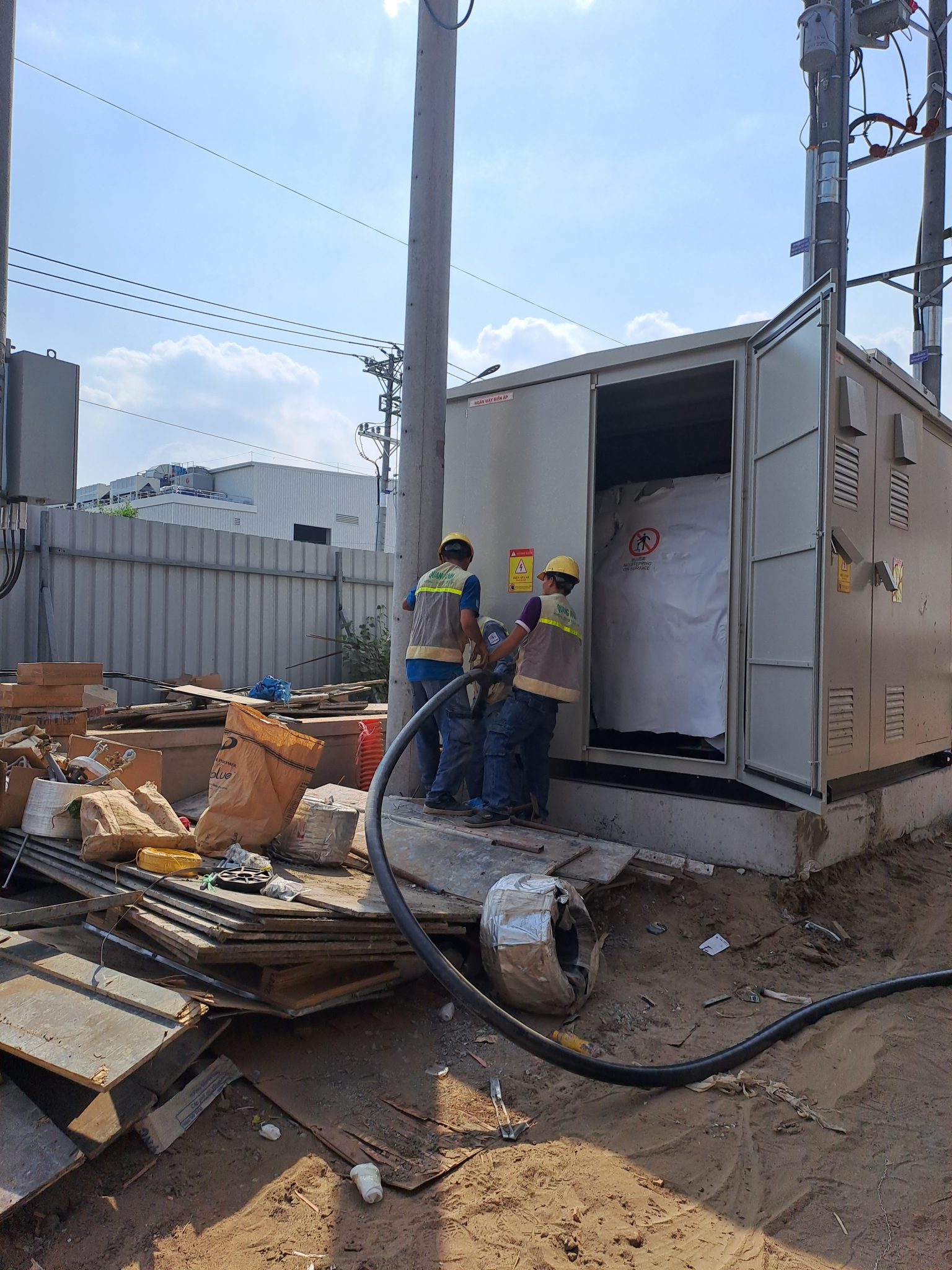
Ministerial documents from the Ministry of Industry and Trade, EVN guidance and circulars on connection/metering form the primary legal framework to follow when performing maintenance, repairs and acceptance of substations. [5][14]
On site, acceptance records are prerequisites for handover and commissioning; during maintenance shifts check records before re‑energizing according to distribution utility/EVN rules.
Typical components of post‑maintenance/testing acceptance records include:
- Work report (detailing scope, time and personnel involved).
- Test reports / test certificates related to the serviced equipment.
- Work logs and measurement session logs, if any.
- Safety acceptance report and handover to operations.
- Asset and construction handover documentation: approved design files, final acceptance records, and estimates/settlements when changes from the original design exist.
When surveying on site, verify completeness of test certificates (equipment name, results, signatures and the executing organization’s stamp) and match equipment IDs/tags with handover records.
Procedurally, acceptance records are usually submitted to the distribution utility/EVN before re‑energizing or official commissioning, per conditions in the connection/metering circular; exact deadlines and submission procedures depend on the specific circular and EVN guidance.
Conditions requiring independent testing typically include:
- When law or the circular mandates independent testing.
- When the investor or EVN requests independent verification of measurements/assessments.
- When technical disputes arise or defects are found that may affect operational safety.
The owner/customer is responsible for preparing a complete record package, notifying acceptance timing, coordinating with the distribution utility during acceptance and ensuring record validity per legal requirements; during acceptance keep a valid handover report and acceptance log.
Operational warning: do not re‑energize or hand over to operations when mandatory acceptance records are incomplete or when independent test results (if required) are pending confirmation; in practice this often leads to legal liability and safety risks.
If you need to determine mandatory records and submission deadlines for a specific case, conduct a site survey and cross‑check EVN guidance and the connection/metering circular to define next steps.
Applying a maintenance program aligned with operational risk and keeping complete records reduces incidents and meets legal requirements. Next step: schedule periodic inspections based on equipment priority and arrange testing when CBT/CBM indicates risk.
Frequently asked questions
How often should transformers at 22/35/110 kV be inspected and serviced?
Frequency depends on operational risk; a pragmatic principle is: quick visual inspections daily/weekly, basic servicing every 6–12 months, and in‑depth tests (DGA, tanδ, impedance measurements…) on annual or 3–5 year cycles depending on type and conditions. Adjust according to CBM and EVN requirements.
Which tests are required after replacing transformer oil?
After oil replacement, perform at minimum: DGA to detect dissolved gases, moisture measurement, acid number (AN), conductivity/resistivity and dielectric breakdown (BDV); add tanδ or other tests if needed. Record sample locations/batch and send to a competent laboratory.
When must an independent testing body be hired by regulation?
Hire an independent testing organization when law or the investor/EVN requires it, when technical disputes occur, when internal results are suspect or when independent validation of risk assessment for critical equipment is needed. Always request laboratory accreditation and clear test scope.
What documents must be stored for maintenance and acceptance?
Minimum maintenance and acceptance records: work report, construction log, test certificates/reports, oil analysis report, site photos, safety acceptance and handover report; include approved designs and change documentation. Check storage periods per distribution utility/EVN rules.
What mandatory safety steps are required for work inside a transformer room?
Before entering a transformer room: isolate and lockout/tagout energy sources, verify absence of voltage, apply temporary grounding if working on circuits, obtain permit‑to‑work (PTW), wear appropriate PPE, check air/space conditions (SF6, oil vapors), arrange fire‑fighting and continuous safety monitoring.
Quick procedure: checks before re‑energizing after maintenance
- Confirm completion of mechanical tasks and torque on terminal bolts; check oil condition and all connections.
- Perform comprehensive thermographic scan of contacts, output cables and panels; record thermal images and compare to historical thresholds.
- Check earthing parameters and ensure earth resistance meets design requirements.
- Perform insulation resistance tests (megger) and tanδ if abnormalities exist; for oil‑filled transformers, check DGA per program.
- Complete records: work report, test results, site photos; only re‑energize when all safety and acceptance criteria are met.
If you need a sample maintenance plan or an on‑site condition assessment for a substation, QuangAnhcons can support surveys and technical consultation per current standards.
Sources (18)
This article references traceable sources: legal documents (decrees/circulars), EVN/Power Company guidance and international standards (IEC/IEEE/TCVN) where applicable. All technical data, acceptance requirements and legal references must cite direct sources (URLs or document citations) to ensure traceability. Avoid relying on manufacturer or commercial materials as the basis for regulatory procedures; if vendor documents are cited, use them for technical comparison only, not as legal basis.
-
TT tthong tu quy dinh he thong truyen tai dien phan phoi dien va do dem dien nang
Official source from pccamau.evnspc.vn, used to verify technical information or mentioned regulations.
-
Bo truong Bo Cong Thuong kiem tra cong tac dam bao dien Tet tai Tram bien ap 220kV Long Bien
Official source from evn.com.vn, used to verify technical information or mentioned regulations.
-
EVN huy dong toan he thong tang cuong dam bao dam bao dien phuc vu Dai hoi Dang toan quoc lan thu XIV
Official source from evn.com.vn, used to verify technical information or mentioned regulations.
-
EVN huy dong toan he thong tang cuong dam bao dam bao dien phuc vu Dai hoi Dang toan quoc lan thu XIV
Official source from evn.com.vn, used to verify technical information or mentioned regulations.
-
EVN pho bien tap huan cac van ban ve cong tac bao ve bi mat nha nuoc va van thu luu tru
Official source from evn.com.vn, used to verify technical information or mentioned regulations.
-
EVNGENCO1 Van hanh an toan dam bao san xuat dien dap ung yeu cau huy dong cua he thong
Official source from evn.com.vn, used to verify technical information or mentioned regulations.
-
EVNHANOI thu nghiem robot AI trong giam sat van hanh tram bien ap
Official source from evn.com.vn, used to verify technical information or mentioned regulations.
-
EVNHCMC Dam bao cac moc tien do quan trong Du an Cai tao Tram bien ap 220kV Vinh Loc Ba Queo
Official source from evn.com.vn, used to verify technical information or mentioned regulations.
-
evnhcmc.vn
Official source from evnhcmc.vn, used to verify technical information or mentioned regulations.
-
evnhcmc.vn
Official source from evnhcmc.vn, used to verify technical information or mentioned regulations.
-
evnhcmc.vn
Official source from evnhcmc.vn, used to verify technical information or mentioned regulations.
-
EVNNPC dong dien Tram bien ap 110kV Nam Cam tinh Nghe An
Official source from evn.com.vn, used to verify technical information or mentioned regulations.
-
EVNNPT Giai phap nao dam bao truyen tai dien an toan mua nang nong
Official source from evn.com.vn, used to verify technical information or mentioned regulations.
-
Nhip thi cong hoi ha tren cac cong trinh nguon dien trong diem cua EVN
Official source from evn.com.vn, used to verify technical information or mentioned regulations.
-
Official document or guidance from EVNSPC
Official source from evnspc.vn, used to verify technical information or mentioned regulations.
-
Official document or guidance from EVNSPC
Official source from evnspc.vn, used to verify technical information or mentioned regulations.
-
Official document or guidance from EVNSPC
Official source from pccamau.evnspc.vn, used to verify technical information or mentioned regulations.
-
Official document or guidance from EVNSPC
Official source from evnspc.vn, used to verify technical information or mentioned regulations.