
 Tiếng Việt
 简体中文
简体中文 Deutsch
 日本語
日本語 한국어
한국어 ไทย
ไทย Русский
 Français

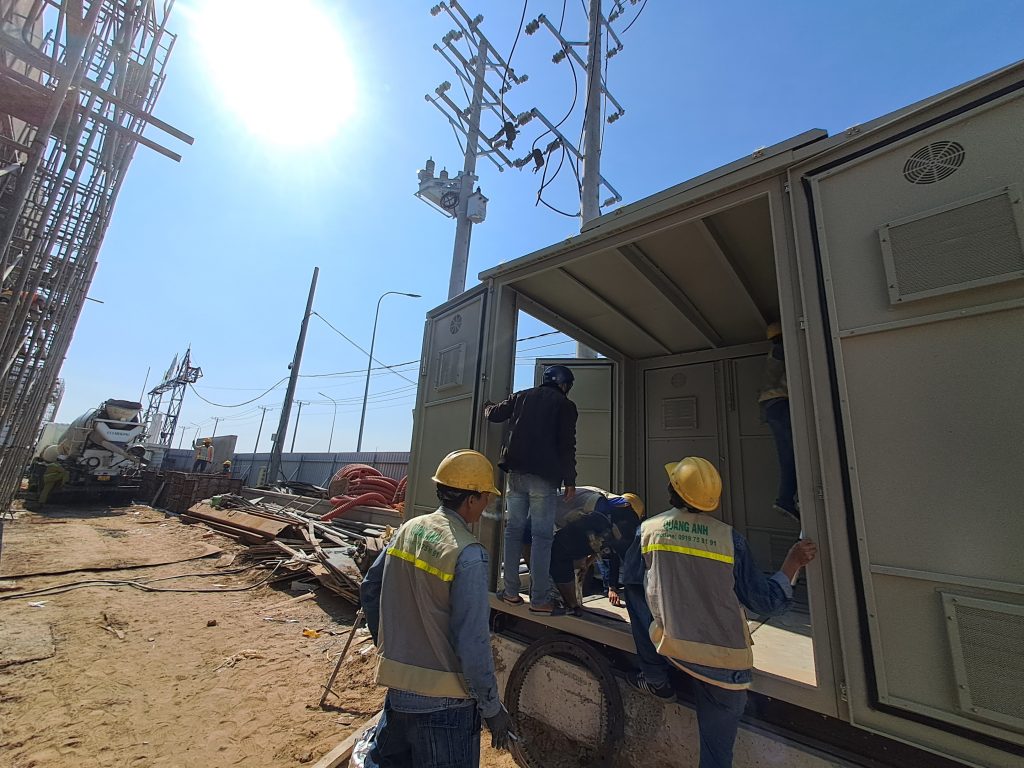
Transformer oil filtration treats insulating oil to remove water, dissolved gases, and impurities, thus protecting and boosting the insulation and heat dissipation capabilities, maintaining the quality and performance of the transformer.
The Transformer Oil Filtration Mechanism and Its Importance
Transformer oil filtration is the process of treating insulating oil in transformers to remove impurities like water, dissolved gases, and insoluble substances. This not only protects but also enhances the insulating and heat dissipation capacities of the oil. Therefore, oil filtration maintains and improves oil quality, ensures the transformer’s performance, and prolongs its lifespan. Filtration is conducted using a system comprising an inlet gate valve, a coarse filter, a heater to heat the oil, and automatic control devices.
In the construction and energy sectors, transformer oil filtration plays a key role in maintaining and protecting transformers. The oil filtration mechanism operates through a complex process to thoroughly eliminate impurities, including dirt, moisture, and dissolved gases in the insulating oil. Transformer maintenance requires a stringent filtration process, starting with coarse filtration to remove larger particles. This is an important step for improving the insulation and heat dissipation efficiency.
Next, the oil filtration system uses a heater to raise the oil temperature to about 40-80°C, enhancing filtration ability. Once the desired temperature is reached, a vacuum pump is used to extract dissolved gases and water, allowing water to evaporate and condense in a water condenser before being discharged. The final step is fine filtration, where smaller impurities along with metals or oxides are removed through a magnetic filter or stripper. Components such as the intake valve, gear pump, and measuring systems help monitor and control this process effectively.
Oil filtration machines not only recycle used insulating oil but also minimize costs and environmental impact. Transformer oil filtration is indispensable for maintaining the safe operation of transformers, ensuring they work stably without issues like overheating or short circuits due to dirt residues. Reputable brands such as ABB and Mitsubishi offer advanced filtration devices suitable for the specific needs of each electrical system.
By performing periodic oil filtration, businesses not only ensure the working efficiency of the system but also extend the lifespan of transformers, thereby optimizing economic and technical efficiency for the entire electrical system.
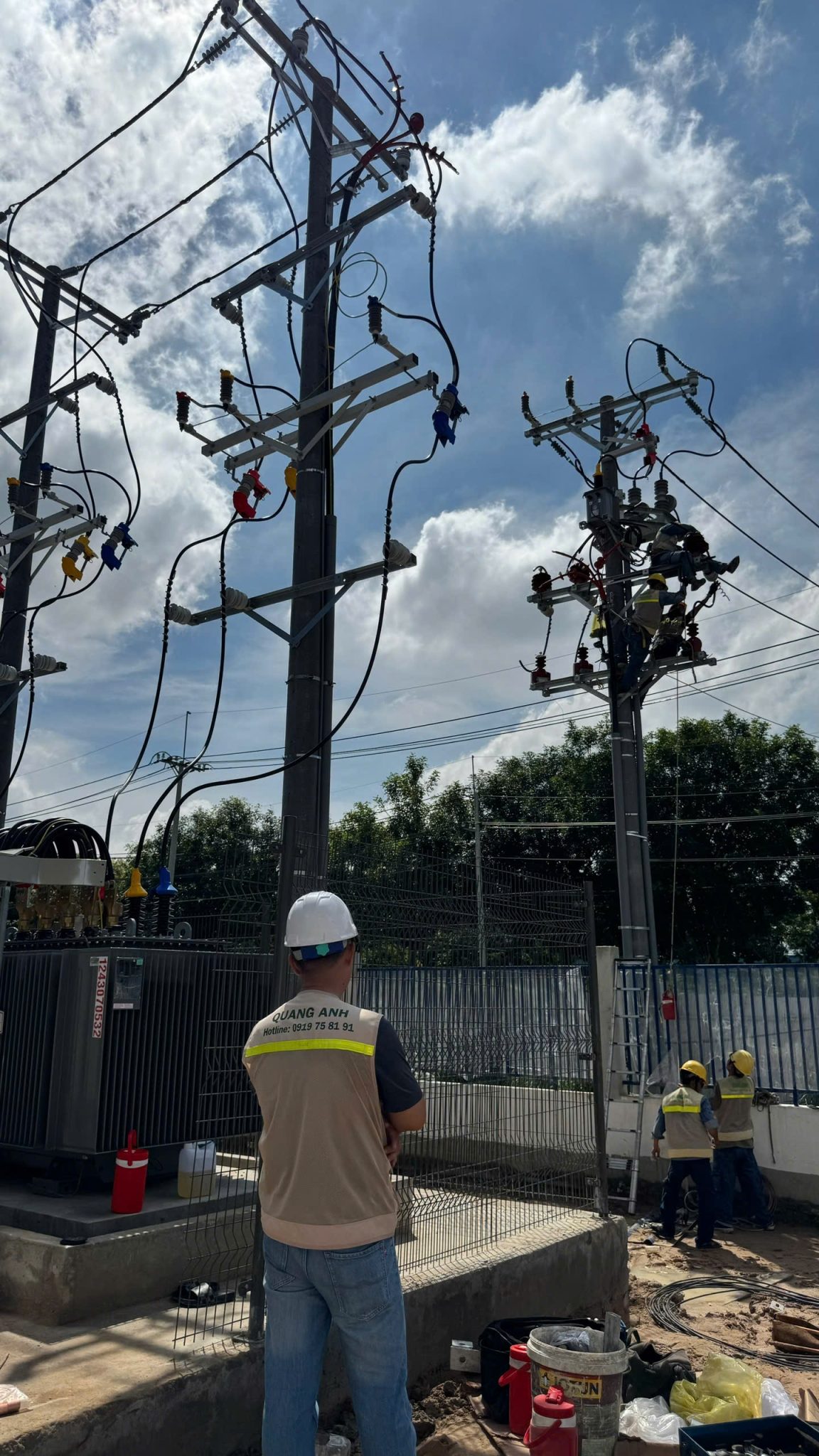
Benefits of Transformer Oil Filtration, Enhancing Performance and Longevity
The main goal of transformer oil filtration is to remove moisture, insoluble impurities, and dissolved gases, thereby improving the oil’s insulating capability and protecting the internal paper insulation of transformers. Unfiltered transformer oil risks oxidation, forming oxides, acids, and dirt, negatively affecting device operation. Modern filtration devices often include a dehydration function to ensure complete water removal, enhancing overall efficiency.
Transformer oil filtration plays a significant role in maintaining efficient device operation and prolonging the lifespan of transformers. This process helps remove dust, water, and dissolved gases such as CO, CO2, O2, and H2. As a result, the quality of the insulating oil is improved, contributing to enhanced transformer performance and durability.
The Impact of Impurities on Transformer Oil
Transformer oil has two main functions: cooling and insulating. When the oil is contaminated with impurities like water, dirt, or oxidized, its insulating properties diminish significantly. This can damage the internal insulation layers of transformers due to reduced electrical strength, increasing the risk of device failure.
The Oil Filtration Process
The oil filtration process utilizes specialized equipment with vacuum and heating systems. This system can remove impurities larger than 5 microns while eliminating water and dissolved gases. After filtration, the oil’s discharge voltage can be significantly increased, from 30kV up to 60-80kV, reducing the moisture content in the oil and notably improving device efficiency.
Benefits of transformer oil filtration
By removing components that degrade the oil’s insulating properties, transformers operate more smoothly, reducing the risk of damage, enhancing performance, and extending equipment lifespan. Oil filtration machines with high output capacities, ranging from thousands to tens of thousands of liters per hour, are well-suited for treating oil in high voltage transformers and large industrial equipment. These devices ensure long-standing operational standards.
Transformer oil filtration is an essential step in equipment maintenance and operation, ensuring the oil’s physical, chemical, and insulating properties are always kept at optimal levels. Renowned brands in this field, like ABB and Mitsubishi, provide modern oil filtration equipment, ensuring transformers operate efficiently under all conditions.
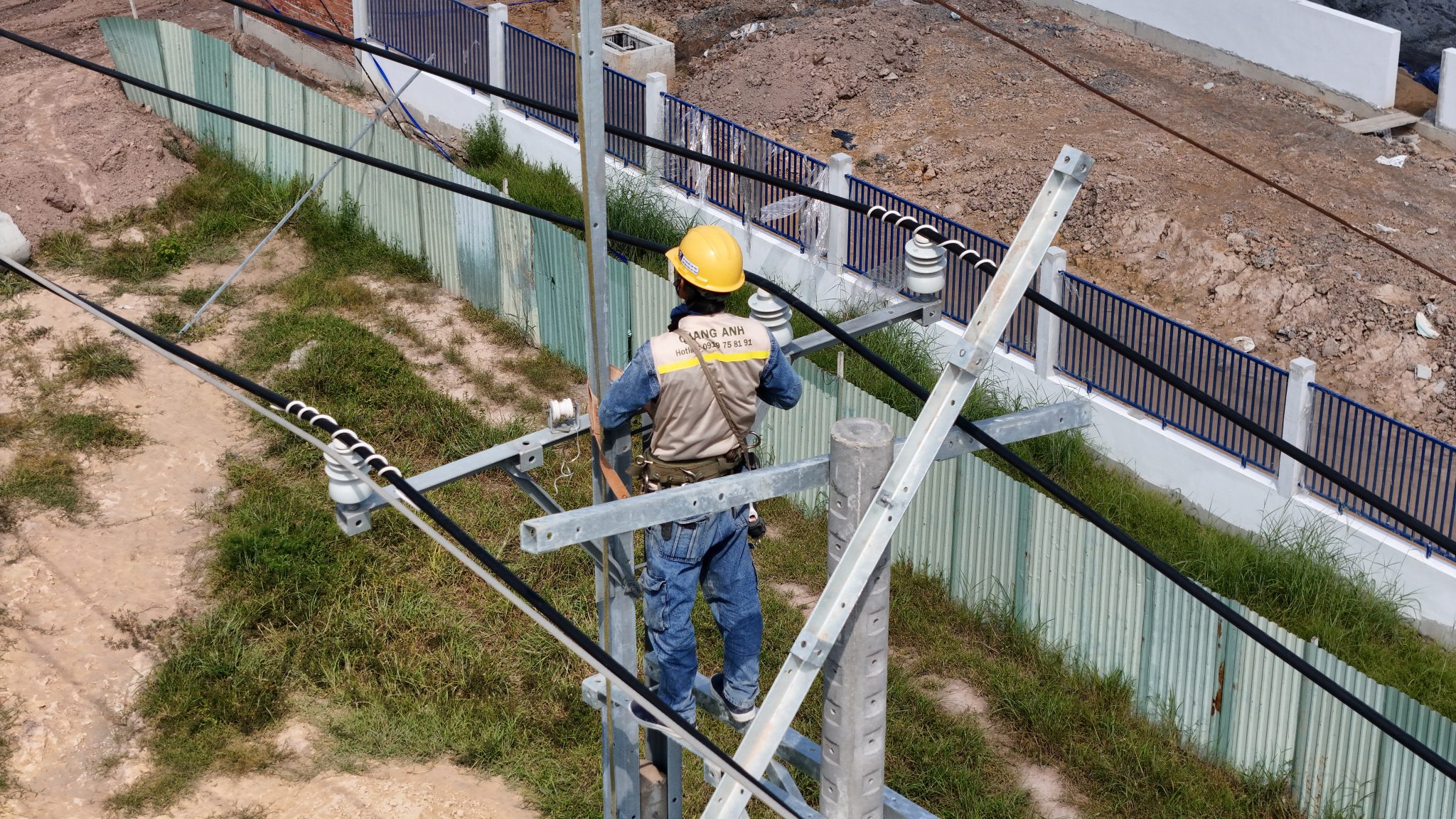
Effective Operation Process of the Transformer oil filtration System
The operation process of the transformer oil filtration system includes steps: opening valves and operating the oil pump to push out gases and impurities, heating the oil to improve filtration efficiency, using a vacuum pump to condense and remove water, circulating oil through coarse and fine filters to ensure complete cleanliness before returning it to the transformer. This process effectively removes all impurities that can degrade the transformer’s performance.
Preparation and Initial Setup
The operation of the transformer oil filtration system begins with preparation and setup of important operational parameters. First, the vacuum gauge needs to be set between -0.07 ~ -0.09 Mpa. The control temperature is set from 45-65°C to ensure the oil is adequately heated and the system operates efficiently.
The Oil Filtration System Operation Process
- Slowly open purge valves until the oil is full and no gas exists in the pipeline.
- Start the transformer’s vacuum pump to check the vacuum level before opening the solenoid valve to feed oil into the filtration system. Transformer oil will be pumped through the coarse, magnetic, and fine filters under low pressure to remove impurities and moisture.
Automated Management and Control
The automatic control system allows precise oil level management in the tank. The oil level sensor will activate the output solenoid valve and circulate pump when the oil level reaches the lower limit, while closing the oil supply valve when reaching the upper limit, maintaining stable operation and avoiding oil depletion.
Checking and Monitoring Oil Quality After Filtration
After completing the transformer oil filtration process through the circling filtration system multiple times, the oil quality is checked and analyzed. Ensure that the oil standards meet technical requirements before re-operating the transformer.
Important Operational Notes
For optimal process operation:
- Place the oil filter near the transformer or oil tank, ensuring short and sealed oil pipelines.
- During filtration, the transformer should be stopped to transfer oil to ensure safety and efficiency.
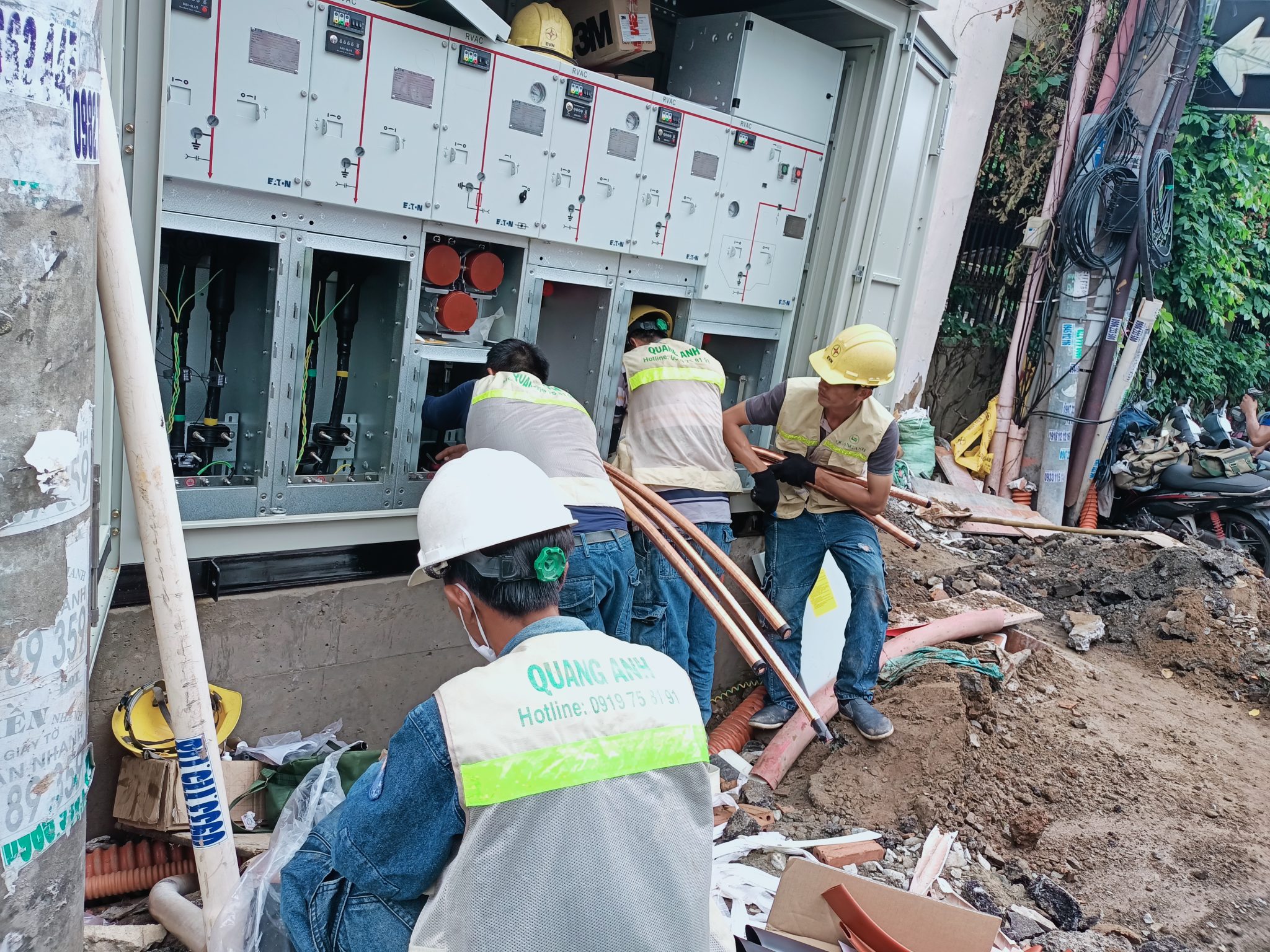
Transformer oil filtration is a crucial component in maintaining and ensuring the best performance of electrical equipment, eliminating factors that degrade oil characteristics, and extending the lifespan of transformers. Investing in modern oil filtration systems is a smart technical and financial strategy.
Discover QuangAnhcons’ transformer oil filtration service to maintain and enhance the efficiency of your electrical equipment. Contact hotline: +84 9 1975 8191 for consultation.
QuangAnhcons offers professional and effective transformer oil filtration services, helping remove impurities and protect your transformers, committed to quality and sustainability of the power system.
Substation budget estimate
Select the capacity, route lengths and package to view your indicative budget and electrical parameters.
Request a project quotation
Send your project details, BOQ or drawings to request a formal quotation. Fields marked * are required.
Quotation scope
Applies to one EVN-supplied substation with oil-immersed transformers at 22/0.4 kV (single-phase: 12.7/0.23 kV), with MV metering VTs/CTs supplied by EVN. The estimate includes the selected equipment, installation, earthing, transformer-to-main-breaker connections, design and connection documentation, and coordination of testing and utility acceptance.
Kiosk, integrated steel-pole and indoor substations include MV switchgear and the entered underground cable route. Other outdoor arrangements use the relevant protection configuration. The final diagram must meet the project connection requirements.
Excludes VAT, cables from the substation switchboard to the MSB/loads, live-line work, harmonic reactors, weak-ground treatment or special piling, land and special fire-protection provisions. Underground routes assume normal construction conditions and exclude road drilling and special reinstatement.
Prices are indicative investment budgets. A formal quotation follows site assessment and agreement on the configuration. Electrical selections are preliminary and require design verification before installation.
Capacity range and application conditions
The catalogue defines the enquiry range of this tool, not universal TCVN capacity limits. Single pole-mounted transformers: 15–100 kVA; three-unit banks: 3×15–3×100 kVA. Platform substations: 100–630 kVA. Steel-pole substations: 100–630 kVA; 750/800 kVA require design verification and local approval. Ground-mounted, kiosk and indoor configurations: 50–10,000 kVA. Not every configuration has a package price or the same structural design.
Reference: EVN Decision 1299/QD-EVN dated 3 November 2017, Volume 1, sections 3.3–3.4. Check the current requirements of the responsible utility before implementation. Kiosks must meet manufacturer ratings and testing requirements (IEC 62271-202); indoor and ground-mounted arrangements must meet project layout, ventilation, structural and fire-protection requirements. For multiple transformers, specify the quantity and capacity of each unit.
Developed by QuangAnhcons · © 2026 QuangAnhcons. Code licensed under GPL-2.0-or-later. Standards and manufacturer data belong to their respective owners.