
 English
 Tiếng Việt
 Deutsch
 日本語
 한국어
 ไทย
 Русский
 Français


电力系统设计报价包括设计、材料和施工成本,取决于很多因素如面积和材料质量。
电力系统的类型与特点
电力系统设计成本包括多种因素,其中不同类型的系统如公用电、轻型电和工厂电系统承担重要角色。公用电系统包含变电站、防雷、照明和插座设备,设计成本普遍为12,000 VND/m²。而轻型电系统包含互联网、音响、摄像头、内部网络等设备,设计成本亦相似。特别是,工厂电系统依赖于工厂的规模和特征,价格可能会根据面积和安装设备数量显著变化。
电力系统在越南的电能传输和分配中发挥不可或缺的作用。此系统可以依据多种标准分类,每种都有独特的特点和功能。以下,我们将详细分析最常见的电力系统类型。
按电压等级分类
- 高压电系统 (HV – 高电压):
- 这是一种电压从110 kV及以上的系统,主要用于将电能从发电站传输到变电站。
- 中压电系统 (MV – 中电压):
- 电压从1 kV到35 kV的中压电系统非常普遍,用于电能向大型消费区域的分配。
- 低压电系统 (LV – 低电压):
- 低压电系统电压低于1 kV,适用于家庭和小企业区域。
按服务范围分类
-
国家电力系统: 这是一个包括全国所有电能传输与分配网络的系统,确保从发电站到消费者的电能供应。
-
地方电力系统: 为指定地域服务,此类系统主要包括地方电力分配和电力来源。
-
局部电力系统: 为如工业园区或住宅区等特定区域服务,其中包括地方电力来源和低压电力分配系统。
按用途分类
-
电力输送网: 此网络负责将电能传输至各分配站。
-
电力分配网: 确保电能输送到消费单位,满足生活和生产需求。
按电力来源分类
-
包括火电厂的系统: 使用化石燃料或生物质能生产电能。
-
包括水电厂的系统: 利用水流的能量来生产电能。
-
混合水电-火电系统: 结合水电和火电能源,提供供电的灵活性。
特点
- 灵活性和多样性: 电力系统的设计能够满足市场的各种需求。
- 效率和可扩展性: 现代系统具有轻松升级和扩展的能力。
- 稳定性和可靠性: 确保为所有用户提供稳定可靠的电力供应。
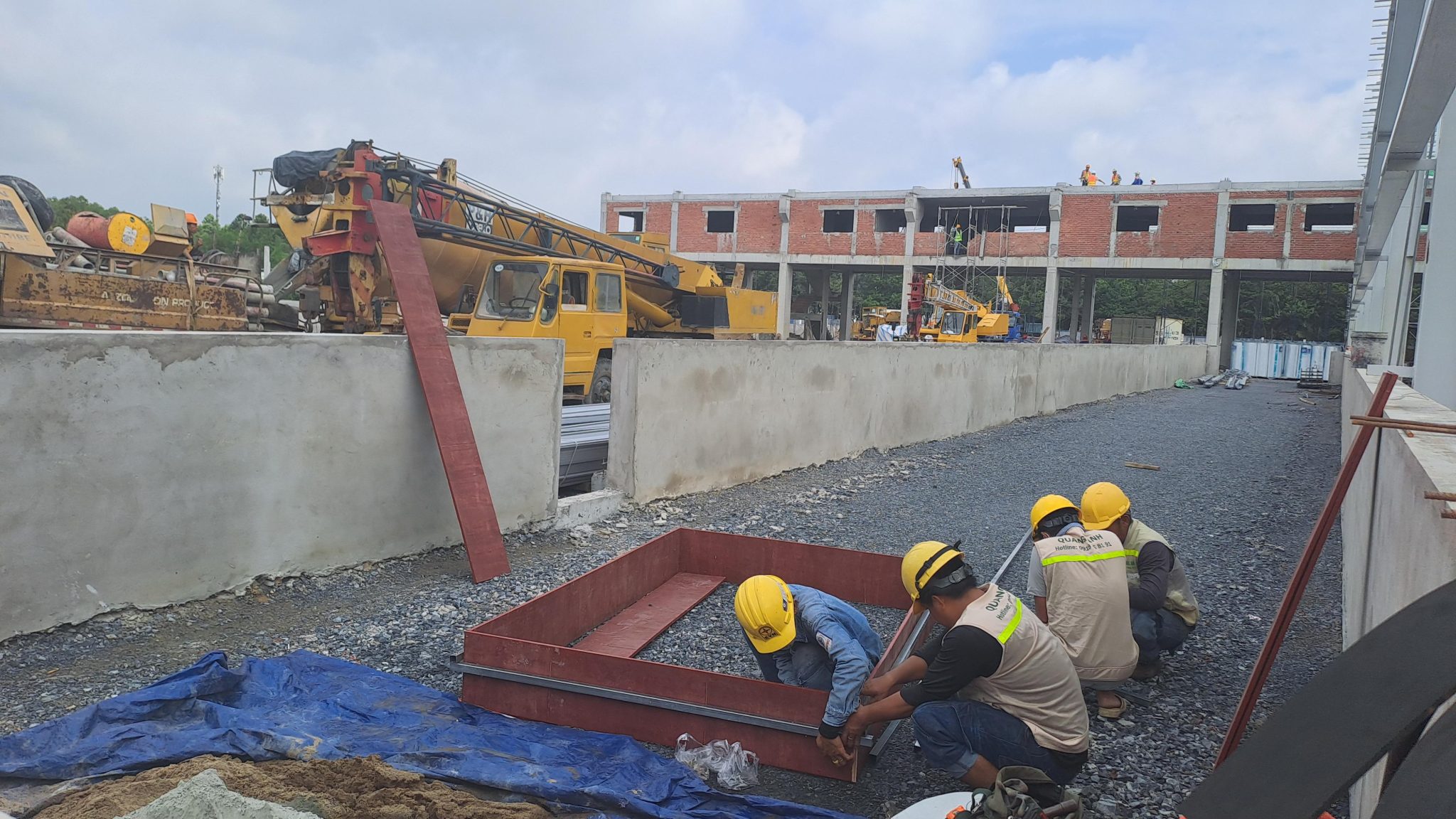
影响电力系统设计成本的因素
工程面积是直接影响电力系统设计成本的因素之一,面积越大则需要更多电气材料,导致成本更高。材料质量也是一个重要因素,高级材料成本更高,但其决定了使用的耐用性和长效性。另一方面,设计图纸的复杂程度可能会推高人工和材料成本。此外,工程进度不仅影响劳动成本,还涉及项目管理。
在设计电力系统时,有许多因素会影响并直接作用于总成本,公司需考虑这些因素以优化支出。
首先,是工程面积和规模不能忽视的因素。面积大的工程项目需更多的电气设备,从而使面积成本增加。宽敞空间的电力系统安装需更多的电气材料,直接影响总成本。
其次,需明确定义的电气设备类型和数量。这涉及照明系统、插座、通风系统以及其他电气设备的选择,如ABB、三菱或施耐德电器。适合需求的设备选择不仅确保高效运行,也能优化成本。
电力系统中使用的材料质量也是一个重要因素。使用高质量的材料如Cadivi电线或现代的远程控制设备可帮助系统持久耐用并具长效性,但这必然会增加实施成本。
此外,安装区域的位置和条件也会影响电力系统设计成本。在大城市,面空间费用和高需用电力可能显著抬高成本。同时,当地的技术规范和安全要求如系统安全规则也需注意。
施工时间和人工成本是对总成本影响不小的因素。快速施工时间加之工人数目和技能对人工成本有影响。
最后,所有项目都需关注技术和安全要求。三相电系统或如避雷和火灾警报等安全措施都需仔细考量,以保证满足所有标准和规定,对电力系统设计成本产生影响。

理解电力系统设计报价有助于优化成本并确保项目顺利进行。正确选择材料和设计可确保长期效果和投资管理中的节约。
与QuangAnhcons共同探索最优和节约成本的电力系统设计方案。立即通过热线: +84 9 1975 8191联系。
QuangAnhcons专注于提供电力系统设计服务,确保合理的费用和卓越的质素。凭借经验丰富的工程师团队,我们承诺每个项目都能带来满意。
Substation budget estimate
Select the capacity, route lengths and package to view your indicative budget and electrical parameters.
Request a project quotation
Send your project details, BOQ or drawings to request a formal quotation. Fields marked * are required.
Quotation scope
Applies to one EVN-supplied substation with oil-immersed transformers at 22/0.4 kV (single-phase: 12.7/0.23 kV), with MV metering VTs/CTs supplied by EVN. The estimate includes the selected equipment, installation, earthing, transformer-to-main-breaker connections, design and connection documentation, and coordination of testing and utility acceptance.
Kiosk, integrated steel-pole and indoor substations include MV switchgear and the entered underground cable route. Other outdoor arrangements use the relevant protection configuration. The final diagram must meet the project connection requirements.
Excludes VAT, cables from the substation switchboard to the MSB/loads, live-line work, harmonic reactors, weak-ground treatment or special piling, land and special fire-protection provisions. Underground routes assume normal construction conditions and exclude road drilling and special reinstatement.
Prices are indicative investment budgets. A formal quotation follows site assessment and agreement on the configuration. Electrical selections are preliminary and require design verification before installation.
Capacity range and application conditions
The catalogue defines the enquiry range of this tool, not universal TCVN capacity limits. Single pole-mounted transformers: 15–100 kVA; three-unit banks: 3×15–3×100 kVA. Platform substations: 100–630 kVA. Steel-pole substations: 100–630 kVA; 750/800 kVA require design verification and local approval. Ground-mounted, kiosk and indoor configurations: 50–10,000 kVA. Not every configuration has a package price or the same structural design.
Reference: EVN Decision 1299/QD-EVN dated 3 November 2017, Volume 1, sections 3.3–3.4. Check the current requirements of the responsible utility before implementation. Kiosks must meet manufacturer ratings and testing requirements (IEC 62271-202); indoor and ground-mounted arrangements must meet project layout, ventilation, structural and fire-protection requirements. For multiple transformers, specify the quantity and capacity of each unit.
Developed by QuangAnhcons · © 2026 QuangAnhcons. Code licensed under GPL-2.0-or-later. Standards and manufacturer data belong to their respective owners.